
Reviews
-
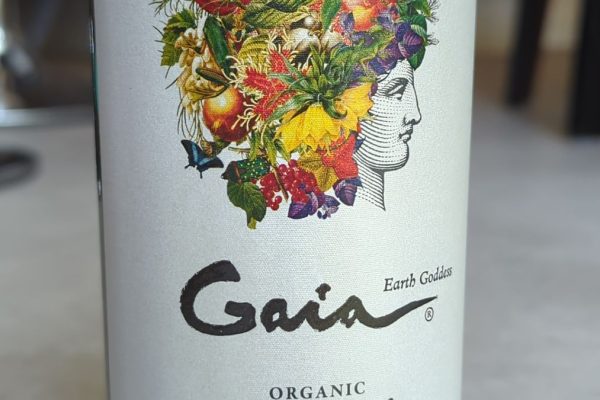
Gaia Organic Malbec
Gaia Organic Malbec takes its name from Gaia, the green goddess of the earth, who appears on the label. Behind it is a touch of French winemaking brought to Argentina by Domaine Bousquet, whose roots are in Carcassonne in southern France. The grapes are grown at 1,200 metres in Gualtallary, in Mendoza’s Tupungato Valley, where huge temperature shifts between day and night help shape the wine. The estate is organic, Demeter certified and also vegan. For this 2023 vintage, the wine comes in a lighter glass bottle than previously. It is made from 100% estate-grown Malbec grapes, aged in French…
-
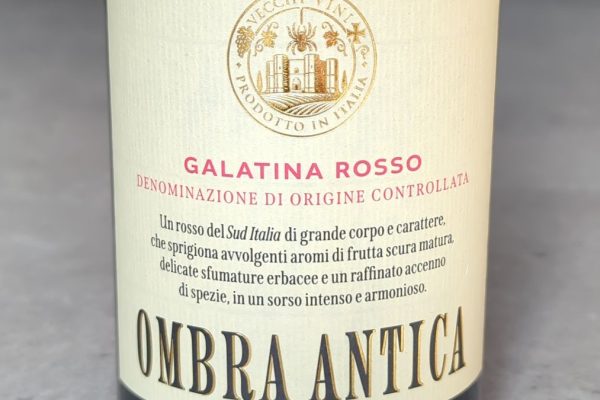
Ombra Antica Galatina Rosso
This is new to Laithwaites, and it comes from a tiny Italian wine region that is easy to overlook. Galatina, down in Puglia, is so small that the whole region produces roughly the same amount of wine as one medium-sized Italian estate. Rather unexpectedly, I found out more about the label on LinkedIn. It was designed by Miguel de Almeida Design. The central design takes its inspiration from the Torravento monastery in the Galatina area, along with the local tradition of the tarantata. This is connected with the historical belief that people bitten by a spider could be cured, or…
-
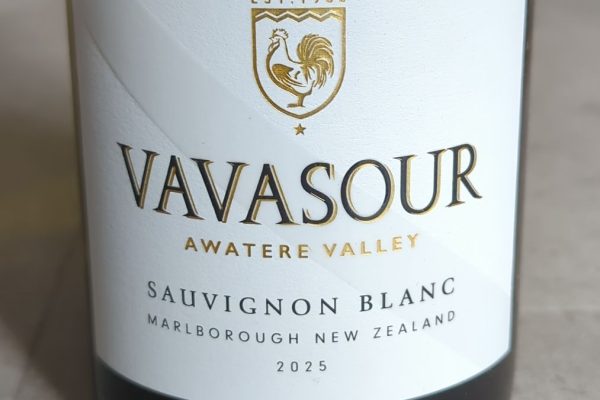
Vavasour Sauvignon Blanc
I’ve picked out this wine at several past Co-op press tastings, so it felt like time to take a closer look at it. Vavasour is the name of the winery, one of the founding wineries in Marlborough’s Awatere Valley, an area once considered too cool, dry and exposed for serious viticulture. The rooster on the Vavasour label comes from the Vavasour family crest. The imagery refers to the family’s Anglo-Norman heritage, with an early Vavasour ancestor traditionally said to have served as a wine taster for William the Conqueror! This is the 2025 vintage and comes in at 12.5% ABV.…
-
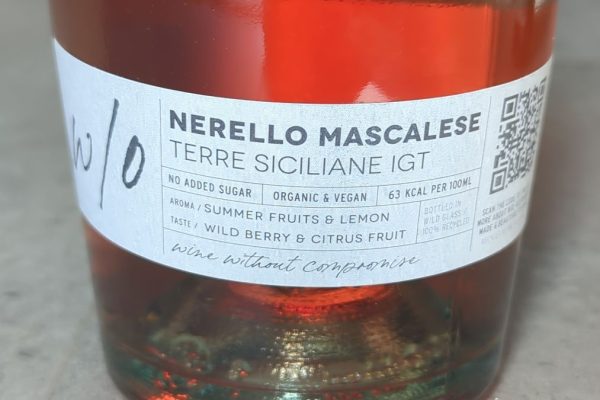
W/O Nerello Mascalese Rosato Spumante
W/O Nerello Mascalese Rosato Spumante is a new addition to the W/O range, a sparkling rosé from the 2025 vintage. This is wine made without (W/O) compromise, with sustainability placed front and centre. It comes in a 100% post-consumer recycled wild glass bottle, with no neck foil. It is made from organic Nerello Mascalese, a grape usually used for red wines. One of Sicily’s leading varieties, it is often compared with Pinot Noir and goes into some seriously impressive, and seriously pricey, Etna reds. At 10.5%, it is also lower in alcohol. In the glass, it has small bubbles and…
-
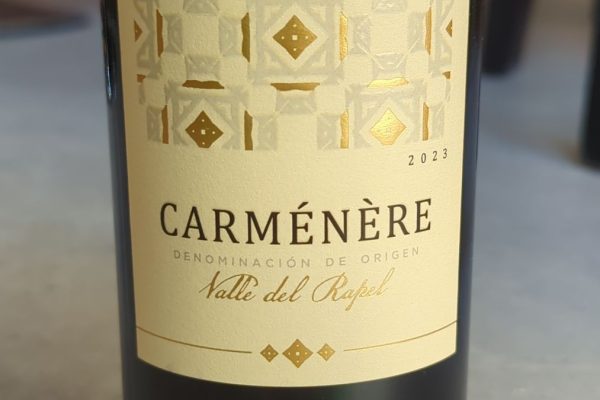
Asda Exceptional Carménère
This has been a favourite of mine before, and this latest 2023 vintage comes in at a higher 14.5% ABV. I particularly enjoyed it at the recent Asda Exceptional Tasting, where I thought it was one of the best reds, so I wanted to try it again and look at it in a little more detail. It comes from Valle del Rapel in Chile, is made from 100% Carménère (the previous vintage used 10% Shiraz) and is produced by Viña Luis Felipe Edwards. In the glass, it is a light purple-ruby colour. Black plum and blackberry come through on the…
-
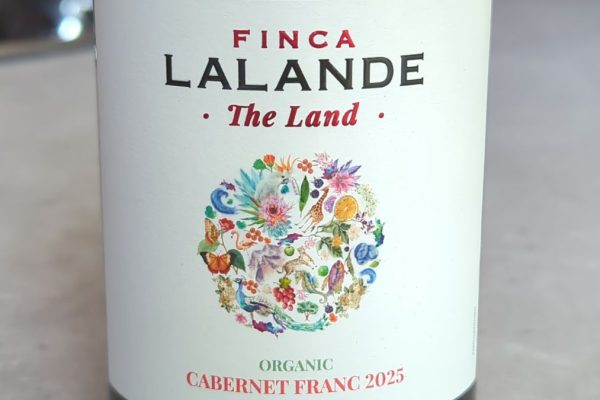
Finca Lalande Organic Cabernet Franc
This wine, from Domaine Bousquet pays tribute to the winemaker’s French roots. The Bousquet family comes from the Languedoc, where it owned Domaine Lalande, a winery and vineyards based in Pennautier. The property was sold to fund the purchase of the family’s Argentine estate in the 1990s. Made from 100% Cabernet Franc with no oak influence, the wine is certified organic. The vineyards were planted on untouched land from 1997 onwards and have been certified organic from the very beginning. The 172-hectare property sits in Gualtallary, in Mendoza’s Uco Valley, at a dizzying altitude of 1,219 metres, or 4,000 feet.…
-
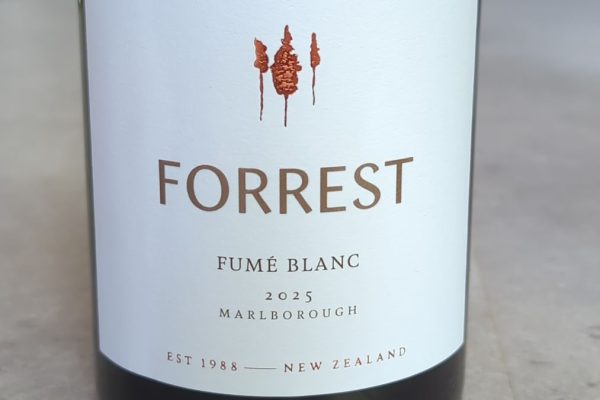
Forrest ‘Fumé Blanc’ Sauvignon Blanc
This is a new arrival at Majestic, and it is something a little different. It is an innovative Sauvignon Blanc from Marlborough, New Zealand, but not in the style you might expect. It comes from the winery behind The Doctor’s, the pioneering lower-alcohol Sauvignon Blanc. This one is not lower in alcohol, though. Instead, the difference comes from its oaked style. Fumé Blanc was originally created by the famous Napa Valley winemaker Robert Mondavi. At the time, Napa Sauvignon Blanc had developed a reputation for being sweet and rather dull, so Mondavi invented a new name for the variety in…
-
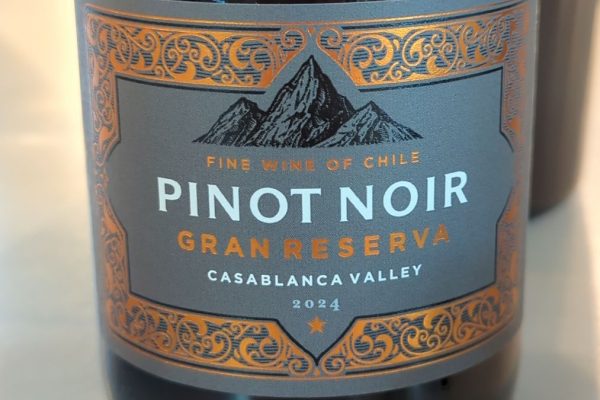
The Best Gran Reserva Pinot Noir
I picked this one out at the last Morrisons press tasting and knew I had to take a deeper look. It comes from Ventisquero Wine Estates, named Wine Enthusiast New World Winery of the Year 2024, and one of the founding wineries behind Chile’s sustainability movement. Award-winning winemaker Felipe Tosso is at the helm. Made from 100% Pinot Noir, it is partly matured in French oak for added depth. It is 13% ABV and from the 2024 vintage. In the glass, it is pale to medium ruby in colour. The aromas are intense, with red cherry, strawberry, rose and coastal…
-
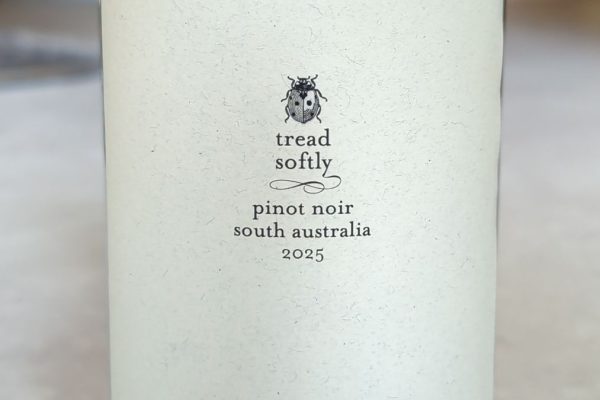
Tread Softly Pinot Noir
This is a wine I first picked out at the Waitrose Spring press tasting and I’ve now returned to it for a closer look. It comes from South Australia and is made entirely from Pinot Noir. The vines are dry grown, with minimal intervention in the vineyard, while the wider approach focuses on sustainable production. A native tree is also planted for every six bottles sold. This is the 2025 vintage. Let’s talk about the packaging first. The bottle is made from 100% recycled glass, with a minimal front label that feels in keeping with the low-intervention growing and the…
-
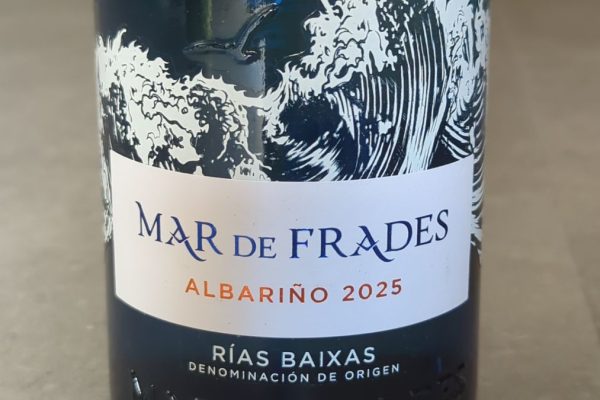
Mar de Frades Albariño
This is the new 2025 vintage of the classic Mar de Frades Albariño, from the Valle del Salnés in Rías Baixas, Spain. Mar de Frades was founded in 1987 by a Galician entrepreneur in the Val do Salnés, shortly before the Rías Baixas denomination was formally established. The name means “Sea of the Friars” in Galician, referring to an inlet around the mouth of the River Umia and the Ría de Arousa. Pilgrims or friars were traditionally said to have come ashore here before continuing their journey towards Santiago de Compostela. The wine is made by Paula Fandiño, one of…
-
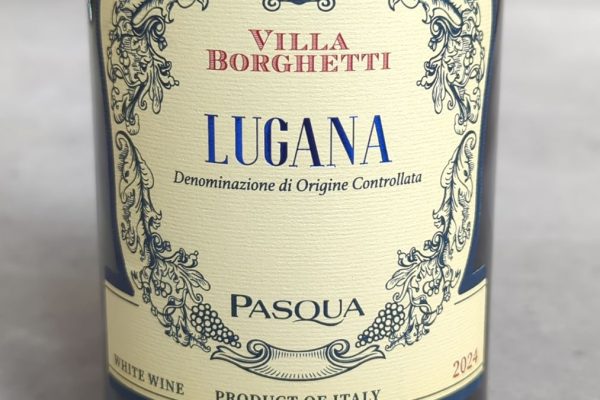
Villa Borghetti Lugana
I brought this one back from a trip to Italy. Villa Borghetti is a wine label owned by Pasqua Vigneti e Cantine. Lugana is a white wine appellation and geographical area on the southern shores of Lake Garda in northern Italy. This 2024 vintage is made from 100% Trebbiano di Lugana, also known as Turbiana and comes in at 12.5% ABV. In the glass it has a pale lemon colour. The aromas bring together lemon, green apple, melon and honeysuckle. On the taste, there is plenty of crisp citrus and stone fruit, followed by a touch of almond, with no…
-
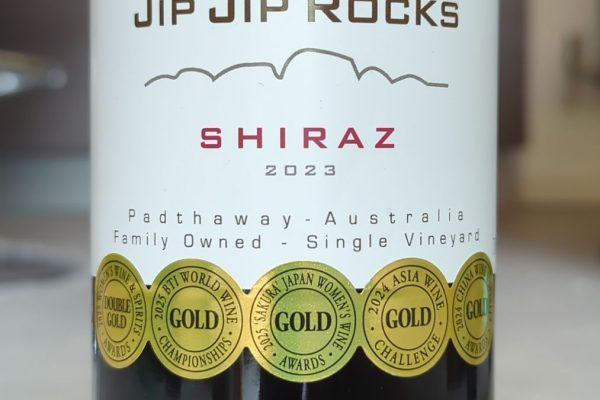
Jip Jip Rocks Shiraz
I first came across this wine at a Waitrose tasting and decided it deserved a closer look. As it turned out, only the 2023 vintage was available on the retail shelf rather than the 2024 vintage I had tasted at the press event. That made for an interesting comparison because, when this happens, the older vintage is often a shadow of its former self. This wine comes from Padthaway in Australia. Jip Jip Rocks is a striking pink-red rock formation around 350 million years old, surrounded by iron rich soils and regarded as sacred in Aboriginal beliefs. It is produced…
-
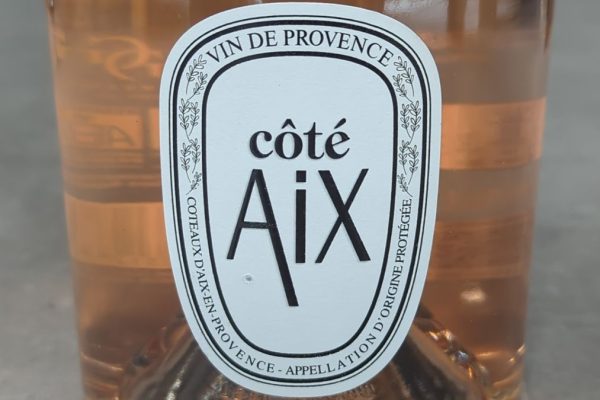
Maison Giambagli ‘Côté Aix’ Organic
This is a new wine at Majestic, one I picked out at their last press tasting. I wanted to try it again in a less rushed setting. From AOP Coteaux d’Aix-en-Provence in Provence, France, Côté Aix is a new brand exclusive to Majestic. It is supplied by Maison Giambagli, founded in 1925 and now guided by Bordeaux-trained oenologist Onur Yildizli. The blend is 60% Syrah and 40% Grenache. This is the 2025 vintage, at 12.5% ABV. It is a very pale salmon colour in the glass, with strawberry, redcurrant, pink grapefruit and white flowers coming through with the aroma. Red…
-
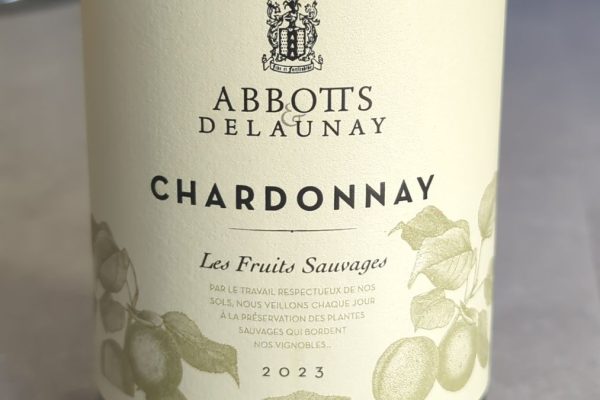
Abbotts & Delaunay ‘Les Fleurs Sauvages’ Chardonnay
Laurent Delaunay is a talented winemaker and fifth-generation Burgundy wine producer who moved to Languedoc-Roussillon. This wine is made by rising talent Jeanne Delaunay, the sixth generation of the family. Les Fruits Sauvages refers to the wild plants that grow along the edges of the vineyards. The grapes come from the foothills of the Cévennes, the Aude Valley, the Limoux region and the plains of the Hérault. This is the 2023 vintage, with an alcohol level of 13.5%. It is clearly popular on the Majestic website, where 100% of, many, reviewers said they would buy it again. It has a…
-
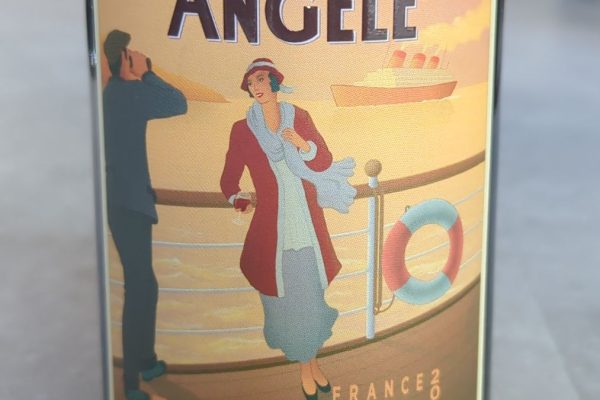
La Belle Angèle Pinot Noir
La Belle Angèle is out with a new 2024 vintage of Pinot Noir that I have reviewed previously. As a reminder, it is named after a celebrated muse of the Belle Époque, known for inspiring French Impressionist painters with her beauty and spirit. Its roots are in the Languedoc, with fruit from the sun-drenched plains near Béziers and Valras-Plage, as well as the higher ground of the Minervois. As before, you get red berries aromas from the glass, with cherries coming through and perhaps a little raspberry too. On tasting, it is a fruit-forward rather than savoury or oaked Pinot,…
-
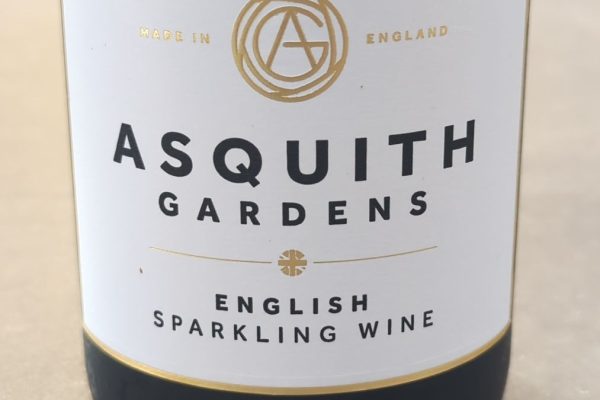
Asquith Gardens English Sparkling Wine
I have to admit that I have a general mistrust of English sparkling wine, and indeed Champagne, when sold by UK supermarkets. When I return to buy one I previously enjoyed at a press tasting, it is rarely as good as I remember and can sometimes be very poor. This is not limited to one supermarket. I have experienced it across several, particularly, for some reason, around Christmas. I suspect it has something to do with these wines being non-vintage, which I will come back to later. I purchased this one from Asda after picking it out at the Asda…
-
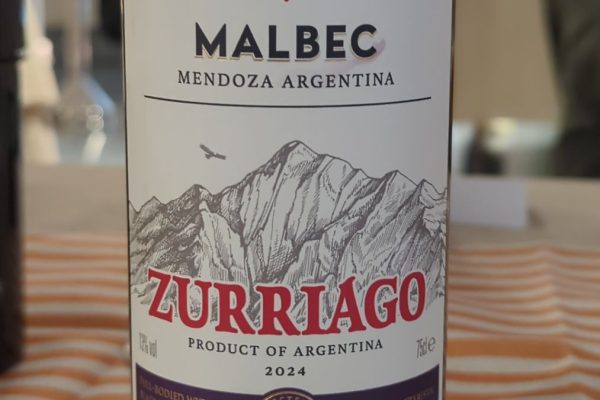
Zurriago Argentinian Malbec
Malbec is to reds what Pinot Grigio is to whites. There are too many average mass-market examples around, along with a handful of real stars, and this is one of the stars. I first tried it at the 2026 Sainsbury’s Spring/Summer press tasting, picked it out there, and was determined to investigate it properly afterwards. It comes from Bodega Argento, with Juan Pablo Murgia as head winemaker. He is from Mendoza, but travelled to build his experience in California, Bordeaux and Uruguay. Juan has also been recognised as a pioneer in Mendoza. Bodega Argento’s vineyards and wineries are certified under…
-
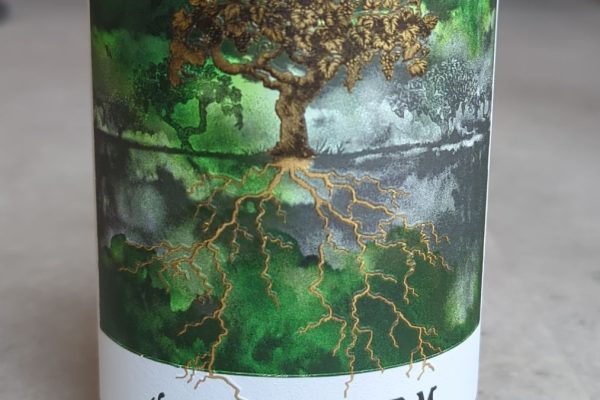
The Gathering Storm
The Gathering Storm was my top value wine from the Majestic Autumn Winter tasting and I wanted to take a deeper look. First, I previously, and wrongly, reported that it was non-vintage. It does have a vintage, and this is 2024. It is a 12% ABV blend of Verdejo, Chardonnay and Sauvignon Blanc. It is produced by the large Félix Solís Avantis group, well known for Viña Albali, Mucho Más, Castillo de Albai Reserva and The Guv’nor. The Gathering Storm takes its name from the idea that this wine challenges the norms. The front label has some incredible artwork. The…
-
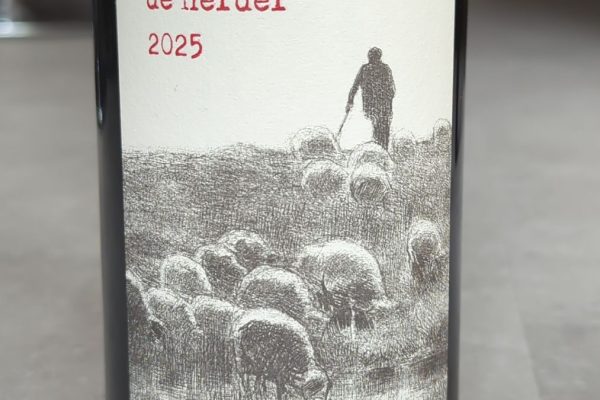
Kleinood ‘De Herder’ Rhône Blend
This is new to Majestic, and it brings a Southern Rhône-style, a style that has been championed across South Africa’s Swartland and Western Cape regions. These are small-batch bottles from a boutique estate in the Blaauwklippen Valley, with a story rooted in old pastoral tradition. De Herder means “the shepherd”, and the wine takes its inspiration from this ancient practice. The blend is Syrah 67%, Mourvèdre 29% and Cinsaut 4%, though there’s a subtle point of difference here. It uses Rhône Syrah clones rather than the traditional South African and Argentinean Shiraz clones more commonly planted in the Cape. This…
-
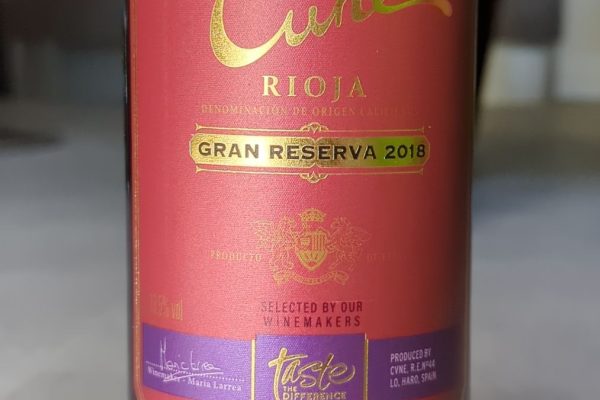
Sainsbury’s CVNE Rioja Gran Reserva
Sainsbury’s CVNE Rioja Gran Reserva was previously a favourite of mine and I have followed it over the years because it changes more than you might expect from vintage to vintage. I picked this 2018 vintage at the last Sainsbury’s Autumn press tasting and I wanted to try it again in a more relaxed setting. It is produced for Sainsbury’s by CVNE Winery, and it is distinct to the winery’s usual own-brand Rioja range, which is available at Sainsbury’s and other retailers. For this vintage the blend is 85% Tempranillo, 10% Graciano and 5% Mazuelo, although the ABV has dipped…
Pick Lists
Majestic | The Wine Society | Tesco | Waitrose | Sainsbury’s | Morrisons | Co-op | Asda | Lidl | £7 and Under | Over £20
Did You Know?
Australian wine exports to China have collapsed from around $1.2 billion to less than $10 million. More
Wine’s aroma is not determined solely by which flavour compounds it contains. More
Low-to-moderate wine consumption is associated with lower mortality. More
Moderate water stress can be part of what creates flavour and terroir expression. More
Wine appears less frequently online than other alcoholic drinks. More
Independent retailers had 9% fewer customers in March 2026 than two years earlier. More
Average spend per bottle in independents has risen by 23% since 2019, compared with 21% in supermarkets. More.
Nearly a third (32%) of UK consumers say they have already used AI for alcoholic drinks advice. More
Among socially active wine buyers, 37% have bought a wine recommended online. More
In 2026, 72% of consumers now think wine knowledge is essential to appreciation, up 20 percentage points on 2025. More
Rías Baixas wines reached more than 107 countries in 2025 and exports represented 31 per cent of the denomination’s total sales. More
Light Strike Can Cause Wine Degradation in Just One Day. More
People actively adjust their wine choices depending on who might see them. More
In the UK, 73% of Alcohol is Bought From Retail Rather Than Hospitality. More
UK wine production reached 124,377 hectolitres that year, meaning the UK accounted for roughly 0.05 per cent of world output. More
For Crémant, grapes must be harvested by hand and the wines must undergo at least nine months’ ageing before release. More
In 2024, the UK was the second-largest export market for Champagne globally, after the United States. More
Local UK bottling of wine represents about 40% of imported wine. More
Around 1% of people, typically severe asthmatics, have a sulphite sensitivity. More
A large 80% of Australian wine arrives in the UK in bulk. More
Only about 0.02% of Australia’s landmass is dedicated to vineyards. More
In 2024, New Zealand produced only 1% of the World’s wine. More
In 2024, the US imported 37% of World production of Pinot Grigio and the UK was is in second place at 27%. More
In 2024, the UK was South Africa’s largest export market, with 40% of total exports. More
In 2024, the United Kingdom imported 22.3 million bottles of Champagne, a decline of 12.7% compared to the previous year. More
Larger Champagne producers source grapes from as many as 80 different vineyards throughout Champagne. More
Champagne houses and growers collectively produce around 300 million bottles annually. More
In 2025, the Champagne region was home to about 2,124 Champagne houses and approximately 19,000 growers. More
Provence is one of the leaders in the conversion to organic viticulture, with 61% of vineyards certified. More
8% of the South Africa’s grape production is Fairtrade-certified. More
Up to 80% of wine aroma compounds come from grape skins. More
Glycerol is the third-largest component of most dry wines after water and alcohol which is why they so often feel ‘smooth’ or ‘silky’ in the mouth. More
Humans are more than 400 times more sensitive to bitter than sweet. More
Humans can detect the earthy molecule geosmin at about 100 parts per trillion and camels are so sensitive to it they can locate damp ground from roughly 50 miles away. More
During the phylloxera crisis of the nineteenth century, 90% of Europe’s vineyards were destroyed. More
In 2025, for La Vieille Ferme, also known as “The Chicken Wine”, sales surged by 49.4% to £110.8 million. More
In 2025, in the UK, Yellow Tail held the top position with sales, marking a 9.8% increase over the previous year. More
In 2024, the UK was the second-largest wine importer in volume and value. More
In 2024, the UK was the fifth-largest wine-consuming country globally. More
In 2025, global wine consumption continued its downward trend, estimated at 214.2 million hectolitres, the lowest since 1961. More
In 2025, online alcohol sales had a 20% increase in value over five years. More
In 2025, the number of UK vineyards rose to 1,104 and wineries to 238, with land under vine expanding to 4,841 hectares, a 510% increase since 2005. More
Moët Hennessy alone commands nearly 46.66% of the Champagne market, with the top three producers together holding about 61%, and the top five controlling over 72%. More
In 2024, the Champagne market was worth roughly €3.92 billion. More
In the marketing year 2023/24, white wine accounted for roughly 55% of Spain’s output, whereas red and rosé together made up about 45%. More
In the UK, 92% of wine is consumed within 48hrs of purchase. More
The majority of wines, 95%, use commercial rather than wild yeast. More
Between 0.5 and 10 litres of water, per litre of wine, are needed for cleaning during winemaking. More
Machine harvesting can achieve up to 100 tons of fruit per day vs 1 ton for a human. More
In Germany, 2025 was the smallest wine vintage since 2010. More
The majority of vineyards, 90% in 2019, are farmed with heavy chemical interventions. Only 6% are organic. More
90% of low and coastal areas in south Europe and California will no longer be able to produce good wine by the end of the century. More
IMAGE WALL
Tools
Recent




Tags
25% Off Wine Aldi Amarone Argentina Articles Asda Australia Austria Award Awards25 Bizarre Blog Books Bordeaux Bulk Bottling Cabernet Sauvignon Carménère Cava Champagne Chardonnay Chile Climate Change Coop Crémant Decanter Duty English Wine EPR Fairtrade Food France Germany Glossary Greece Health Hungary Italy IWSC Jeroboams Laithwaites Legislation Liberty Wines Lidl Low Alcohol M&S Majestic Malbec Merch Merlot Morrisons Natural Nero d'Avola News New Zealand Non-Alcoholic Ocado Old Vine Organic Past Tastings Pick List Pinotage Pinot Grigio Pinot Noir Port Portugal Primitivo Prosecco Research Reviews Ribera del Duero Riesling Rioja Ripasso Rose Sainsbury's Saperavi Sauvignon Blanc Shiraz Sicily South Africa Spain Sparkling Supermarkets Sustainable Tax Terroir Tesco The Wine Society Unrepresented USA Valpolicella Virgin Wines Waitrose Wanderlust Welsh Wine What to Buy Wine Art WineGB WIne Glasses Zinfandel