
Rose
-
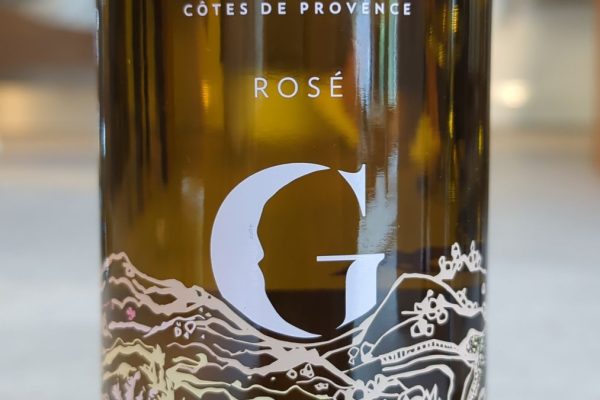
Maison Galoupet ‘G de Galoupet’ Organic Rosé
Maison Galoupet is a 300-year-old estate sitting along the Mediterranean coast in the Côtes de Provence. It holds prestigious Cru Classé status, a distinction awarded to only 18 producers in the region. In 2019, Moët Hennessy acquired the 160-hectare estate and put organic certification and sustainability at the heart of its operations. There is a strong focus on regional biodiversity too, with the estate home to five million bees and a queen bee breeding station run in partnership with the Observatoire Français d’Apidologie. G de Galoupet is a blend of 60% Grenache, 15% Cinsault, 10% Rolle, 10% Syrah and 5%…
-
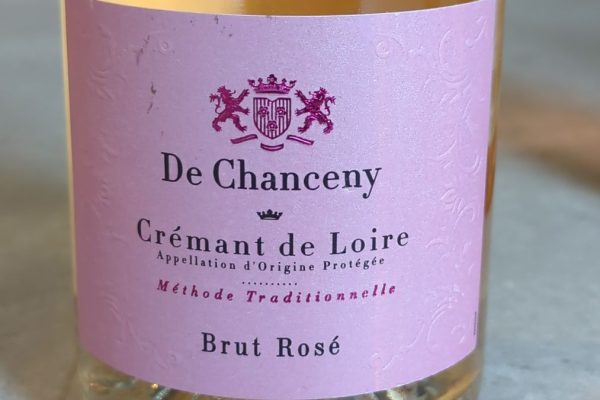
De Chanceny, Crémant de Loire Rosé
This is a non-vintage Crémant, from the vineyards located around the village of Brossay, in the southern part of the Saumur region. It is produced by Vignerons de Saumur and is a blend of 90% Cabernet Franc and 10% Grolleau, with an alcohol level of 11.5%. This wine is made using the traditional method, with a second fermentation in bottle, followed by ageing in tuffeau limestone cellars. Tuffeau is the distinctive white stone that was also used in the construction of many of the Loire’s famous castles. It picked up Silver at the 2022 Concours des Crémants, a Silver Medal…
-
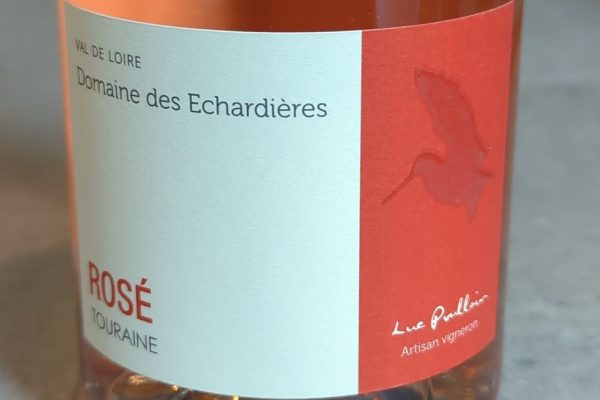
Domaine des Echardières Touraine Rosé
This wine comes from Domaine des Echardières in the Cher Valley, in France’s Loire region. It’s a lively blend of roughly equal quantities of Malbec, Cabernet Franc, Gamay and Grolleau, all bringing fragrance and juicy fruit, alongside a rare red grape, Pineau d’Aunis. This is the 2025 vintage, at 12.5% abv, and it has earned a very impressive 4.7 out of 5 on The Wine Society website. The colour is a delicate, almost luminous light pink. There’s a gentle floral character at first, quickly joined by fresh raspberry. Take a sip and it almost seems sweet for a moment, but…
-
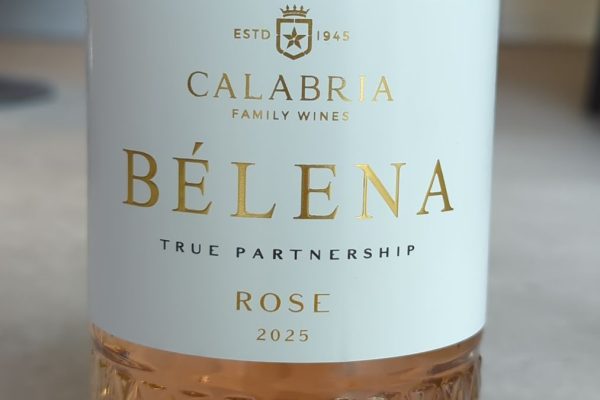
Calabria Bélena Rosé
Calabria Bélena Rosé comes from Calabria Family Wines, drawing fruit from NSW/South Australia. “True Partnership” appears on the label, and there is a family story behind it. The name Bélena pays respect to the second generation, Bill and Lena Calabria, combining “Bill” and “Lena”. It celebrates their partnership in guiding the family through difficult periods and building a future for the generations that followed. The family originally came from Italy and the business is now into its fourth generation. It began in 1945 with Francesco and Elisabetta, who courageously journeyed across the world to forge a new future for their…
-
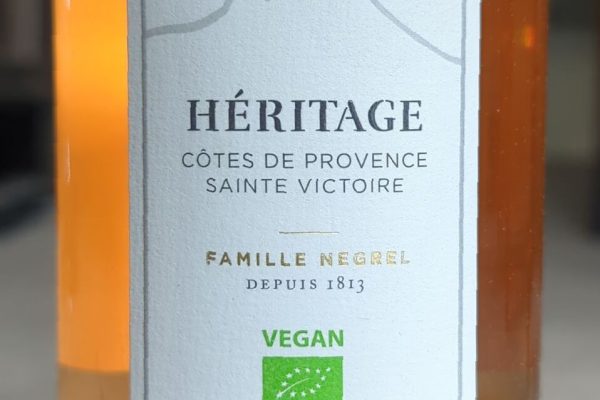
Heritage Côtes De Provence Rosé
Héritage Rosé from Famille Negrel comes from Côtes de Provence Sainte-Victoire. The producer is a little shy about revealing the exact blend, but it’s likely to be Grenache, Syrah and Cinsault. This is the 2024 vintage, vegan, with 12.5% abv, and it has an impressive 3.9 rating on Vivino. In the glass, it’s a very pale salmon. Strawberry, redcurrant, pink grapefruit and white flower aromas give it a bright, summery character. It’s dry, with delicate red fruit and citrus, brisk acidity and a light salinity. Medium to full in body, it has a particularly satisfying mouthfeel, and that extra sense…
-
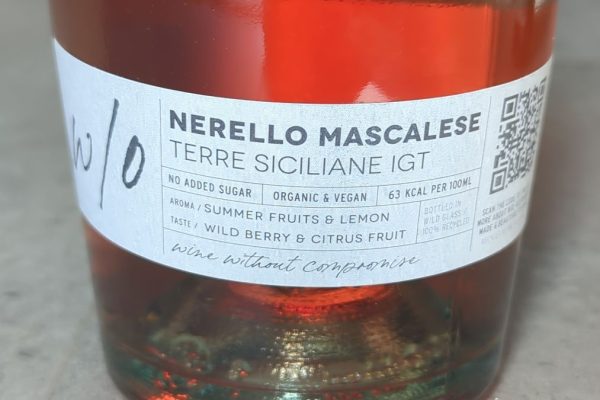
W/O Nerello Mascalese Rosato Spumante
W/O Nerello Mascalese Rosato Spumante is a new addition to the W/O range, a sparkling rosé from the 2025 vintage. This is wine made without (W/O) compromise, with sustainability placed front and centre. It comes in a 100% post-consumer recycled wild glass bottle, with no neck foil. It is made from organic Nerello Mascalese, a grape usually used for red wines. One of Sicily’s leading varieties, it is often compared with Pinot Noir and goes into some seriously impressive, and seriously pricey, Etna reds. At 10.5%, it is also lower in alcohol. In the glass, it has small bubbles and…
-
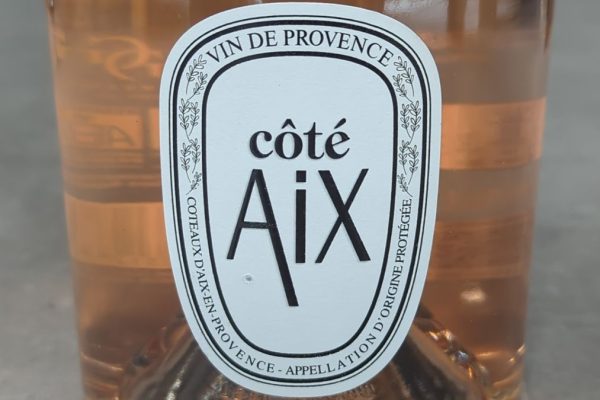
Maison Giambagli ‘Côté Aix’ Organic
This is a new wine at Majestic, one I picked out at their last press tasting. I wanted to try it again in a less rushed setting. From AOP Coteaux d’Aix-en-Provence in Provence, France, Côté Aix is a new brand exclusive to Majestic. It is supplied by Maison Giambagli, founded in 1925 and now guided by Bordeaux-trained oenologist Onur Yildizli. The blend is 60% Syrah and 40% Grenache. This is the 2025 vintage, at 12.5% ABV. It is a very pale salmon colour in the glass, with strawberry, redcurrant, pink grapefruit and white flowers coming through with the aroma. Red…
-
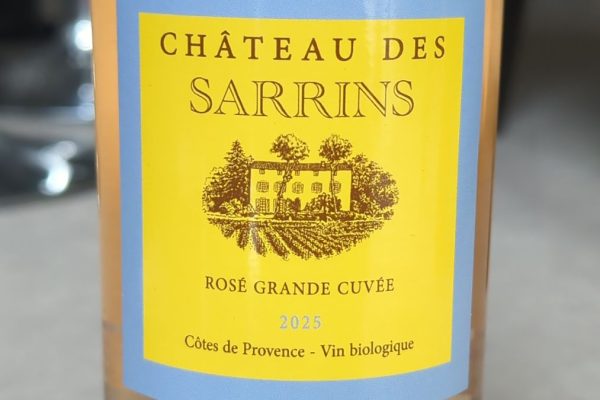
Château des Sarrins Rosé Grande Cuvée
Château des Sarrins Rosé Grande Cuvée, 2025 vintage, has just arrived in the UK, and I have been amongst the first to taste it. This is a Provence wine from the Saint-Antonin-du-Var region, with the famous Paillard Champagne family having acquired the domaine in 1995. It has been certified Organic Agriculture since 2011. The blend is Grenache 40%, Cinsault 20%, Mourvèdre 20%, Syrah 10% and Rolle 10%. It uses first pressing only, and the “Cuvée” in the name points to that choice, with only the purest juice drawn from the initial press of the grapes. It sits at 12.8% ABV.…
-
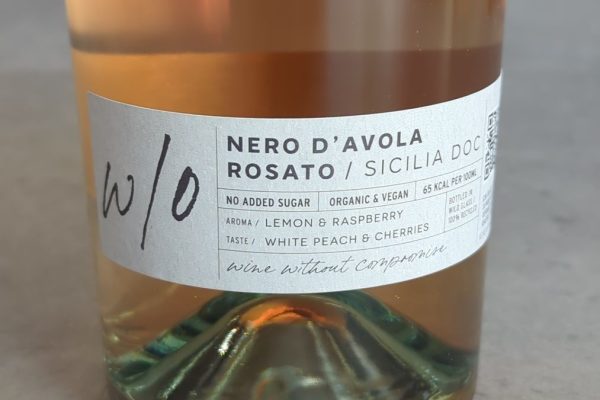
W/O Nero d’Avola Rosato
W/O Nero d’Avola Rosato is made around the idea of a wine made without (W/O) compromise, with sustainability placed front and centre. It comes from Sicilian winemaker Dino Taschetta and is bottled in 100% recycled ‘wild’ glass with no neck foil. The Nero d’Avola grapes are organic, grown in Marsala and Salemi, and the wine sits at 11.5%. It also has a high 4.1 rating on Vivino. In colour, it is light gold and much paler once poured into the glass. There is raspberry and citrus on the aroma, and it is strikingly expressive even when served cold. The fruit…
-
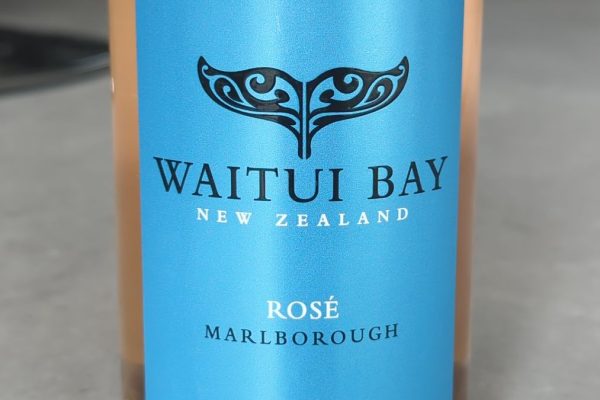
Waitui Bay Marlborough Rosé
Waitui Bay Marlborough Rosé is made by family-owned Marlborough Valley Wines and this is the 2025 vintage. It is a blend of Sauvignon Blanc and Malbec, with the Malbec bringing that Rosé colour. Through canopy management and site selection, they have achieved a lower alcohol level of 9.5% abv. It is worth saying upfront, this is not your typical Provence-style Rosé. Sauvignon Blanc Rosé can divide opinion. A Rosé tasting I gave in the past showed just how many people have come to expect Rosé to follow that pale, dry, Provence-inspired path. Personally, though, I enjoy Rosé wines that move…
-
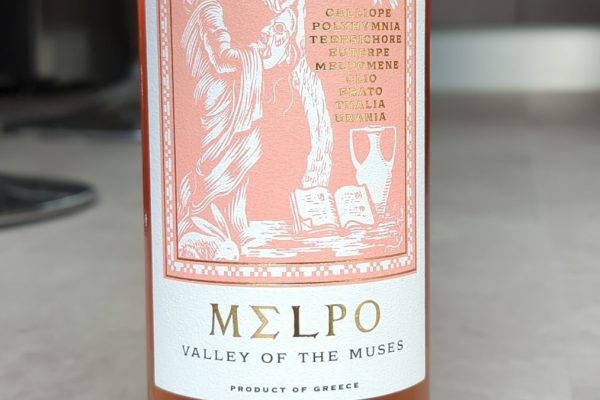
Melpo Valley of the Muses Rosé
This is a Rosé, 2024 vintage, from Mount Helicon near Athens in Greece, made from a blend of Syrah and the lemony freshness of Greece’s pink-skinned Roditis Alepou variety. It is a deep dark orange, which immediately sets it apart. At 12.5% abv, it feels nicely balanced rather than heavy. There are red fruit aromas, followed by a full strawberry taste and slight lemon that makes it instantly likeable. The texture is excellent, full-bodied for a rosé, soft and round, with a generosity you do not find in lighter Provence-style bottles. It seemed slightly sweet at first, but testing proved…
-
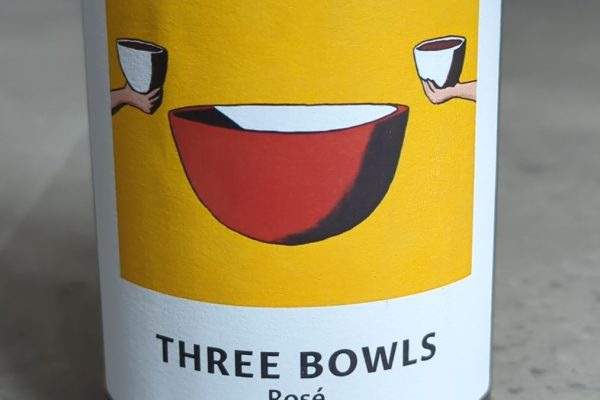
Three Bowls Rosé
This is the second of three reviews of the Three Bowls range of Greek wines. See the previous review of Three Bowls Xinomavro for the background on this new range. This one is 2024 vintage at 12.5%. It is 60% Xinomavro and 40% Assyrtiko, from vineyards in Naousa, Imathia, an interplay of these two landmark Greek varieties. In the glass it has a lovely pale gold colour. The aroma is expressive, with strong strawberry, tomato leaf and rose petal. On tasting, it is dry and savoury, red fruit to the fore, lively acidity and a very subtle tannic grip. Sweetness…
-
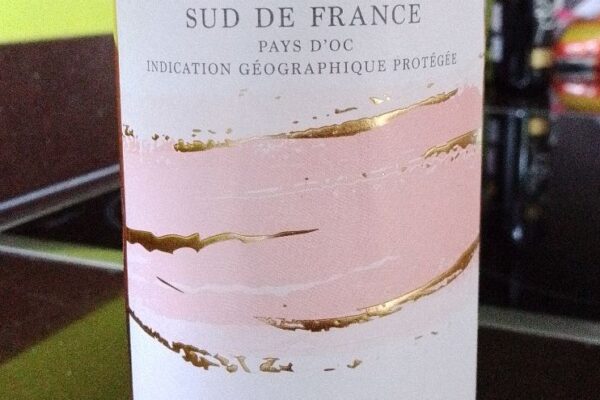
Pierre Jaurant Sud de France Rosé
This rosé comes from the Pays d’Oc region, a broad sweep of vineyards along the southern coast of France. Assuming it remains consistent with previous vintages, it’s made entirely from Grenache and sits at 12.5% ABV. Talking of vintages, unusually, no vintage is mentioned on the bottle. Rather than being bulk bottled, this wine is bottled in France. Previously recognised as Aldi UK’s ‘Nation’s Favourite’ wine in October 2024, it has clearly won favour with many. In the glass, it’s a delicate rose gold. The aroma leans generously into citrus and red fruit, giving a lively and appealing first impression.…
-
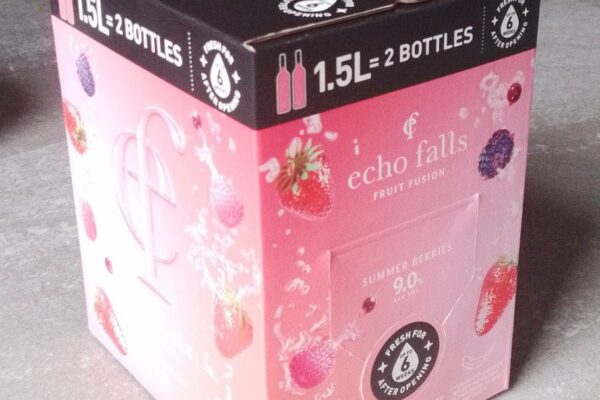
Echo Falls Summer Berries Fruit Fusion Box
Vinarchy, a wine company formed in 2025 from the merger of Accolade Wines and Pernod Ricard Winemakers, has released its Echo Falls Summer Berries Fruit Fusion in a new box format, tapping into the growing popularity of boxed wines in the UK, with sales reportedly up 35% year-on-year. This latest addition lands squarely in the middle of that trend, though what it actually is depends on how you approach it. Technically, yes, it’s a Rosé grape blend, but you won’t find that written on the packaging. The box simply describes it as an ‘Alcoholic Mixed Beverage’ and any traditional cues…
-
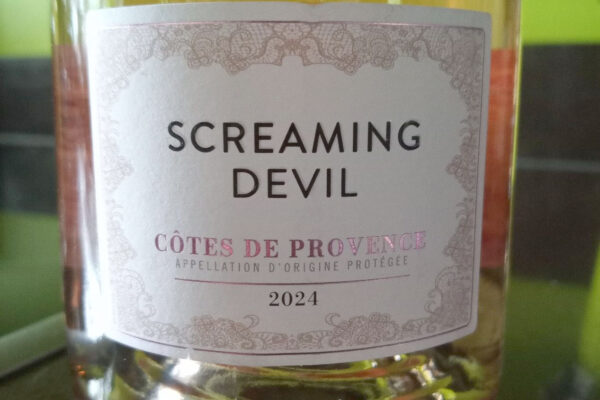
Screaming Devil Côtes de Provence Rosé
I’ve previously written about this wine, picking it out at Asda press tastings. The new 2024 vintage had a lot to live up to, so I was eager to see whether it matched the standard set by earlier years. For anyone unfamiliar, Screaming Devil is a tongue-in-cheek spin on Whispering Angel, a name that quickly caught attention, helped along by a sleek bottle design and a price tag that made it an instant favourite among fans of more premium rosé. At 12.5%, this ‘dupe’ is made from a blend of Grenache, Cinsault and Syrah grapes. It’s produced and bottled at…
-

Louis Couturier Crémant de Bordeaux Rosé
A sparkling Rosé from the heart of the Entre-deux-Mers, the stretch of land between the Dordogne and Garonne rivers. Dry in style and produced by Les Grands Chais de France, a large cooperative and négociant house known for its wide portfolio across Bordeaux and beyond, this wine comes in at 11.5% ABV. It is made predominantly from Merlot at 90% with a touch of Cabernet Franc making up the rest. Its quality has not gone unnoticed, earning a Bronze medal at the IWC 2025. It pours with a rose gold hue, throwing off a fine stream of small bubbles in…
-

Leyda Pinot Noir Rosé
This Pinot Noir rosé from Chile is made by the renowned Chilean winery Viña Leyda. It comes from Chile’s Valle de Leyda in the San Antonio Valley, part of the Aconcagua region. Viña Leyda is widely recognised and is the most awarded coastal winery in Chile. Its reputation is further bolstered by the achievements of its team, with viticulturist Tomas Rivera being named Best of the Year in Tim Atkin’s 2022 Chile report, two years after Viviana Navarette was selected as his Best Winemaker. This 2023 vintage sits at 12.5% ABV and is made entirely from Pinot Noir. The grapes…
-

Triennes Rosé
I came across this wine at a family gathering. There was nothing about the label to suggest it comes from Provence. The bottle itself doesn’t follow the visual cues you often see with Provençal rosé with no fancy lable or stylised bottle design. It’s modest, understated. The surprise is entirely in what’s inside. Only after the gathering, when curiosity led me to look into it, did I discover its true origin, from the heart of Provence. Triennes is a respected estate situated in the Var region to the east of Aix-en-Provence. It’s the result of a collaboration that began in…
-

Finest Sancerre Rosé
I wanted to try this as it recently won a Gold medal at the International Wine Challenge (IWC), which caught my attention since golds account for less than 1% of all medals awarded. It’s made from Pinot Noir grapes grown in Sancerre and bottled at the source in the Loire by Fournier Père et Fils, rather than being bulk bottled in the UK. This is the 2024 vintage, which comes in at 12.5% ABV. I noticed the lovely strong aroma of peach straight away. The wine is dry and fruity, with lovely flavours of stone fruit, strawberries and raspberries. On…
-
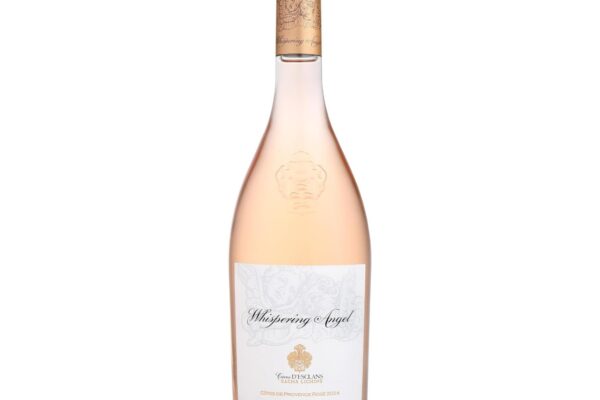
Whispering Angel Rosé Alternatives
Whispering Angel, the popular and premium rosé from Provence, has earned cult status thanks in part to celebrity endorsements, notably from Adele, and its subtle, dry flavour. It’s made from a blend of cinsault, grenache and vermentino grapes, offering pale colour and delicate notes of orange, red berries, herbs and spice. However, at up to £25 a bottle, it sits at the more expensive end of the rosé market. With that in mind, the Independent has wine experts and sommeliers share a range of excellent and more affordable alternatives. Many of these come from similar regions in southern France, especially…
Pick Lists
Majestic | The Wine Society | Tesco | Waitrose | Sainsbury’s | Morrisons | Co-op | Asda | Lidl | £7 and Under | Over £20
Did You Know?
Australian wine exports to China have collapsed from around $1.2 billion to less than $10 million. More
Wine’s aroma is not determined solely by which flavour compounds it contains. More
Low-to-moderate wine consumption is associated with lower mortality. More
Moderate water stress can be part of what creates flavour and terroir expression. More
Wine appears less frequently online than other alcoholic drinks. More
Independent retailers had 9% fewer customers in March 2026 than two years earlier. More
Average spend per bottle in independents has risen by 23% since 2019, compared with 21% in supermarkets. More.
Nearly a third (32%) of UK consumers say they have already used AI for alcoholic drinks advice. More
Among socially active wine buyers, 37% have bought a wine recommended online. More
In 2026, 72% of consumers now think wine knowledge is essential to appreciation, up 20 percentage points on 2025. More
Rías Baixas wines reached more than 107 countries in 2025 and exports represented 31 per cent of the denomination’s total sales. More
Light Strike Can Cause Wine Degradation in Just One Day. More
People actively adjust their wine choices depending on who might see them. More
In the UK, 73% of Alcohol is Bought From Retail Rather Than Hospitality. More
UK wine production reached 124,377 hectolitres that year, meaning the UK accounted for roughly 0.05 per cent of world output. More
For Crémant, grapes must be harvested by hand and the wines must undergo at least nine months’ ageing before release. More
In 2024, the UK was the second-largest export market for Champagne globally, after the United States. More
Local UK bottling of wine represents about 40% of imported wine. More
Around 1% of people, typically severe asthmatics, have a sulphite sensitivity. More
A large 80% of Australian wine arrives in the UK in bulk. More
Only about 0.02% of Australia’s landmass is dedicated to vineyards. More
In 2024, New Zealand produced only 1% of the World’s wine. More
In 2024, the US imported 37% of World production of Pinot Grigio and the UK was is in second place at 27%. More
In 2024, the UK was South Africa’s largest export market, with 40% of total exports. More
In 2024, the United Kingdom imported 22.3 million bottles of Champagne, a decline of 12.7% compared to the previous year. More
Larger Champagne producers source grapes from as many as 80 different vineyards throughout Champagne. More
Champagne houses and growers collectively produce around 300 million bottles annually. More
In 2025, the Champagne region was home to about 2,124 Champagne houses and approximately 19,000 growers. More
Provence is one of the leaders in the conversion to organic viticulture, with 61% of vineyards certified. More
8% of the South Africa’s grape production is Fairtrade-certified. More
Up to 80% of wine aroma compounds come from grape skins. More
Glycerol is the third-largest component of most dry wines after water and alcohol which is why they so often feel ‘smooth’ or ‘silky’ in the mouth. More
Humans are more than 400 times more sensitive to bitter than sweet. More
Humans can detect the earthy molecule geosmin at about 100 parts per trillion and camels are so sensitive to it they can locate damp ground from roughly 50 miles away. More
During the phylloxera crisis of the nineteenth century, 90% of Europe’s vineyards were destroyed. More
In 2025, for La Vieille Ferme, also known as “The Chicken Wine”, sales surged by 49.4% to £110.8 million. More
In 2025, in the UK, Yellow Tail held the top position with sales, marking a 9.8% increase over the previous year. More
In 2024, the UK was the second-largest wine importer in volume and value. More
In 2024, the UK was the fifth-largest wine-consuming country globally. More
In 2025, global wine consumption continued its downward trend, estimated at 214.2 million hectolitres, the lowest since 1961. More
In 2025, online alcohol sales had a 20% increase in value over five years. More
In 2025, the number of UK vineyards rose to 1,104 and wineries to 238, with land under vine expanding to 4,841 hectares, a 510% increase since 2005. More
Moët Hennessy alone commands nearly 46.66% of the Champagne market, with the top three producers together holding about 61%, and the top five controlling over 72%. More
In 2024, the Champagne market was worth roughly €3.92 billion. More
In the marketing year 2023/24, white wine accounted for roughly 55% of Spain’s output, whereas red and rosé together made up about 45%. More
In the UK, 92% of wine is consumed within 48hrs of purchase. More
The majority of wines, 95%, use commercial rather than wild yeast. More
Between 0.5 and 10 litres of water, per litre of wine, are needed for cleaning during winemaking. More
Machine harvesting can achieve up to 100 tons of fruit per day vs 1 ton for a human. More
In Germany, 2025 was the smallest wine vintage since 2010. More
The majority of vineyards, 90% in 2019, are farmed with heavy chemical interventions. Only 6% are organic. More
90% of low and coastal areas in south Europe and California will no longer be able to produce good wine by the end of the century. More
IMAGE WALL
Tools
Recent




Tags
25% Off Wine Aldi Amarone Argentina Articles Asda Australia Austria Award Awards25 Bizarre Blog Books Bordeaux Bulk Bottling Cabernet Sauvignon Carménère Cava Champagne Chardonnay Chile Climate Change Coop Crémant Decanter Duty English Wine EPR Fairtrade Food France Germany Glossary Greece Health Hungary Italy IWSC Jeroboams Laithwaites Legislation Liberty Wines Lidl Low Alcohol M&S Majestic Malbec Merch Merlot Morrisons Natural Nero d'Avola News New Zealand Non-Alcoholic Ocado Old Vine Organic Past Tastings Pick List Pinotage Pinot Grigio Pinot Noir Port Portugal Primitivo Prosecco Research Reviews Ribera del Duero Riesling Rioja Ripasso Rose Sainsbury's Saperavi Sauvignon Blanc Shiraz Sicily South Africa Spain Sparkling Supermarkets Sustainable Tax Terroir Tesco The Wine Society Unrepresented USA Valpolicella Virgin Wines Waitrose Wanderlust Welsh Wine What to Buy Wine Art WineGB WIne Glasses Zinfandel