Reviews
-
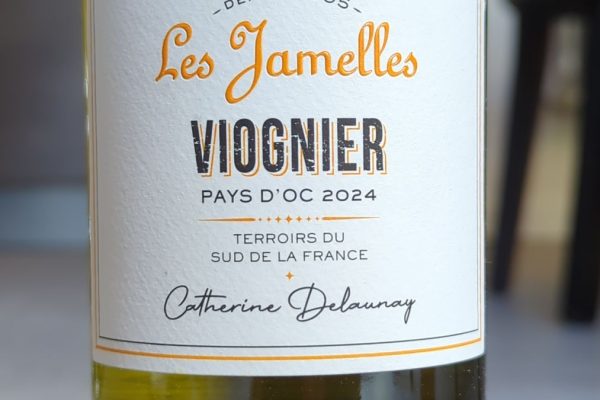
Les Jamelles Viognier
Les Jamelles Viognier is produced by Catherine and Laurent Delaunay. The brand was created in 1995 after the couple, both from Burgundian wine backgrounds, became fascinated by the Languedoc’s diversity of terroirs and grape varieties. The winery is based at Monze, in the Corbières area near Carcassonne. This is 100% Viognier, 12.5% alcohol, from the 2024 vintage. In the glass it has a bright yellow colour. Give it a little warmth before drinking, at least 20 minutes, as it really opens up once it is not too cold. There is an intense aroma of apricot and floral character, followed by…
-
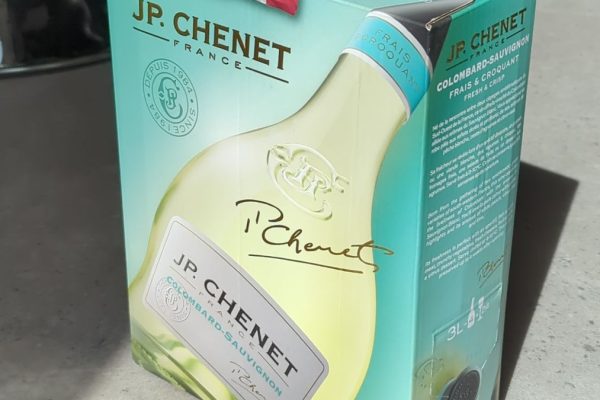
JP Chenet Colombard Sauvignon
JP Chenet Colombard Sauvignon comes from South-Western France, with a fairly gentle 11% alcohol, from the 2025 vintage. The 3l box is the equivalent of four bottles, in a fridge-friendly format. When it is properly cold, this is really citrusy, almost like a citrus wine, both in the aromatics and, even more so, in the taste. Give it a little time to warm up and it softens nicely, bringing in pear, a bit more sweetness, better length, and a slight tropical twist. It is medium sweet, and for me that means the first taste is great, bright, easy and very…
-
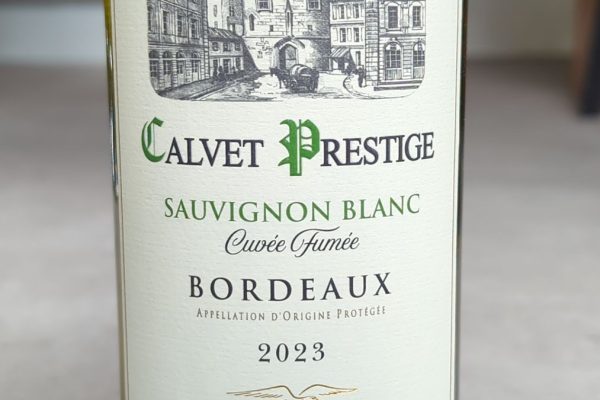
Calvet Prestige Sauvignon Blanc Cuvée Fumée
Calvet Prestige Sauvignon Blanc Cuvée Fumée comes from Bordeaux, and Calvet is part of the large Les Grands Chais de France (LGCF) group. The Prestige name was chosen in honour of the very select “Diplôme du Prestige de France”, awarded to Maison Calvet in 1958. Cuvée Fumée is the key phrase here. “Fumée” means “smoked” or “smoky” in French, so “Cuvée Fumée” on a wine label generally translates as a “smoky blend”, although the back label describes it as fresh and oaky. The 2023 vintage comes in at 12% ABV and is made from 100% Sauvignon Blanc. In the glass…
-
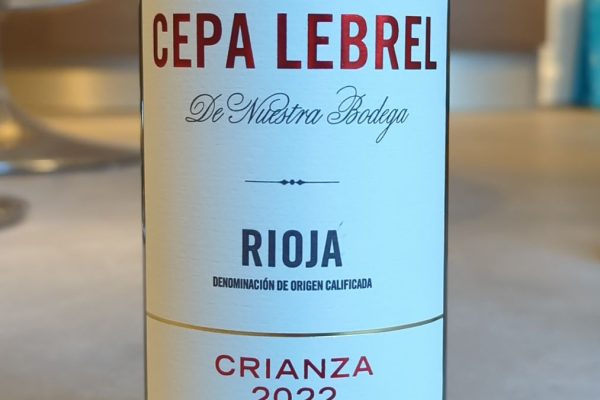
Cepa Lebrel Crianza
I first came across and recommended this wine at a Lidl press tasting and wanted to try it again in a less rushed setting. The striking thing at that time was how great it was for just £5.79. It is 100% Tempranillo, from the 2022 vintage, with a punchy 15% ABV. Cepa Lebrel is Lidl’s white label brand and the name is used across a range of producers. Even so, there is some real provenance here. The actual producer is Bodegas Isidro Milagro. A big part of the low price comes from the fact that the producer is owned by…
-
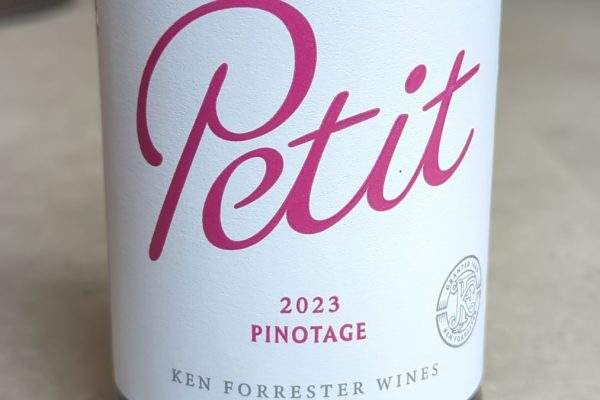
Petit Pinotage
This wine came to me by accident, it should have been Petit Cabernet Sauvignon, but here is the review anyway. It is from Ken Forrester Wines, right in the heart of Stellenbosch and this is the 2023 vintage. It comes in at a punchy 14%, yet still has an easy-drinking style, which explains the “Petit” in the name. In this case, “Petit” points to a lighter, fresher take on Pinotage, and that is also why it is unoaked. I would give this one 30 minutes to air before drinking. In the glass, it has a deep ruby-purple colour. On the…
-
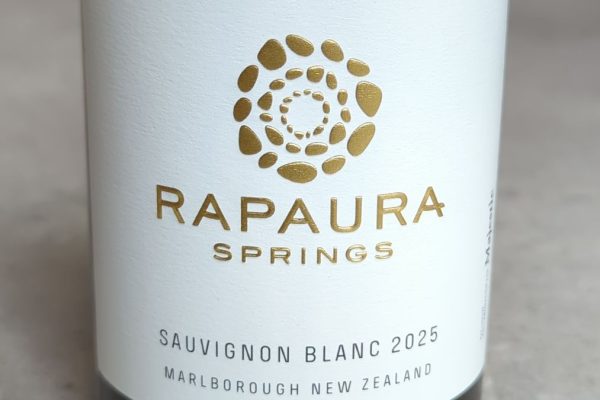
Rapaura Springs Sauvignon Blanc White Edition
Rapaura Springs Sauvignon Blanc White Edition is new and exclusive to Majestic, from one of Marlborough’s most awarded Sauvignon Blanc producers. The symbol on every Rapaura Springs label is a circle of rocks, representing the pure spring in the vineyard. The brand name and label are designed to express the estate’s connection to water flowing from the Southern Alps through underground aquifers into the Rapaura property. Having just tried the excellent Rapaura Springs ‘ROHE’ Sauvignon Blanc at the Majestic press tasting, I was curious to see how this one would compare. This one comes in at 13% ABV and is…
-
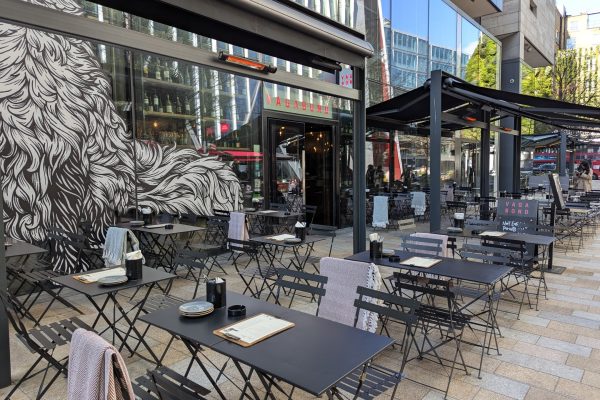
Vagabond London Victoria
In early April 2026, my wife and I visited Vagabond in London as part of a birthday celebration. This is more of a mini-review of the venue itself than of the individual wines. Vagabond, now owned by Majestic, is a chain of wine bars offering more than 100 self-serve wines by the glass. The system is simple: you choose your serving size, either a small 25ml sample or a full glass, tap your credit card and press again to pour. We went to the London Victoria branch at lunchtime and were impressed by the wine selection. One of the best…
-
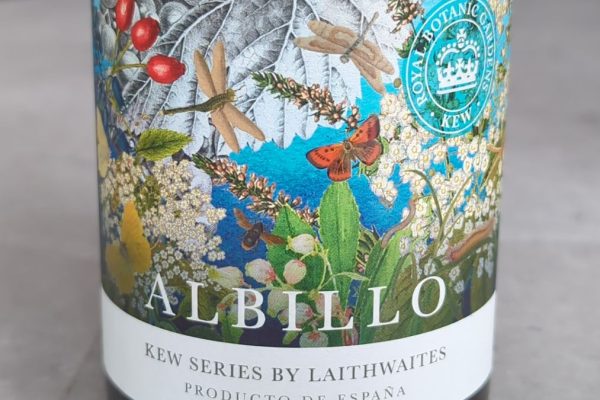
Kew Gardens Albillo
Kew Gardens Albillo is by Raices Albillo from Spain’s Castilla y Leon wine region, made from the rare Albillo grape, often referred to as white Tempranillo. This is the 2024 vintage, sitting at 12.3%. In the glass it has a very light colour, almost clear. The aroma brings ripe pear and a floral lift, vibrant and bright, much like the bottle label itself. On the way through there is a strong pear character, with a slight Muscadet-like leesy feel at the centre from six months of lees ageing, then a zesty lime citrus finish with a touch of salinity. It…
-
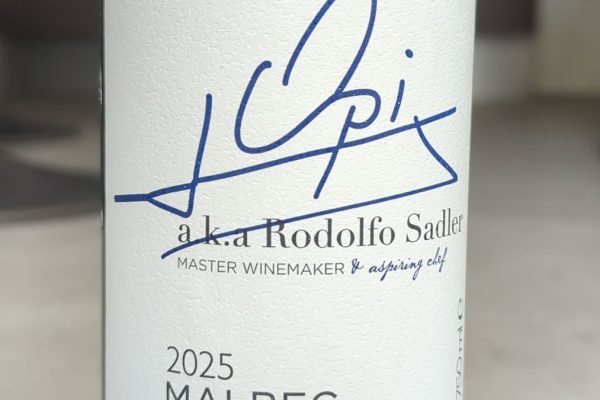
Opi Malbec
Opi Malbec comes from Mendoza and was named ‘Best Malbec of Argentina’ on its debut vintage in 2008. It is made by Opi Sadler, ‘The Malbec Magician’, as his fellow Argentine winemakers call him. In U.S. direct-wine channels, the same line is often sold as J Opi Malbec. It is 100% Malbec, with brief oak ageing, from the 2025 vintage and sits at 12.5% abv. In the glass, the colour is a deep purple. The aroma brings black plum, blackberry, violets, oak, a slightly smoky edge and a touch of treacle toffee. On the taste, you get dark fruit, smoke…
-
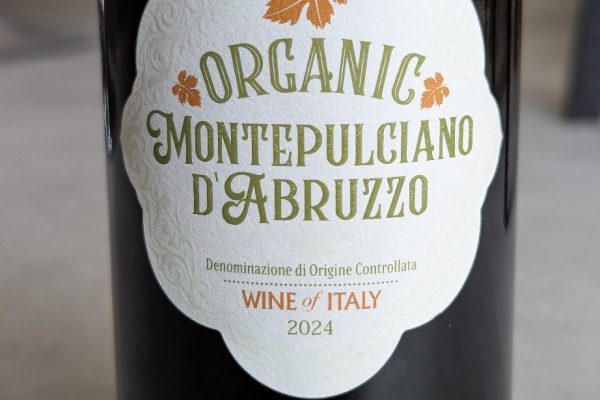
The Best Organic Montepulciano d’Abruzzo
This has been a long-time favourite of mine. At the last Morrisons press tasting, I found that the 2024 vintage was even better than usual and it ended up being my favourite red of the whole tasting. More recently, I had to try it again when I saw it on offer, just to check it was still as good as it had seemed at the tasting. It is made by Citra Vini from 100% Montepulciano grapes. Citra Vini is the largest wine-growing cooperative in Abruzzo, made up of around 5,000 family-run vineyards. The cooperative has also ranked among the world’s…
-
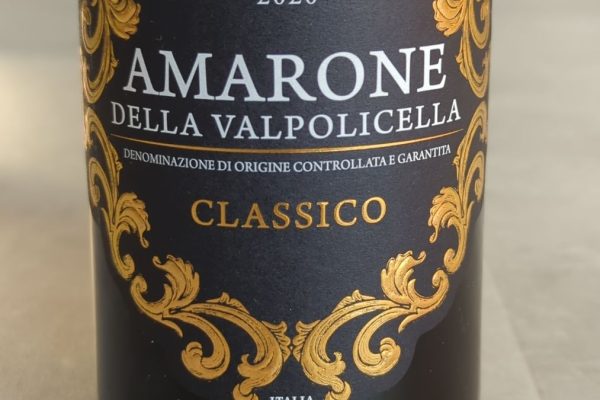
Lidl Amarone della Valpolicella Classico
I came across this 2020 vintage Amarone at a Lidl press tasting, where I thought it was the best wine on show, clearly better than the previous 2019 vintage and easily the best supermarket Amarone I have come across so far. Since then, I had been keeping an eye out for it to appear in store, as it only seemed to be the earlier 2019 vintage that was actually on the shelves. I finally managed to find a bottle in a different store from the one I usually visit and it is every bit as excellent as I remembered. At…
-
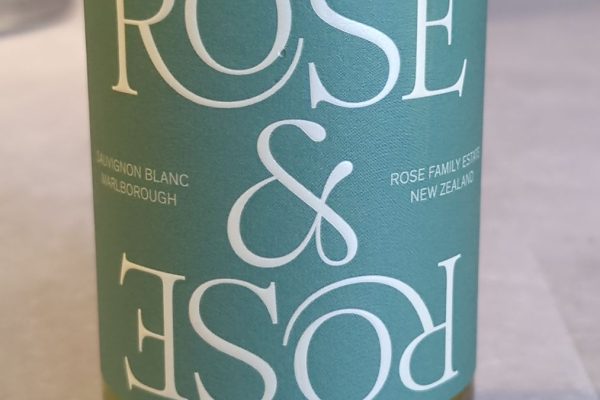
Rose & Rose Sauvignon Blanc
I first came across this wine at a Majestic press tasting and thought it was one of the best bottles on show. I had to try it again to see what it was like outside a line-up of 120 wines, how it changed with temperature and whether it would still impress. It comes from Marlborough’s Wairau Valley. Back in 1978, the Rose family became the first to grow grapes in what is now known as the Golden Mile, after winning approval to plant in a region where it had previously not been permitted and where there had been strong opposition.…
-
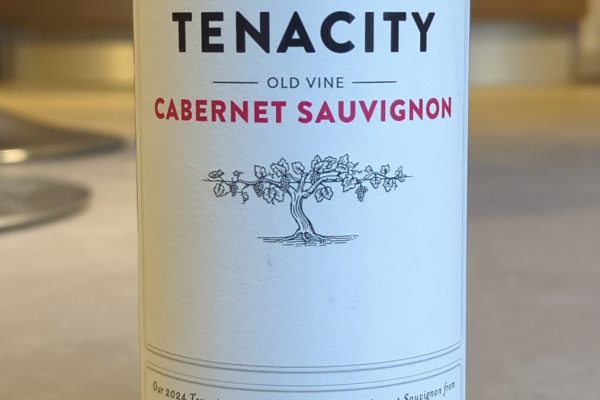
‘Tenacity Old Vine’ Cabernet Sauvignon
Two Hands ‘Tenacity Old Vine’ Cabernet Sauvignon comes from old vines in McLaren Vale and Barossa Valley, Australia. This is the 2024 vintage, produced by Two Hands, with the aim of making wines that feel softer and more approachable. The name Tenacity reflects the determination and perseverance of old vines that have become such an enduring part of the Australian landscape. A good tip here is to let it breathe for at least half an hour. In the glass, you get blackcurrant, bay leaf, cedar and leather aromas. On the taste, it leans into fruity black cherry. It is dry,…
-
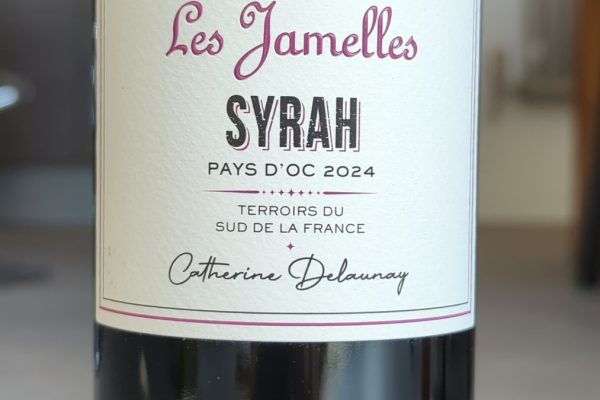
Les Jamelles Syrah
Les Jamelles Syrah is a 2024 vintage from the Languedoc region in the South of France, made by winemaker Catherine Delaunay. It is 100% Syrah. The majority of the wine is made using a traditional South of France method known as “la cocotte”, or the casserole. At the end of alcoholic fermentation, the pomace, skins, seeds and solids are fully submerged. This gives a slow, gentle extraction of tannins and colour pigments, helping to create reds with deeper colour and a softer texture. A portion of the wine is also oak aged. It comes in at 13.5% abv. In the…
-
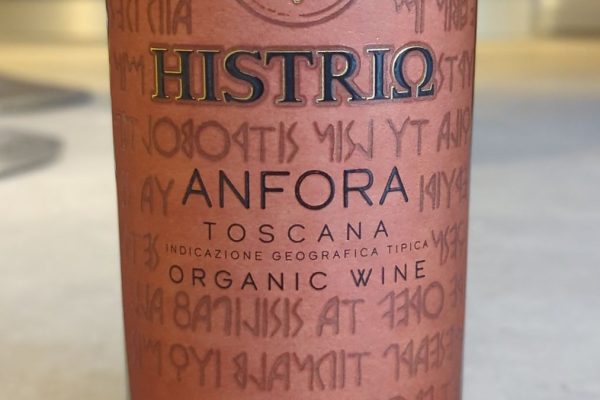
Piccini ‘Histrio’ Anfora Toscana Rosso
‘Histrio’ Anfora Toscana Rosso, by Piccini, is a blend of Sangiovese and Malvasia Nera, given 12 weeks maturing in special clay amphorae, which is where the name comes from. As a bit of context, clay is slightly porous, so tiny amounts of oxygen work their way in over time. It behaves a little like oak in that sense, but without bringing any woody character along with it. What you get instead is softer tannins, a rounder feel in the mouth and less of that hard edge as the wine settles. This is the 2022 vintage, sitting at 13% ABV. The…
-
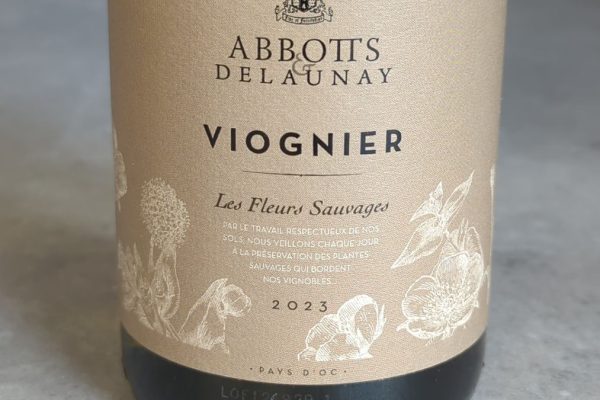
Abbotts & Delaunay ‘Les Fleurs Sauvages’ Viognier
Abbotts & Delaunay ‘Les Fleurs Sauvages’ Viognier comes from Pays d’Oc in southern France, specifically the Hérault and the Aude Valley in the south of the Minervois. It takes its name from the wild plants, fleurs sauvages, that grow along the edges of the vines. This is 100% Viognier from the 2023 vintage, with 13.5% abv and it spends a few months ageing on the lees. In the glass, it has a light lemon-gold colour. The aroma brings apricot, peach, honeysuckle and ginger. On the taste, there is a strong stone fruit character, with a slightly oily texture that comes…
-
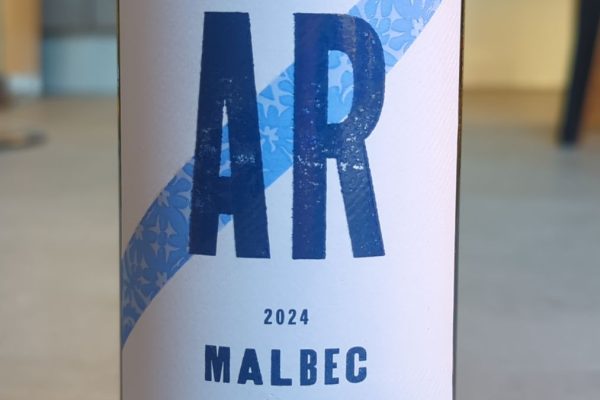
Graffigna AR Malbec
AR Malbec comes from Argentina and from Graffigna, one of the country’s oldest and pioneering wineries, in fact the third-oldest winery in Argentina. The vineyards sit in both San Juan and Mendoza and this particular wine was developed exclusively for the UK market. It is the 2024 vintage, comes in at 12.5% ABV, and 20% of the wine was aged in contact with oak for three months. In the glass it has a slight purple colour. The aroma brings black plum, violets and a gentle touch of spice. On the taste, dark cherry and cocoa come through. It sits on…
-
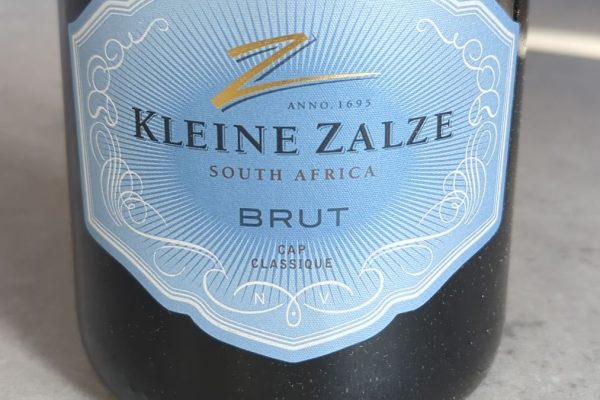
Kleine Zalze Cap Classique Brut
This wine from Stellenbosch, Western Cape, South Africa, is a traditional method sparkling wine. It’s made using Chardonnay and Pinot Noir grapes and sits at 12% ABV. In the glass it has a pale salmon colour with loads of lively, fine beads that keep on coming. Aroma wise it gives off fresh apple and citrus, with a gentle biscuit nuance. It’s dry on taste, apple and citrus upfront, then that richer depth kicks in with bright, high acidity keeping everything fresh. The finish is long, the sort that makes you want another sip before you’ve even put the glass down.…
-
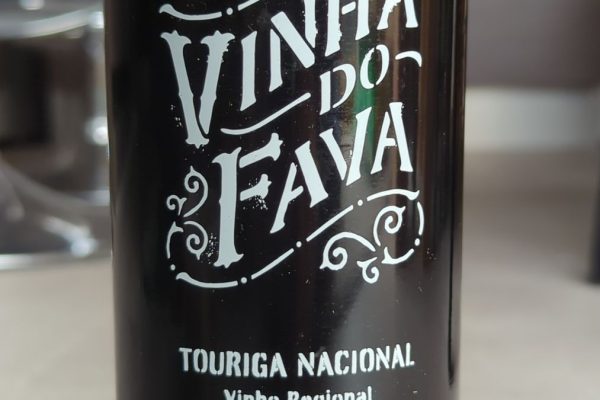
Vinha do Fava Touriga Nacional
Vinha do Fava Touriga Nacional comes from Casa Ermelinda Freitas, a producer going back to 1920. It is from Portugal’s Península de Setúbal and the estate has been run by three generations of women. Casa Ermelinda Freitas is also one of the biggest producers in Portugal. The estate bought this vineyard from Senhor Fava, one of their long-standing top growers, when he retired. The wine was then named Vinha do Fava in his honour. This wine has picked up 29 Gold medals across five vintages and was named Best Portuguese Wine by The Independent. It also carries a strong 4.1…
-
Enclos de la Clarière
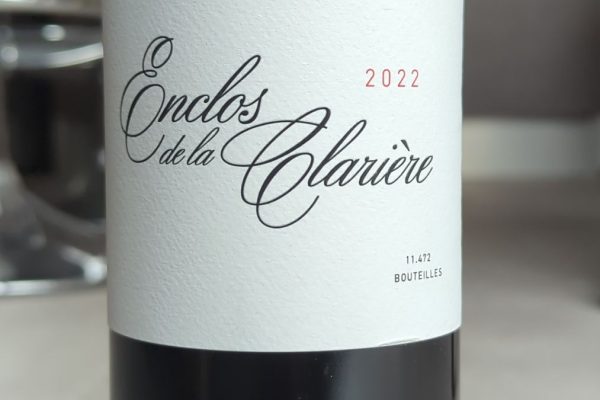
Enclos de la Clarière comes from the Castillon side of the Saint-Émilion border. “Enclos” in the name points to a distinct, enclosed single vineyard parcel, and this wine comes from one such site, just six metres from some of Saint-Émilion’s most expensive Grands Crus Classés. Tony Laithwaite’s long connection with Castillon led him to buy the estate from his mentor, Jean Cassin, with the aim of showing that Castillon’s limestone terroir could stand shoulder to shoulder with neighbouring Saint-Émilion. This is the 2022 vintage, made from 100% Merlot, with a year of ageing in a mix of new and seasoned…
Pick Lists
Majestic | The Wine Society | Tesco | Waitrose | Sainsbury’s | Morrisons | Co-op | Asda | Lidl | £7 and Under | Over £20
Did You Know?
Australian wine exports to China have collapsed from around $1.2 billion to less than $10 million. More
Wine’s aroma is not determined solely by which flavour compounds it contains. More
Low-to-moderate wine consumption is associated with lower mortality. More
Moderate water stress can be part of what creates flavour and terroir expression. More
Wine appears less frequently online than other alcoholic drinks. More
Independent retailers had 9% fewer customers in March 2026 than two years earlier. More
Average spend per bottle in independents has risen by 23% since 2019, compared with 21% in supermarkets. More.
Nearly a third (32%) of UK consumers say they have already used AI for alcoholic drinks advice. More
Among socially active wine buyers, 37% have bought a wine recommended online. More
In 2026, 72% of consumers now think wine knowledge is essential to appreciation, up 20 percentage points on 2025. More
Rías Baixas wines reached more than 107 countries in 2025 and exports represented 31 per cent of the denomination’s total sales. More
Light Strike Can Cause Wine Degradation in Just One Day. More
People actively adjust their wine choices depending on who might see them. More
In the UK, 73% of Alcohol is Bought From Retail Rather Than Hospitality. More
UK wine production reached 124,377 hectolitres that year, meaning the UK accounted for roughly 0.05 per cent of world output. More
For Crémant, grapes must be harvested by hand and the wines must undergo at least nine months’ ageing before release. More
In 2024, the UK was the second-largest export market for Champagne globally, after the United States. More
Local UK bottling of wine represents about 40% of imported wine. More
Around 1% of people, typically severe asthmatics, have a sulphite sensitivity. More
A large 80% of Australian wine arrives in the UK in bulk. More
Only about 0.02% of Australia’s landmass is dedicated to vineyards. More
In 2024, New Zealand produced only 1% of the World’s wine. More
In 2024, the US imported 37% of World production of Pinot Grigio and the UK was is in second place at 27%. More
In 2024, the UK was South Africa’s largest export market, with 40% of total exports. More
In 2024, the United Kingdom imported 22.3 million bottles of Champagne, a decline of 12.7% compared to the previous year. More
Larger Champagne producers source grapes from as many as 80 different vineyards throughout Champagne. More
Champagne houses and growers collectively produce around 300 million bottles annually. More
In 2025, the Champagne region was home to about 2,124 Champagne houses and approximately 19,000 growers. More
Provence is one of the leaders in the conversion to organic viticulture, with 61% of vineyards certified. More
8% of the South Africa’s grape production is Fairtrade-certified. More
Up to 80% of wine aroma compounds come from grape skins. More
Glycerol is the third-largest component of most dry wines after water and alcohol which is why they so often feel ‘smooth’ or ‘silky’ in the mouth. More
Humans are more than 400 times more sensitive to bitter than sweet. More
Humans can detect the earthy molecule geosmin at about 100 parts per trillion and camels are so sensitive to it they can locate damp ground from roughly 50 miles away. More
During the phylloxera crisis of the nineteenth century, 90% of Europe’s vineyards were destroyed. More
In 2025, for La Vieille Ferme, also known as “The Chicken Wine”, sales surged by 49.4% to £110.8 million. More
In 2025, in the UK, Yellow Tail held the top position with sales, marking a 9.8% increase over the previous year. More
In 2024, the UK was the second-largest wine importer in volume and value. More
In 2024, the UK was the fifth-largest wine-consuming country globally. More
In 2025, global wine consumption continued its downward trend, estimated at 214.2 million hectolitres, the lowest since 1961. More
In 2025, online alcohol sales had a 20% increase in value over five years. More
In 2025, the number of UK vineyards rose to 1,104 and wineries to 238, with land under vine expanding to 4,841 hectares, a 510% increase since 2005. More
Moët Hennessy alone commands nearly 46.66% of the Champagne market, with the top three producers together holding about 61%, and the top five controlling over 72%. More
In 2024, the Champagne market was worth roughly €3.92 billion. More
In the marketing year 2023/24, white wine accounted for roughly 55% of Spain’s output, whereas red and rosé together made up about 45%. More
In the UK, 92% of wine is consumed within 48hrs of purchase. More
The majority of wines, 95%, use commercial rather than wild yeast. More
Between 0.5 and 10 litres of water, per litre of wine, are needed for cleaning during winemaking. More
Machine harvesting can achieve up to 100 tons of fruit per day vs 1 ton for a human. More
In Germany, 2025 was the smallest wine vintage since 2010. More
The majority of vineyards, 90% in 2019, are farmed with heavy chemical interventions. Only 6% are organic. More
90% of low and coastal areas in south Europe and California will no longer be able to produce good wine by the end of the century. More
IMAGE WALL
Tools
Recent



Tags
25% Off Wine Aldi Amarone Argentina Articles Asda Australia Austria Award Awards25 Bizarre Blog Books Bordeaux Bulk Bottling Cabernet Sauvignon Carménère Cava Champagne Chardonnay Chile Climate Change Coop Crémant Decanter Duty English Wine EPR Fairtrade Food France Germany Glossary Greece Health Hungary Italy IWSC Jeroboams Laithwaites Legislation Liberty Wines Lidl Low Alcohol M&S Majestic Malbec Merch Merlot Morrisons Natural Nero d'Avola News New Zealand Non-Alcoholic Ocado Old Vine Organic Past Tastings Pick List Pinotage Pinot Grigio Pinot Noir Port Portugal Primitivo Prosecco Research Reviews Ribera del Duero Riesling Rioja Ripasso Rose Sainsbury's Saperavi Sauvignon Blanc Shiraz Sicily South Africa Spain Sparkling Supermarkets Sustainable Tax Terroir Tesco The Wine Society Unrepresented USA Valpolicella Virgin Wines Waitrose Wanderlust Welsh Wine What to Buy Wine Art WineGB WIne Glasses Zinfandel