
Portugal
-
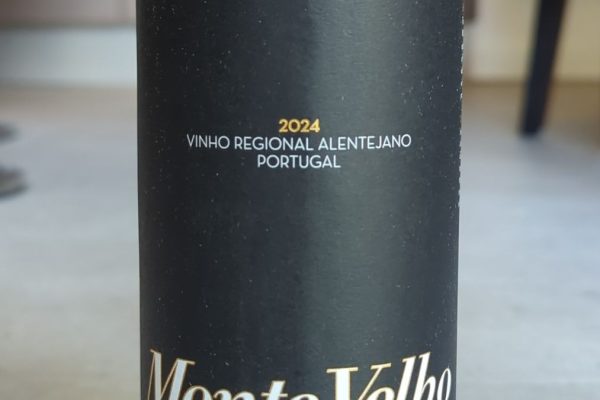
Esporão Monte Velho Red
Esporão is a producer I’ve liked for a long time, particularly for its Reserva. A few of their newer, more approachable wines have appeared in supermarkets very recently and I’ve been less impressed with those, so I was interested to try Monte Velho Red. It is again aimed at being an accessible, everyday wine, but it is available through more premium retailers. It comes from Portugal’s Alentejo wine region and was first released in 1992 as a more accessible, everyday expression inspired by Esporão Reserva. The blend changes somewhat with each vintage. There’s lots of information on the back label,…
-
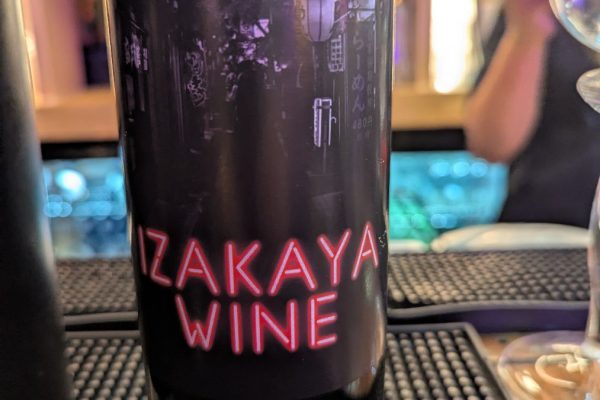
Izakaya Red
Last week I was in London and ate at Maki & Ramen in Soho. I’m becoming increasingly sceptical about ordering wine when eating out, partly because I’ve been disappointed too many times, and partly because some of the mark-ups are eye-watering. This time, though, I tentatively ordered the Izakaya Red from Portugal, described on the drinks list as “Specially made to compliment Japanese Cuisine”. It turned out to be a bit of a good surprise. The wine is Vinho Tinto by Caves Campelo in Portugal. The back label goes even further, declaring it “The Ultimate Wine for Asia Cuisine”. It…
-
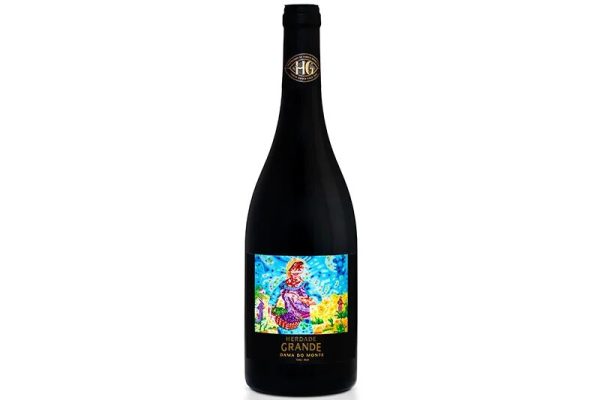
Tim Atkin’s Portuguese Value Wines of the Year
Beth Willard has written Tim Atkin MW’s first Special Report on Portugal, based on 15 days of travel and tastings across seven Portuguese wine regions. The report covers 672 wines from 91 producers, with 302 wines scoring 93 points or more, underlining the current strength and depth of Portuguese wine. It also recognises leading figures and projects, naming Luís Duarte as Legend of the Year, António Maçanita as Winemaker of the Year, Luís Pedro Cândido da Silva as Young Winemaker of the Year, Filipa Pato as Grower of the Year and Adega de Borba as Cooperative of the Year. The…
-
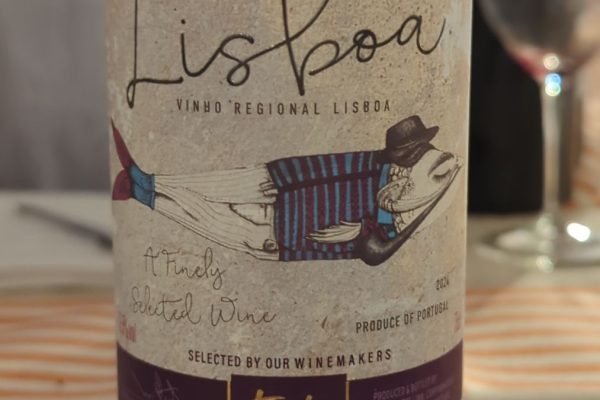
Taste the Difference Portuguese Lisboa
This wine first caught my eye at a recent Sainsbury’s press tasting, where I picked it out from the line-up and immediately felt it deserved a proper revisit. I went back to it to discover more. It is made by Casa Santos Lima, based at Quinta da Boavista, Alenquer, around 45 km from Lisbon. The blend brings together Syrah, Castelão, Touriga Nacional, Alicante Bouschet and Tinta Barroca and I suspect it may be the same wine as their well-regarded own-brand “Blend Portugal”. This is the 2024 vintage, with 12.5% ABV. Vanilla aroma comes through first, followed by red fruit, vanilla…
-
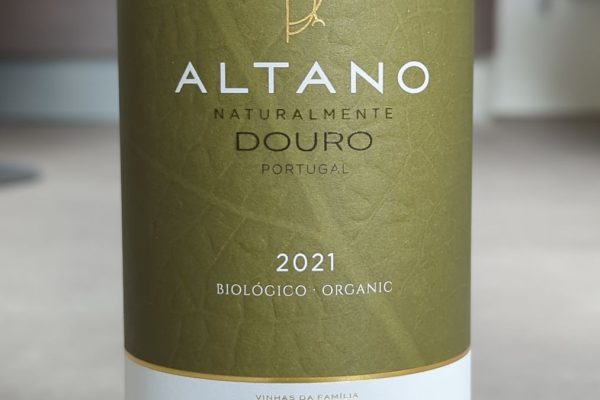
Altano Tinto
Altano Tinto comes from Portugal, made by Symington Family Estates, in the Douro, a producer I’ve actually visited, though I didn’t get to try this particular wine at the time. Symington is a big Douro name, best known for its Port houses, including Graham’s, Dow’s, Warre’s and Cockburn’s. Altano red arrived in 1999 as part of the family’s move into modern Douro DOC table wines, bringing a fresher, more contemporary side to a region. It’s made from Touriga Nacional, Touriga Franca and Alicante Bouschet, with light oak. The green label is a handy clue too, this wine is Certified Organic.…
-
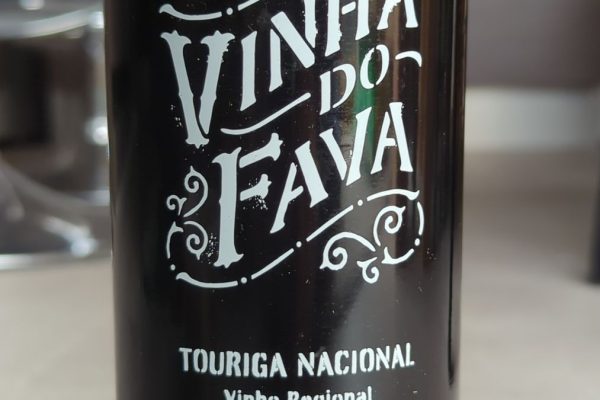
Vinha do Fava Touriga Nacional
Vinha do Fava Touriga Nacional comes from Casa Ermelinda Freitas, a producer going back to 1920. It is from Portugal’s Península de Setúbal and the estate has been run by three generations of women. Casa Ermelinda Freitas is also one of the biggest producers in Portugal. The estate bought this vineyard from Senhor Fava, one of their long-standing top growers, when he retired. The wine was then named Vinha do Fava in his honour. This wine has picked up 29 Gold medals across five vintages and was named Best Portuguese Wine by The Independent. It also carries a strong 4.1…
-
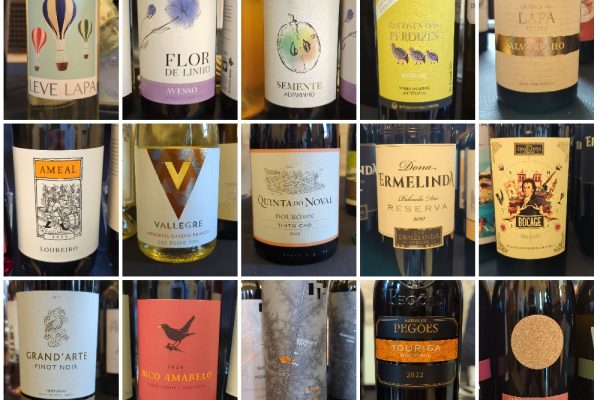
Wines of Portugal’s Grand Trade & Press Tasting
In February 2026 I was invited to Wines of Portugal’s Grand Trade & Press Tasting in London, a wide-ranging snapshot of what’s happening across Portuguese wine right now. There were 59 producers and more than 570 wines, representing 11 different wine regions. Most wines were poured by the producers themselves, which made it easy to get context and detail alongside the tasting, though there was also a Free Pour Area. That section was organised around three themes: low alcohol wines, single-varietal expressions from some of Portugal’s lesser-known indigenous grapes and Portugal’s Sustainable Wine Growing Certification. I also attended a masterclass…
-
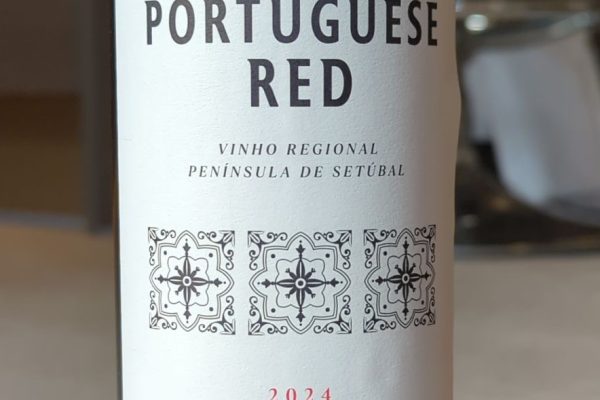
The Society’s Portuguese Red
The Society’s Portuguese Red, from Península de Setúbal in Portugal, south-east of Lisbon, is made by the family-owned Casa Ermelinda Freitas. This winery has been in operation since 1920 and remains under the guidance of successive generations of dynamic women. Their wines have impressed me previously, especially those made with the Touriga Nacional grape, but this bottle offers something different. Here, Castelão takes the lead, supported by a touch of Alicante Bouschet. Castelão, also known locally as Periquita or João de Santarém, is occasionally used in Port production, while Alicante Bouschet is often blended in to deepen the colour. This…
-

Reguengos Reserva
Brought back from a recent holiday in Portugal, this red comes from Reguengos, the largest sub-region within Alentejo. It’s a blend of Alicante Bouschet, Aragonez and Trincadeira. Many vineyards in Alentejo rely solely on natural rainfall, which forces the vines to send roots deep into the earth to access water, taking in nutrients and minerals that lie far below the surface. This particular wine has been matured in a mix of vat and French oak for twelve months. It’s produced by CARMIM, a cooperative that began in 1971 with just 60 farmers and now boasts around 700 members. CARMIM has…
-
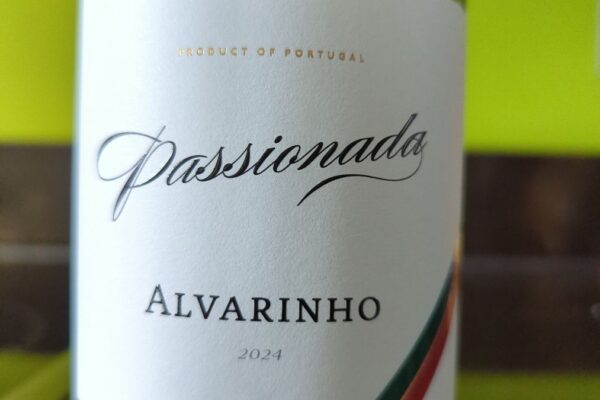
Passionada Alvarinho
Passionada is the work of Anselmo Mendes, widely regarded as one of Portugal’s most accomplished winemakers. Mendes is known especially for his expressions of Alvarinho from the Vinho Verde region, just over the border from Spain’s Rías Baixas where Albariño thrives. Alvarinho it is genetically the same variety as Spain’s Albariño. The 2024 vintage of Passionada is made from 100% Alvarinho and has spent a few months on its lees. It sits at 12.5% ABV and has earned an impressive 4.1 rating on Vivino. In the glass, it has a pale green straw colour. My first observation is that this…
-
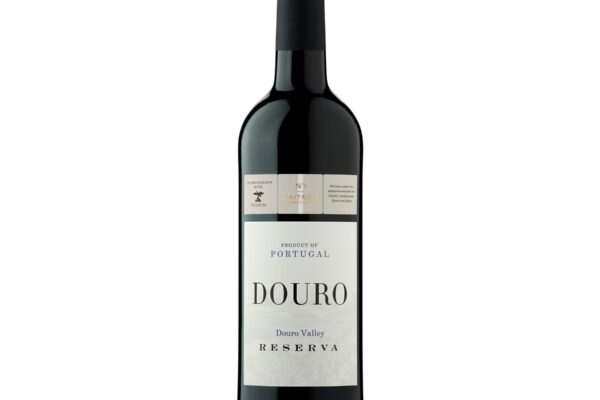
Portuguese Red Blends
Hannah Crosbie’s Guardian piece explores why Portuguese red blends are thriving in the UK while single varietal wines struggle. Portugal has more than 250 native grapes, but field blends dominate because old vines are planted together, making blending the natural choice. Consumers are unfamiliar with grape names such as Baga, Castelão or Touriga Nacional, which makes single varietals a harder sell. By contrast, blends feel approachable, are often labelled simply as “field blend” and offer excellent value. Sommelier Sinéad Murdoch explains that blends “fly off the shelves” because people know and trust them, whereas single grape wines tend to intimidate…
-

Animus Douro
This 2023 vintage wine from Vicente Faria Vinhos is a Portuguese red made in the Douro valley from a blend of 40% Touriga Franca, 30% Tinta Roriz and 30% Touriga Nacional. At 13% abv and vegan friendly, it has also earned a commendation at the IWC 2025. The fragrance is vivid, beginning with a lift of perfumed violets with a background of gentle woodiness, dark fruit and an intriguing metallic edge. On first sip, bright cherry takes the lead. It is dry but fruity, with a medium to full body and low to medium tannins that carry enough strength to…
-

Ramos Family Reserva Tinto
This is a great red I came across at the London Wine Show, showed by Oakley Wine Agencies, the UK importer. Originating from Portugal, it’s the result of João Portugal Ramos’ work in Estremoz, Alentejo, where he began planting vines back in 1989. The wine brings together Alicante Bouschet, Touriga Nacional grapes and a handful of indigenous varietals with part of the blend aged in oak. At 13% ABV and from the 2023 vintage, it’s approachable straight from the bottle without the need for breathing. It opens with a caramel aroma that leads into a dry yet fruit-driven character, rich…
-
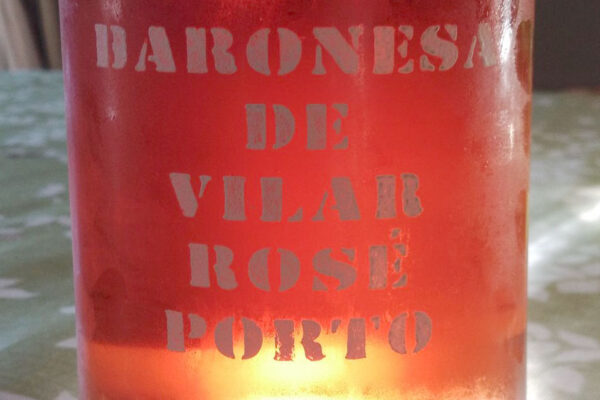
Baronesa de Vilar Rosé Port
Made by Alvaro van Zeller, a 15th-generation winemaker from one of the Douro Valley’s most renowned families, whose lineage dates back to 1715 and once included ownership of the iconic Quinta do Noval, this rosé port reflects both heritage and innovation. Rosé port itself is a relatively recent addition to the Douro, only introduced in 2008. Rosé Port, also known as Pink Port, is made from traditional red Douro grape varieties but is produced in a style similar to rosé wines, involving only brief skin contact to achieve its pink colour. Like all Ports, fermentation is stopped early by adding…
-

Extra Special Dão
Reviewed here as part of my awards25 series, this 2021 vintage picked up a Silver medal at the IWSC with 92 points. Produced and bottled by Falua Sociedade de Vinhos, it comes from Dão in northern Portugal and is made from 60% Mencía and 40% Touriga Nacional. At 13.5% ABV, it opens with a delicate fragrance of violets that sets the tone for a red that favours nuance over weight. The taste brings a blend of candied red fruits and ripe black cherries, expressive but not overdone. There’s a hint of oak at the end of the taste, gently rounding…
-
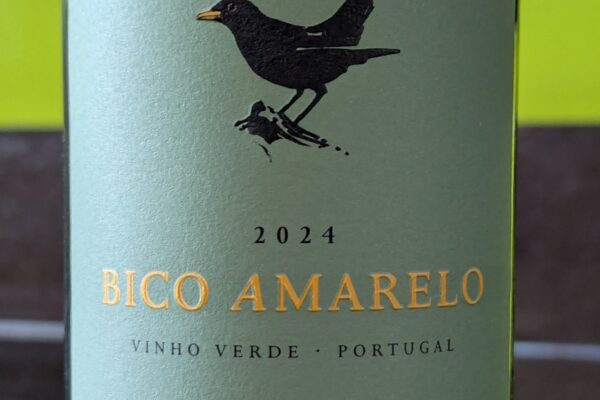
Esporão Bico Amarelo
This, 2024 vintage, wine has swiftly risen to prominence, securing a remarkable 96 points and claiming both the IWC Vinho Verde Trophy and the Portuguese White Trophy at the International Wine Challenge 2025. Its lineage traces back to Quinta do Ameal, an estate established in the early 1700s, which Esporão rejuvenated a few years ago, bringing new vitality and renown to its white offerings. This particular vintage is a blend of Avesso, Loureiro and Alvarinho grapes and at 11 per cent alcohol it already suggests a departure from the lighter, lower-ABV wines typically associated with Vinho Verde. There is none…
-

Quinta de Foz Arouce White
This is the companion wine to the previously reviewed red from the same estate. It originates from Portugal’s Beira Atlântico region and is produced by João Portugal Ramos, often referred to in the wine world as JPR. The vineyards are owned by the Count of Foz, who happens to be Ramos’s father-in-law. This white is made from the Cercial grape, usually spelled Sercial when grown on Madeira. While it’s known there for producing the driest style of Madeira’s fortified wines, on the mainland it’s usually part of a blend, adding freshness and structure. It’s quite rare to find a varietal…
-

Quinta de Foz de Arouce Red
Quinta de Foz de Arouce Red 2020 comes from the Beira Atlântico region of Portugal, produced by João Portugal Ramos, commonly known in the trade as JPR. This wine carries the IGP Beira Atlântico designation and is made from indigenous, hand-harvested Portuguese grapes, Baga and Touriga Nacional. It is matured for six months in second-use French oak barrels. It sits at 14% ABV. Baga remains a relatively underappreciated grape variety, often likened to Pinot Noir or Nebbiolo due to its thin skin and late-ripening nature. However, it produces wines with a firm, sometimes unyielding tannic structure, but here it’s been…
-

Aluado Alicante Bouschet
Aluado Alicante Bouschet is a wine that unusually uses the Alicante Bouschet grape, a variety I’ve found impressive in past Portuguese tastings. This grape is more commonly used in blends, making it quite rare to encounter a wine where it features predominantly or exclusively. This wine comes from Quinta de Porto Franco family estate, situated just north of Lisbon. The 2023 vintage has an alcohol content of 12.5%. The winemaker behind this intriguing bottle is José Neiva Correia, a figure, according to Laithwaites, celebrated by wine critic Tim Atkin as a pivotal influencer in Portugal’s wine revolution. José’s innovative approach…
-

The Best Alvarinho
Another gem chosen by my wife, one I might never have stumbled across (the wine, not wife) otherwise. This 2021 vintage from Casal de Ventozela in northern Portugal has a 12% ABV. Although the ‘Vinho Verde’ mentioned on the label might suggest a lighter style, don’t be misled, this wine delivers remarkable depth and character. Aged on its lees for four months post-fermentation, it amplifies its delicious stone fruit flavours and achieves an added layer of richness. It opens with an intense aroma of apricot, drawing you in. Taste wise, it’s dry, though it gives the impression of being slightly…
Pick Lists
Majestic | The Wine Society | Tesco | Waitrose | Sainsbury’s | Morrisons | Co-op | Asda | Lidl | £7 and Under | Over £20
Did You Know?
Australian wine exports to China have collapsed from around $1.2 billion to less than $10 million. More
Wine’s aroma is not determined solely by which flavour compounds it contains. More
Low-to-moderate wine consumption is associated with lower mortality. More
Moderate water stress can be part of what creates flavour and terroir expression. More
Wine appears less frequently online than other alcoholic drinks. More
Independent retailers had 9% fewer customers in March 2026 than two years earlier. More
Average spend per bottle in independents has risen by 23% since 2019, compared with 21% in supermarkets. More.
Nearly a third (32%) of UK consumers say they have already used AI for alcoholic drinks advice. More
Among socially active wine buyers, 37% have bought a wine recommended online. More
In 2026, 72% of consumers now think wine knowledge is essential to appreciation, up 20 percentage points on 2025. More
Rías Baixas wines reached more than 107 countries in 2025 and exports represented 31 per cent of the denomination’s total sales. More
Light Strike Can Cause Wine Degradation in Just One Day. More
People actively adjust their wine choices depending on who might see them. More
In the UK, 73% of Alcohol is Bought From Retail Rather Than Hospitality. More
UK wine production reached 124,377 hectolitres that year, meaning the UK accounted for roughly 0.05 per cent of world output. More
For Crémant, grapes must be harvested by hand and the wines must undergo at least nine months’ ageing before release. More
In 2024, the UK was the second-largest export market for Champagne globally, after the United States. More
Local UK bottling of wine represents about 40% of imported wine. More
Around 1% of people, typically severe asthmatics, have a sulphite sensitivity. More
A large 80% of Australian wine arrives in the UK in bulk. More
Only about 0.02% of Australia’s landmass is dedicated to vineyards. More
In 2024, New Zealand produced only 1% of the World’s wine. More
In 2024, the US imported 37% of World production of Pinot Grigio and the UK was is in second place at 27%. More
In 2024, the UK was South Africa’s largest export market, with 40% of total exports. More
In 2024, the United Kingdom imported 22.3 million bottles of Champagne, a decline of 12.7% compared to the previous year. More
Larger Champagne producers source grapes from as many as 80 different vineyards throughout Champagne. More
Champagne houses and growers collectively produce around 300 million bottles annually. More
In 2025, the Champagne region was home to about 2,124 Champagne houses and approximately 19,000 growers. More
Provence is one of the leaders in the conversion to organic viticulture, with 61% of vineyards certified. More
8% of the South Africa’s grape production is Fairtrade-certified. More
Up to 80% of wine aroma compounds come from grape skins. More
Glycerol is the third-largest component of most dry wines after water and alcohol which is why they so often feel ‘smooth’ or ‘silky’ in the mouth. More
Humans are more than 400 times more sensitive to bitter than sweet. More
Humans can detect the earthy molecule geosmin at about 100 parts per trillion and camels are so sensitive to it they can locate damp ground from roughly 50 miles away. More
During the phylloxera crisis of the nineteenth century, 90% of Europe’s vineyards were destroyed. More
In 2025, for La Vieille Ferme, also known as “The Chicken Wine”, sales surged by 49.4% to £110.8 million. More
In 2025, in the UK, Yellow Tail held the top position with sales, marking a 9.8% increase over the previous year. More
In 2024, the UK was the second-largest wine importer in volume and value. More
In 2024, the UK was the fifth-largest wine-consuming country globally. More
In 2025, global wine consumption continued its downward trend, estimated at 214.2 million hectolitres, the lowest since 1961. More
In 2025, online alcohol sales had a 20% increase in value over five years. More
In 2025, the number of UK vineyards rose to 1,104 and wineries to 238, with land under vine expanding to 4,841 hectares, a 510% increase since 2005. More
Moët Hennessy alone commands nearly 46.66% of the Champagne market, with the top three producers together holding about 61%, and the top five controlling over 72%. More
In 2024, the Champagne market was worth roughly €3.92 billion. More
In the marketing year 2023/24, white wine accounted for roughly 55% of Spain’s output, whereas red and rosé together made up about 45%. More
In the UK, 92% of wine is consumed within 48hrs of purchase. More
The majority of wines, 95%, use commercial rather than wild yeast. More
Between 0.5 and 10 litres of water, per litre of wine, are needed for cleaning during winemaking. More
Machine harvesting can achieve up to 100 tons of fruit per day vs 1 ton for a human. More
In Germany, 2025 was the smallest wine vintage since 2010. More
The majority of vineyards, 90% in 2019, are farmed with heavy chemical interventions. Only 6% are organic. More
90% of low and coastal areas in south Europe and California will no longer be able to produce good wine by the end of the century. More
IMAGE WALL
Tools
Recent





Tags
25% Off Wine Aldi Amarone Argentina Articles Asda Australia Austria Award Awards25 Bizarre Blog Books Bordeaux Bulk Bottling Cabernet Sauvignon Carménère Cava Champagne Chardonnay Chile Climate Change Coop Crémant Decanter Duty English Wine EPR Fairtrade Food France Germany Glossary Greece Health Hungary Italy IWSC Jeroboams Laithwaites Legislation Liberty Wines Lidl Low Alcohol M&S Majestic Malbec Merch Merlot Morrisons Natural Nero d'Avola News New Zealand Non-Alcoholic Ocado Old Vine Organic Past Tastings Pick List Pinotage Pinot Grigio Pinot Noir Port Portugal Primitivo Prosecco Research Reviews Ribera del Duero Riesling Rioja Ripasso Rose Sainsbury's Saperavi Sauvignon Blanc Shiraz Sicily South Africa Spain Sparkling Supermarkets Sustainable Tax Terroir Tesco The Wine Society Unrepresented USA Valpolicella Virgin Wines Waitrose Wanderlust Welsh Wine What to Buy Wine Art WineGB WIne Glasses Zinfandel