
Research
-

Making Wine More Relevant for Today’s Consumers
Based on a survey of 900 US alcohol consumers aged 21–65 and analysis of online media, new research suggests Millennials and Gen Z are especially open to wine when it is presented as simple, flexible and relatable rather than something that requires expertise. Younger consumers are also experimenting with wine in less traditional ways, including serving it over ice, mixing it into other drinks and consuming it in more casual settings. The report argues that brands should embrace this versatility and give consumers more “permission” to enjoy wine however and whenever it suits them. A major issue is visibility: wine…
-
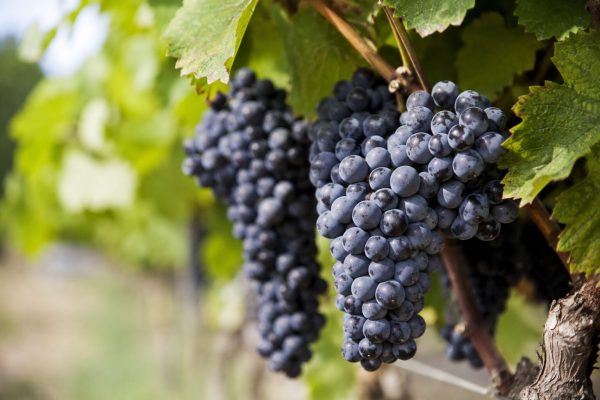
How Climate Change Could Reshape the Taste of Chardonnay and Pinot Noir
A new paper asks, as vineyards get warmer and drier, will familiar grapes such as Chardonnay and Pinot Noir continue to taste recognisably like themselves? The researchers analysed 256 grape-juice samples from 80 vineyards across 13 European and Argentine wine regions over the 2019–2021 vintages, looking at vine water stress and thousands of metabolites. One of the most interesting findings is that water stress is not simply “bad”. Increasing water deficit was associated with changes in hundreds of compounds, including phenolics, antioxidant compounds and glycosidic aroma precursors, compounds stored in grapes that can subsequently contribute to wine aroma. Many of…
-
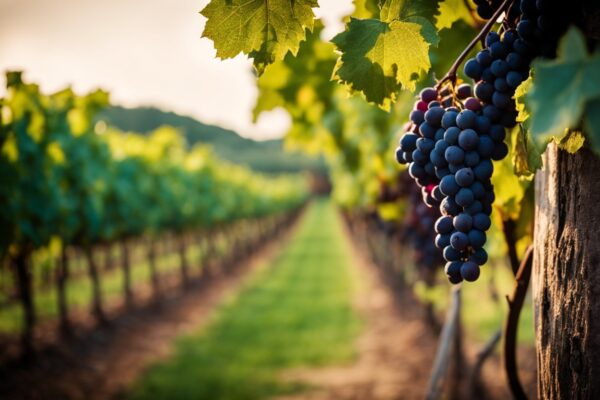
How Climate Change Could Reshape the Wines We Drink
A great recent paper, Future viability of European vineyards using bioclimatic climate analogues, examines how Europe’s wine map could change as the climate warms. It compares the future climate of established vineyards with places experiencing similar conditions today, while considering not only temperature but also frost, extreme heat, humidity, rainfall and three major vine diseases. The researchers analysed 21,076 vineyard sites and considered conditions around 2040, 2060 and 2080. They adjusted their calculations for elevation, slope and exposure, which can make an individual vineyard considerably warmer or cooler than the surrounding area. The main conclusion is that European wine production…
-

How Alcohol and Acidity Shape Red Wine Flavour
A new paper from researchers in Naples, Italy, asks a practical question: as climate change makes some red wines higher in alcohol and alters their acidity, does that also change how strongly certain aromas are released and perceived? The researchers focused on two naturally occurring aroma compounds, γ-nonalactone and massoia lactone. At noticeable levels, these can contribute sweet, cooked-fruit aromas such as prune and dried fig. In some dry red wines, these notes may be interpreted as over-ripeness or premature ageing rather than desirable fruit development. They took one red wine, removed most of its original aroma, and rebuilt it…
-

What is in the Mouth Shapes What is in the Glass
Sometimes, when I taste food, and wine, the first taste is so much better than those that follow. It is not simply that the wine changes in the glass, though it sometimes does. It is also that the palate changes. The first sip arrives on a relatively fresh canvas. Every sip after that is judged in the context of what has just happened in the mouth. Hydration clearly has its benefits, but I have also been told by wine experts that water should not necessarily be drunk between every sip of wine. Water can temporarily alter the conditions in the…
-
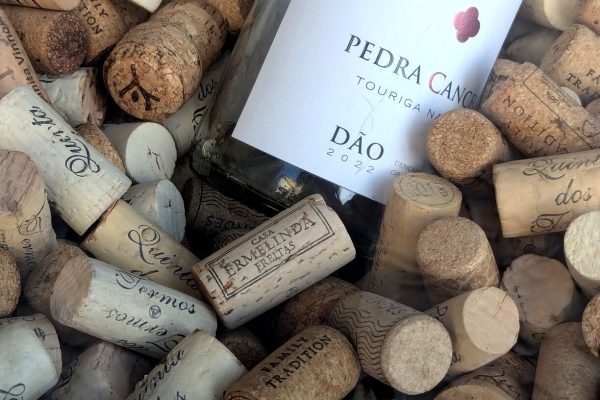
New Research Into Wine Corks and Oxygen
Most wine drinkers know that oxygen matters. A little can help a wine soften, develop complexity and move from fresh fruit towards more savoury, mature aromas. Too much can make a wine taste tired, flat or bruised. What is less obvious is how oxygen actually gets into a bottle once it has been sealed. A new study on cork closures shows that the story is not as simple as “cork lets air in”. The researchers looked at microagglomerated corks in a miniaturised bottle system over 18 months, with and without a model wine. Their aim was to separate out the…
-

Light and Moderate Drinking Shows No Clear Association with Cancer Mortality
New research examines whether different levels of alcohol consumption are associated with long-term cancer mortality in the REGARDS cohort, a large US study of adults aged 45 and over. For once, the study appears to be independent, with no apparent connection to either prohibitionist or alcohol industry groups. After excluding people with prior cancer and missing alcohol data, the analysis included 26,694 participants followed for a median of 13.3 years, during which 2,306 cancer deaths occurred. Participants were grouped as non-drinkers, light drinkers, moderate drinkers or heavy drinkers. Heavy drinkers had the highest cancer mortality rate, while light drinkers had…
-
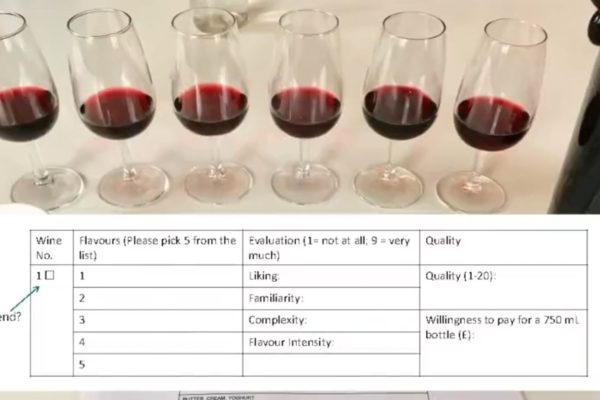
Research into Wine Complexity
I have written previously about the idea of complexity in wine, but it is also important to look at the research in order to understand it more fully. A particularly interesting TEDx presentation, The Art and Science of Wine Tasting by Qian Janice Wang, explores the question of what wine complexity really is or isn’t. Her discussion suggests that chemical complexity does not necessarily correspond to perceived wine complexity. In other words, a wine with a more complicated chemical composition is not automatically experienced as more complex by the person tasting it. The presentation also highlights that complexity can involve…
-
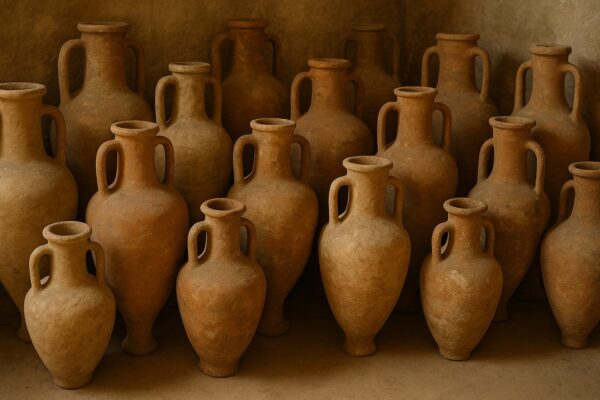
How Science is Uncorking the Secrets of Early Winemaking
A new paper, Advancement and Innovation in Ancient Wine Research by Emlyn Dodd and Dimitri Van Limbergen offers a comprehensive look at how modern archaeological and scientific techniques are transforming our understanding of ancient wine. For wine enthusiasts today, several aspects of the research are particularly compelling, as they provide not only historical context but also parallels in modern winemaking. One of the most striking revelations is the use of ancient DNA to trace the domestication and spread of grapevines. Studies show that domesticated grapevines may have originated independently in several regions, including the Caucasus, Italy, Sardinia and the Iberian…
-

Wine e-Commerce on the Rise
I noticed a trend, at the London Wine Fair, that producers are increasingly selling directly via their own and wine platforms, and this shift is supported by recent data from IWSR, which projects that the global online alcohol market will exceed $36 billion by 2028. According to IWSR’s Ecommerce Strategic Study, covering 18 key markets including the UK, this represents a 20% increase in value over five years, indicating a move from the erratic pandemic-influenced period to more stable, sustainable growth. The study highlights that digital platforms now influence not only online but also offline alcohol purchasing decisions. Many consumers…
-

The Real Reasons Why Gen Z Drinks Less
The new free report by Rabo Research explores why Generation Z appears to be consuming significantly less alcohol. Although this report is based on data from the United States, its insights are globally relevant. The cultural, technological, and economic forces shaping Generation Z’s drinking habits are not confined to national borders. Similar patterns are observable in other developed countries, including the UK, where young people are also drinking less than previous generations. Contrary to popular belief that this decline is driven by health concerns or image-conscious social media habits, the research identifies more structural causes. Firstly, much of Gen Z…
-
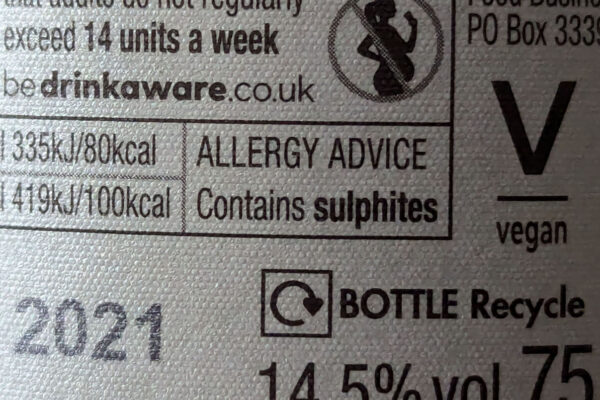
Exploring Plant-Based Alternatives to Sulphur Dioxide in Winemaking
Winemaking has long relied on sulphur dioxide (SO₂) for its antioxidant and antimicrobial properties, ensuring the stability and quality of wines. However, slight concerns about its health impacts and allergenic potential have prompted the search for natural alternatives. Recent research highlights the potential of a plant-based tannin blend (referred to as SDR) as a substitute for SO₂ in white, rosé and red wines. SDR has demonstrated promise as a viable alternative, particularly in white and red wines. Unlike traditional SO₂, SDR-treated white and rosé wines showed elevated levels of phenolics, flavonoids, and antioxidant capacity, suggesting an enhanced protective quality. However,…
-
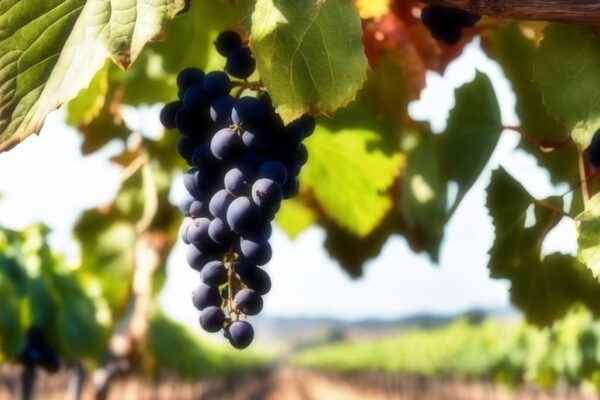
Harnessing Native Yeasts to Revive Terroir
You might sometimes encounter wine descriptions or labels mentioning the use of ‘native yeasts’. This refers to microorganisms naturally found on grape skins or in the vineyard environment. Yeasts play a crucial role in influencing the wine’s aroma and flavour. A new study provides insights into the otherwise widespread use of commercially available yeast strains by many winemakers. These commercial yeasts are engineered for predictable performance, enabling precise control over fermentation and ensuring consistent results year after year. This practice standardises wine production but is thought to diminish the expression of terroir, the unique interplay of soil, climate and local…
-
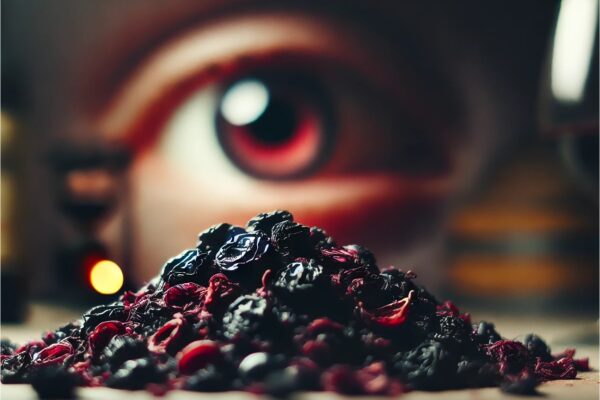
By-product of Winemaking Shows Promise in Treating Diabetic Eye Disease
There’s new research that highlights the potential of using grape pomace, a byproduct of winemaking, as a source of beneficial compounds for eye health. The study examined the effectiveness of a nutraceutical formulation called Maltodextrinated Grape Pomace Extract (MaGPE) in treating diabetic retinopathy, a common complication of diabetes that can lead to blindness. The study involved a 6-month clinical trial with 99 patients who had mild to moderate non-proliferative diabetic retinopathy. The patients were divided into two groups: one received the MaGPE supplement, and the other received a placebo. The study found that the MaGPE group showed significant improvements in…
-

Risks and Benefits of Drinking for Older Adults
A new study looks into the belief that light to moderate drinking, particularly of wine, offers health benefits for older adults. The research, involving over 135,000 participants aged 60 and above from the UK, reveals that alcohol’s impact varies based on an individual’s existing health conditions and socioeconomic status. For those with pre-existing health issues or lower socioeconomic status, even minimal drinking increases the risk of death, especially from cancer. However, healthy older adults without such risks did not show an increased mortality rate from moderate drinking. The study highlights that drinking wine, especially with meals, is associated with the…
-

Strangely, Non-Volatile Parts of Wine Also Affect Aromas
The research, The remarkable effects of the non-volatile matrix of wine on the release of volatile compounds explores how different components in wine affect the release of aroma compounds. Researchers studied six Spanish wines that were first stripped of their original aromas and then mixed with a standard solution of 15 different aroma compounds. The vapours, or headspace, above these wines were analysed to see which aromas were released and in what quantities. The study found that the non-volatile parts of wine, like sugars, acids and minerals, significantly affect how aroma compounds are released. For example, the release of butanoic…
-
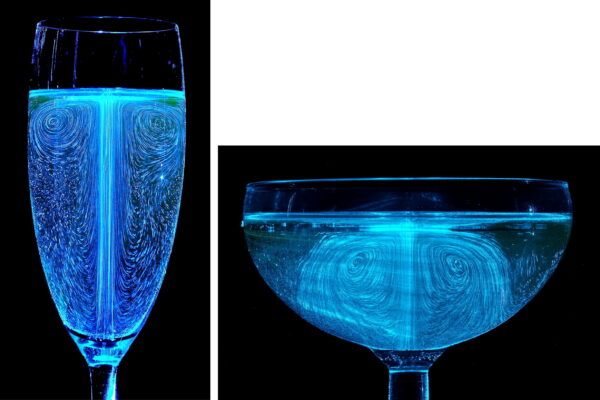
The Science Behind Sparkling Wines
New research Understanding the tasting of champagne and other sparkling wines from a scientific perspective provides a comprehensive exploration of the processes involved in the tasting of champagne and other sparkling wines. The study looks into the dynamics from the moment the bottle is uncorked to the bursting of bubbles in the glass, emphasising the interaction of various parameters that contribute to the overall tasting experience. It also provides some dazzling images. The process begins with the uncorking of the bottle, where high-speed imaging shows the complex fluid dynamics and shock structures involved. This step is crucial as it sets…
-

Women Judge Wine More Stringently
A new study Factors explaining differences in wine experts’ ratings: The case of gender, credentials, occupation and peer effects by researchers from Spain and France investigates the reasons behind the variability in scores given by wine experts to the same wines under identical tasting conditions. The research examines how personal characteristics such as gender, industry credentials, and occupation as well as peer effects among judges, influence these ratings. The research used a dataset from the 2022 International Wine and Spirits Competition (IWSC), comprising scores from 91 judges for 5,395 wines, amounting to 18,224 individual scores. By employing regression models and…
-
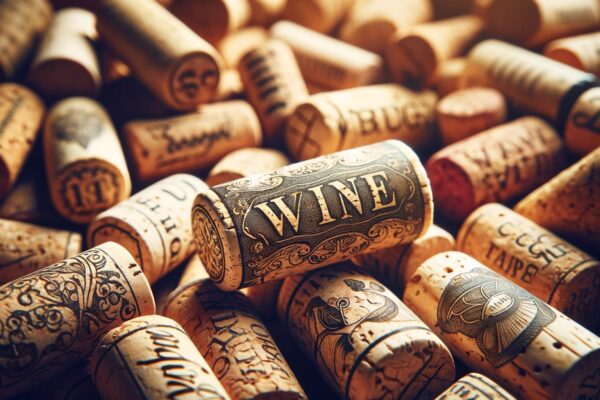
New Research into Corked Wine
New research provides deeper insights into corked wine. Corked wine is primarily caused by the compound 2,4,6-trichloroanisole (2,4,6-TCA), which imparts a musty, mouldy smell to the wine. This compound is mainly produced through a microbial process and can originate from cork stoppers or the winemaking environment. Cork is the primary source due to potential contamination during the growth of trees or during cork processing, where chlorine-containing agents may be used. Preventative measures include avoiding the use of chlorinated fungicides and pesticides during grape growing and winemaking. Good hygiene practices in vineyards and wineries are essential to minimise microbial contamination. Additionally,…
-

The Influence of Wine Descriptions
New research looks into the impact of verbal descriptions on wine tasting experiences, focusing on two types of wine—Riesling and Muscat Bailey A (MBA). The study included 46 participants divided into social drinkers and wine experts. They were presented with wines accompanied by different descriptions and asked to evaluate various attributes such as palatability, sweetness, acidity and expensiveness. The findings reveal that verbal descriptions indeed influenced the participants’ perception and evaluation of the wines, though the effects varied between social drinkers and experts. For instance, the description containing a ‘petrol’ note for Riesling led social drinkers to perceive the wine…
Pick Lists
Majestic | The Wine Society | Tesco | Waitrose | Sainsbury’s | Morrisons | Co-op | Asda | Lidl | £7 and Under | Over £20
Did You Know?
Australian wine exports to China have collapsed from around $1.2 billion to less than $10 million. More
Wine’s aroma is not determined solely by which flavour compounds it contains. More
Low-to-moderate wine consumption is associated with lower mortality. More
Moderate water stress can be part of what creates flavour and terroir expression. More
Wine appears less frequently online than other alcoholic drinks. More
Independent retailers had 9% fewer customers in March 2026 than two years earlier. More
Average spend per bottle in independents has risen by 23% since 2019, compared with 21% in supermarkets. More.
Nearly a third (32%) of UK consumers say they have already used AI for alcoholic drinks advice. More
Among socially active wine buyers, 37% have bought a wine recommended online. More
In 2026, 72% of consumers now think wine knowledge is essential to appreciation, up 20 percentage points on 2025. More
Rías Baixas wines reached more than 107 countries in 2025 and exports represented 31 per cent of the denomination’s total sales. More
Light Strike Can Cause Wine Degradation in Just One Day. More
People actively adjust their wine choices depending on who might see them. More
In the UK, 73% of Alcohol is Bought From Retail Rather Than Hospitality. More
UK wine production reached 124,377 hectolitres that year, meaning the UK accounted for roughly 0.05 per cent of world output. More
For Crémant, grapes must be harvested by hand and the wines must undergo at least nine months’ ageing before release. More
In 2024, the UK was the second-largest export market for Champagne globally, after the United States. More
Local UK bottling of wine represents about 40% of imported wine. More
Around 1% of people, typically severe asthmatics, have a sulphite sensitivity. More
A large 80% of Australian wine arrives in the UK in bulk. More
Only about 0.02% of Australia’s landmass is dedicated to vineyards. More
In 2024, New Zealand produced only 1% of the World’s wine. More
In 2024, the US imported 37% of World production of Pinot Grigio and the UK was is in second place at 27%. More
In 2024, the UK was South Africa’s largest export market, with 40% of total exports. More
In 2024, the United Kingdom imported 22.3 million bottles of Champagne, a decline of 12.7% compared to the previous year. More
Larger Champagne producers source grapes from as many as 80 different vineyards throughout Champagne. More
Champagne houses and growers collectively produce around 300 million bottles annually. More
In 2025, the Champagne region was home to about 2,124 Champagne houses and approximately 19,000 growers. More
Provence is one of the leaders in the conversion to organic viticulture, with 61% of vineyards certified. More
8% of the South Africa’s grape production is Fairtrade-certified. More
Up to 80% of wine aroma compounds come from grape skins. More
Glycerol is the third-largest component of most dry wines after water and alcohol which is why they so often feel ‘smooth’ or ‘silky’ in the mouth. More
Humans are more than 400 times more sensitive to bitter than sweet. More
Humans can detect the earthy molecule geosmin at about 100 parts per trillion and camels are so sensitive to it they can locate damp ground from roughly 50 miles away. More
During the phylloxera crisis of the nineteenth century, 90% of Europe’s vineyards were destroyed. More
In 2025, for La Vieille Ferme, also known as “The Chicken Wine”, sales surged by 49.4% to £110.8 million. More
In 2025, in the UK, Yellow Tail held the top position with sales, marking a 9.8% increase over the previous year. More
In 2024, the UK was the second-largest wine importer in volume and value. More
In 2024, the UK was the fifth-largest wine-consuming country globally. More
In 2025, global wine consumption continued its downward trend, estimated at 214.2 million hectolitres, the lowest since 1961. More
In 2025, online alcohol sales had a 20% increase in value over five years. More
In 2025, the number of UK vineyards rose to 1,104 and wineries to 238, with land under vine expanding to 4,841 hectares, a 510% increase since 2005. More
Moët Hennessy alone commands nearly 46.66% of the Champagne market, with the top three producers together holding about 61%, and the top five controlling over 72%. More
In 2024, the Champagne market was worth roughly €3.92 billion. More
In the marketing year 2023/24, white wine accounted for roughly 55% of Spain’s output, whereas red and rosé together made up about 45%. More
In the UK, 92% of wine is consumed within 48hrs of purchase. More
The majority of wines, 95%, use commercial rather than wild yeast. More
Between 0.5 and 10 litres of water, per litre of wine, are needed for cleaning during winemaking. More
Machine harvesting can achieve up to 100 tons of fruit per day vs 1 ton for a human. More
In Germany, 2025 was the smallest wine vintage since 2010. More
The majority of vineyards, 90% in 2019, are farmed with heavy chemical interventions. Only 6% are organic. More
90% of low and coastal areas in south Europe and California will no longer be able to produce good wine by the end of the century. More
IMAGE WALL
Tools
Recent




Tags
25% Off Wine Aldi Amarone Argentina Articles Asda Australia Austria Award Awards25 Bizarre Blog Books Bordeaux Bulk Bottling Cabernet Sauvignon Carménère Cava Champagne Chardonnay Chile Climate Change Coop Crémant Decanter Duty English Wine EPR Fairtrade Food France Germany Glossary Greece Health Hungary Italy IWSC Jeroboams Laithwaites Legislation Liberty Wines Lidl Low Alcohol M&S Majestic Malbec Merch Merlot Morrisons Natural Nero d'Avola News New Zealand Non-Alcoholic Ocado Old Vine Organic Past Tastings Pick List Pinotage Pinot Grigio Pinot Noir Port Portugal Primitivo Prosecco Research Reviews Ribera del Duero Riesling Rioja Ripasso Rose Sainsbury's Saperavi Sauvignon Blanc Shiraz Sicily South Africa Spain Sparkling Supermarkets Sustainable Tax Terroir Tesco The Wine Society Unrepresented USA Valpolicella Virgin Wines Waitrose Wanderlust Welsh Wine What to Buy Wine Art WineGB WIne Glasses Zinfandel