
Health
-

Low-to-Moderate Wine Consumption Might Be Beneficial
Nutrition Journal reports findings from a study of 340,924 UK Biobank participants, who were followed for an average of 13.4 years to assess links between mortality and the consumption of wine, beer, cider and spirits. Compared with people who never drank or drank only occasionally, those with high overall alcohol consumption had a 24 per cent greater risk of death from any cause, a 36 per cent greater risk of cancer death and a 14 per cent greater risk of cardiovascular death. In the statistical analysis, low-to-moderate wine consumption was associated with lower mortality, whereas similar levels of beer, cider…
-

Light and Moderate Drinking Shows No Clear Association with Cancer Mortality
New research examines whether different levels of alcohol consumption are associated with long-term cancer mortality in the REGARDS cohort, a large US study of adults aged 45 and over. For once, the study appears to be independent, with no apparent connection to either prohibitionist or alcohol industry groups. After excluding people with prior cancer and missing alcohol data, the analysis included 26,694 participants followed for a median of 13.3 years, during which 2,306 cancer deaths occurred. Participants were grouped as non-drinkers, light drinkers, moderate drinkers or heavy drinkers. Heavy drinkers had the highest cancer mortality rate, while light drinkers had…
-
In the UK, 73% of Alcohol is Bought From Retail Rather Than Hospitality
A new report from Drinkaware examines the shift of alcohol consumption in the UK from pubs and bars to the home. Around 73% of alcohol is now bought from supermarkets or convenience stores for home use, and adults are about twice as likely to drink at home weekly as they are to drink in pubs or restaurants. Although most home drinking is moderate, the report argues that risk can build over time because drinking at home is frequent and less visible. A small group of heavier drinkers account for a large share of alcohol purchases and about 8.2 million UK…
-
UK Ministers’ Alcohol Labelling Plans Alarm the Drinks Industry
The FT is reporting that UK ministers have triggered fresh unease in the drinks and hospitality sectors as they move ahead with discussions on possible new alcohol labelling rules, while also preparing to reverse course on the prospect of higher business rates for pubs in England. The Department of Health and Social Care is due to meet more than two dozen alcohol producers, retailers and trade bodies, including Diageo and groups representing beer, pubs, wine and spirits, to talk through the early-stage proposals and gather evidence on likely impacts. Industry leaders fear the government could mandate prominent health warnings on…
-

Zebra Striping
Zebra striping means alternating glasses of wine with glasses of water throughout an occasion, creating a back-and-forth pattern rather like stripes. It is used to help slow the pace of drinking, support hydration, and make it easier to keep track of how much wine you have had, which can reduce the chance of feeling unwell or getting too intoxicated. It is important to understand what it does and does not do. Drinking water between wines does not dilute the alcohol in your bloodstream, for driving, or make you sober quicker, because your body still has to metabolise the alcohol over…
-
Irish Wine Warnings Spill Over to the UK
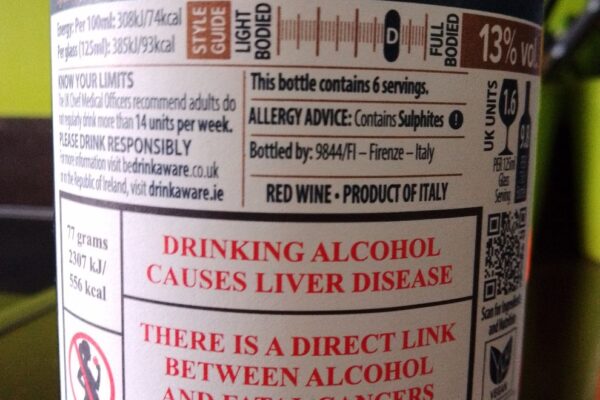
On a recent trip to Aldi I picked up a bottle of wine and did a double-take. The back label carried a stark message that drinking causes liver disease, that there is a direct link between alcohol and fatal cancers. These are the new Irish-style warnings in a UK supermarket, even though this kind of labelling is not mandatory here and in fact is not even fully compulsory in Ireland yet. Ireland’s labelling rules under the Public Health (Alcohol) (Labelling) Regulations 2023, were signed in May 2023 and were originally due to come into force on 22 May 2026, with…
-
British Consumers More Negative About Non-Alcoholic Wine
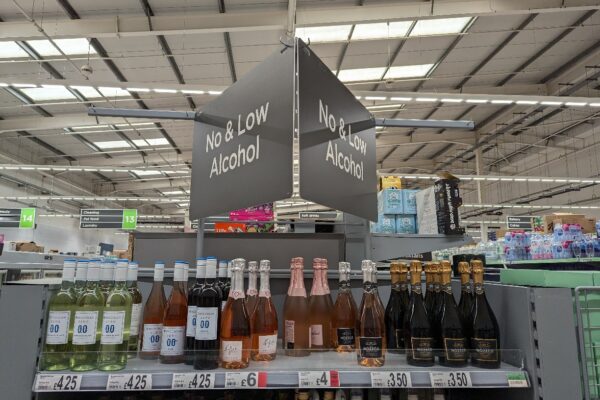
A new study investigates how consumers in Australia, the UK and the US perceive and evaluate non-alcoholic wine. It analyses more than eleven thousand online product reviews covering 326 products sold through major e-commerce platforms, applying sentiment analysis, topic modelling and logistic regression to identify what shapes satisfaction and how perceptions vary across markets and wine styles. The findings show that consumers are most satisfied when they feel the product offers good value for money and fits with health-led or lifestyle-driven drinking choices. These two factors have the strongest positive influence on satisfaction. Curiosity and expectations also play a role,…
-
Wine, Neuroprotection and Gut Health
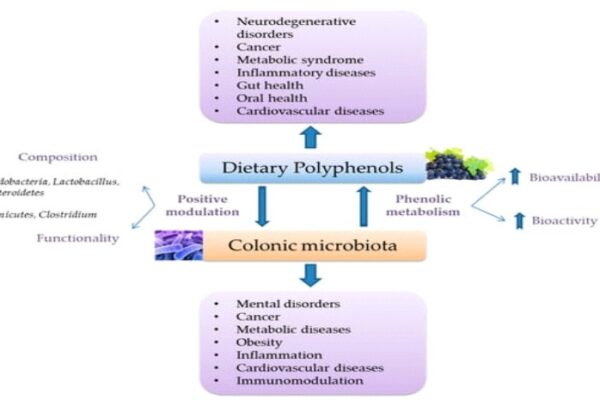
More new research (pdf) helps to balance the currently overly-negative narrative of wine and health. Chapter 6 of Nourish Your Mind: A Scientific Approach to Brain Health explores the role of phenolic metabolites from wine and their effects on cognitive and digestive processes. The chapter examines how these compounds, particularly polyphenols, contribute to neuroprotection, gut health and overall mental well-being. It highlights that phenolic metabolites found in wine, such as resveratrol and flavonoids, have been linked to cognitive benefits, including memory enhancement and neurodegenerative disease prevention. These compounds exert antioxidant and anti-inflammatory effects, which help mitigate oxidative stress and reduce…
-

Wine, Flavonoids and Health
With much debate surrounding wine’s impact on health, here’s some balancing news. New research (pdf) offers an in-depth look at flavonoids, compounds found in wine that might tip the scales in favour of moderate consumption. In red wine, flavonoids make up as much as 90% of its phenolic content. These phenols, largely derived from the grape’s stems, seeds, and skins, are released during the maceration process in winemaking. This process, known as extraction, affects the wine’s astringency, colour and mouthfeel. White wines, on the other hand, have fewer flavonoids due to reduced contact with the grape skins during production. Flavonoids…
-

The Battle Between Science and Prohibitionists
David Morrison argues on his blog that current medical evidence does not support the claim that moderate wine consumption is harmful, though public health messaging has increasingly taken a prohibitionist stance. He critiques official health organisations, such as the WHO and the UK Chief Medical Officers, for their stringent guidelines on alcohol, pointing out a lack of solid scientific evidence to justify their warnings. Morrison, a seasoned scientist with extensive research credentials, states that moderate wine consumption, defined as up to two glasses per day for men and one for women, poses no harm according to recent studies. He references…
-
Exploring Plant-Based Alternatives to Sulphur Dioxide in Winemaking
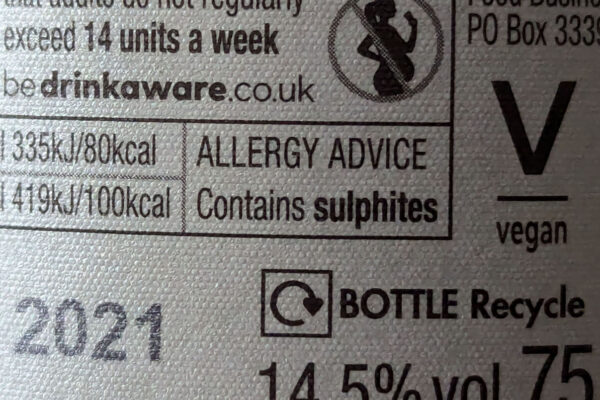
Winemaking has long relied on sulphur dioxide (SO₂) for its antioxidant and antimicrobial properties, ensuring the stability and quality of wines. However, slight concerns about its health impacts and allergenic potential have prompted the search for natural alternatives. Recent research highlights the potential of a plant-based tannin blend (referred to as SDR) as a substitute for SO₂ in white, rosé and red wines. SDR has demonstrated promise as a viable alternative, particularly in white and red wines. Unlike traditional SO₂, SDR-treated white and rosé wines showed elevated levels of phenolics, flavonoids, and antioxidant capacity, suggesting an enhanced protective quality. However,…
-
European Wine Industry Unites to Combat Anti-Alcohol Movement
The VITÆVINO Declaration is a newly launched initiative by major European wine organisations to combat the growing anti-alcohol movement, which has negatively impacted wine sales and wine culture. The declaration, signed on 1 October 2023, aims to defend European wine culture by highlighting four key points: preserving wine heritage, its economic role in rural areas, advocating for moderate consumption as part of a balanced lifestyle and upholding the right to enjoy wine responsibly. This campaign comes at a critical moment as increasing health concerns, particularly following the World Health Organisation’s declaration that no alcohol consumption is safe, have led to…
-
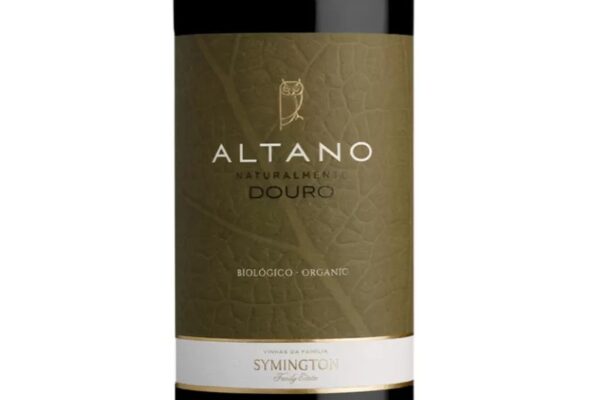
Label Design Influence on Consumer Attitudes Toward Organic Wine
New research ‘healthy = (un)tasty’ intuition concerning colour in organic wine labels explores how the colour of organic wine labels influences consumer perceptions, focusing on the associations with healthiness, tastiness and purchase intentions. The research investigates the effects of red versus green labels on these consumer attitudes. The study confirms that organic labels generally create a ‘health halo’, where consumers perceive organic products as healthier. This was demonstrated through Implicit Association Tests, revealing that consumers implicitly associate organic wine with both healthiness and tastiness. Green labels were found to be more strongly associated with healthiness, while red labels were linked…
-
By-product of Winemaking Shows Promise in Treating Diabetic Eye Disease
There’s new research that highlights the potential of using grape pomace, a byproduct of winemaking, as a source of beneficial compounds for eye health. The study examined the effectiveness of a nutraceutical formulation called Maltodextrinated Grape Pomace Extract (MaGPE) in treating diabetic retinopathy, a common complication of diabetes that can lead to blindness. The study involved a 6-month clinical trial with 99 patients who had mild to moderate non-proliferative diabetic retinopathy. The patients were divided into two groups: one received the MaGPE supplement, and the other received a placebo. The study found that the MaGPE group showed significant improvements in…
-

Risks and Benefits of Drinking for Older Adults
A new study looks into the belief that light to moderate drinking, particularly of wine, offers health benefits for older adults. The research, involving over 135,000 participants aged 60 and above from the UK, reveals that alcohol’s impact varies based on an individual’s existing health conditions and socioeconomic status. For those with pre-existing health issues or lower socioeconomic status, even minimal drinking increases the risk of death, especially from cancer. However, healthy older adults without such risks did not show an increased mortality rate from moderate drinking. The study highlights that drinking wine, especially with meals, is associated with the…
-

Wine and Health
Recent declines in wine consumption have been linked to growing public health concerns, particularly those raised by the World Health Organisation (WHO) who have increasingly voiced concerns about alcohol consumption, culminating in a statement declaring that there is “no safe level” of alcohol consumption. This message reflects the influence of public health campaigns and some non-governmental organisations advocating for temperance, which has sparked considerable debate. Remember also, that this is the same WHO that had serious failures during the Covid pandemic. As someone who implicitly promotes wine, it would be remiss of me not to address the relationship between wine…
-

The Paradoxes of Dealcoholised Wine Production
In the DrinksBusiness, an anonymous wine producer criticises the growing trend of dealcoholised wines, arguing that the process is energy-intensive, costly, and significantly alters the wine’s original qualities, resulting in a product that lacks flavour and structure. The producer contends that the necessary additives to recreate the wine’s taste and stability are unnatural and environmentally detrimental. They believe dealcoholised wine contradicts the essence of traditional winemaking, which values natural transformation and environmental respect, and question why consumers would choose such products over non-alcoholic alternatives. There’s also the risk that consumers might indeed turn to beverages that were never alcoholic in…
-

New Research Adds to the Story of Wine and Health
Up to recently, there has been an intriguing relationship between culture, diet and health outcomes, particularly focusing on the Mediterranean diet and the historic and cultural significance of wine. The concept of the French Paradox played a central role in this narrative, highlighting the seemingly contradictory observation that the French population enjoys a lower incidence of coronary heart disease despite a diet high in saturated fats. This phenomenon garnered widespread attention in the 1990s and has became a focal point in discussions about diet and cardiovascular health. Central to the French Paradox is the role of moderate wine consumption, especially…
-

Heightened Alcohol Sensitivity After COVID-19 Recovery
There’s new research that looks into alcohol sensitivity experienced by individuals after recovering from COVID-19, known as Post-acute Sequelae of SARS-CoV-2 (PASC). It presents case series of patients who, after contracting COVID-19, began experiencing adverse reactions to alcohol that they hadn’t faced before, such as severe hangover symptoms from small amounts of alcohol. This suggests a possible link between COVID-19 recovery and heightened alcohol sensitivity.
-

Reducing Wine Consumption Through Serving Size
New research titled ‘Impact on wine sales of removing the largest serving size by the glass‘, published in PLOS Medicine, explores the effect of reducing wine serving sizes on wine sales. The study, conducted across 21 licensed premises in England, used an A-B-A method to compare wine sales during periods with and without the availability of the largest serving size. It found that removing the largest serving size led to a significant reduction in the volume of wine sold, suggesting that this intervention could be a useful strategy in efforts to reduce alcohol consumption. The researchers suggest that these findings…
Pick Lists
Majestic | The Wine Society | Tesco | Waitrose | Sainsbury’s | Morrisons | Co-op | Asda | Lidl | £7 and Under | Over £20
Did You Know?
Australian wine exports to China have collapsed from around $1.2 billion to less than $10 million. More
Wine’s aroma is not determined solely by which flavour compounds it contains. More
Low-to-moderate wine consumption is associated with lower mortality. More
Moderate water stress can be part of what creates flavour and terroir expression. More
Wine appears less frequently online than other alcoholic drinks. More
Independent retailers had 9% fewer customers in March 2026 than two years earlier. More
Average spend per bottle in independents has risen by 23% since 2019, compared with 21% in supermarkets. More.
Nearly a third (32%) of UK consumers say they have already used AI for alcoholic drinks advice. More
Among socially active wine buyers, 37% have bought a wine recommended online. More
In 2026, 72% of consumers now think wine knowledge is essential to appreciation, up 20 percentage points on 2025. More
Rías Baixas wines reached more than 107 countries in 2025 and exports represented 31 per cent of the denomination’s total sales. More
Light Strike Can Cause Wine Degradation in Just One Day. More
People actively adjust their wine choices depending on who might see them. More
In the UK, 73% of Alcohol is Bought From Retail Rather Than Hospitality. More
UK wine production reached 124,377 hectolitres that year, meaning the UK accounted for roughly 0.05 per cent of world output. More
For Crémant, grapes must be harvested by hand and the wines must undergo at least nine months’ ageing before release. More
In 2024, the UK was the second-largest export market for Champagne globally, after the United States. More
Local UK bottling of wine represents about 40% of imported wine. More
Around 1% of people, typically severe asthmatics, have a sulphite sensitivity. More
A large 80% of Australian wine arrives in the UK in bulk. More
Only about 0.02% of Australia’s landmass is dedicated to vineyards. More
In 2024, New Zealand produced only 1% of the World’s wine. More
In 2024, the US imported 37% of World production of Pinot Grigio and the UK was is in second place at 27%. More
In 2024, the UK was South Africa’s largest export market, with 40% of total exports. More
In 2024, the United Kingdom imported 22.3 million bottles of Champagne, a decline of 12.7% compared to the previous year. More
Larger Champagne producers source grapes from as many as 80 different vineyards throughout Champagne. More
Champagne houses and growers collectively produce around 300 million bottles annually. More
In 2025, the Champagne region was home to about 2,124 Champagne houses and approximately 19,000 growers. More
Provence is one of the leaders in the conversion to organic viticulture, with 61% of vineyards certified. More
8% of the South Africa’s grape production is Fairtrade-certified. More
Up to 80% of wine aroma compounds come from grape skins. More
Glycerol is the third-largest component of most dry wines after water and alcohol which is why they so often feel ‘smooth’ or ‘silky’ in the mouth. More
Humans are more than 400 times more sensitive to bitter than sweet. More
Humans can detect the earthy molecule geosmin at about 100 parts per trillion and camels are so sensitive to it they can locate damp ground from roughly 50 miles away. More
During the phylloxera crisis of the nineteenth century, 90% of Europe’s vineyards were destroyed. More
In 2025, for La Vieille Ferme, also known as “The Chicken Wine”, sales surged by 49.4% to £110.8 million. More
In 2025, in the UK, Yellow Tail held the top position with sales, marking a 9.8% increase over the previous year. More
In 2024, the UK was the second-largest wine importer in volume and value. More
In 2024, the UK was the fifth-largest wine-consuming country globally. More
In 2025, global wine consumption continued its downward trend, estimated at 214.2 million hectolitres, the lowest since 1961. More
In 2025, online alcohol sales had a 20% increase in value over five years. More
In 2025, the number of UK vineyards rose to 1,104 and wineries to 238, with land under vine expanding to 4,841 hectares, a 510% increase since 2005. More
Moët Hennessy alone commands nearly 46.66% of the Champagne market, with the top three producers together holding about 61%, and the top five controlling over 72%. More
In 2024, the Champagne market was worth roughly €3.92 billion. More
In the marketing year 2023/24, white wine accounted for roughly 55% of Spain’s output, whereas red and rosé together made up about 45%. More
In the UK, 92% of wine is consumed within 48hrs of purchase. More
The majority of wines, 95%, use commercial rather than wild yeast. More
Between 0.5 and 10 litres of water, per litre of wine, are needed for cleaning during winemaking. More
Machine harvesting can achieve up to 100 tons of fruit per day vs 1 ton for a human. More
In Germany, 2025 was the smallest wine vintage since 2010. More
The majority of vineyards, 90% in 2019, are farmed with heavy chemical interventions. Only 6% are organic. More
90% of low and coastal areas in south Europe and California will no longer be able to produce good wine by the end of the century. More
IMAGE WALL
Tools
Recent






Tags
25% Off Wine Aldi Amarone Argentina Articles Asda Australia Austria Award Awards25 Bizarre Blog Books Bordeaux Bulk Bottling Cabernet Sauvignon Carménère Cava Champagne Chardonnay Chile Climate Change Coop Crémant Decanter Duty English Wine EPR Fairtrade Food France Germany Glossary Greece Health Hungary Italy IWSC Jeroboams Laithwaites Legislation Liberty Wines Lidl Low Alcohol M&S Majestic Malbec Merch Merlot Morrisons Natural Nero d'Avola News New Zealand Non-Alcoholic Ocado Old Vine Organic Past Tastings Pick List Pinotage Pinot Grigio Pinot Noir Port Portugal Primitivo Prosecco Research Reviews Ribera del Duero Riesling Rioja Ripasso Rose Sainsbury's Saperavi Sauvignon Blanc Shiraz Sicily South Africa Spain Sparkling Supermarkets Sustainable Tax Terroir Tesco The Wine Society Unrepresented USA Valpolicella Virgin Wines Waitrose Wanderlust Welsh Wine What to Buy Wine Art WineGB WIne Glasses Zinfandel