
Sparkling
-
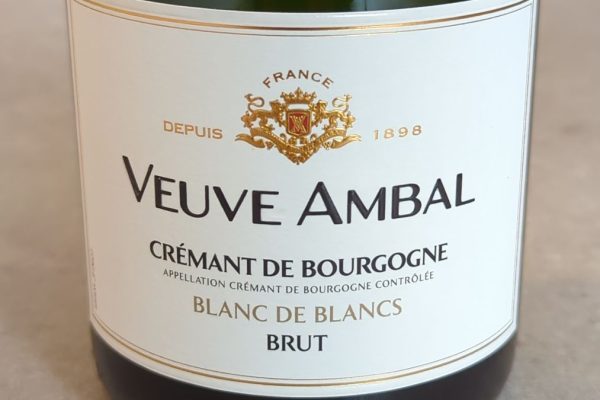
Veuve Ambal Crémant de Bourgogne Blanc de Blanc
This is a new wine at Majestic. Its from Burgundy, made by Maison Veuve Ambal, a producer that has been around since 1898. The business is now run by the sixth generation of the Piffaut family and today has a strong commitment to sustainable practices, having earned France’s highest official tier of environmental certification. Veuve Ambal is also one of the principal producers of Crémant de Bourgogne. This is a non-vintage sparkling wine made from 95% Chardonnay and 5% Aligoté, both white grapes, hence the Blanc de Blancs name. It is made in the same way as Champagne, with a…
-
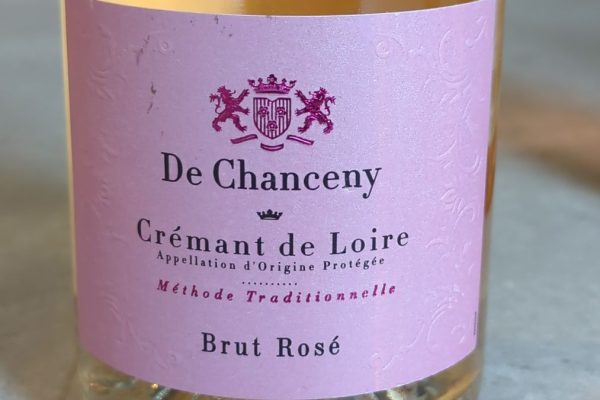
De Chanceny, Crémant de Loire Rosé
This is a non-vintage Crémant, from the vineyards located around the village of Brossay, in the southern part of the Saumur region. It is produced by Vignerons de Saumur and is a blend of 90% Cabernet Franc and 10% Grolleau, with an alcohol level of 11.5%. This wine is made using the traditional method, with a second fermentation in bottle, followed by ageing in tuffeau limestone cellars. Tuffeau is the distinctive white stone that was also used in the construction of many of the Loire’s famous castles. It picked up Silver at the 2022 Concours des Crémants, a Silver Medal…
-
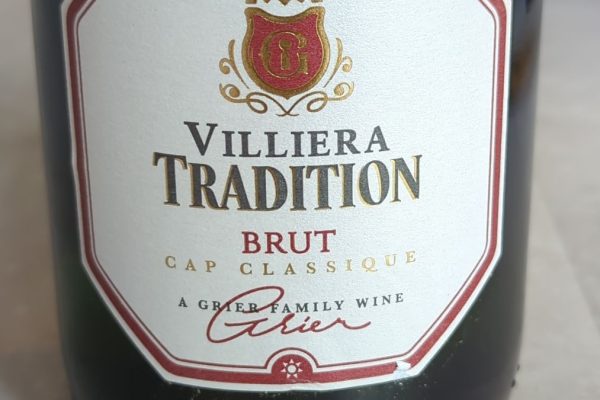
Villiera Cap Classique Brut
Villiera Cap Classique Brut comes from South Africa, from a producer that has become one of the country’s most respected names in sparkling wine. Villiera played an important part in establishing Cap Classique as one of South Africa’s flagship wine styles and became particularly associated with traditional-method sparkling wine, helped in its early years by Champagne producer Jean-Louis Denois. The word “Tradition” is particularly fitting here, as this was Villiera’s first Cap Classique, first produced in 1984. Villiera Wines is also home to the Pebbles Project, which enriches the lives of thousands of children in the Winelands of the Western…
-
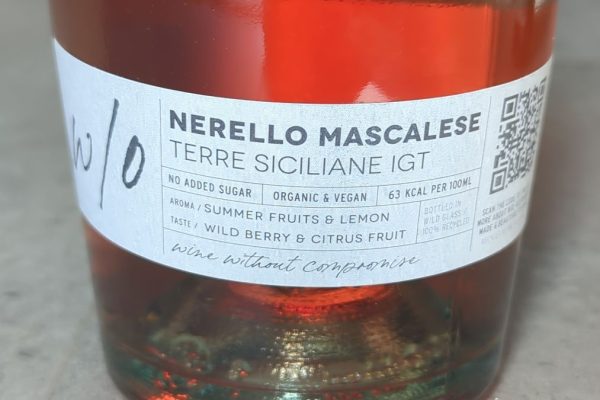
W/O Nerello Mascalese Rosato Spumante
W/O Nerello Mascalese Rosato Spumante is a new addition to the W/O range, a sparkling rosé from the 2025 vintage. This is wine made without (W/O) compromise, with sustainability placed front and centre. It comes in a 100% post-consumer recycled wild glass bottle, with no neck foil. It is made from organic Nerello Mascalese, a grape usually used for red wines. One of Sicily’s leading varieties, it is often compared with Pinot Noir and goes into some seriously impressive, and seriously pricey, Etna reds. At 10.5%, it is also lower in alcohol. In the glass, it has small bubbles and…
-
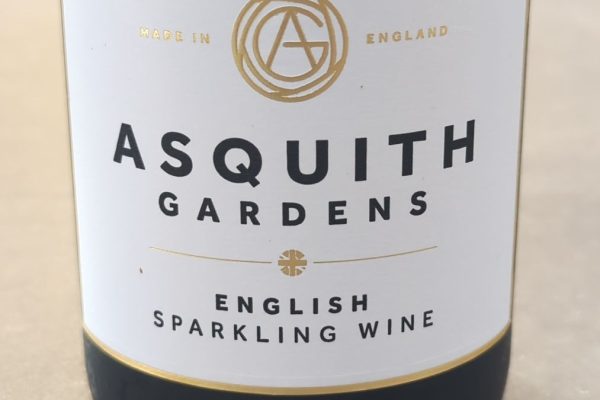
Asquith Gardens English Sparkling Wine
I have to admit that I have a general mistrust of English sparkling wine, and indeed Champagne, when sold by UK supermarkets. When I return to buy one I previously enjoyed at a press tasting, it is rarely as good as I remember and can sometimes be very poor. This is not limited to one supermarket. I have experienced it across several, particularly, for some reason, around Christmas. I suspect it has something to do with these wines being non-vintage, which I will come back to later. I purchased this one from Asda after picking it out at the Asda…
-
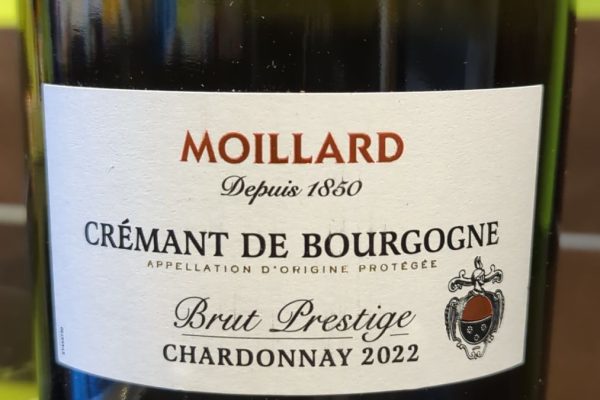
BBC Good Food – Crémant
BBC Good Food’s round-up presents Crémant as a strong middle ground between Prosecco and Champagne, made by the traditional method, generally drier and more layered than Prosecco, but usually much cheaper than Champagne. They mention that Crémant now covers sparkling wines from eight French regions, so styles vary quite a bit, from lean and citrusy to richer, more brioche-led bottles. The wines mentioned are: Kew Gardens Crémant de Loire Rosé Brut £18.99 Laithwaites. Hunter’s Miru Miru Marlborough Brut NV £19.99 Laithwaites. Roche Lacour Crémant de Limoux 2022 £15.99 Laithwaites. Arthur Metz Crémant d’Alsace Organic Brut £15 Ocado. Moillard-Thomas Crémant de…
-
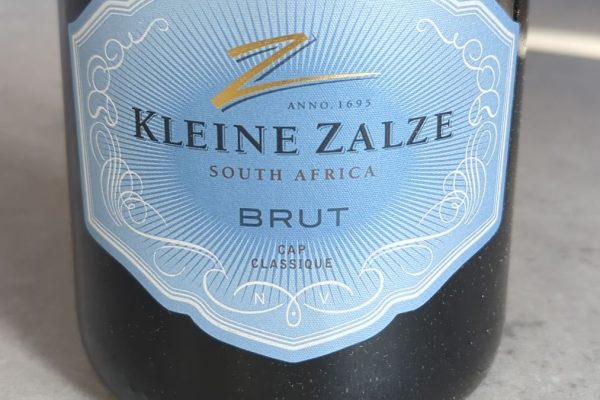
Kleine Zalze Cap Classique Brut
This wine from Stellenbosch, Western Cape, South Africa, is a traditional method sparkling wine. It’s made using Chardonnay and Pinot Noir grapes and sits at 12% ABV. In the glass it has a pale salmon colour with loads of lively, fine beads that keep on coming. Aroma wise it gives off fresh apple and citrus, with a gentle biscuit nuance. It’s dry on taste, apple and citrus upfront, then that richer depth kicks in with bright, high acidity keeping everything fresh. The finish is long, the sort that makes you want another sip before you’ve even put the glass down.…
-
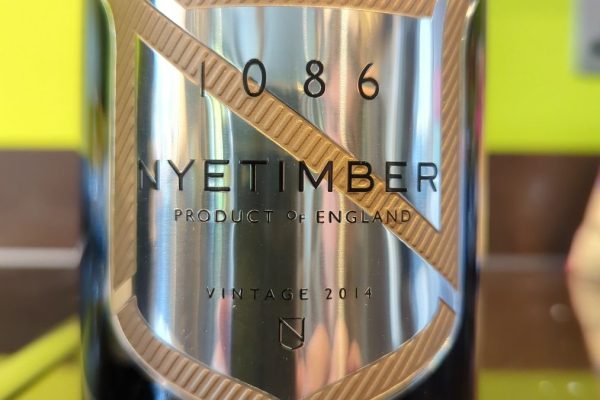
1086 by Nyetimber
This bottle arrived just in time for my Comparative Review of English Sparkling, though I held off opening it then. Its release was still pending and, with two other Nyetimber wines already included in that comparison, it seemed wise to wait. With the wine now officially launched, New Year celebrations provided the perfect moment to give it the attention it deserves. Named 1086 in tribute to the first recorded mention of the West Sussex estate in the Domesday Book, this is a wine reserved for only the finest of vintages. This 2014 vintage is made from the best selections of…
-
Moillard Crémant de Bourgogne Chardonnay
This 2021 vintage sparkling is wine made entirely from Chardonnay and produced in the traditional method by Moillard, one of Burgundy’s most historic and respected houses, established in the 18th century in Nuits-Saint-Georges. This vintage has spent twelve months on lees, going beyond the nine-month minimum required for Crémant, giving it extra depth and complexity. The wine has a pale golden yellow colour with a very energetic rush of bubbles at first pour, as shown in my photograph. Aromas are floral and nutty with hints of apple drifting through. On the tongue it is distinctly dry, with a bright acidic…
-

Understanding Crémant
Crémant stands as a French example of how outstanding sparkling wine can be made outside the Champagne region. The term refers to quality traditional-method sparkling wines that are protected by appellation and produced in specific regions under detailed rules. In France, the Crémant producers’ federation brings together eight AOPs (L’Appellation d’origine protégée): Alsace, Bordeaux, Bourgogne, Die, Jura, Limoux, Loire and Savoie. For Crémant, grapes must be harvested by hand, the amount of juice obtained from pressing must not exceed 100 litres per 150 kilos of grapes, and the wines must undergo at least nine months’ ageing before release, with commercial…
-
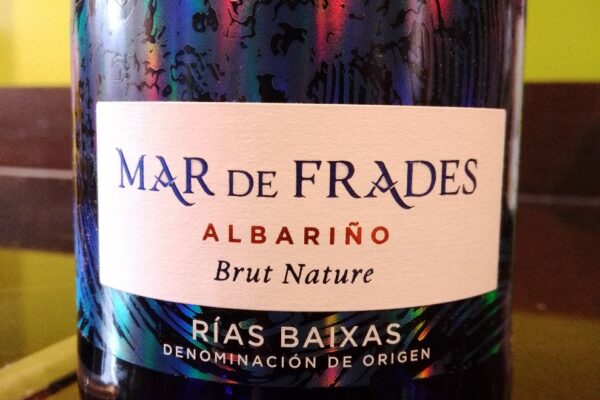
Mar de Frades Albariño Brut Nature NV
Mar de Frades Albariño Brut Nature NV is a very different wine from the Rías Baixas DO. It is produced by the highly regarded Mar de Frades, established in 1987. Winemaker Paula Fandiño leads the way with this distinctive bottle-fermented sparkling wine, the first of its kind in the region using the traditional method. Made entirely from Albariño grapes, the fruit is picked early, ensuring lower sugar levels and preserving a delicate balance without tipping into excessive richness or sweetness. The wine is blended across two to three vintages to maintain a consistent character. No sugar is added during the…
-
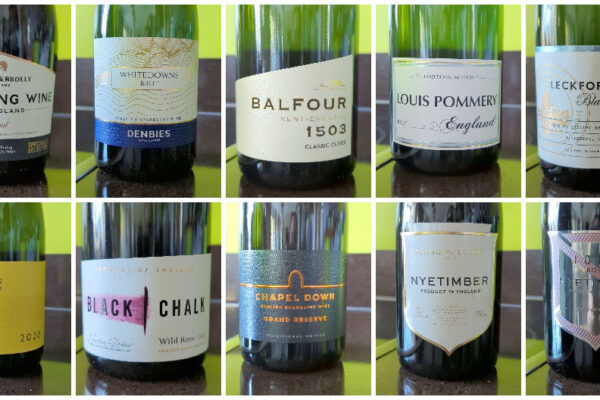
Comparative Review of English Sparkling
This review began when Nyetimber kindly offered to send me some bottles for tasting, which led me to wonder whether I could broaden the scope to include a wider range of English Sparkling Wines. I was keen to explore the differences between Charmat and Traditional Method wines, and to compare various styles – rosé, vintage and non-vintage, as well as wines with some age behind them. With the festive season fast approaching, it felt like the perfect moment to take on the task. I reached out to a handful of PR agencies, vineyards and retailers to request additional samples and…
-
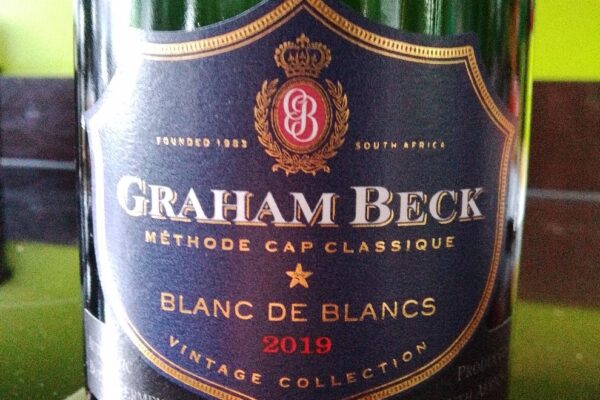
Graham Beck Blanc de Blancs Brut Sparkling Wine
Part of my #awards25 series, this South African sparkling has a Gold Medal from the IWSC 2025 with an impressive 96 points. It’s from Robertson in the Western Cape and is an example of a ‘blanc de blancs’, a term that means white wine made solely from white grapes. In this case, it’s 100% Chardonnay. Produced using the Méthode Cap Classique, South Africa’s take on the Traditional Method used in Champagne, it undergoes its second fermentation in the bottle. This is the 2019 vintage, though it was only disgorged in 2024, allowing time for ageing. The bubbles are small and…
-

Louis Couturier Crémant de Bordeaux Rosé
A sparkling Rosé from the heart of the Entre-deux-Mers, the stretch of land between the Dordogne and Garonne rivers. Dry in style and produced by Les Grands Chais de France, a large cooperative and négociant house known for its wide portfolio across Bordeaux and beyond, this wine comes in at 11.5% ABV. It is made predominantly from Merlot at 90% with a touch of Cabernet Franc making up the rest. Its quality has not gone unnoticed, earning a Bronze medal at the IWC 2025. It pours with a rose gold hue, throwing off a fine stream of small bubbles in…
-
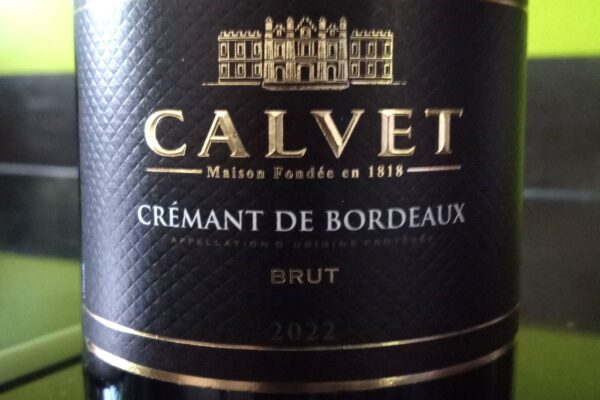
Calvet Crémant de Bordeaux Blanc
This sparkling wine from Bordeaux is a blend of 70% Sémillon and 30% Cabernet Franc, made using the traditional method with the second fermentation in the bottle that lasts for 11 months. This the 2022 vintage and sits at 12% ABV. The bubbles are small and stayed for a very long time, giving it a visual elegance not always found at this price point. There’s a buttery brioche aroma, the result of the bottle fermentation, lifted by a zesty citrus note that keeps things fresh. On tasting, it’s fruity and bright, with flavours of sherbet and citrus. There’s a hint…
-

¡Hola! Mediterraneo Orange Spritz
As I write this, the UK is in the grip of a heatwave and I’ve been on the lookout for something light, refreshing and a little bit different to help cope with the warmth. This Spanish spritz fits the bill perfectly. Coming in at 8.5% ABV, this spritz comes from Catalunya, in the heart of cava country. Presented in an attractive bottle, it immediately gives off Aperol vibes, but with a more refined twist. The base is a slow-fermented cuvée of sparkling wine, made primarily from Macabeo, the grape used in Cava, along with a touch of Chardonnay. Instead of…
-

w/o Organic Grillo Spumante
From Sicily comes a new project from winemaker Dino Taschetta: w/o – meaning a wine made without compromise. This sparkling wine is made from the indigenous Grillo grape believed to be a cross between Cataratto and Zibibbo (Muscat of Alexandria). Grillo is a versatile grape capable of producing both still and sparkling wines. In this case, it’s been used to create a sparkling wine made using the Charmat method, the same process used for Prosecco. The 2023 vintage sits at a relatively light 11% ABV and is bottled in a UK first, 100% recycled ‘wild’ glass, giving it a sustainable…
-

Understanding Champagne
Champagne, the world’s most celebrated sparkling wine, has captivated connoisseurs for centuries with its effervescence, complexity and prestige. This sparkling wine has evolved from humble beginnings to become a global symbol of celebration and luxury, with a rich history, distinctive production methods and diverse styles that continue to evolve to meet contemporary challenges and tastes. The Historical Evolution of Champagne The story of Champagne begins in the 5th century, possibly earlier, when Romans established vineyards in northeastern France. Initially, the wines produced in this region were still wines, pale, pinkish liquids made primarily from Pinot Noir grapes, bearing little resemblance…
-
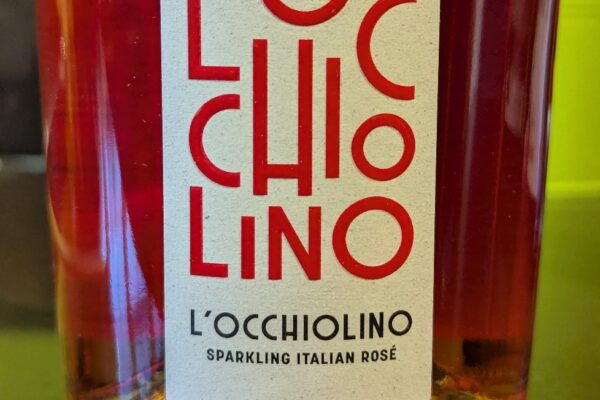
L’Occhiolino Rosato
This is, in essence, a Rosé Lambrusco, but if your know Lambrusco from the distant past, don’t be too quick to judge. Unlike the overly sweet versions of the past, this one is crisp, dry, and refreshingly modern. Lambrusco is making a well-deserved comeback, and for those in the know, it’s a grape well worth rediscovering. L’Occhiolino means ‘wink’. Made by Cantina di Carpi e Sorbara co-operative, an alliance of 1,200 dedicated producer partners, this rosato is comes from the rolling hills of Emilia-Romagna near Modena, Italy. A blend of 80% Lambrusco Sorbara and 20% Lambrusco Salamino, it is produced…
-
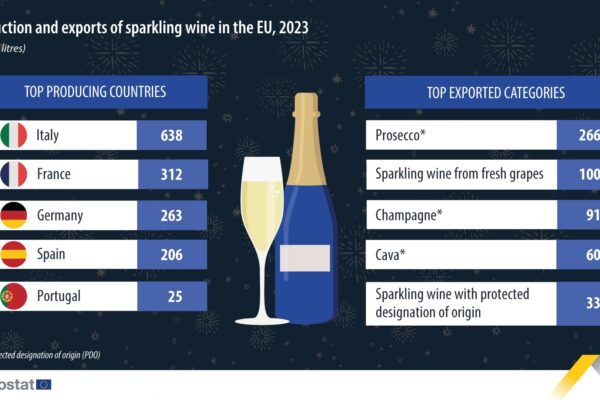
EU Sparkling Wine Production and Exports Down 8%
Eurostat, the EU’s official statistics body, is reporting an 8% decline in sparkling wine production and exports in 2023 (yes, 2023, see below). The EU produced 1.496 billion litres of sparkling wine, down from 1.624 billion litres in 2022. Italy led production with 638 million litres, followed by France with 312 million (224 million litres of champagne and 88 million litres of other sparkling wines) and Germany with 263 million litres. Spain and Portugal contributed 206 million and 25 million litres, respectively. Exports to non-EU countries also fell by 8%, with 600 million litres exported in 2023 compared to 649…
Pick Lists
Majestic | The Wine Society | Tesco | Waitrose | Sainsbury’s | Morrisons | Co-op | Asda | Lidl | £7 and Under | Over £20
Did You Know?
Australian wine exports to China have collapsed from around $1.2 billion to less than $10 million. More
Wine’s aroma is not determined solely by which flavour compounds it contains. More
Low-to-moderate wine consumption is associated with lower mortality. More
Moderate water stress can be part of what creates flavour and terroir expression. More
Wine appears less frequently online than other alcoholic drinks. More
Independent retailers had 9% fewer customers in March 2026 than two years earlier. More
Average spend per bottle in independents has risen by 23% since 2019, compared with 21% in supermarkets. More.
Nearly a third (32%) of UK consumers say they have already used AI for alcoholic drinks advice. More
Among socially active wine buyers, 37% have bought a wine recommended online. More
In 2026, 72% of consumers now think wine knowledge is essential to appreciation, up 20 percentage points on 2025. More
Rías Baixas wines reached more than 107 countries in 2025 and exports represented 31 per cent of the denomination’s total sales. More
Light Strike Can Cause Wine Degradation in Just One Day. More
People actively adjust their wine choices depending on who might see them. More
In the UK, 73% of Alcohol is Bought From Retail Rather Than Hospitality. More
UK wine production reached 124,377 hectolitres that year, meaning the UK accounted for roughly 0.05 per cent of world output. More
For Crémant, grapes must be harvested by hand and the wines must undergo at least nine months’ ageing before release. More
In 2024, the UK was the second-largest export market for Champagne globally, after the United States. More
Local UK bottling of wine represents about 40% of imported wine. More
Around 1% of people, typically severe asthmatics, have a sulphite sensitivity. More
A large 80% of Australian wine arrives in the UK in bulk. More
Only about 0.02% of Australia’s landmass is dedicated to vineyards. More
In 2024, New Zealand produced only 1% of the World’s wine. More
In 2024, the US imported 37% of World production of Pinot Grigio and the UK was is in second place at 27%. More
In 2024, the UK was South Africa’s largest export market, with 40% of total exports. More
In 2024, the United Kingdom imported 22.3 million bottles of Champagne, a decline of 12.7% compared to the previous year. More
Larger Champagne producers source grapes from as many as 80 different vineyards throughout Champagne. More
Champagne houses and growers collectively produce around 300 million bottles annually. More
In 2025, the Champagne region was home to about 2,124 Champagne houses and approximately 19,000 growers. More
Provence is one of the leaders in the conversion to organic viticulture, with 61% of vineyards certified. More
8% of the South Africa’s grape production is Fairtrade-certified. More
Up to 80% of wine aroma compounds come from grape skins. More
Glycerol is the third-largest component of most dry wines after water and alcohol which is why they so often feel ‘smooth’ or ‘silky’ in the mouth. More
Humans are more than 400 times more sensitive to bitter than sweet. More
Humans can detect the earthy molecule geosmin at about 100 parts per trillion and camels are so sensitive to it they can locate damp ground from roughly 50 miles away. More
During the phylloxera crisis of the nineteenth century, 90% of Europe’s vineyards were destroyed. More
In 2025, for La Vieille Ferme, also known as “The Chicken Wine”, sales surged by 49.4% to £110.8 million. More
In 2025, in the UK, Yellow Tail held the top position with sales, marking a 9.8% increase over the previous year. More
In 2024, the UK was the second-largest wine importer in volume and value. More
In 2024, the UK was the fifth-largest wine-consuming country globally. More
In 2025, global wine consumption continued its downward trend, estimated at 214.2 million hectolitres, the lowest since 1961. More
In 2025, online alcohol sales had a 20% increase in value over five years. More
In 2025, the number of UK vineyards rose to 1,104 and wineries to 238, with land under vine expanding to 4,841 hectares, a 510% increase since 2005. More
Moët Hennessy alone commands nearly 46.66% of the Champagne market, with the top three producers together holding about 61%, and the top five controlling over 72%. More
In 2024, the Champagne market was worth roughly €3.92 billion. More
In the marketing year 2023/24, white wine accounted for roughly 55% of Spain’s output, whereas red and rosé together made up about 45%. More
In the UK, 92% of wine is consumed within 48hrs of purchase. More
The majority of wines, 95%, use commercial rather than wild yeast. More
Between 0.5 and 10 litres of water, per litre of wine, are needed for cleaning during winemaking. More
Machine harvesting can achieve up to 100 tons of fruit per day vs 1 ton for a human. More
In Germany, 2025 was the smallest wine vintage since 2010. More
The majority of vineyards, 90% in 2019, are farmed with heavy chemical interventions. Only 6% are organic. More
90% of low and coastal areas in south Europe and California will no longer be able to produce good wine by the end of the century. More
IMAGE WALL
Tools
Recent




Tags
25% Off Wine Aldi Amarone Argentina Articles Asda Australia Austria Award Awards25 Bizarre Blog Books Bordeaux Bulk Bottling Cabernet Sauvignon Carménère Cava Champagne Chardonnay Chile Climate Change Coop Crémant Decanter Duty English Wine EPR Fairtrade Food France Germany Glossary Greece Health Hungary Italy IWSC Jeroboams Laithwaites Legislation Liberty Wines Lidl Low Alcohol M&S Majestic Malbec Merch Merlot Morrisons Natural Nero d'Avola News New Zealand Non-Alcoholic Ocado Old Vine Organic Past Tastings Pick List Pinotage Pinot Grigio Pinot Noir Port Portugal Primitivo Prosecco Research Reviews Ribera del Duero Riesling Rioja Ripasso Rose Sainsbury's Saperavi Sauvignon Blanc Shiraz Sicily South Africa Spain Sparkling Supermarkets Sustainable Tax Terroir Tesco The Wine Society Unrepresented USA Valpolicella Virgin Wines Waitrose Wanderlust Welsh Wine What to Buy Wine Art WineGB WIne Glasses Zinfandel