
Reviews
-
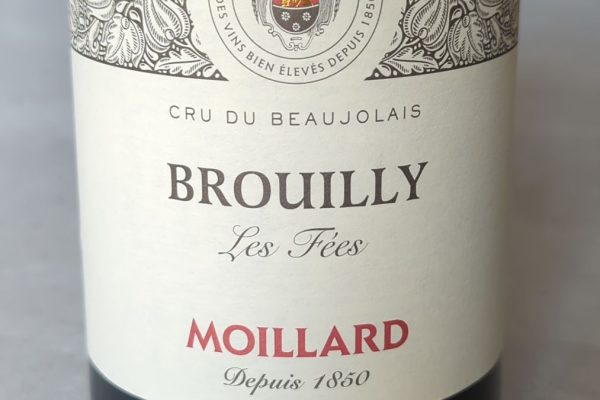
Moillard Brouilly Les Fées
Moillard Brouilly Les Fées comes from Château de l’Abbaye de Saint Laurent d’Arpayé in Brouilly, Beaujolais, the southernmost and largest of the Beaujolais crus, spread around Mont Brouilly. “Les Fées” translates as “the fairies”, although I couldn’t find exactly how that links to the wine. It is made from Gamay, comes in at 12.5% abv and this is the 2024 vintage. In the glass it is pale to medium ruby, light-catching and pretty. The aromas bring red cherry and raspberry, with a lovely savoury edge that keeps it from feeling too simple or sweet-fruited. The taste is all juicy red…
-
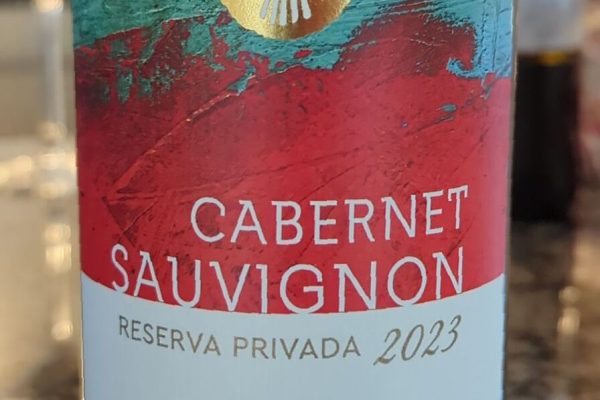
Cabernet Sauvignon Reserva Privada
I purchased this wine because it was on special offer and it worked out well. It comes from Chile’s Central Valley and sits within Lidl’s Deluxe range. The bottle is rather shy about naming the producer, with the winemaker’s signature almost impossible to read, while the back label simply says it was bottled by VLFE Ltda. That turns out to be the well-renowned Viña Luis Felipe Edwards and the difficult-to-read signature belongs to Nicolas Bizzarri, their head winemaker. This is the 2023 vintage, with 13% ABV. It needs at least 30 minutes to breathe in the glass or decanter, so…
-
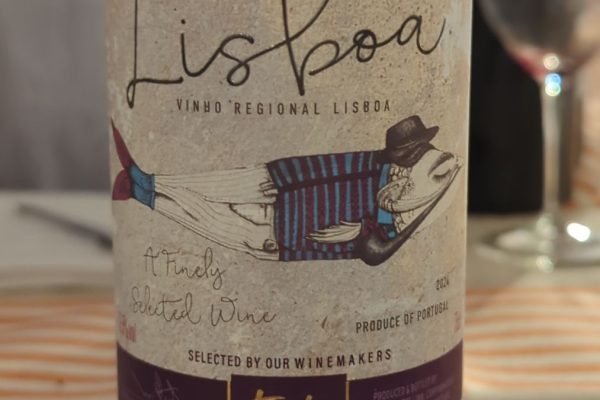
Taste the Difference Portuguese Lisboa
This wine first caught my eye at a recent Sainsbury’s press tasting, where I picked it out from the line-up and immediately felt it deserved a proper revisit. I went back to it to discover more. It is made by Casa Santos Lima, based at Quinta da Boavista, Alenquer, around 45 km from Lisbon. The blend brings together Syrah, Castelão, Touriga Nacional, Alicante Bouschet and Tinta Barroca and I suspect it may be the same wine as their well-regarded own-brand “Blend Portugal”. This is the 2024 vintage, with 12.5% ABV. Vanilla aroma comes through first, followed by red fruit, vanilla…
-
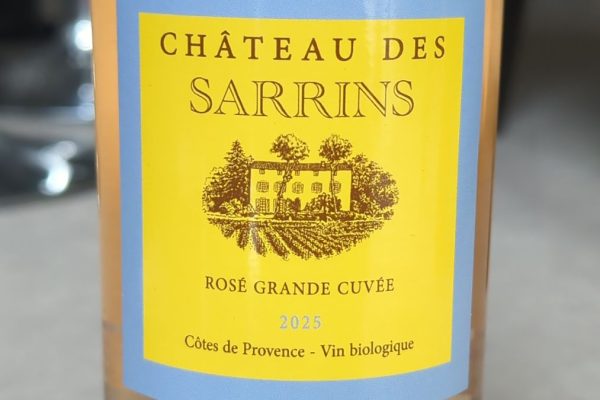
Château des Sarrins Rosé Grande Cuvée
Château des Sarrins Rosé Grande Cuvée, 2025 vintage, has just arrived in the UK, and I have been amongst the first to taste it. This is a Provence wine from the Saint-Antonin-du-Var region, with the famous Paillard Champagne family having acquired the domaine in 1995. It has been certified Organic Agriculture since 2011. The blend is Grenache 40%, Cinsault 20%, Mourvèdre 20%, Syrah 10% and Rolle 10%. It uses first pressing only, and the “Cuvée” in the name points to that choice, with only the purest juice drawn from the initial press of the grapes. It sits at 12.8% ABV.…
-
Altano Tinto
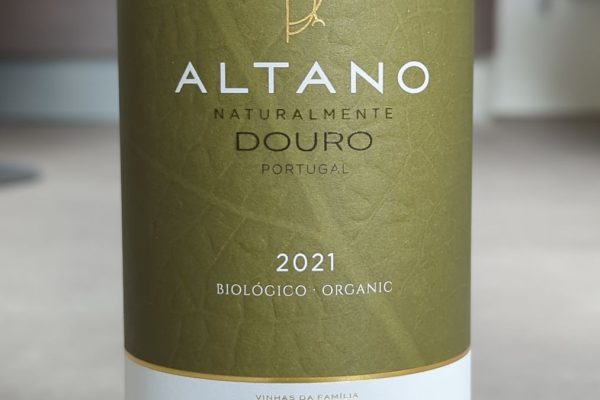
Altano Tinto comes from Portugal, made by Symington Family Estates, in the Douro, a producer I’ve actually visited, though I didn’t get to try this particular wine at the time. Symington is a big Douro name, best known for its Port houses, including Graham’s, Dow’s, Warre’s and Cockburn’s. Altano red arrived in 1999 as part of the family’s move into modern Douro DOC table wines, bringing a fresher, more contemporary side to a region. It’s made from Touriga Nacional, Touriga Franca and Alicante Bouschet, with light oak. The green label is a handy clue too, this wine is Certified Organic.…
-
Cuatro Rayas Four Lines Verdejo
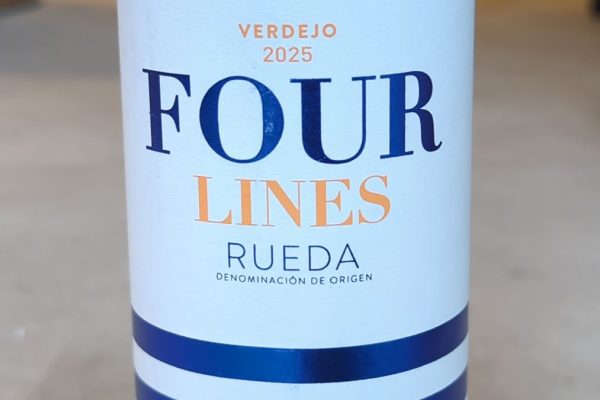
Cuatro Rayas Four Lines Verdejo is a wine I picked out in recent tastings at Asda and Morrisons, and I liked it enough that I had to go back to it. “Four Lines” is the English-market rendering of Cuatro Rayas, which refers to the Pago de las Cuatro Rayas, a vineyard area. This is the 2025 vintage, made from 100% Verdejo. It comes from a cooperative winery based in La Seca, Valladolid, right in the heart of Spain’s Rueda Verdejo country. The bottle looks great too, with blue glass designed to stand out on the shelf while also helping protect…
-
W/O Nero d’Avola Rosato
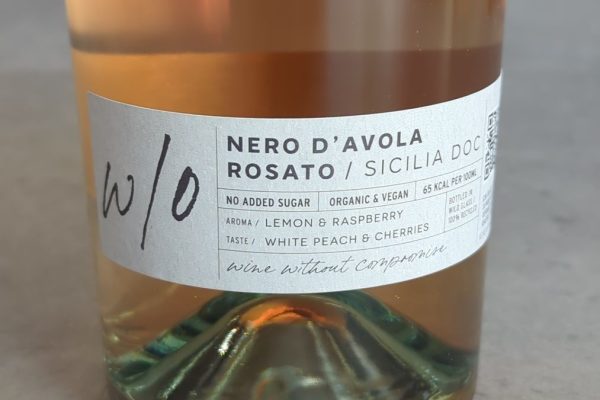
W/O Nero d’Avola Rosato is made around the idea of a wine made without (W/O) compromise, with sustainability placed front and centre. It comes from Sicilian winemaker Dino Taschetta and is bottled in 100% recycled ‘wild’ glass with no neck foil. The Nero d’Avola grapes are organic, grown in Marsala and Salemi, and the wine sits at 11.5%. It also has a high 4.1 rating on Vivino. In colour, it is light gold and much paler once poured into the glass. There is raspberry and citrus on the aroma, and it is strikingly expressive even when served cold. The fruit…
-
Siglo Tempranillo
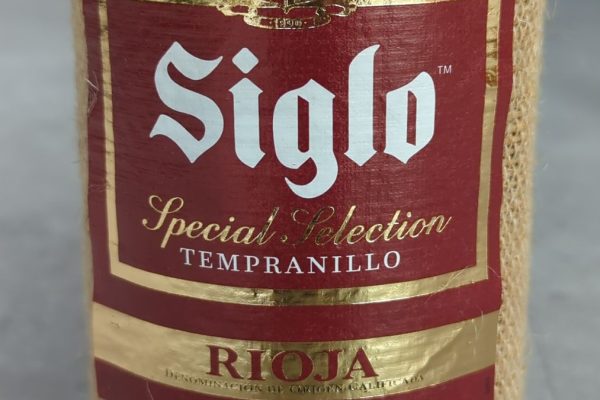
Siglo Tempranillo Special Edition from Bodegas Manzanos comes covered in a jute sack, which instantly gives the bottle a lovely old-world Spanish feel. The back label explains that winemakers in the past would wrap their best bottles in jute to help preserve them during transport, protecting them from shifts in temperature and light under the hot Spanish sun. This jute saco is hand-stitched by ASPRODEMA, an NGO supporting adults with intellectual disabilities. The wine is 100% Tempranillo from vineyards in Rioja Alta and the Rioja del Reyno area. Unusually, there is no visible vintage. The Rioja label is green, Joven,…
-
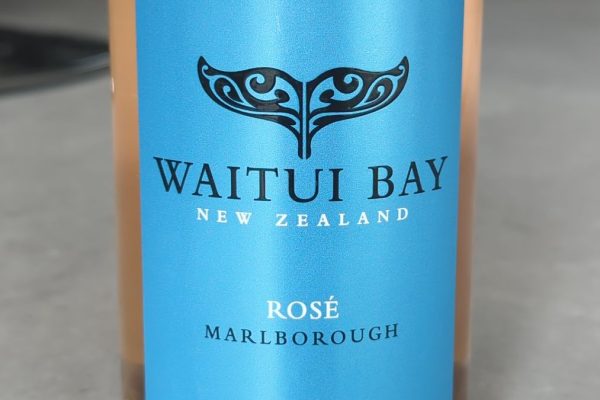
Waitui Bay Marlborough Rosé
Waitui Bay Marlborough Rosé is made by family-owned Marlborough Valley Wines and this is the 2025 vintage. It is a blend of Sauvignon Blanc and Malbec, with the Malbec bringing that Rosé colour. Through canopy management and site selection, they have achieved a lower alcohol level of 9.5% abv. It is worth saying upfront, this is not your typical Provence-style Rosé. Sauvignon Blanc Rosé can divide opinion. A Rosé tasting I gave in the past showed just how many people have come to expect Rosé to follow that pale, dry, Provence-inspired path. Personally, though, I enjoy Rosé wines that move…
-
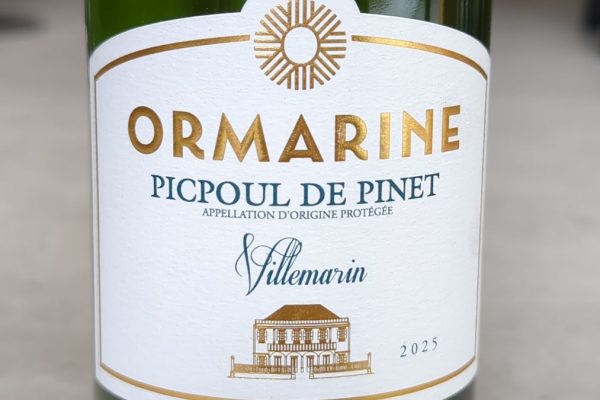
Villemarin Picpoul de Pinet
Villemarin Picpoul de Pinet, 2025 vintage, comes from Cave de l’Ormarine in Languedoc, France, the leading brand of the Picpoul de Pinet appellation and the only major Picpoul producer to be Terra Vitis certified sustainable. It’s from the village of Pinet, the home of the Piquepoul Blanc grape variety, and is made from 100% Piquepoul Blanc, with 12% ABV. This is classic Picpoul de Pinet. Pale lemon in colour, with lively aromas of lemon, lime, green apple and sea spray. It’s dry, brisk and citrus-charged, with that salty, mineral edge that makes Picpoul so refreshing. It’s great even served very…
-
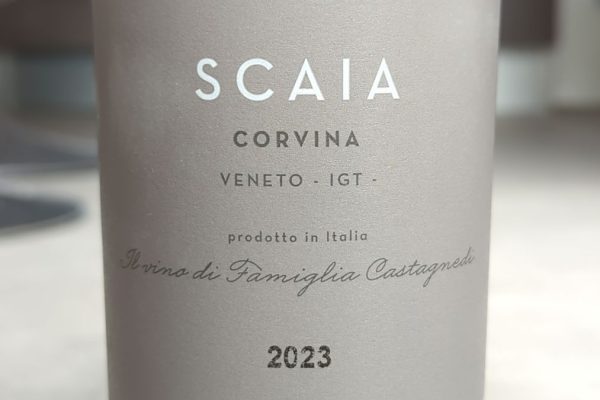
Tenuta Sant’Antonio Scaia Rossa Corvina
This is the last, and best, of a few wines I bought on a recent trip to Lombardy. Although Lombardy has plenty of its own wines, it also seems to be flooded with bottles from neighbouring Veneto. Scaia Rossa is a Veneto IGT wine from Tenuta Sant’Antonio, whose vineyards lie between Soave and Valpolicella. The name “Scaia” is a Venetian dialect word meaning a flake of stone, chalk or limestone. The Scaia project was launched in 2006, with the aim of creating wines in a modern style, outside the restrictions of the denomination system. It cannot be labelled Valpolicella DOC…
-
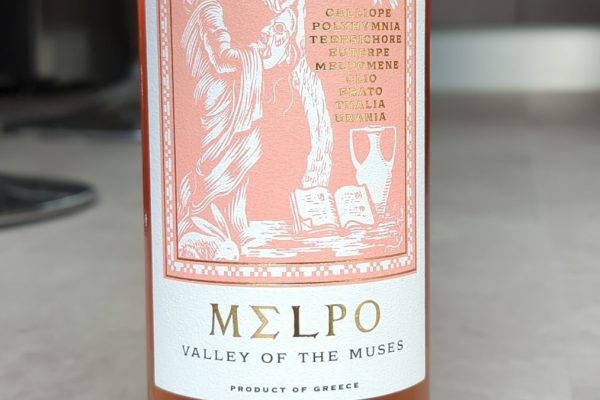
Melpo Valley of the Muses Rosé
This is a Rosé, 2024 vintage, from Mount Helicon near Athens in Greece, made from a blend of Syrah and the lemony freshness of Greece’s pink-skinned Roditis Alepou variety. It is a deep dark orange, which immediately sets it apart. At 12.5% abv, it feels nicely balanced rather than heavy. There are red fruit aromas, followed by a full strawberry taste and slight lemon that makes it instantly likeable. The texture is excellent, full-bodied for a rosé, soft and round, with a generosity you do not find in lighter Provence-style bottles. It seemed slightly sweet at first, but testing proved…
-
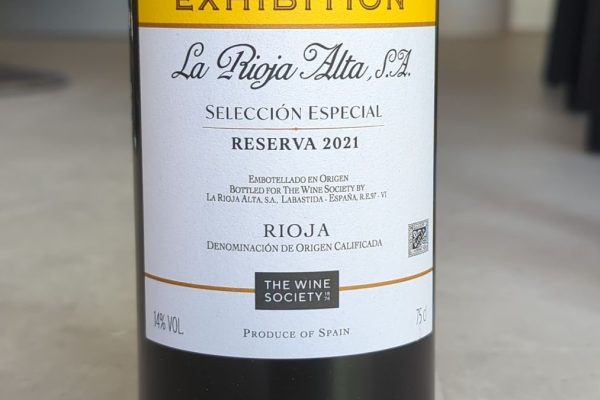
The Society’s Exhibition “Selección Especial” Rioja Reserva
I first came across this wine at The Society’s recent press tasting, when it was such a new vintage that it did not yet have a label. Wines without labels always make me wonder whether they will feel quite the same once they are actually on sale. For me, this was one of the best wines in the tasting, so I had to give it another try now that it is generally available. First of all, it comes from La Rioja Alta, one of the names best known for traditional, age-worthy Rioja wines, and widely considered one of Rioja’s classic…
-
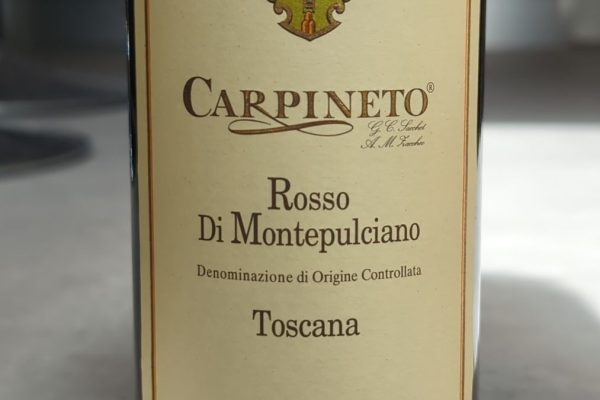
Carpineto Rosso di Montepulciano
A slightly different review this time, more of a lesson learned than a straight write-up. I picked up this Carpineto Rosso di Montepulciano recently while in Italy, the 2022 vintage. Carpineto is a Tuscan producer founded in 1967 in Dudda, Greve in Chianti. This wine comes from Montepulciano in the province of Siena, under the Rosso di Montepulciano DOC appellation. (It has absolutely nothing to do with Montepulciano d’Abruzzo.) It is a blend of mainly Sangiovese, known locally as Prugnolo Gentile, with Canaiolo. I looked it up while I was in the Italian shop and it seemed very well rated,…
-
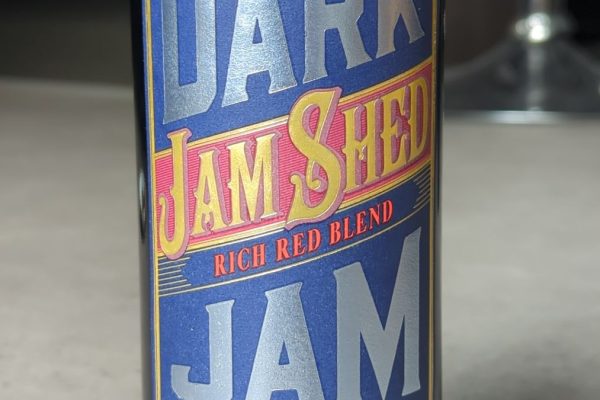
Jam Shed Dark Jam
Jam Shed have sent me their newest innovation, Dark Jam. Jam Shed has established itself as a top 10 brand according to Nielsen and while it might be put down by serious wine drinkers, it is impossible to ignore, especially as this one promises a deeper, more indulgent style of wine. The label says it is bolder and richer. It forms part of a new premium tier designed to deliver bolder expressions and more innovative flavours. It has also been developed to drive value growth as a clear trade-up option. Enough of the marketing, though, what is it actually like?…
-
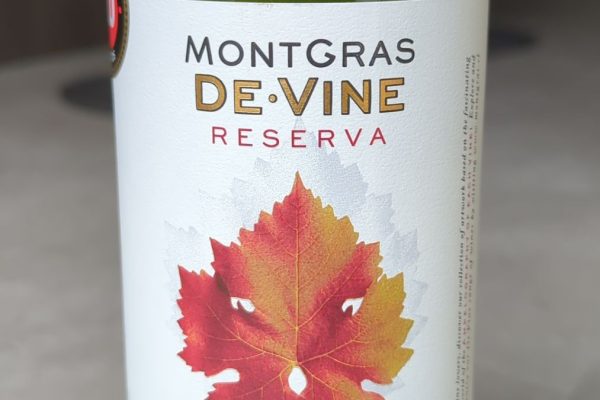
Montgras De Vine Reserva Carménère
Montgras De Vine Reserva Carménère comes from Chile’s Colchagua Valley and is made with 100% Carménère grapes, sitting at 13% abv. This 2023 vintage opens with smoky and cherry aromas, then moves into black fruit flavours with a medium to full-bodied feel. It is smooth yet light, very easy drinking, with low tannins and a dry to off-dry character. The finish brings a subtle coffee edge, which adds a nice little twist. It seemed even more smoky the day after opening. Great quality for the price, usually £9.75 from Waitrose, but on offer for £7.75 as I wrote this.
-
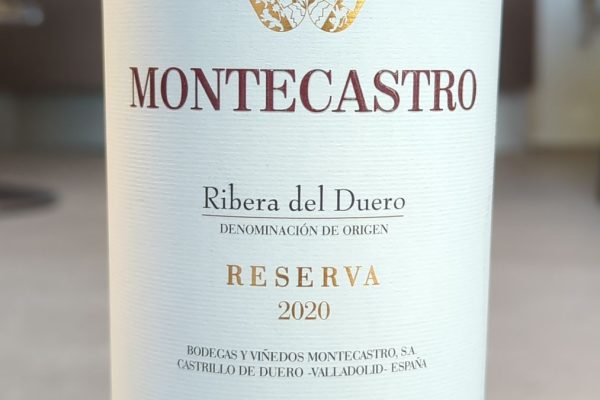
Montecastro Reserva Ribera del Duero
Montecastro Reserva Ribera del Duero 2020 is made from 95% Tempranillo and 5% Cabernet Sauvignon, with oak ageing in the mix. It has a high Vivino score of 4.1, Parker gives it 93 points, and Tim Atkin also scores it 93. I had the decanter ready, fully expecting this to be tannic and heavily oaked, as so many Ribera del Duero wines can be, but this one took me by surprise. It wasn’t like that at all. There’s oak there, certainly, along with a strawberry aroma. On tasting, it comes across as robust, dry, mouth-coating and very fruity. It feels…
-
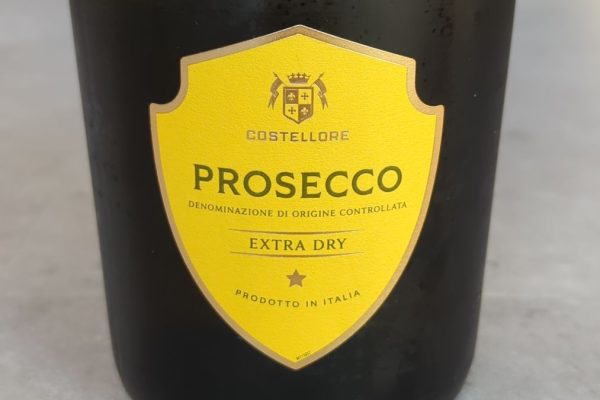
Costellore Prosecco
I picked up this wine as Aldi’s ‘Wine of the Week’, and at a sort of giveaway price it felt very much like a bottle designed to get people through the doors There’s no vintage and no mention of the producer, so I did not expect much, but it turned out to be a pleasant surprise. The producer code, IT/VI/4816, seems to point towards Cantina di Soave / Cadis 1898, a name associated with high price ‘Maximilian I’ Prosecco. Extra Dry is actually sweeter than Brut, which is a bit confusing because “extra dry” sounds as though it should be…
-
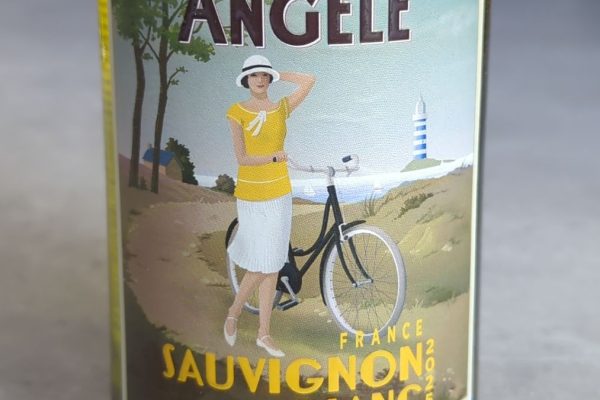
La Belle Angèle Sauvignon Blanc
La Belle Angèle Sauvignon Blanc comes with an elegant label featuring La Belle Angèle, the beautiful muse of the French Impressionists. It is a blend of Sauvignon Blanc from a number of areas, from the 2025 vintage, with a gentle 12% ABV. In the glass, it has a light gold colour. Served cold, it brings a gooseberry character in both aroma and flavour, fresh and lively. As it warms up, a greener nettle aroma starts to come through, while the flavour shifts towards citrus and a less sweet style of gooseberry. There is a pleasing mouthfeel too, helped along by…
-
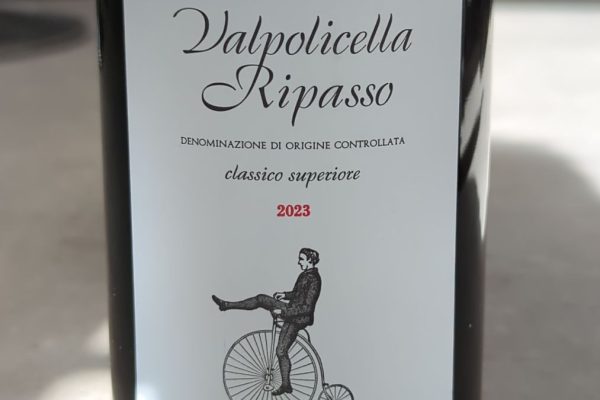
Delibori Valpolicella Ripasso Classico Superiore
Delibori Valpolicella Ripasso Classico Superiore is the first of a few wines I bought on a recent trip to the Lombardy region of Italy. Lombardy seems flooded with Valpolicella in restaurants, bars and supermarkets, even though it is not actually from Lombardy, but from neighbouring Veneto. Let’s unpick the name of the wine. “Valpolicella” is the wine region, near Verona. “Ripasso” means the wine has been passed again over the leftover grape skins and solids from Amarone or Recioto production. This gives a standard Valpolicella more body, alcohol, colour, tannin and dried-fruit complexity. “Classico” means the grapes come from the…
Pick Lists
Majestic | The Wine Society | Tesco | Waitrose | Sainsbury’s | Morrisons | Co-op | Asda | Lidl | £7 and Under | Over £20
Did You Know?
Australian wine exports to China have collapsed from around $1.2 billion to less than $10 million. More
Wine’s aroma is not determined solely by which flavour compounds it contains. More
Low-to-moderate wine consumption is associated with lower mortality. More
Moderate water stress can be part of what creates flavour and terroir expression. More
Wine appears less frequently online than other alcoholic drinks. More
Independent retailers had 9% fewer customers in March 2026 than two years earlier. More
Average spend per bottle in independents has risen by 23% since 2019, compared with 21% in supermarkets. More.
Nearly a third (32%) of UK consumers say they have already used AI for alcoholic drinks advice. More
Among socially active wine buyers, 37% have bought a wine recommended online. More
In 2026, 72% of consumers now think wine knowledge is essential to appreciation, up 20 percentage points on 2025. More
Rías Baixas wines reached more than 107 countries in 2025 and exports represented 31 per cent of the denomination’s total sales. More
Light Strike Can Cause Wine Degradation in Just One Day. More
People actively adjust their wine choices depending on who might see them. More
In the UK, 73% of Alcohol is Bought From Retail Rather Than Hospitality. More
UK wine production reached 124,377 hectolitres that year, meaning the UK accounted for roughly 0.05 per cent of world output. More
For Crémant, grapes must be harvested by hand and the wines must undergo at least nine months’ ageing before release. More
In 2024, the UK was the second-largest export market for Champagne globally, after the United States. More
Local UK bottling of wine represents about 40% of imported wine. More
Around 1% of people, typically severe asthmatics, have a sulphite sensitivity. More
A large 80% of Australian wine arrives in the UK in bulk. More
Only about 0.02% of Australia’s landmass is dedicated to vineyards. More
In 2024, New Zealand produced only 1% of the World’s wine. More
In 2024, the US imported 37% of World production of Pinot Grigio and the UK was is in second place at 27%. More
In 2024, the UK was South Africa’s largest export market, with 40% of total exports. More
In 2024, the United Kingdom imported 22.3 million bottles of Champagne, a decline of 12.7% compared to the previous year. More
Larger Champagne producers source grapes from as many as 80 different vineyards throughout Champagne. More
Champagne houses and growers collectively produce around 300 million bottles annually. More
In 2025, the Champagne region was home to about 2,124 Champagne houses and approximately 19,000 growers. More
Provence is one of the leaders in the conversion to organic viticulture, with 61% of vineyards certified. More
8% of the South Africa’s grape production is Fairtrade-certified. More
Up to 80% of wine aroma compounds come from grape skins. More
Glycerol is the third-largest component of most dry wines after water and alcohol which is why they so often feel ‘smooth’ or ‘silky’ in the mouth. More
Humans are more than 400 times more sensitive to bitter than sweet. More
Humans can detect the earthy molecule geosmin at about 100 parts per trillion and camels are so sensitive to it they can locate damp ground from roughly 50 miles away. More
During the phylloxera crisis of the nineteenth century, 90% of Europe’s vineyards were destroyed. More
In 2025, for La Vieille Ferme, also known as “The Chicken Wine”, sales surged by 49.4% to £110.8 million. More
In 2025, in the UK, Yellow Tail held the top position with sales, marking a 9.8% increase over the previous year. More
In 2024, the UK was the second-largest wine importer in volume and value. More
In 2024, the UK was the fifth-largest wine-consuming country globally. More
In 2025, global wine consumption continued its downward trend, estimated at 214.2 million hectolitres, the lowest since 1961. More
In 2025, online alcohol sales had a 20% increase in value over five years. More
In 2025, the number of UK vineyards rose to 1,104 and wineries to 238, with land under vine expanding to 4,841 hectares, a 510% increase since 2005. More
Moët Hennessy alone commands nearly 46.66% of the Champagne market, with the top three producers together holding about 61%, and the top five controlling over 72%. More
In 2024, the Champagne market was worth roughly €3.92 billion. More
In the marketing year 2023/24, white wine accounted for roughly 55% of Spain’s output, whereas red and rosé together made up about 45%. More
In the UK, 92% of wine is consumed within 48hrs of purchase. More
The majority of wines, 95%, use commercial rather than wild yeast. More
Between 0.5 and 10 litres of water, per litre of wine, are needed for cleaning during winemaking. More
Machine harvesting can achieve up to 100 tons of fruit per day vs 1 ton for a human. More
In Germany, 2025 was the smallest wine vintage since 2010. More
The majority of vineyards, 90% in 2019, are farmed with heavy chemical interventions. Only 6% are organic. More
90% of low and coastal areas in south Europe and California will no longer be able to produce good wine by the end of the century. More
IMAGE WALL
Tools
Recent




Tags
25% Off Wine Aldi Amarone Argentina Articles Asda Australia Austria Award Awards25 Bizarre Blog Books Bordeaux Bulk Bottling Cabernet Sauvignon Carménère Cava Champagne Chardonnay Chile Climate Change Coop Crémant Decanter Duty English Wine EPR Fairtrade Food France Germany Glossary Greece Health Hungary Italy IWSC Jeroboams Laithwaites Legislation Liberty Wines Lidl Low Alcohol M&S Majestic Malbec Merch Merlot Morrisons Natural Nero d'Avola News New Zealand Non-Alcoholic Ocado Old Vine Organic Past Tastings Pick List Pinotage Pinot Grigio Pinot Noir Port Portugal Primitivo Prosecco Research Reviews Ribera del Duero Riesling Rioja Ripasso Rose Sainsbury's Saperavi Sauvignon Blanc Shiraz Sicily South Africa Spain Sparkling Supermarkets Sustainable Tax Terroir Tesco The Wine Society Unrepresented USA Valpolicella Virgin Wines Waitrose Wanderlust Welsh Wine What to Buy Wine Art WineGB WIne Glasses Zinfandel