
Reviews
-
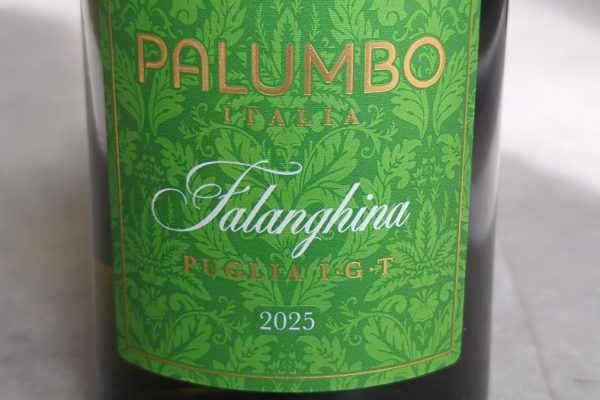
Palumbo Falanghina
More usually associated with Campania or Sicily, this Falanghina is different in that it comes from Puglia in southern Italy. It is made by Cantine Torrevento, a winery based in the northern part of the region, and from the well-known winemaker Leonardo Palumbo, who has put his own name on the label. This is the 2025 vintage and it has a very respectable Vivino score of 4/5. Clear in colour, it starts with a citrus and a distinctive pineapple aroma. That pineapple character follows through strongly in the flavour, balanced by fresh citrus acidity. As it warms up, a slight…
-
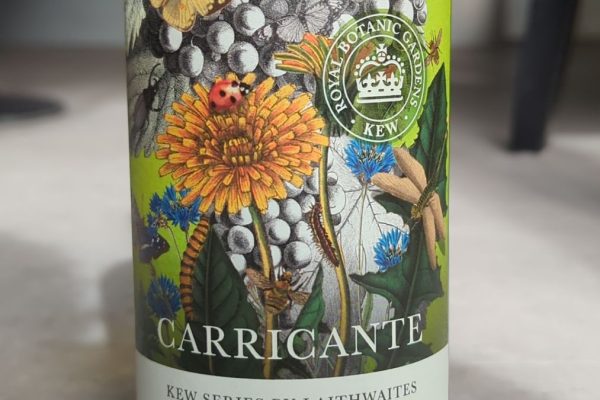
Kew Series Carricante
Kew Series Carricante is made in collaboration with the Royal Botanic Gardens, Kew, using Carricante, an indigenous Sicilian grape variety. This is the 2024 vintage, from vineyards on the slopes of Mount Etna in Sicily and has a refreshingly modest 11% ABV. Made by W/O Wines from organically grown grapes, it is also vegan. The W/O philosophy is all about doing things without (W/O) compromise, with sustainability placed front and centre. That extends to the packaging, with a bottle made from 100% post-consumer recycled wild glass and no neck foil. In the glass it is a pale lemon colour. Lemon…
-
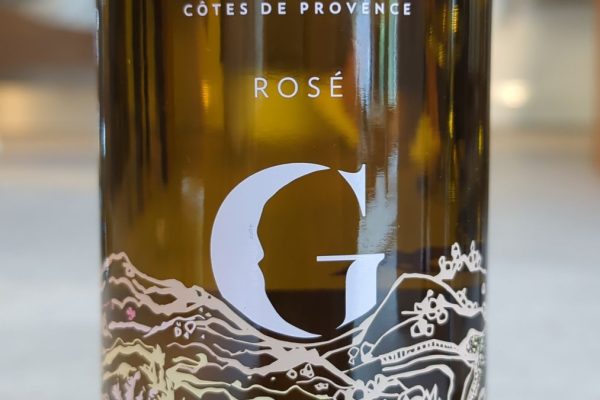
Maison Galoupet ‘G de Galoupet’ Organic Rosé
Maison Galoupet is a 300-year-old estate sitting along the Mediterranean coast in the Côtes de Provence. It holds prestigious Cru Classé status, a distinction awarded to only 18 producers in the region. In 2019, Moët Hennessy acquired the 160-hectare estate and put organic certification and sustainability at the heart of its operations. There is a strong focus on regional biodiversity too, with the estate home to five million bees and a queen bee breeding station run in partnership with the Observatoire Français d’Apidologie. G de Galoupet is a blend of 60% Grenache, 15% Cinsault, 10% Rolle, 10% Syrah and 5%…
-
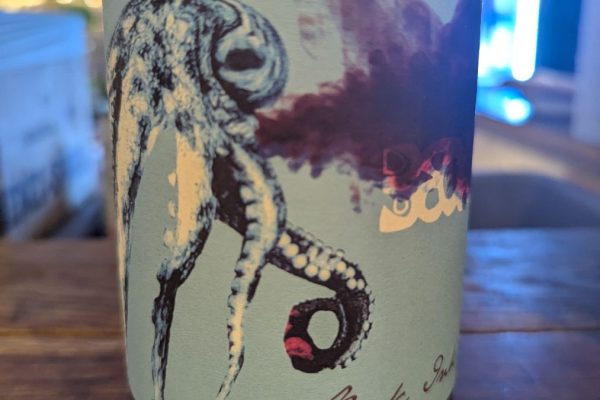
Beck Ink
I came across Beck Ink while eating at Unwined, a wine bar and restaurant near Waterloo in London. It comes from Judith Beck in Austria, close to Lake Neusiedl in the east of the country, where she works organically and biodynamically, with a low-intervention approach to winemaking. Beck Ink is a blend of Zweigelt and St. Laurent grapes. Despite the “Ink” name and its deep colour, this isn’t intended to be a massive or heavily extracted red. This is the 2023 vintage, at 12% ABV. There is a deep cherry, cinnamon and clove on the aroma. It tastes wonderfully juicy,…
-
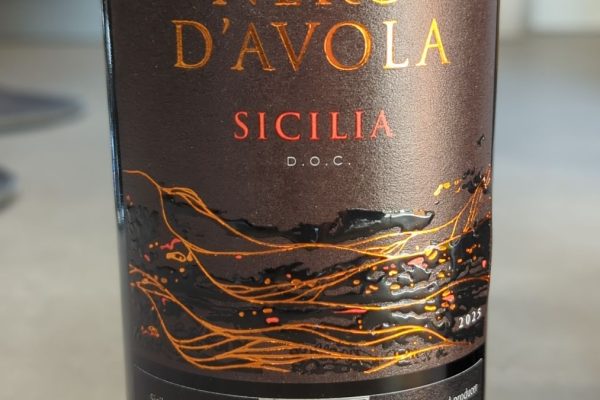
Finest Nero d’Avola
This Finest Nero d’Avola was one my wife picked up at Tesco and it turned out to be a great choice. It is good to see the producer, Colomba Bianca, actually named rather than finding another anonymous bulk-bottled wine. This is bottled at source in western Sicily, around Mazara del Vallo and Salemi in the province of Trapani, by this wine co-operative representing some 2,480 individual grape growers. Colomba Bianca is not simply a mass wine producer either. The co-operative has been moving towards more quality-focused bottled wines, including organic ranges and wines made from selected old vineyards. The grape…
-
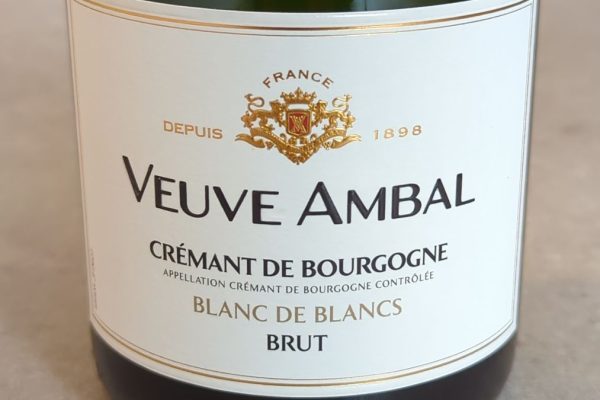
Veuve Ambal Crémant de Bourgogne Blanc de Blanc
This is a new wine at Majestic. Its from Burgundy, made by Maison Veuve Ambal, a producer that has been around since 1898. The business is now run by the sixth generation of the Piffaut family and today has a strong commitment to sustainable practices, having earned France’s highest official tier of environmental certification. Veuve Ambal is also one of the principal producers of Crémant de Bourgogne. This is a non-vintage sparkling wine made from 95% Chardonnay and 5% Aligoté, both white grapes, hence the Blanc de Blancs name. It is made in the same way as Champagne, with a…
-
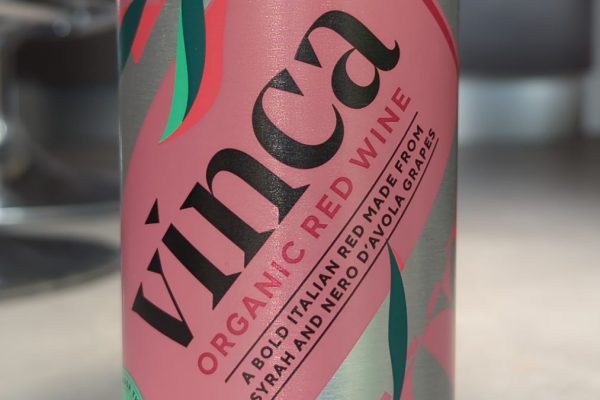
Vinca Organic Red Wine
I broke one of my own rules with this one, not picking up a wine simply because the packaging looks different or attractive, but curiosity got the better of me. Wine in a can is nothing unusual these days, but a full 750ml can certainly is. The can is made from recycled aluminium, with Vinca claiming it produces four times less CO2 than glass bottles. There is also a special internal lining designed to keep the wine protected from contact with the metal. The brand is Vinca Wine, founded by friends Jack Green, Zak Walters and Charlie Vass. Green’s interest…
-
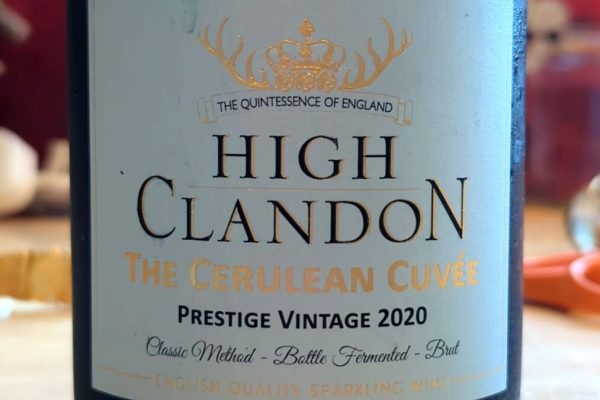
High Clandon The Cerulean Cuvée
The Cerulean Cuvée 2020 was a real treat, shared with my wife and I, when we went round to see friends who live close to High Clandon Estate in East Clandon, on the chalky Surrey Hills. The estate was founded in 2004 by Sibylla and Bruce Tindale and is very much a small, boutique operation. I have visited before for events, with wine, including charity art exhibitions. Its one-acre vineyard is entirely hand tended. High Clandon has built an impressive reputation for such a small estate. It has won the IWC Cellar Door of the Year trophy twice and received…
-
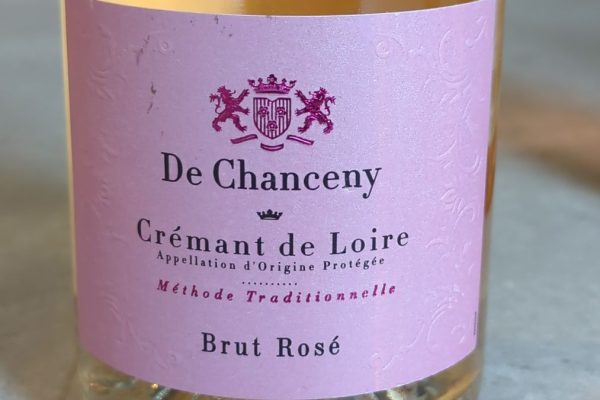
De Chanceny, Crémant de Loire Rosé
This is a non-vintage Crémant, from the vineyards located around the village of Brossay, in the southern part of the Saumur region. It is produced by Vignerons de Saumur and is a blend of 90% Cabernet Franc and 10% Grolleau, with an alcohol level of 11.5%. This wine is made using the traditional method, with a second fermentation in bottle, followed by ageing in tuffeau limestone cellars. Tuffeau is the distinctive white stone that was also used in the construction of many of the Loire’s famous castles. It picked up Silver at the 2022 Concours des Crémants, a Silver Medal…
-
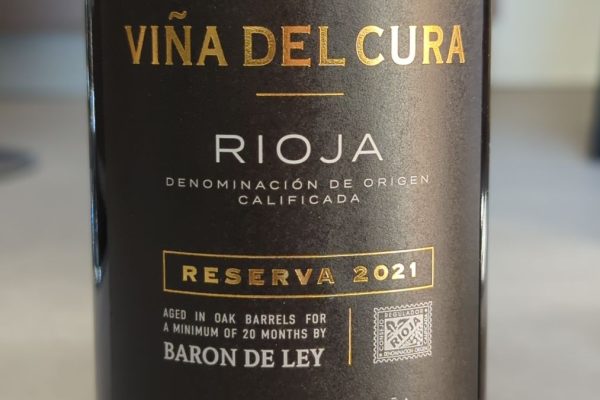
Viña del Cura Reserva
I first came across this wine at a Tesco press tasting and it was one of those wines that immediately stood out. I was interested to see whether a full bottle at home would live up to that first impression. This 2021 vintage is made from 100% Tempranillo by Barón de Ley. It spends 20 months ageing in French and American oak, followed by a further 16 months in bottle, and finishes at 14% abv. This is the real deal. It is estate bottled, with DOCa Rioja prohibiting bulk bottling, and it comes from a renowned producer with a strong…
-
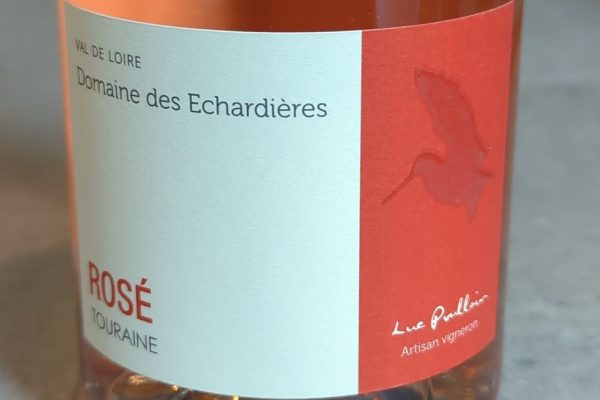
Domaine des Echardières Touraine Rosé
This wine comes from Domaine des Echardières in the Cher Valley, in France’s Loire region. It’s a lively blend of roughly equal quantities of Malbec, Cabernet Franc, Gamay and Grolleau, all bringing fragrance and juicy fruit, alongside a rare red grape, Pineau d’Aunis. This is the 2025 vintage, at 12.5% abv, and it has earned a very impressive 4.7 out of 5 on The Wine Society website. The colour is a delicate, almost luminous light pink. There’s a gentle floral character at first, quickly joined by fresh raspberry. Take a sip and it almost seems sweet for a moment, but…
-
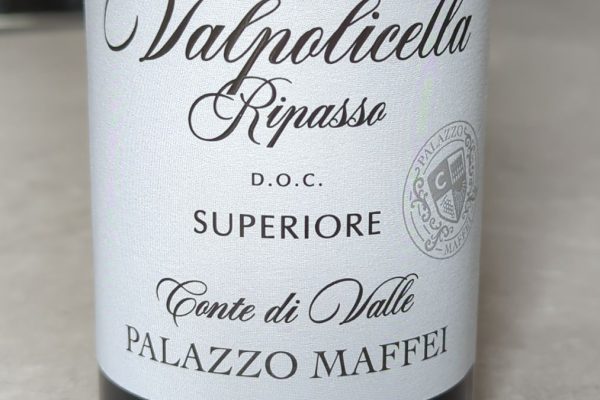
Valpolicella Ripasso Superiore Palazzo Maffei
I particularly liked this wine at the last Co-op press tasting and found myself looking for it every time I went into my local Co-op afterwards. It proved surprisingly elusive. I finally spotted it while on holiday in Dorset, so I snapped up a bottle. The Palazzo Maffei name comes directly from the historic estate once occupied by the Marquises Maffei. The Maffei family was prominent among Verona’s aristocracy, and the estate itself appears on maps dating from around 1600. This 2021 vintage is a blend of 60% Corvina, 30% Corvinone and 10% Rondinella. The Superiore designation means it has…
-
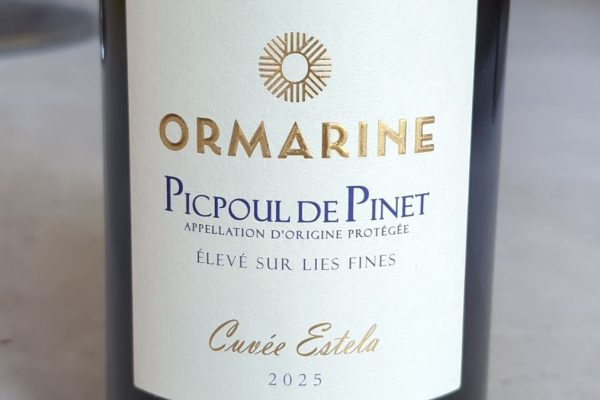
Ormarine Cuvée Estela Picpoul de Pinet
This is the new 2025 vintage of this distinctive Picpoul from the South of France. It comes from the Languedoc, now administratively part of Occitanie, specifically the AOP Picpoul de Pinet appellation in Hérault. Unlike a classic Picpoul, Cuvée Estela spends a minimum of six months ageing on its lees, giving the wine greater weight and a richer, more rounded mouthfeel. The label prominently carries the words “Élevée sur Lies Fines”, making a clear distinction between this fuller lees-aged version and the producer’s more straightforward Picpoul bottlings. It comes in at 12.5% ABV. In the glass it is a pale…
-
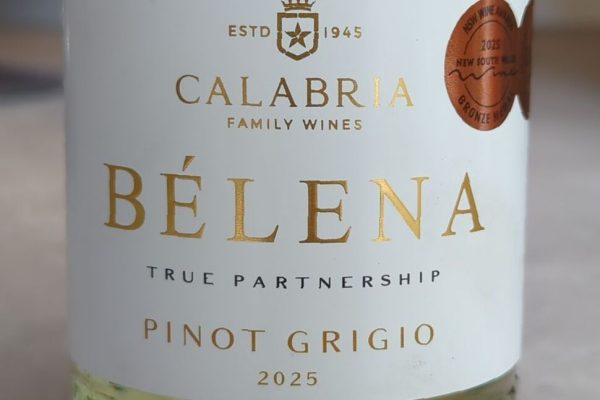
Calabria Bélena Pinot Grigio
I covered the Calabria and Bélena story in my review of the sister Rosé wine. Calabria is an Italian family that migrated to Australia in 1945, and this one takes the Italian connection a little further, using one of Italy’s classic white grape varieties. This is the 2025 vintage, made from 100% Pinot Grigio and coming in at 12% ABV. As with the Rosé, the decorative, faceted crystal-style clear-glass bottle feels rather more Italian than Australian, and it is good enough to keep afterwards as a decorative water bottle. Both the bottle and the labels look considerably more premium than…
-
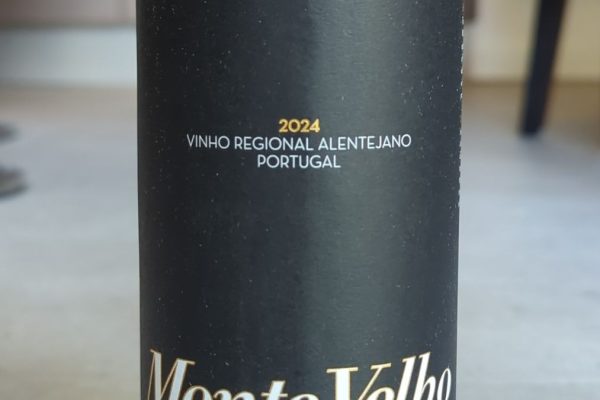
Esporão Monte Velho Red
Esporão is a producer I’ve liked for a long time, particularly for its Reserva. A few of their newer, more approachable wines have appeared in supermarkets very recently and I’ve been less impressed with those, so I was interested to try Monte Velho Red. It is again aimed at being an accessible, everyday wine, but it is available through more premium retailers. It comes from Portugal’s Alentejo wine region and was first released in 1992 as a more accessible, everyday expression inspired by Esporão Reserva. The blend changes somewhat with each vintage. There’s lots of information on the back label,…
-
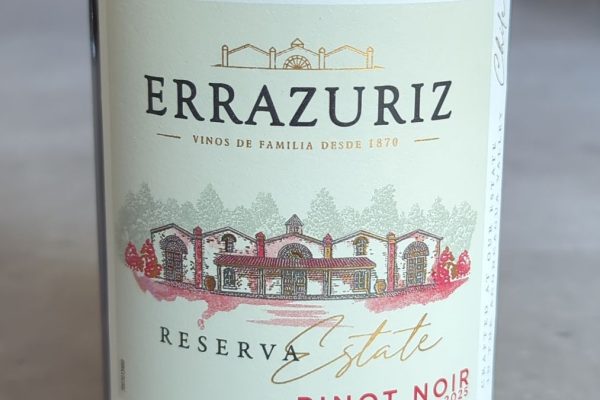
Erazuriz Estate Reserva Pinot Noir
Viña Errázuriz was founded in 1870 by Don Maximiano Errázuriz, who introduced French grape varieties to Chile’s Aconcagua Valley in Chile. This is the 2025 vintage, made from 100% Pinot Noir. It is lightly oaked, with 50% of the wine subsequently aged for six months in French oak barrels, and comes in at 13% abv. It pours a pale red, with red cherry, strawberry and rose coming through alongside a lovely herbal character. Strawberries and cherries lead the way when drinking, followed by gentle spice and a savoury mushroom character. It is dry, with a light to medium body, although…
-
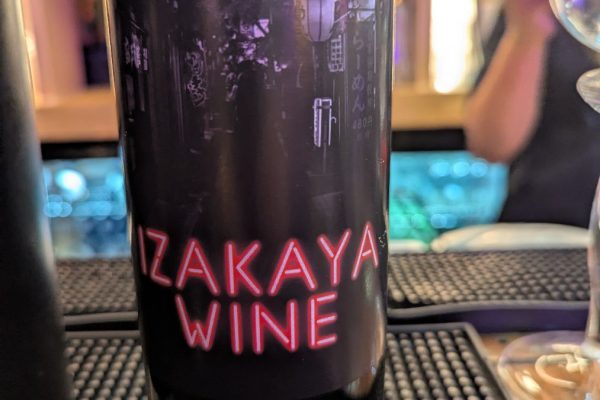
Izakaya Red
Last week I was in London and ate at Maki & Ramen in Soho. I’m becoming increasingly sceptical about ordering wine when eating out, partly because I’ve been disappointed too many times, and partly because some of the mark-ups are eye-watering. This time, though, I tentatively ordered the Izakaya Red from Portugal, described on the drinks list as “Specially made to compliment Japanese Cuisine”. It turned out to be a bit of a good surprise. The wine is Vinho Tinto by Caves Campelo in Portugal. The back label goes even further, declaring it “The Ultimate Wine for Asia Cuisine”. It…
-
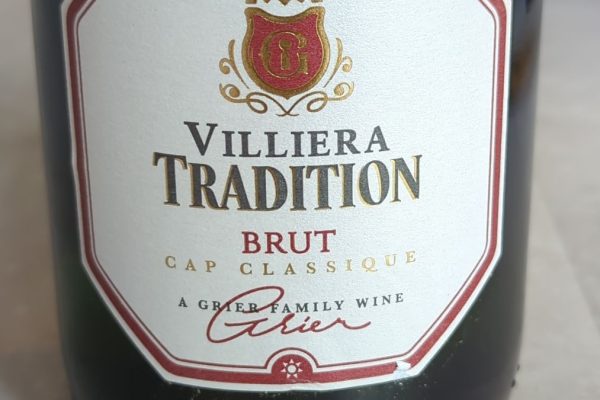
Villiera Cap Classique Brut
Villiera Cap Classique Brut comes from South Africa, from a producer that has become one of the country’s most respected names in sparkling wine. Villiera played an important part in establishing Cap Classique as one of South Africa’s flagship wine styles and became particularly associated with traditional-method sparkling wine, helped in its early years by Champagne producer Jean-Louis Denois. The word “Tradition” is particularly fitting here, as this was Villiera’s first Cap Classique, first produced in 1984. Villiera Wines is also home to the Pebbles Project, which enriches the lives of thousands of children in the Winelands of the Western…
-
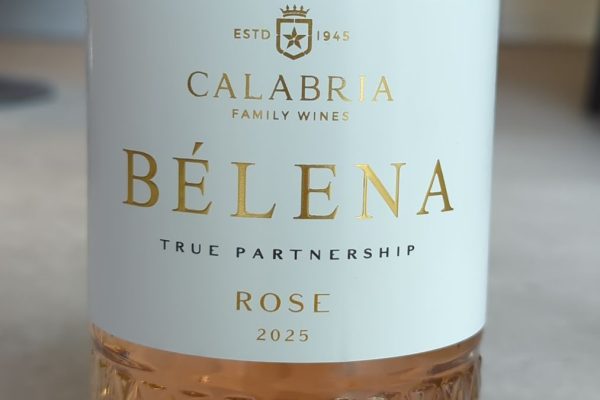
Calabria Bélena Rosé
Calabria Bélena Rosé comes from Calabria Family Wines, drawing fruit from NSW/South Australia. “True Partnership” appears on the label, and there is a family story behind it. The name Bélena pays respect to the second generation, Bill and Lena Calabria, combining “Bill” and “Lena”. It celebrates their partnership in guiding the family through difficult periods and building a future for the generations that followed. The family originally came from Italy and the business is now into its fourth generation. It began in 1945 with Francesco and Elisabetta, who courageously journeyed across the world to forge a new future for their…
-
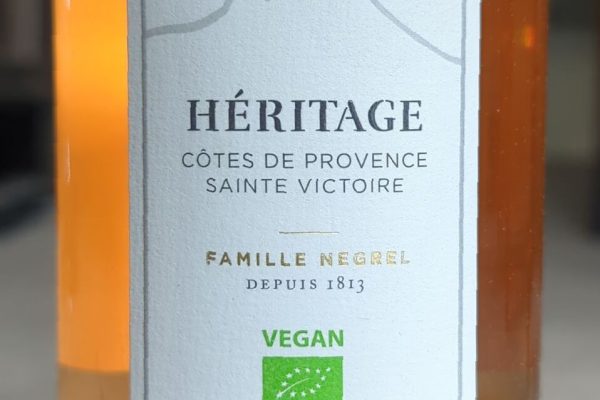
Heritage Côtes De Provence Rosé
Héritage Rosé from Famille Negrel comes from Côtes de Provence Sainte-Victoire. The producer is a little shy about revealing the exact blend, but it’s likely to be Grenache, Syrah and Cinsault. This is the 2024 vintage, vegan, with 12.5% abv, and it has an impressive 3.9 rating on Vivino. In the glass, it’s a very pale salmon. Strawberry, redcurrant, pink grapefruit and white flower aromas give it a bright, summery character. It’s dry, with delicate red fruit and citrus, brisk acidity and a light salinity. Medium to full in body, it has a particularly satisfying mouthfeel, and that extra sense…
Pick Lists
Majestic | The Wine Society | Tesco | Waitrose | Sainsbury’s | Morrisons | Co-op | Asda | Lidl | £7 and Under | Over £20
Did You Know?
Australian wine exports to China have collapsed from around $1.2 billion to less than $10 million. More
Wine’s aroma is not determined solely by which flavour compounds it contains. More
Low-to-moderate wine consumption is associated with lower mortality. More
Moderate water stress can be part of what creates flavour and terroir expression. More
Wine appears less frequently online than other alcoholic drinks. More
Independent retailers had 9% fewer customers in March 2026 than two years earlier. More
Average spend per bottle in independents has risen by 23% since 2019, compared with 21% in supermarkets. More.
Nearly a third (32%) of UK consumers say they have already used AI for alcoholic drinks advice. More
Among socially active wine buyers, 37% have bought a wine recommended online. More
In 2026, 72% of consumers now think wine knowledge is essential to appreciation, up 20 percentage points on 2025. More
Rías Baixas wines reached more than 107 countries in 2025 and exports represented 31 per cent of the denomination’s total sales. More
Light Strike Can Cause Wine Degradation in Just One Day. More
People actively adjust their wine choices depending on who might see them. More
In the UK, 73% of Alcohol is Bought From Retail Rather Than Hospitality. More
UK wine production reached 124,377 hectolitres that year, meaning the UK accounted for roughly 0.05 per cent of world output. More
For Crémant, grapes must be harvested by hand and the wines must undergo at least nine months’ ageing before release. More
In 2024, the UK was the second-largest export market for Champagne globally, after the United States. More
Local UK bottling of wine represents about 40% of imported wine. More
Around 1% of people, typically severe asthmatics, have a sulphite sensitivity. More
A large 80% of Australian wine arrives in the UK in bulk. More
Only about 0.02% of Australia’s landmass is dedicated to vineyards. More
In 2024, New Zealand produced only 1% of the World’s wine. More
In 2024, the US imported 37% of World production of Pinot Grigio and the UK was is in second place at 27%. More
In 2024, the UK was South Africa’s largest export market, with 40% of total exports. More
In 2024, the United Kingdom imported 22.3 million bottles of Champagne, a decline of 12.7% compared to the previous year. More
Larger Champagne producers source grapes from as many as 80 different vineyards throughout Champagne. More
Champagne houses and growers collectively produce around 300 million bottles annually. More
In 2025, the Champagne region was home to about 2,124 Champagne houses and approximately 19,000 growers. More
Provence is one of the leaders in the conversion to organic viticulture, with 61% of vineyards certified. More
8% of the South Africa’s grape production is Fairtrade-certified. More
Up to 80% of wine aroma compounds come from grape skins. More
Glycerol is the third-largest component of most dry wines after water and alcohol which is why they so often feel ‘smooth’ or ‘silky’ in the mouth. More
Humans are more than 400 times more sensitive to bitter than sweet. More
Humans can detect the earthy molecule geosmin at about 100 parts per trillion and camels are so sensitive to it they can locate damp ground from roughly 50 miles away. More
During the phylloxera crisis of the nineteenth century, 90% of Europe’s vineyards were destroyed. More
In 2025, for La Vieille Ferme, also known as “The Chicken Wine”, sales surged by 49.4% to £110.8 million. More
In 2025, in the UK, Yellow Tail held the top position with sales, marking a 9.8% increase over the previous year. More
In 2024, the UK was the second-largest wine importer in volume and value. More
In 2024, the UK was the fifth-largest wine-consuming country globally. More
In 2025, global wine consumption continued its downward trend, estimated at 214.2 million hectolitres, the lowest since 1961. More
In 2025, online alcohol sales had a 20% increase in value over five years. More
In 2025, the number of UK vineyards rose to 1,104 and wineries to 238, with land under vine expanding to 4,841 hectares, a 510% increase since 2005. More
Moët Hennessy alone commands nearly 46.66% of the Champagne market, with the top three producers together holding about 61%, and the top five controlling over 72%. More
In 2024, the Champagne market was worth roughly €3.92 billion. More
In the marketing year 2023/24, white wine accounted for roughly 55% of Spain’s output, whereas red and rosé together made up about 45%. More
In the UK, 92% of wine is consumed within 48hrs of purchase. More
The majority of wines, 95%, use commercial rather than wild yeast. More
Between 0.5 and 10 litres of water, per litre of wine, are needed for cleaning during winemaking. More
Machine harvesting can achieve up to 100 tons of fruit per day vs 1 ton for a human. More
In Germany, 2025 was the smallest wine vintage since 2010. More
The majority of vineyards, 90% in 2019, are farmed with heavy chemical interventions. Only 6% are organic. More
90% of low and coastal areas in south Europe and California will no longer be able to produce good wine by the end of the century. More
IMAGE WALL
Tools
Recent




Tags
25% Off Wine Aldi Amarone Argentina Articles Asda Australia Austria Award Awards25 Bizarre Blog Books Bordeaux Bulk Bottling Cabernet Sauvignon Carménère Cava Champagne Chardonnay Chile Climate Change Coop Crémant Decanter Duty English Wine EPR Fairtrade Food France Germany Glossary Greece Health Hungary Italy IWSC Jeroboams Laithwaites Legislation Liberty Wines Lidl Low Alcohol M&S Majestic Malbec Merch Merlot Morrisons Natural Nero d'Avola News New Zealand Non-Alcoholic Ocado Old Vine Organic Past Tastings Pick List Pinotage Pinot Grigio Pinot Noir Port Portugal Primitivo Prosecco Research Reviews Ribera del Duero Riesling Rioja Ripasso Rose Sainsbury's Saperavi Sauvignon Blanc Shiraz Sicily South Africa Spain Sparkling Supermarkets Sustainable Tax Terroir Tesco The Wine Society Unrepresented USA Valpolicella Virgin Wines Waitrose Wanderlust Welsh Wine What to Buy Wine Art WineGB WIne Glasses Zinfandel