
Climate Change
-
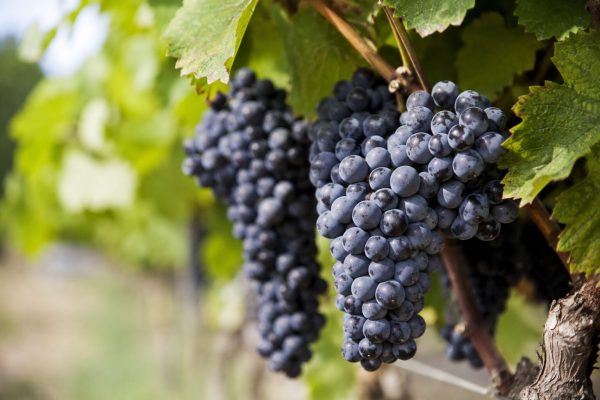
How Climate Change Could Reshape the Taste of Chardonnay and Pinot Noir
A new paper asks, as vineyards get warmer and drier, will familiar grapes such as Chardonnay and Pinot Noir continue to taste recognisably like themselves? The researchers analysed 256 grape-juice samples from 80 vineyards across 13 European and Argentine wine regions over the 2019–2021 vintages, looking at vine water stress and thousands of metabolites. One of the most interesting findings is that water stress is not simply “bad”. Increasing water deficit was associated with changes in hundreds of compounds, including phenolics, antioxidant compounds and glycosidic aroma precursors, compounds stored in grapes that can subsequently contribute to wine aroma. Many of…
-
How Climate Change Could Reshape the Wines We Drink
A great recent paper, Future viability of European vineyards using bioclimatic climate analogues, examines how Europe’s wine map could change as the climate warms. It compares the future climate of established vineyards with places experiencing similar conditions today, while considering not only temperature but also frost, extreme heat, humidity, rainfall and three major vine diseases. The researchers analysed 21,076 vineyard sites and considered conditions around 2040, 2060 and 2080. They adjusted their calculations for elevation, slope and exposure, which can make an individual vineyard considerably warmer or cooler than the surrounding area. The main conclusion is that European wine production…
-

How Alcohol and Acidity Shape Red Wine Flavour
A new paper from researchers in Naples, Italy, asks a practical question: as climate change makes some red wines higher in alcohol and alters their acidity, does that also change how strongly certain aromas are released and perceived? The researchers focused on two naturally occurring aroma compounds, γ-nonalactone and massoia lactone. At noticeable levels, these can contribute sweet, cooked-fruit aromas such as prune and dried fig. In some dry red wines, these notes may be interpreted as over-ripeness or premature ageing rather than desirable fruit development. They took one red wine, removed most of its original aroma, and rebuilt it…
-
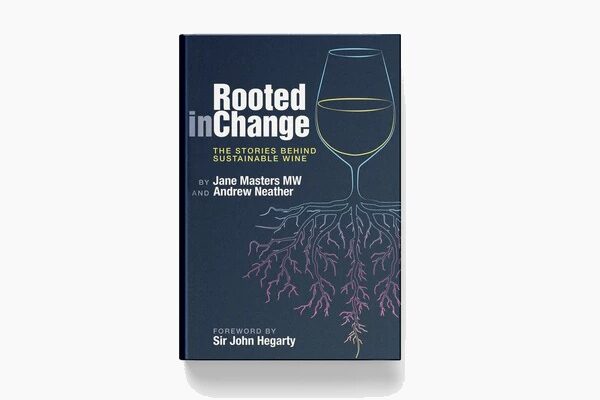
Rooted in Change: The Stories Behind Sustainable Wine
Jane Masters MW and Andrew Neather have created something different in the world of wine publishing: a serious, grounded examination of wine’s relationship with climate change, sustainability and trade. Published in 2025 and running to 248 pages, the book avoids lifestyle fluff and instead offers a sober, evidence-based account of where wine stands today and where it’s heading. Masters brings weighty authority as a Master of Wine and former Chair of the Institute of Masters of Wine, with a particular interest in sustainability. Neather, known for his decade-long stint as the wine critic at the London Evening Standard, brings clarity…
-
Smallest Vintage in Germany Since 2010
Germany is set to record its smallest wine vintage since 2010, with the nationwide grape must harvest estimated at just 7.3 million hectolitres. This marks a 7% decline compared to last year and a 16% drop against the 10-year average of 8.7 million hectolitres. The sharp reduction is largely due to poor yields in the major wine-producing regions of Rheinhessen, Pfalz, Baden and Württemberg, where factors such as smaller grape berries, low must yields and heavy rainfall in mid-September led to significant losses. Rheinhessen alone saw a 23% drop from the 10-year average, while similar declines were reported in Pfalz,…
-
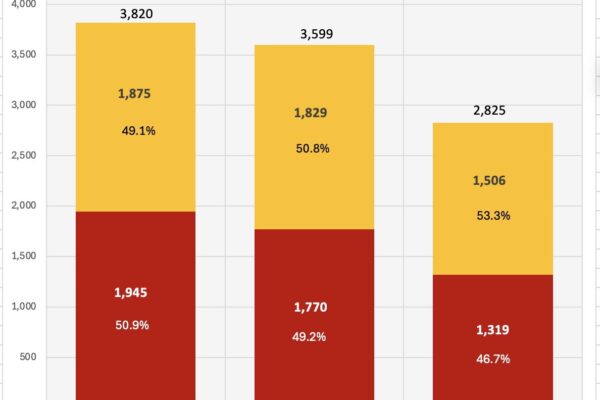
Spain’s Wine Industry at a Red-White Crossroads
The American Association of Wine Economists recently posted a chart showing Spain’s wine production has been declining and it has also shifted away from red. Spain’s falling output is mostly a climate story, amplified by weaker demand and policy responses. After peaking in 2018, production has trended lower as drought, heat and erratic rainfall have reduced yields and made harvests earlier and more variable. 2023 was especially poor, with Spain’s wine output dropping to about 28.3 million hectolitres, its lowest since the mid-1990s. At the same time Spain’s vineyard area edged down by about 1% in 2023, and authorities activated…
-

Bordeaux Royalty Chooses Vin de France
Château Lafleur has fired the starting gun on one of the most consequential shifts in modern Bordeaux. In a letter dated Sunday 24 August 2025, the Guinaudeau family confirmed that, from the 2025 harvest, all six of the estate’s wines will drop the appellations of Pomerol and Bordeaux and be labelled Vin de France. For a domaine whose micro-parcels in Pomerol are among the most coveted in the world, the step is as audacious as it is symbolic. The letter frames the decision as the logical extension of Lafleur’s long-held philosophy of working “off the beaten path”. It argues that…
-

Climate Change Fuels Rise of Non-Vintage Wines
The BBC is reporting that climate change is leading more winemakers to produce non-vintage still wines, blending grapes from different years to cope with increasingly unpredictable weather. While vintage has long been seen as a mark of quality, extreme conditions like heatwaves, wildfires, and frosts are making single-year production more difficult. To maintain consistency and avoid spoilage, respected producers in California and Italy are embracing non-vintage blends, despite lingering stigma. Winemakers such as Chris Howell in Napa Valley and Riccardo Pasqua in northern Italy have turned to multi-year blends after facing climate-related challenges. Both argue that blending across vintages allows…
-
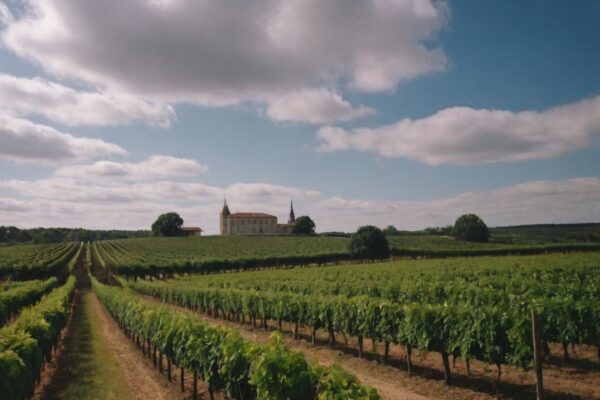
How Climate Change is Affecting Bordeaux Wine Producers
New research examines the impact of climate change on the income of wine producers in the Bordeaux region. The study analyses the relationship between climate variables, vineyard characteristics and economic performance. The findings indicate that rising temperatures and changing rainfall patterns significantly affect vineyard yields and income, with high temperatures during the bloom period (May to July) reducing yields, while warmer conditions during ripening (August to September) have a positive effect. Rainfall variability, particularly excessive precipitation during the bloom period, also negatively impacts yields. Wine producers in Bordeaux have responded by adapting their business strategies. Many have expanded their vineyard…
-
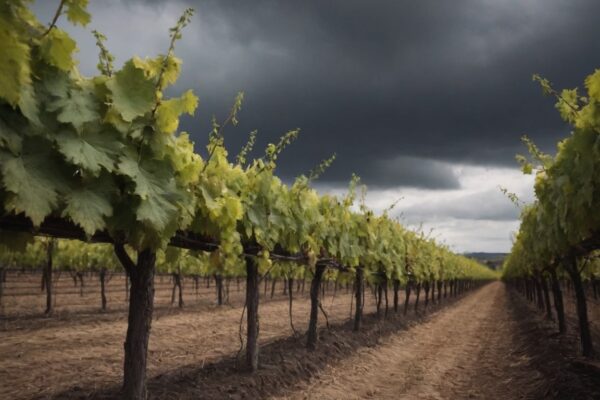
The Effects of Climate Change on Winemaking
Researchers from Italy have put together a useful paper (pdf) on the effects of climate change on wine composition and winemaking processes, focusing on the challenges posed and strategies to address them. This research is relevant because climate change will increasingly alter the flavour profiles, quality and availability of wines. It highlights how increasing temperatures, changing rainfall patterns and extreme weather events impact grapevine physiology, grape composition and overall wine quality. These changes result in higher sugar content, reduced acidity and elevated pH levels, leading to increased alcohol levels in wine, which affects its sensory characteristics and market appeal. To…
-
Insights from Vivino vs Expert Bordeaux Reviews
A new paper from Cambridge University Press examines the validity of crowdsourced wine ratings, focusing on the Vivino platform, by comparing them with professional critics’ assessments and exploring their sensitivity to weather variations that impact wine quality. Using a dataset of Bordeaux red wines, the study finds substantial correlation between Vivino ratings and professional evaluations, though the latter exhibit stronger internal consistency. Differences are partly due to amateurs prioritising immediate drinking pleasure, whereas professionals consider the wine’s ageing potential. Both amateurs and critics are responsive to weather conditions that affect grape quality, aligning with findings in viticulture literature. However, the…
-
Lowest Wine Output Since 1961
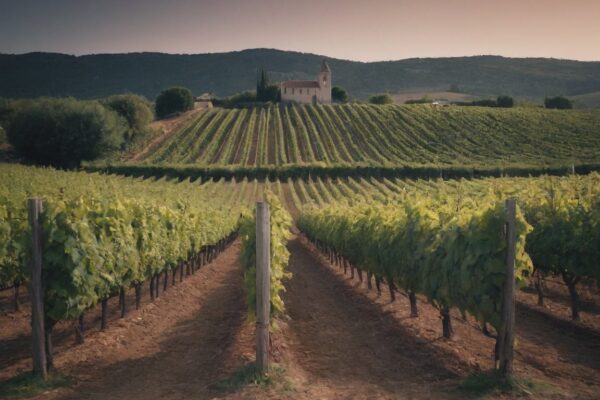
The OIV’s new 2024 World Wine Production Outlook (PDF) highlights a challenging year for the global wine industry, with production estimated at 227 to 235 million hectolitres, reflecting a 2% decline from 2023 and a 13% decrease compared to the ten-year average. This marks the lowest global output since 1961, primarily driven by adverse climatic conditions across both hemispheres. In Europe, production has been significantly affected by extreme weather, with France experiencing a sharp 23% drop, while Italy regains its position as the leading global producer despite remaining 13% below its five-year average. Spain, although improving from 2023, remains 4%…
-
Consumer Attitudes and Willingness to Pay for Sustainable Wine
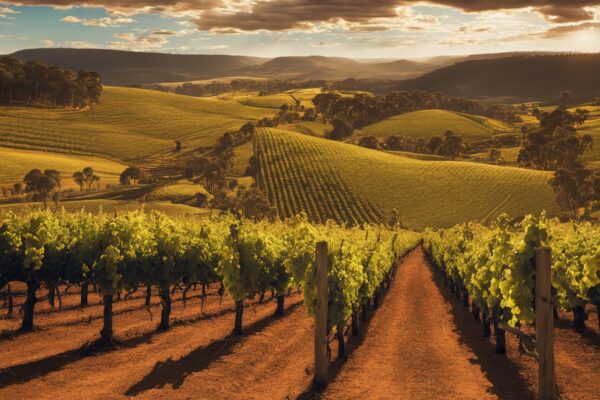
New research (pdf) looks into how age influences consumer attitudes and their willingness to pay for sustainably produced wine. The research is based on a survey of approximately 2,500 wine consumers across seven countries: the United States, South Africa, Netherlands, Italy, France, Chile and Australia. The study finds that younger consumers, those aged 18 to 44, are more inclined to view sustainable wine certification as important compared to older consumers aged 45 and above. This younger group also shows a slightly higher willingness to pay a premium for sustainably produced wines. However, while the willingness to pay among younger consumers…
-
Italian Wine Production Fell by 17% Last Year
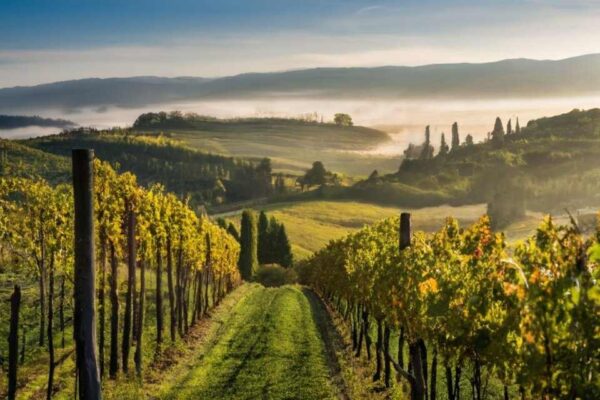
The Drinks Business is reporting that, in 2023, Italian agriculture suffered significantly due to extreme weather, with wine production being particularly affected. Europe experienced its hottest summer in 2,000 years, leading to a 3.9% drop in agricultural output in Italy. Specifically, the production of vines, fruits, and olives decreased by 11.1%, and overall wine production fell by 17%. Hail storms also caused considerable damage to vineyards. In 2024, severe droughts in southern Italy, Sicily and Sardinia further impacted crops and livestock, according to the agricultural organisation Coldiretti. Despite these challenges, Italy, along with Finland, Hungary, Poland, Sweden and the Netherlands,…
-
The Paradoxes of Dealcoholised Wine Production
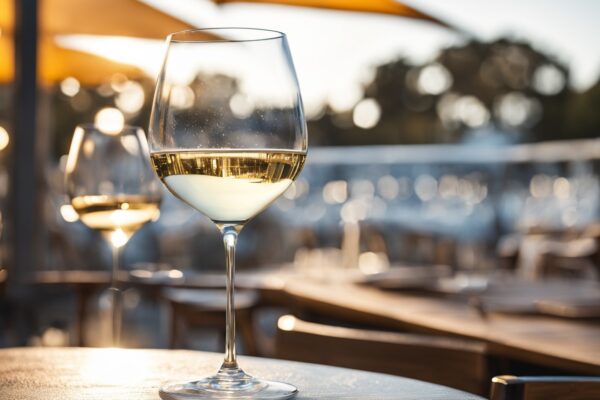
In the DrinksBusiness, an anonymous wine producer criticises the growing trend of dealcoholised wines, arguing that the process is energy-intensive, costly, and significantly alters the wine’s original qualities, resulting in a product that lacks flavour and structure. The producer contends that the necessary additives to recreate the wine’s taste and stability are unnatural and environmentally detrimental. They believe dealcoholised wine contradicts the essence of traditional winemaking, which values natural transformation and environmental respect, and question why consumers would choose such products over non-alcoholic alternatives. There’s also the risk that consumers might indeed turn to beverages that were never alcoholic in…
-

Exploring Sustainability Trade-offs in Non-Alcoholic Wine Production
New research titled “Balancing Gains and Losses—A Research Note on Tradeoffs in the Case of Non-Alcoholic Wines in Germany,” authored by Frederik Nikolai Schulz, Alexander A. Kugel, and Jon H. Hanf, in Germany, explores the increasing significance of non-alcoholic wines . It highlights the dynamic market development of these products in recent years and addresses the lack of literature on their sustainability impacts across ecological, economic and social dimensions. The authors identify trade-offs where positive aspects in one sustainability dimension often come with drawbacks in another, such as the increased use of resources in alcohol removal processes versus the economic…
-
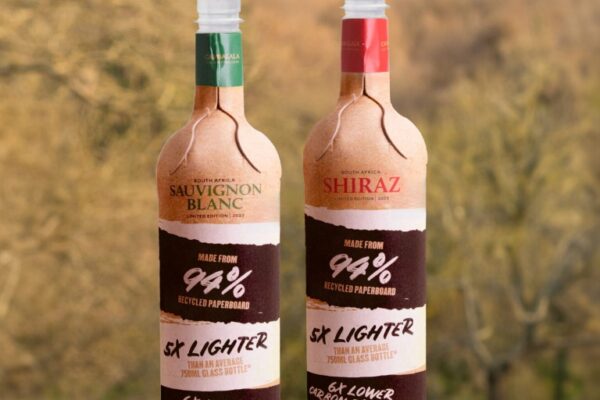
Aldi Unveils UK’s First Supermarket Own-Brand Paper Wine Bottles
Aldi has announced the launch of the UK’s first supermarket own-brand paper wine bottles, marking a significant step in sustainable packaging. The products, Cambalala South African Shiraz and Cambalala South African Sauvignon Blanc, priced at £7.99 for a 75cl bottle, will be available from 18th March, coinciding with Global Recycling Day. These innovative bottles are made using Frugalpac’s technology, consisting of 94% recycled paperboard with a food-grade pouch for the wine, offering a fully recyclable solution that is five times lighter than traditional glass bottles. This initiative is part of Aldi’s commitment to reducing its carbon footprint, equivalent to driving…
-

UK Bulk Wine Bottlers Embrace Cork for Sustainability
The Drinks Business is reporting that two leading UK bulk wine bottlers are making a move back to traditional cork stoppers. This change comes amidst growing demand among wine brands for more sustainable packaging solutions. This trend is largely driven by cork’s sustainable credentials, which are becoming more valued by both consumers and wine brands. The decision by Encirc Beverages and Broadland Drinks to install new corking lines at their UK facilities is a result of rising demand for cork-sealed wines. Encirc is responding to a top wine brand’s request to switch from screwcaps to cork for its bulk-shipped wines…
-
Global Warming and the Wine Industry
In a new study, Adapting and Thriving: Global Warming and the Wine Industry, researchers from Israel Universities look into the issue of global warming’s impact on the wine industry and propose a suite of innovative agricultural practices to combat these challenges. As the planet warms, the wine industry faces shifts in temperature and precipitation patterns that can affect grape ripeness, quality, and ultimately and the taste of wine. The research says that through innovation in farming practices and technological advancements, the industry has a viable pathway to not only survive but also to thrive in this new environmental shift. More…
-
Navigating the Rise of Alcohol in Wine
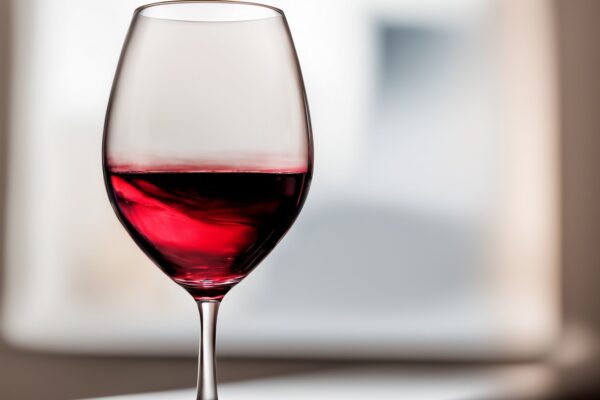
A new article Balancing act: Managing High Alcohol in Wine by Andy Neather discusses the growing concern in the wine industry regarding rising alcohol levels in wine, attributed to climate change and evolving consumer preferences for riper, more powerful wines. It specifically notes the trend of increasing alcohol content in wines from traditional regions like Burgundy, Bordeaux and the northern parts of Spain, with recent vintages showing significantly higher percentages than were common in the past. The article explains the scientific basis for this increase, higher average temperatures lead to higher sugar levels in grapes, resulting in higher potential alcohol…
Pick Lists
Majestic | The Wine Society | Tesco | Waitrose | Sainsbury’s | Morrisons | Co-op | Asda | Lidl | £7 and Under | Over £20
Did You Know?
Supermarkets remain the dominant purchasing channel, used by 77.8% of respondents. More
Champagne remains the leading celebratory sparkling wine at 33.4%, followed by Prosecco at 27.4% and English Sparkling wine at 20%. More
34% of people identify high wine prices as a leading frustration. More
Australian wine exports to China have collapsed from around $1.2 billion to less than $10 million. More
Wine’s aroma is not determined solely by which flavour compounds it contains. More
Low-to-moderate wine consumption is associated with lower mortality. More
Moderate water stress can be part of what creates flavour and terroir expression. More
Wine appears less frequently online than other alcoholic drinks. More
Independent retailers had 9% fewer customers in March 2026 than two years earlier. More
Average spend per bottle in independents has risen by 23% since 2019, compared with 21% in supermarkets. More.
Nearly a third (32%) of UK consumers say they have already used AI for alcoholic drinks advice. More
Among socially active wine buyers, 37% have bought a wine recommended online. More
In 2026, 72% of consumers now think wine knowledge is essential to appreciation, up 20 percentage points on 2025. More
Rías Baixas wines reached more than 107 countries in 2025 and exports represented 31 per cent of the denomination’s total sales. More
Light Strike Can Cause Wine Degradation in Just One Day. More
People actively adjust their wine choices depending on who might see them. More
In the UK, 73% of Alcohol is Bought From Retail Rather Than Hospitality. More
UK wine production reached 124,377 hectolitres that year, meaning the UK accounted for roughly 0.05 per cent of world output. More
For Crémant, grapes must be harvested by hand and the wines must undergo at least nine months’ ageing before release. More
In 2024, the UK was the second-largest export market for Champagne globally, after the United States. More
Local UK bottling of wine represents about 40% of imported wine. More
Around 1% of people, typically severe asthmatics, have a sulphite sensitivity. More
A large 80% of Australian wine arrives in the UK in bulk. More
Only about 0.02% of Australia’s landmass is dedicated to vineyards. More
In 2024, New Zealand produced only 1% of the World’s wine. More
In 2024, the US imported 37% of World production of Pinot Grigio and the UK was is in second place at 27%. More
In 2024, the UK was South Africa’s largest export market, with 40% of total exports. More
In 2024, the United Kingdom imported 22.3 million bottles of Champagne, a decline of 12.7% compared to the previous year. More
Larger Champagne producers source grapes from as many as 80 different vineyards throughout Champagne. More
Champagne houses and growers collectively produce around 300 million bottles annually. More
In 2025, the Champagne region was home to about 2,124 Champagne houses and approximately 19,000 growers. More
Provence is one of the leaders in the conversion to organic viticulture, with 61% of vineyards certified. More
8% of the South Africa’s grape production is Fairtrade-certified. More
Up to 80% of wine aroma compounds come from grape skins. More
Glycerol is the third-largest component of most dry wines after water and alcohol which is why they so often feel ‘smooth’ or ‘silky’ in the mouth. More
Humans are more than 400 times more sensitive to bitter than sweet. More
Humans can detect the earthy molecule geosmin at about 100 parts per trillion and camels are so sensitive to it they can locate damp ground from roughly 50 miles away. More
During the phylloxera crisis of the nineteenth century, 90% of Europe’s vineyards were destroyed. More
In 2025, for La Vieille Ferme, also known as “The Chicken Wine”, sales surged by 49.4% to £110.8 million. More
In 2025, in the UK, Yellow Tail held the top position with sales, marking a 9.8% increase over the previous year. More
In 2024, the UK was the second-largest wine importer in volume and value. More
In 2024, the UK was the fifth-largest wine-consuming country globally. More
In 2025, global wine consumption continued its downward trend, estimated at 214.2 million hectolitres, the lowest since 1961. More
In 2025, online alcohol sales had a 20% increase in value over five years. More
In 2025, the number of UK vineyards rose to 1,104 and wineries to 238, with land under vine expanding to 4,841 hectares, a 510% increase since 2005. More
Moët Hennessy alone commands nearly 46.66% of the Champagne market, with the top three producers together holding about 61%, and the top five controlling over 72%. More
In 2024, the Champagne market was worth roughly €3.92 billion. More
In the marketing year 2023/24, white wine accounted for roughly 55% of Spain’s output, whereas red and rosé together made up about 45%. More
In the UK, 92% of wine is consumed within 48hrs of purchase. More
The majority of wines, 95%, use commercial rather than wild yeast. More
Between 0.5 and 10 litres of water, per litre of wine, are needed for cleaning during winemaking. More
Machine harvesting can achieve up to 100 tons of fruit per day vs 1 ton for a human. More
In Germany, 2025 was the smallest wine vintage since 2010. More
The majority of vineyards, 90% in 2019, are farmed with heavy chemical interventions. Only 6% are organic. More
90% of low and coastal areas in south Europe and California will no longer be able to produce good wine by the end of the century. More
IMAGE WALL
Tools
Recent



Tags
25% Off Wine Aldi Amarone Argentina Articles Asda Australia Austria Award Awards25 Bizarre Blog Books Bordeaux Bulk Bottling Cabernet Sauvignon Carménère Cava Champagne Chardonnay Chile Climate Change Coop Crémant Decanter DoctorWine Duty English Wine EPR Fairtrade Food France Germany Glossary Greece Health Hungary Italy Jeroboams Laithwaites Legislation Liberty Wines Lidl Low Alcohol M&S Majestic Malbec Merch Merlot Morrisons Natural Nero d'Avola News New Zealand Non-Alcoholic Ocado Old Vine Organic Past Tastings Pick List Pinotage Pinot Grigio Pinot Noir Port Portugal Primitivo Prosecco Research Retailers Reviews Ribera del Duero Riesling Rioja Ripasso Rose Sainsbury's Saperavi Sauvignon Blanc Shiraz Sicily South Africa Spain Sparkling Supermarkets Sustainable Tax Terroir Tesco The Wine Society Unrepresented USA Valpolicella Virgin Wines Waitrose Wanderlust Welsh Wine What to Buy Wine Art WineGB Zinfandel