
News
Issues affecting the wine industry and the wine you drink
-

Wine Demand is Back Up – At Least in the US
An article on Wine Searcher Wine Comes Roaring Back discusses the surprising rebound of the wine industry in the USA after pandemic-induced declines. Recent data shows Millennials are increasingly consuming and spending more on wine than Baby Boomers. Wineries are adapting by appealing to younger demographics with eco-friendly practices and inclusive marketing. Notable growth is seen in sustainable and affordable wines, with strong sales reported across various wineries and retailers. The forecast for 2024 is cautiously optimistic, anticipating continued growth despite potential challenges.
-

The Paradoxes of Dealcoholised Wine Production
In the DrinksBusiness, an anonymous wine producer criticises the growing trend of dealcoholised wines, arguing that the process is energy-intensive, costly, and significantly alters the wine’s original qualities, resulting in a product that lacks flavour and structure. The producer contends that the necessary additives to recreate the wine’s taste and stability are unnatural and environmentally detrimental. They believe dealcoholised wine contradicts the essence of traditional winemaking, which values natural transformation and environmental respect, and question why consumers would choose such products over non-alcoholic alternatives. There’s also the risk that consumers might indeed turn to beverages that were never alcoholic in…
-
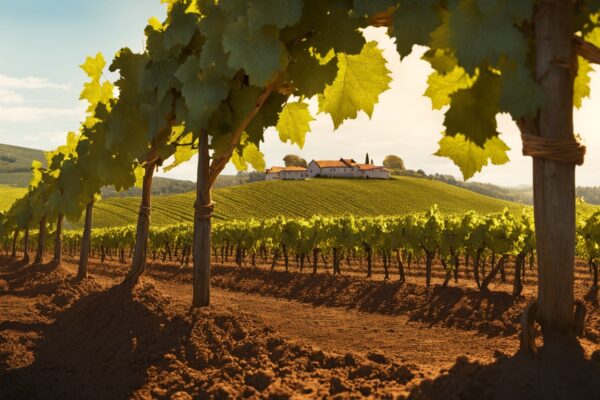
Soil Affects Wine Taste, But Not How You Might Expect
The idea that the soil in which grapevines grow affects the taste of wine is a long-standing and popular belief in the wine industry. This notion, often referred to as a constituent of terroir, suggests that the unique characteristics of the soil, impart distinct flavours and aromas to the wine. However, the scientific correlation between soil composition and wine flavour is not as straightforward as might be traditionally thought. Recent research has begun to challenge the direct influence of soil types on the taste of wine, particularly regarding the concept of minerality. Minerality in wine is often attributed to the…
-
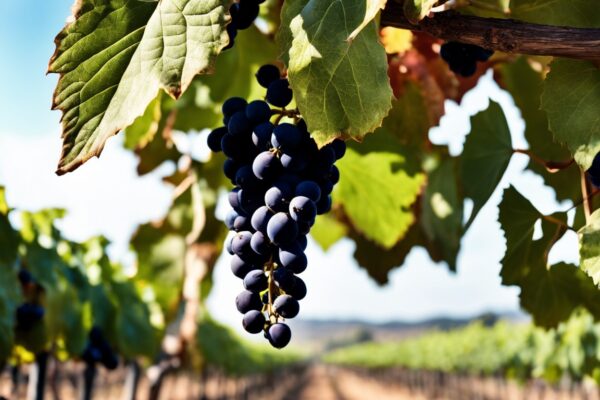
Global Trends in Wine Preferences
Wine Australia’s new market bulletin, based on 2023 IWSR research, reveals that grape variety continues to significantly influence consumer wine choices, ranking as a top two factor in seven out of ten key markets. These markets include Australia, the UK, the US, Canada, New Zealand, Germany, and China. In contrast, Japan, South Korea, and Singapore rank grape variety as the fifth most important factor, with preferences there leaning towards wines that complement food or promotional offers. The bulletin highlights a strong preference for red wines, with Cabernet Sauvignon and Merlot being the most popular in most markets. Shiraz, however, has…
-

Visual Cues in Wine Advertising
New research explores the impact of visual cues on consumer perception and purchasing decisions in an e-commerce environment, specifically within the context of online wine sales. The authors conducted a series of experiments using both hedonistic (represented by a glass of wine) and utilitarian (represented by grapes) visual symbols to determine their effects on various consumer response metrics, such as product attitude, taste perception and purchase intentions. The study concludes that the inclusion of a hedonistic cue, such as a glass symbol, significantly enhances consumer perceptions of taste and overall product attitude. This suggests that visual representations that evoke sensory…
-

Exploring Sustainability Trade-offs in Non-Alcoholic Wine Production
New research titled “Balancing Gains and Losses—A Research Note on Tradeoffs in the Case of Non-Alcoholic Wines in Germany,” authored by Frederik Nikolai Schulz, Alexander A. Kugel, and Jon H. Hanf, in Germany, explores the increasing significance of non-alcoholic wines . It highlights the dynamic market development of these products in recent years and addresses the lack of literature on their sustainability impacts across ecological, economic and social dimensions. The authors identify trade-offs where positive aspects in one sustainability dimension often come with drawbacks in another, such as the increased use of resources in alcohol removal processes versus the economic…
-

The Influence of Wine Descriptions
New research looks into the impact of verbal descriptions on wine tasting experiences, focusing on two types of wine—Riesling and Muscat Bailey A (MBA). The study included 46 participants divided into social drinkers and wine experts. They were presented with wines accompanied by different descriptions and asked to evaluate various attributes such as palatability, sweetness, acidity and expensiveness. The findings reveal that verbal descriptions indeed influenced the participants’ perception and evaluation of the wines, though the effects varied between social drinkers and experts. For instance, the description containing a ‘petrol’ note for Riesling led social drinkers to perceive the wine…
-
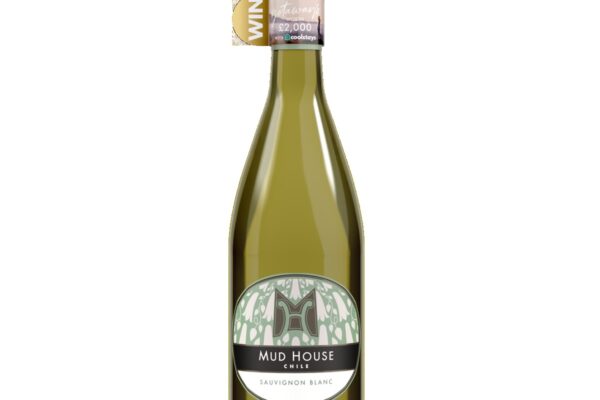
Mud House Win a Holiday Competition
Mud House is collaborating with Coolstays with a new promotional campaign, ‘Taste a World of Adventure’. Fifteen lucky Mud House customers will win a significant getaway package that includes £1000 in spending money. Additionally, one hundred customers will have the chance to win a premium backpack made from recycled materials. Participants can enter the competition by scanning a QR code found on the product packaging or through digital channels and by completing a form on a dedicated microsite. The campaign is supported by dynamic in-store displays and online content, including collaborations with influential travel figures Jess and Charlie from @the.travel.project.…
-

Electronic Tongue vs Humans
A new study evaluates the effectiveness of an electronic tongue (e-tongue) compared to human sensory panels in detecting faults in Riesling wine over a 42-day storage period. Riesling wines either unmodified (control) or inoculated with specific microorganisms known for spoiling wine were assessed every seven days using both the e-tongue and a sensory panel. The e-tongue detected changes in wine chemistry due to microbial action significantly earlier than the human sensory panel, identifying changes from day 7 onwards while the sensory panel only detected these changes from day 35. The e-tongue’s ability to detect differences without sensory fatigue offers a…
-

Research Into What Causes Minerality
There’s new research by University of Reading’s School of Agriculture on Minerality in Wine: Textual Analysis of Chablis Premier Cru Tasting Notes. The concept of minerality in wine, often used to describe the sensory qualities of high-quality white wines from cooler regions like Chablis, has been subject to much debate and analysis. Minerality is typically associated with descriptions like gunflint, wet stones and seashells, suggesting a link with the terroir’s geological and soil composition. However, the literal interpretation of minerality as a taste of the soil’s inorganic components has been contested. A comprehensive study analysed over 16,000 Chablis Premier Cru…
-
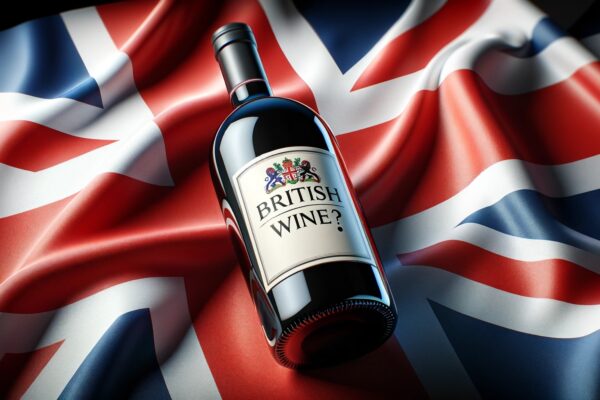
New UK Wine Funding Comes with Dubious New Reforms
The UK government has launched the Future Winemakers’ Scheme with an investment of £1.5 million to support the burgeoning domestic wine industry, focusing on the education and training of future viticulturists and winemakers. Announced by Environment Secretary Steve Barclay at the WineGB conference, this initiative aims to cultivate skilled professionals to sustain and expand the industry’s rapid growth over the past two decades. The scheme is part of a broader effort to streamline regulations and enhance support for the sector, which currently employs around 2,300 full-time and 8,300 part-time workers, with expectations of a 50% employment increase next year. The…
-

New Research Adds to the Story of Wine and Health
Up to recently, there has been an intriguing relationship between culture, diet and health outcomes, particularly focusing on the Mediterranean diet and the historic and cultural significance of wine. The concept of the French Paradox played a central role in this narrative, highlighting the seemingly contradictory observation that the French population enjoys a lower incidence of coronary heart disease despite a diet high in saturated fats. This phenomenon garnered widespread attention in the 1990s and has became a focal point in discussions about diet and cardiovascular health. Central to the French Paradox is the role of moderate wine consumption, especially…
-
Free Booze Cruises
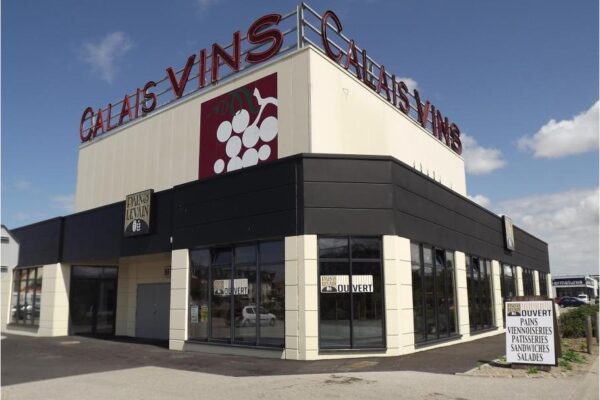
French wine shops Calais Vins and Olivier Vins have collaborated with P&O Ferries to offer British citizens complimentary ferry trips to Calais for wine purchases. This partnership allows customers who spend €300 or more at these stores to receive a free return day trip from Dover to Calais, with a three-day return trip available for purchases of €700 or more. Calais Vins has reported a notable increase in British customers despite the changes to alcohol import limits following Brexit. Previously, UK residents could bring back unlimited amounts of alcohol for personal use from the continent. However, post-Brexit regulations now restrict…
-
Evolution of the Drinks Industry
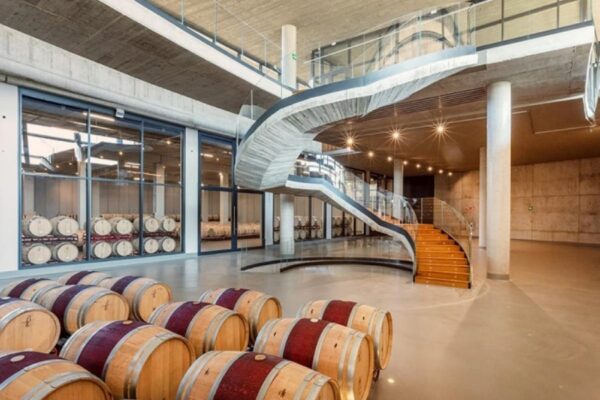
Drinks retailing news has an interview with Mauricio González-Gordon, president, González Byass known for brands like Beronia, Tio Pepe, Quinta do Noval, Wirra Wirra, Jackson Estate and Disznókő Tokaji. Mauricio González-Gordon has a long background in the drinks industry, spanning over three decades. He has witnessed substantial changes in winemaking origins and global consumption patterns. Initially, the focus was on a few Spanish origin denominations, but the scope has expanded globally since the 1980s, driven by technical advancements and broader commercial strategies, including supermarket distribution. This globalisation has shifted wine consumption from traditional producing nations to importing countries like the…
-
Do You Want a ‘Watered’ Down Version of a Wine?
Richard Siddle writes on the London (Trade) Wine Fair web site on how our wines might be changing soon, without our consent. Richard discusses the complexities and strategies behind wine selection and sales in retail outlets, driven primarily by industry dynamics rather than consumer preference. Factors like international currency strength, harvest quality and government taxes significantly influence which wines are available at certain price points. For example, if the currency in South American countries is weaker than in Australia, it becomes more cost-effective to source wine from South America. Additionally, a shortage of a popular grape variety can lead buyers…
-

The Challenges of Contemporary Wine Scoring
WineMag has an informative article by Jamie Goode, who wrote the Wine Science book, that looks into wine scores. Jamie notes a significant expansion in the wine criticism landscape, with numerous critics adopting the 100-point scale, except for a few like Jancis Robinson who opted for a 20-point scale. However, Jamie observes a narrowing in the scoring range over time, suggesting that what once required a wine to be decent to score 85, now such a score could be given to significantly lesser quality wines. He remarks on the inflation of scores, where what was once celebrated as a 90…
-
UK Wine Buying Trends
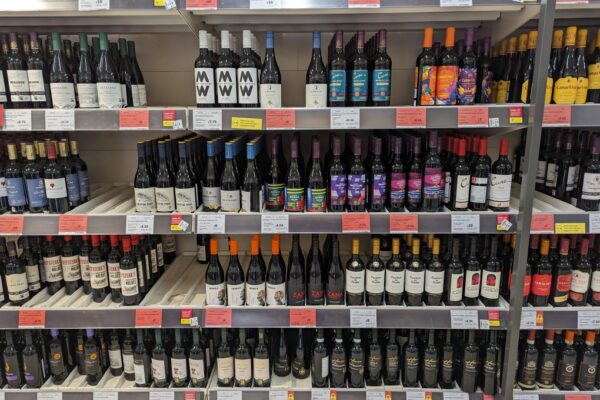
There’s a new issue of Drink Retailing that contains data from a revealing study of 2000 UK adults, conducted by IPSOS in October 2023. A notable 29% of respondents reported a decrease in their alcohol purchases compared to the previous year, signalling a potential long term shift in consumption habits. However, 16% of individuals have found themselves buying more alcohol than they did a year ago, illustrating a different response to contemporary circumstances. Interestingly, a significant majority, 66% of those surveyed, confirmed that they consume alcohol at least on a weekly basis, indicating that, for many, drinking remains a consistent…
-

Neo-Prohibitionists Reshaping Global Alcohol Policy
Wine Business Monthly has an in-depth piece by Felicity Carter on How Neo-Prohibitionists Came to Shape Alcohol Policy. In January 2023, the World Health Organization (WHO) made a startling declaration, stating that there is ‘no safe level’ of alcohol consumption, thereby placing light alcohol consumption under the spotlight as a significant public health concern. This move aligned with the influence of temperance groups, which have managed to introduce abstinence-based policies into global health discussions. This phenomenon can be traced back to 2015 when dissatisfaction with the European Union’s lack of progress in developing effective alcohol policies led over 20 public…
-

Cava All-Time Sales Record
Cava has achieved a new sales record, reaching 252 million bottles, marking a growth of 1.09% from the previous year. This growth was primarily driven by a 4.02% increase in domestic sales, despite a slight 0.25% decrease in international sales. The decrease in foreign markets was attributed to economic challenges, including inflation in Europe and decreased sales in the United States. Javier Pagés, President of the D.O. Cava Regulatory Council, praised the resilience of Cava amidst economic and geopolitical challenges. He highlighted the domestic market’s recovery and Cava’s consolidation in international markets, despite the downturns faced by competitors. Particularly notable…
-

New Post-Brexit Wine Duty Bands Unworkable?
Jack Simpson from The Guardian newspaper reports on the concerns of UK wine industry about post-Brexit tax changes set to increase the complexity of alcohol duty, leading to higher wine prices for consumers. The new system, effective from February 2025, will introduce 30 tax bands for wine, replacing the previous single band. This change, which aligns duty with the alcohol by volume (ABV) of drinks, has been criticised by industry leaders as “ludicrous, expensive, and probably unworkable.” The overhaul was officially announced last August during Rishi Sunak’s tenure as Chancellor, aiming to tax drinks based on ABV rather than type.…
Pick Lists
Majestic | The Wine Society | Tesco | Waitrose | Sainsbury’s | Morrisons | Co-op | Asda | Lidl | £7 and Under | Over £20
Did You Know?
Australian wine exports to China have collapsed from around $1.2 billion to less than $10 million. More
Wine’s aroma is not determined solely by which flavour compounds it contains. More
Low-to-moderate wine consumption is associated with lower mortality. More
Moderate water stress can be part of what creates flavour and terroir expression. More
Wine appears less frequently online than other alcoholic drinks. More
Independent retailers had 9% fewer customers in March 2026 than two years earlier. More
Average spend per bottle in independents has risen by 23% since 2019, compared with 21% in supermarkets. More.
Nearly a third (32%) of UK consumers say they have already used AI for alcoholic drinks advice. More
Among socially active wine buyers, 37% have bought a wine recommended online. More
In 2026, 72% of consumers now think wine knowledge is essential to appreciation, up 20 percentage points on 2025. More
Rías Baixas wines reached more than 107 countries in 2025 and exports represented 31 per cent of the denomination’s total sales. More
Light Strike Can Cause Wine Degradation in Just One Day. More
People actively adjust their wine choices depending on who might see them. More
In the UK, 73% of Alcohol is Bought From Retail Rather Than Hospitality. More
UK wine production reached 124,377 hectolitres that year, meaning the UK accounted for roughly 0.05 per cent of world output. More
For Crémant, grapes must be harvested by hand and the wines must undergo at least nine months’ ageing before release. More
In 2024, the UK was the second-largest export market for Champagne globally, after the United States. More
Local UK bottling of wine represents about 40% of imported wine. More
Around 1% of people, typically severe asthmatics, have a sulphite sensitivity. More
A large 80% of Australian wine arrives in the UK in bulk. More
Only about 0.02% of Australia’s landmass is dedicated to vineyards. More
In 2024, New Zealand produced only 1% of the World’s wine. More
In 2024, the US imported 37% of World production of Pinot Grigio and the UK was is in second place at 27%. More
In 2024, the UK was South Africa’s largest export market, with 40% of total exports. More
In 2024, the United Kingdom imported 22.3 million bottles of Champagne, a decline of 12.7% compared to the previous year. More
Larger Champagne producers source grapes from as many as 80 different vineyards throughout Champagne. More
Champagne houses and growers collectively produce around 300 million bottles annually. More
In 2025, the Champagne region was home to about 2,124 Champagne houses and approximately 19,000 growers. More
Provence is one of the leaders in the conversion to organic viticulture, with 61% of vineyards certified. More
8% of the South Africa’s grape production is Fairtrade-certified. More
Up to 80% of wine aroma compounds come from grape skins. More
Glycerol is the third-largest component of most dry wines after water and alcohol which is why they so often feel ‘smooth’ or ‘silky’ in the mouth. More
Humans are more than 400 times more sensitive to bitter than sweet. More
Humans can detect the earthy molecule geosmin at about 100 parts per trillion and camels are so sensitive to it they can locate damp ground from roughly 50 miles away. More
During the phylloxera crisis of the nineteenth century, 90% of Europe’s vineyards were destroyed. More
In 2025, for La Vieille Ferme, also known as “The Chicken Wine”, sales surged by 49.4% to £110.8 million. More
In 2025, in the UK, Yellow Tail held the top position with sales, marking a 9.8% increase over the previous year. More
In 2024, the UK was the second-largest wine importer in volume and value. More
In 2024, the UK was the fifth-largest wine-consuming country globally. More
In 2025, global wine consumption continued its downward trend, estimated at 214.2 million hectolitres, the lowest since 1961. More
In 2025, online alcohol sales had a 20% increase in value over five years. More
In 2025, the number of UK vineyards rose to 1,104 and wineries to 238, with land under vine expanding to 4,841 hectares, a 510% increase since 2005. More
Moët Hennessy alone commands nearly 46.66% of the Champagne market, with the top three producers together holding about 61%, and the top five controlling over 72%. More
In 2024, the Champagne market was worth roughly €3.92 billion. More
In the marketing year 2023/24, white wine accounted for roughly 55% of Spain’s output, whereas red and rosé together made up about 45%. More
In the UK, 92% of wine is consumed within 48hrs of purchase. More
The majority of wines, 95%, use commercial rather than wild yeast. More
Between 0.5 and 10 litres of water, per litre of wine, are needed for cleaning during winemaking. More
Machine harvesting can achieve up to 100 tons of fruit per day vs 1 ton for a human. More
In Germany, 2025 was the smallest wine vintage since 2010. More
The majority of vineyards, 90% in 2019, are farmed with heavy chemical interventions. Only 6% are organic. More
90% of low and coastal areas in south Europe and California will no longer be able to produce good wine by the end of the century. More
IMAGE WALL
Tools
Recent



Tags
25% Off Wine Aldi Amarone Argentina Articles Asda Australia Award Awards25 Bizarre Blog Books Bordeaux Bulk Bottling Cabernet Sauvignon Carménère Cava Champagne Chardonnay Chile Climate Change Coop Crémant Decanter Duty English Wine EPR Fairtrade Food France Germany Glossary Greece Health Italy IWSC Jeroboams Laithwaites Legislation Liberty Wines Lidl Low Alcohol M&S Majestic Malbec Merch Merlot Morrisons Natural Nero d'Avola News New Zealand Non-Alcoholic Ocado Old Vine Organic Past Tastings Pick List Pinotage Pinot Grigio Pinot Noir Port Portugal Primitivo Prosecco Regulations Research Retailers Reviews Ribera del Duero Riesling Rioja Ripasso Rose Sainsbury's Saperavi Sauvignon Blanc Shiraz Sicily South Africa Spain Sparkling Supermarkets Sustainable Tax Terroir Tesco The Wine Society Unrepresented USA Valpolicella Virgin Wines Waitrose Wanderlust Welsh Wine What to Buy Wine Art WineGB WIne Glasses Zinfandel