
News
Issues affecting the wine industry and the wine you drink
-
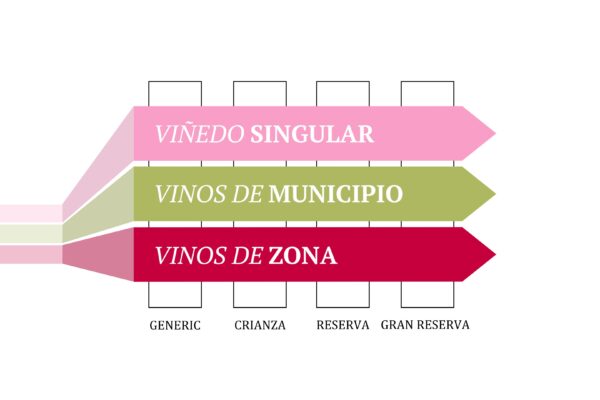
New Rioja Viñedos Singulares Parcels
Rioja Viñedos Singulares is a special designation within the Rioja wine region, introduced in 2017 to recognise and highlight wines from unique, single vineyards. This classification emphasises the distinctiveness of specific vineyard sites and aims to showcase the terroir and unique characteristics of these plots. A Viñedos Singulares vineyard must be at least 35 years old. Yields must be at least 20% lower than the usual DOCa level. A maximum grape-to-wine ratio of 65% compared to the standard 70% is required. The vineyard must be owned or rented on a long-term basis for at least 10 years. The wines must…
-
The Controversy of Terroir in Wine
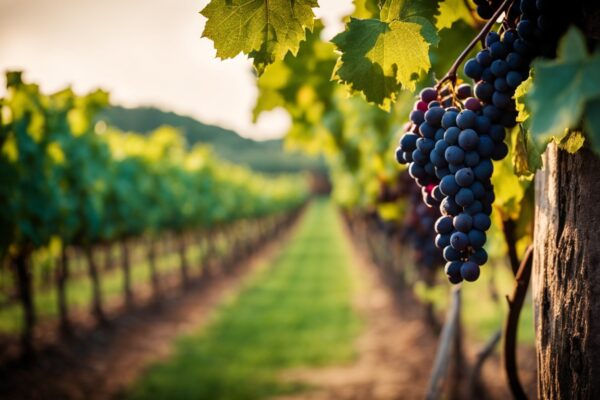
The French term ‘terroir’, often bandied about by winemakers, sommeliers and marketers, refers to the unique environmental factors that impart distinctive characteristics to wine. Terroir encompasses a myriad of factors including the soil, climate, topography and even the local flora and fauna, all of which interact with the grapevines. It is this intricate blend of natural elements that is believed to shape the flavour, aroma and texture of the wine produced. In essence, terroir is about the sense of place that a particular wine embodies, making it distinct from wines produced elsewhere. Despite the romantic allure of terroir, its scientific…
-
Understanding Light Strike in Wine Degradation
Sometimes, wine doesn’t quite live up to expectations. I’ve encountered this when comparing wine at tastings to subsequent purchases, more so with rosé and white wines. After looking into this deeper, I suspect one culprit might be light strike. One trend in the wine industry is the increased use of white flint bottles. These bottles are praised for their aesthetic appeal and their ability to showcase the colour of the wine inside. Made from high-quality, clear glass, white flint bottles are renowned for their clarity and brilliance. The term ‘flint’ comes from the use of flint stones in the glass…
-

Wine Chemical Parameters, Quality and Price
There’s new research from Romania, published in the Scientific Bulletin of Biotechnologies, into how certain chemical parameters in wine influence its sensory properties. The study shows that while wines may be chemically sound and meet all the required standards, these chemical values alone do not guarantee that the wine will be well-received by consumers. This is because sensory properties, which include how the wine looks, smells and tastes, can differ significantly even if the chemical makeup is similar. In terms of chemical composition pH, Total Polyphenolic Content (TPC) and anthocyanins have the greatest influence on quality. The lowest influence is…
-

Strangely, Non-Volatile Parts of Wine Also Affect Aromas
The research, The remarkable effects of the non-volatile matrix of wine on the release of volatile compounds explores how different components in wine affect the release of aroma compounds. Researchers studied six Spanish wines that were first stripped of their original aromas and then mixed with a standard solution of 15 different aroma compounds. The vapours, or headspace, above these wines were analysed to see which aromas were released and in what quantities. The study found that the non-volatile parts of wine, like sugars, acids and minerals, significantly affect how aroma compounds are released. For example, the release of butanoic…
-
The Science Behind Sparkling Wines
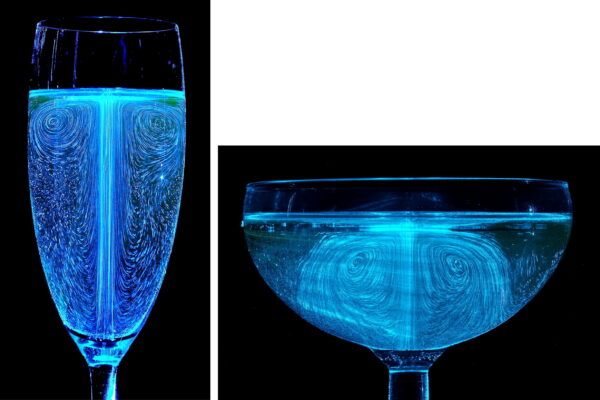
New research Understanding the tasting of champagne and other sparkling wines from a scientific perspective provides a comprehensive exploration of the processes involved in the tasting of champagne and other sparkling wines. The study looks into the dynamics from the moment the bottle is uncorked to the bursting of bubbles in the glass, emphasising the interaction of various parameters that contribute to the overall tasting experience. It also provides some dazzling images. The process begins with the uncorking of the bottle, where high-speed imaging shows the complex fluid dynamics and shock structures involved. This step is crucial as it sets…
-
UK Surpasses 1,000 Vineyards
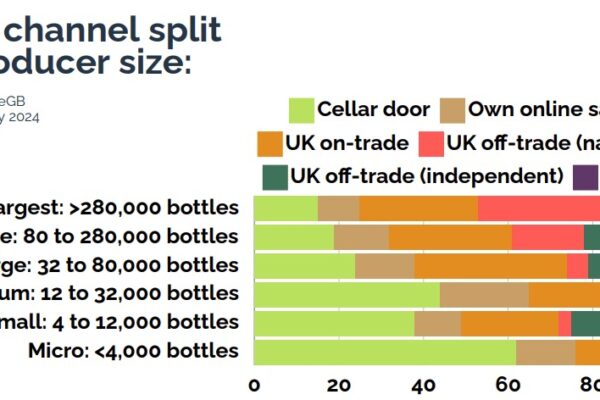
UK vineyards have surpassed the milestone of 1,000 vineyards, marking a 9.2% increase from the previous year, with 1,030 vineyards now registered. Sales of English and Welsh wines grew by 10% in 2023. There are now 221 wineries, and the total area under vine has reached 4,209 hectares, reflecting a 123% growth over the past decade. Production in 2023 was a record 161,960.84 hectolitres, equivalent to 21.6 million bottles, a 77% increase from 2022. Wine sales have consistently risen, with a 10% increase to 8.8 million bottles in 2023. Sales of sparkling wine surged by 187% since 2018, and still…
-

Women Judge Wine More Stringently
A new study Factors explaining differences in wine experts’ ratings: The case of gender, credentials, occupation and peer effects by researchers from Spain and France investigates the reasons behind the variability in scores given by wine experts to the same wines under identical tasting conditions. The research examines how personal characteristics such as gender, industry credentials, and occupation as well as peer effects among judges, influence these ratings. The research used a dataset from the 2022 International Wine and Spirits Competition (IWSC), comprising scores from 91 judges for 5,395 wines, amounting to 18,224 individual scores. By employing regression models and…
-

Jam Shed ‘Spin to Win’ Promotion
Jam Shed is launching a new promotion featuring a ‘Spin to Win’, offering consumers a chance to win from over 25,000 prizes. The promotion runs from 1st July to 30th September and includes 1,695,894 neck flags across six SKUs: Shiraz, Chardonnay, Malbec, Rosé, Tempranillo, and Red Blend. Available in major grocery stores and retailers nationwide, participants can enter by scanning a QR code on the packaging or visiting a dedicated microsite. Scanning the barcode allows consumers to spin a wheel for an instant prize and potentially spin again to upgrade their prize. Prizes include outdoor beanbags, pizza ovens, and portable…
-
Cheapest UK Supermarket for Branded Wine
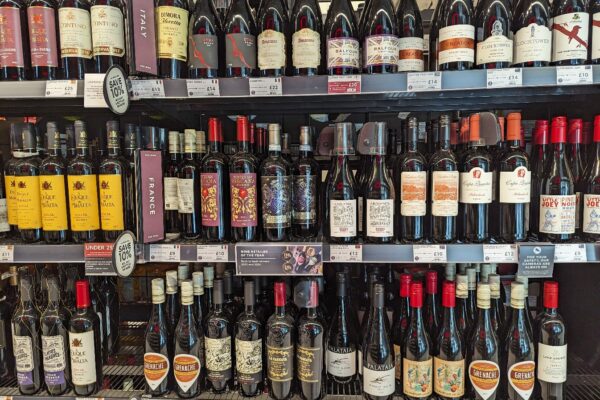
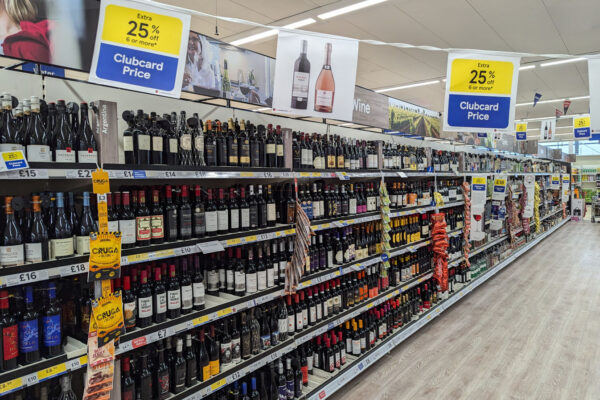
A Which? investigation has found that Tesco is the cheapest supermarket for branded wines if you have a Clubcard. An analysis of prices for 15 branded wines at major UK supermarkets (Asda, Morrisons, Ocado, Sainsbury’s, Tesco and Waitrose) from 1 February to 30 April 2024 revealed Tesco’s Clubcard discounts made it the most affordable, with a total cost of £108.43 for the basket. However, without a Clubcard, Tesco’s prices were the highest at £120.67. Asda was the second cheapest overall at £111.16 and had no loyalty scheme requirements for discounts. Morrisons, Sainsbury’s, and Waitrose also offer member-only discounts, but data…
-

Italian Wine Production Fell by 17% Last Year
The Drinks Business is reporting that, in 2023, Italian agriculture suffered significantly due to extreme weather, with wine production being particularly affected. Europe experienced its hottest summer in 2,000 years, leading to a 3.9% drop in agricultural output in Italy. Specifically, the production of vines, fruits, and olives decreased by 11.1%, and overall wine production fell by 17%. Hail storms also caused considerable damage to vineyards. In 2024, severe droughts in southern Italy, Sicily and Sardinia further impacted crops and livestock, according to the agricultural organisation Coldiretti. Despite these challenges, Italy, along with Finland, Hungary, Poland, Sweden and the Netherlands,…
-

UK Vineyard Visits Surge
A new WineGB tourism report (PDF) reveals a significant rise in vineyard visits in the UK, with a 55% increase in two years. The report highlights WineGB’s initiatives to support wine tourism and outlines seven policy changes it urges the government to implement to boost growth. The report shows that 300 vineyards and wineries are engaged in wine tourism, attracting 1.5 million visits last year, contributing a quarter of total income. With appropriate changes, visitor numbers could reach 16 million. WineGB is advocating for Cellar Door Relief, fairer taxes, better tourism funding, expedited tourism processes, improved planning, industry training, and…
-

UK Wine and Spirits Contributes £76 Billion to UK Economy
Drinks Retailing News mentions a recent report commissioned by the Wine and Spirit Trade Association (WSTA) revealing that the UK’s wine and spirits industry contributed over £76 billion to the economy in 2022, a significant increase from £49 billion in 2017. The study, conducted by economic consultancy Cebr, found the industry generated over £22 billion in Gross Value Added (GVA) and supported 413,000 jobs in 2022. The UK maintained its position as the world’s second largest importer of wines and the largest exporter of spirits. WSTA chief executive Miles Beale highlighted the industry’s importance and called for government cooperation to…
-

French Rosé Market Slows After Boom
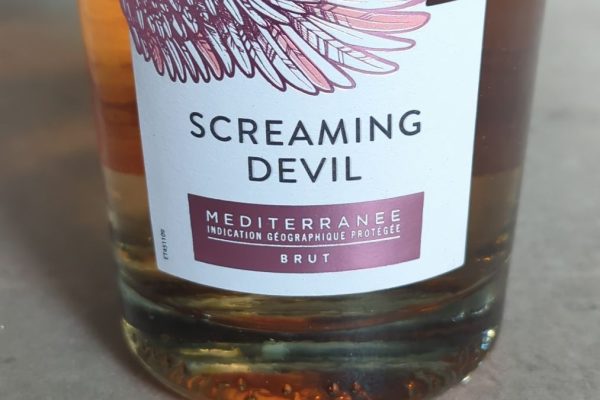
Meininger’s is reporting that French rosé sales, which had seen significant growth, are now slowing down. The decline in sales is attributed to reduced purchasing power and adverse weather conditions in early summer 2023. Despite a drop in domestic sales and exports, regions like Provence and Pays d’Oc are focusing on premium segments and innovative production methods. While some areas experience stable or even increasing demand, others, like Bordeaux, face challenges from climate change and overproduction. Producers are adapting by targeting niche markets and developing high-quality, structured rosés.
-
The Value of PDO Labels for Spanish Wines
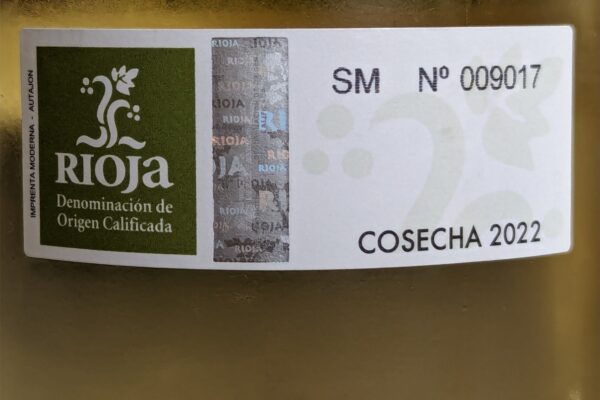
The Spanish wine industry has long experienced tension between innovation and tradition, particularly concerning the DOC system and efforts to modernise. This raises the question, does the DOC system truly have positive impact on wineries and consumers? New research Determining the influence of belonging to a wine protected designation of origin on profitability, by researchers from Department of Economics and Business, University of Lleida, Spain, provides insights for wine buyers interested in Spanish wines. The study examines how membership in a Protected Designation of Origin (PDO), including Qualified Designations of Origin and Denominations of Origin, affects the the perceived quality…
-

Diluting the Integrity of Our Wines?
The VinePair Podcast discusses whether most wine drinkers care about the origin of their wine. The hosts, Adam, Joanna, and Zach, explore if regular consumers focus more on flavour and price than appellations and vintages, especially for wines below a certain price point. They compare this to the fashion industry, where the origin of a high-end product can be crucial, but it may not matter as much for more affordable items. Large American wineries are increasingly purchasing international bulk wines to blend into their bottles. In the UK, planned reforms may allow businesses to enhance imported wine through carbonation and…
-
Enhanced Recycling to Affect Wine Prices
The Wine and Spirit Trade Association (WSTA) has advised UK wine businesses to include the costs of Extended Producer Responsibility (EPR) regulations in their financial forecasts. At the London Wine Fair, WSTA’s Director of Policy, Simon Stannard, highlighted the need for businesses to prepare for these regulations, set to come into effect in October 2025. The EPR scheme aims to enhance recycling and reduce packaging waste, requiring UK businesses involved with packaging to register with the government’s Recycling Packaging Database (RPD) by 31 May 2024. Larger companies, with an annual turnover exceeding £1 million and more than 25 tonnes of…
-

New Research into Corked Wine
New research provides deeper insights into corked wine. Corked wine is primarily caused by the compound 2,4,6-trichloroanisole (2,4,6-TCA), which imparts a musty, mouldy smell to the wine. This compound is mainly produced through a microbial process and can originate from cork stoppers or the winemaking environment. Cork is the primary source due to potential contamination during the growth of trees or during cork processing, where chlorine-containing agents may be used. Preventative measures include avoiding the use of chlorinated fungicides and pesticides during grape growing and winemaking. Good hygiene practices in vineyards and wineries are essential to minimise microbial contamination. Additionally,…
-

Wine is All the Rave
The Drinks Business is reporting that wine raves are becoming a popular way to introduce Generation Z to wine. Instead of traditional wine tastings, these events combine wine with rave-style parties in locations like Hackney studios or warehouses. Initiatives like New Theory and Close Ties host these events, featuring local DJs and offering an immersive experience. The trend has spread to cities like New York and Berlin, with similar events aiming to attract younger audiences who might otherwise prefer beer or cocktails.
-

Not Enough Wine: Short Measures
According to a study reported by The Guardian, more than two-thirds of beer and wine sold in UK pubs and bars are short-measured, costing the average consumer approximately £115 annually. Trading standards officers, who visited 77 venues and conducted 137 test purchases, found 70% had less drink than declared. The Chartered Trading Standards Institute (CTSI) noted that this was the first national snapshot, highlighting a need for broader research across various consumer goods. Short measures, defined by the Weights and Measures (Intoxicating Liquor) Order 1988, were found in both beer and wine, with 41 drinks (29%) having a deficit of…
Pick Lists
Majestic | The Wine Society | Tesco | Waitrose | Sainsbury’s | Morrisons | Co-op | Asda | Lidl | £7 and Under | Over £20
Did You Know?
Australian wine exports to China have collapsed from around $1.2 billion to less than $10 million. More
Wine’s aroma is not determined solely by which flavour compounds it contains. More
Low-to-moderate wine consumption is associated with lower mortality. More
Moderate water stress can be part of what creates flavour and terroir expression. More
Wine appears less frequently online than other alcoholic drinks. More
Independent retailers had 9% fewer customers in March 2026 than two years earlier. More
Average spend per bottle in independents has risen by 23% since 2019, compared with 21% in supermarkets. More.
Nearly a third (32%) of UK consumers say they have already used AI for alcoholic drinks advice. More
Among socially active wine buyers, 37% have bought a wine recommended online. More
In 2026, 72% of consumers now think wine knowledge is essential to appreciation, up 20 percentage points on 2025. More
Rías Baixas wines reached more than 107 countries in 2025 and exports represented 31 per cent of the denomination’s total sales. More
Light Strike Can Cause Wine Degradation in Just One Day. More
People actively adjust their wine choices depending on who might see them. More
In the UK, 73% of Alcohol is Bought From Retail Rather Than Hospitality. More
UK wine production reached 124,377 hectolitres that year, meaning the UK accounted for roughly 0.05 per cent of world output. More
For Crémant, grapes must be harvested by hand and the wines must undergo at least nine months’ ageing before release. More
In 2024, the UK was the second-largest export market for Champagne globally, after the United States. More
Local UK bottling of wine represents about 40% of imported wine. More
Around 1% of people, typically severe asthmatics, have a sulphite sensitivity. More
A large 80% of Australian wine arrives in the UK in bulk. More
Only about 0.02% of Australia’s landmass is dedicated to vineyards. More
In 2024, New Zealand produced only 1% of the World’s wine. More
In 2024, the US imported 37% of World production of Pinot Grigio and the UK was is in second place at 27%. More
In 2024, the UK was South Africa’s largest export market, with 40% of total exports. More
In 2024, the United Kingdom imported 22.3 million bottles of Champagne, a decline of 12.7% compared to the previous year. More
Larger Champagne producers source grapes from as many as 80 different vineyards throughout Champagne. More
Champagne houses and growers collectively produce around 300 million bottles annually. More
In 2025, the Champagne region was home to about 2,124 Champagne houses and approximately 19,000 growers. More
Provence is one of the leaders in the conversion to organic viticulture, with 61% of vineyards certified. More
8% of the South Africa’s grape production is Fairtrade-certified. More
Up to 80% of wine aroma compounds come from grape skins. More
Glycerol is the third-largest component of most dry wines after water and alcohol which is why they so often feel ‘smooth’ or ‘silky’ in the mouth. More
Humans are more than 400 times more sensitive to bitter than sweet. More
Humans can detect the earthy molecule geosmin at about 100 parts per trillion and camels are so sensitive to it they can locate damp ground from roughly 50 miles away. More
During the phylloxera crisis of the nineteenth century, 90% of Europe’s vineyards were destroyed. More
In 2025, for La Vieille Ferme, also known as “The Chicken Wine”, sales surged by 49.4% to £110.8 million. More
In 2025, in the UK, Yellow Tail held the top position with sales, marking a 9.8% increase over the previous year. More
In 2024, the UK was the second-largest wine importer in volume and value. More
In 2024, the UK was the fifth-largest wine-consuming country globally. More
In 2025, global wine consumption continued its downward trend, estimated at 214.2 million hectolitres, the lowest since 1961. More
In 2025, online alcohol sales had a 20% increase in value over five years. More
In 2025, the number of UK vineyards rose to 1,104 and wineries to 238, with land under vine expanding to 4,841 hectares, a 510% increase since 2005. More
Moët Hennessy alone commands nearly 46.66% of the Champagne market, with the top three producers together holding about 61%, and the top five controlling over 72%. More
In 2024, the Champagne market was worth roughly €3.92 billion. More
In the marketing year 2023/24, white wine accounted for roughly 55% of Spain’s output, whereas red and rosé together made up about 45%. More
In the UK, 92% of wine is consumed within 48hrs of purchase. More
The majority of wines, 95%, use commercial rather than wild yeast. More
Between 0.5 and 10 litres of water, per litre of wine, are needed for cleaning during winemaking. More
Machine harvesting can achieve up to 100 tons of fruit per day vs 1 ton for a human. More
In Germany, 2025 was the smallest wine vintage since 2010. More
The majority of vineyards, 90% in 2019, are farmed with heavy chemical interventions. Only 6% are organic. More
90% of low and coastal areas in south Europe and California will no longer be able to produce good wine by the end of the century. More
IMAGE WALL
Tools
Recent




Tags
25% Off Wine Aldi Amarone Argentina Articles Asda Australia Austria Award Awards25 Bizarre Blog Books Bordeaux Bulk Bottling Cabernet Sauvignon Carménère Cava Champagne Chardonnay Chile Climate Change Coop Crémant Decanter Duty English Wine EPR Fairtrade Food France Germany Glossary Greece Health Hungary Italy IWSC Jeroboams Laithwaites Legislation Liberty Wines Lidl Low Alcohol M&S Majestic Malbec Merch Merlot Morrisons Natural Nero d'Avola News New Zealand Non-Alcoholic Ocado Old Vine Organic Past Tastings Pick List Pinotage Pinot Noir Port Portugal Primitivo Prosecco Regulations Research Retailers Reviews Ribera del Duero Riesling Rioja Ripasso Rose Sainsbury's Sauvignon Blanc Shiraz Sicily South Africa Spain Sparkling Supermarkets Sustainable Tax Terroir Tesco The Wine Society Unrepresented USA Valpolicella Virgin Wines Waitrose Wanderlust Welsh Wine What to Buy Wine Art WineGB WIne Glasses Zinfandel