
News
Issues affecting the wine industry and the wine you drink
-

Shoppers Unhappy Over Lower Alcohol Levels in Popular Wines
The Drinks Business is reporting that Tesco shoppers have voiced frustration online over popular wine brands reducing alcohol content, with some accusing producers of quietly lowering alcohol by volume (ABV) levels. Due to rising UK import duties based on alcohol levels, producers are cutting ABVs on budget wines to manage costs. Concha y Toro, for instance, reduced its Isla Negra brand’s ABV from 12% to 10.5%, while Blossom Hill Rosé and Hardys Stamp Shiraz Cabernet also saw cuts. Several Tesco customers expressed disappointment, describing the wines as weaker and less flavourful, with some wishing the original versions were still available,…
-

WineGB Launches First Sustainability Impact Report
WineGB has launched its first Sustainability Impact Report (pdf) to coincide with the International Day of Climate Action, marking significant progress in its Sustainable Wines of Great Britain (SWGB) initiative. In just four years, SWGB now covers 43% of UK vines, with 79 members, 31 completing their first audit, and 13 receiving gold certification for multiple audits. The report outlines key sustainability achievements, such as widespread use of renewable energy and sustainable vineyard practices, and highlights challenges, like low uptake of government grants. It also offers case studies and suggests how the government can support further sustainability efforts in the…
-

Optimising Flinty Aromas in Wine
New research focuses on a study exploring how certain winemaking strategies, particularly the use of different yeast strains and nitrogen supplementation, can affect the formation of phenylmethanethiol (PMT), a sulphur compound associated with ‘flinty’ or ‘struck match’ aromas in wines. These aromas are particularly valued in certain white wines, like Chardonnay. The study found that the type of yeast used in fermentation has a significant impact on the amount of PMT produced. Additionally, the nitrogen content of the fermentation medium, especially the addition of inorganic nitrogen, promotes PMT formation. This discovery is important because it means winemakers can potentially control…
-
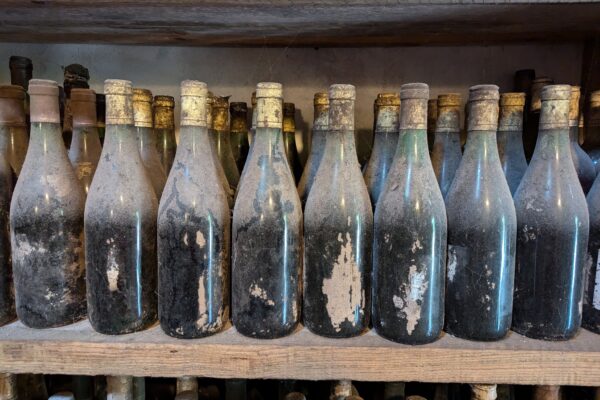
Reducing the Cost and Time of Wine Ageing?
There’s new research that examines the influence of ultrasound treatment on the chemical and sensory properties of a five-year-old bottled red wine over a period of twelve months. The study used both low-energy (5 minutes) and high-energy (30 minutes) ultrasound treatments to assess their effects. Sensory analysis revealed that, after three and six months of treatment, panelists preferred the ultrasound-treated wines, with the high-energy treatment generally yielding better results. However, by the ninth and twelfth months, the sensory differences between treated and untreated wines became less significant. From a chemical standpoint, the ultrasound treatment notably impacted the wine’s composition. The…
-
European Wine Industry Unites to Combat Anti-Alcohol Movement
The VITÆVINO Declaration is a newly launched initiative by major European wine organisations to combat the growing anti-alcohol movement, which has negatively impacted wine sales and wine culture. The declaration, signed on 1 October 2023, aims to defend European wine culture by highlighting four key points: preserving wine heritage, its economic role in rural areas, advocating for moderate consumption as part of a balanced lifestyle and upholding the right to enjoy wine responsibly. This campaign comes at a critical moment as increasing health concerns, particularly following the World Health Organisation’s declaration that no alcohol consumption is safe, have led to…
-
Insights into the UK Wine Market
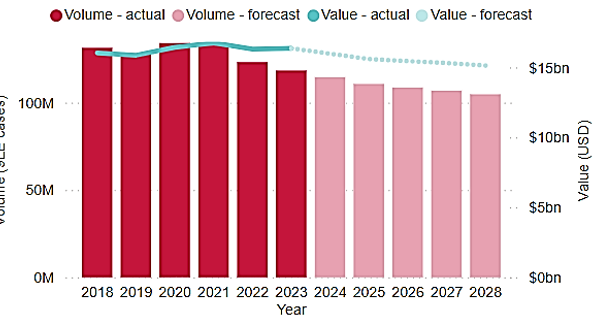
Wine Australia has released an insightful report on the UK market, which remains Australia’s number one export market by volume. The report provides a detailed analysis of the current trends and challenges impacting wine consumption in the UK, such as economic shifts, inflation, changes in disposable income and evolving consumer behaviour. The UK economy has experienced volatility, including a recession in 2023 due to high inflation and interest rates. Although inflation has begun to ease, household disposable incomes remain low, negatively impacting consumer spending. As alcohol prices rose, wine consumption declined, with the volume of alcohol consumption in the UK…
-
New Liberty Wines Off-Trade Wine Report
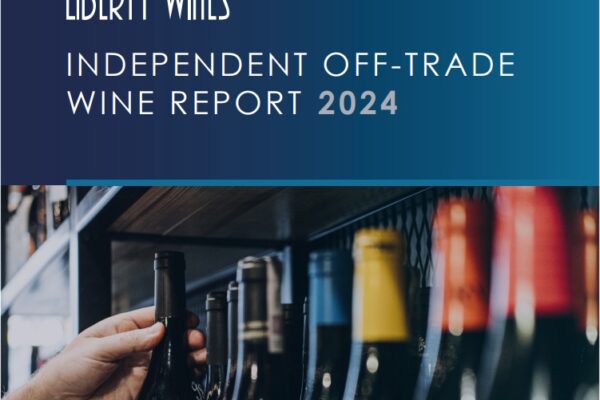
If you are reading this as someone who in the wine trade, Liberty Wines has its first Independent Off-Trade Wine Report, highlighting the strength of the independent retail sector, which lies in its diversity, specialisation and flexibility. However, tracking the indie market has been challenging due to a lack of data. To address this, they collaborated with HDI (Hospitality Data Insights) to monitor bank card spending at over 100 leading independent retailers in the UK. While the content of the report is confidential, a post on their Instagram feed revealed the report contains information on changes in consumer behaviour and…
-

Change of Scotland’s Minimum Unit Pricing
Drinks Retailing is reporting that the cost per unit of alcohol in Scotland has risen from 50p to 65p, meaning that alcoholic beverages must now be sold at a higher minimum price based on their alcohol content. A 13% ABV bottle of wine will rise to £6.34. This increase in Minimum Unit Pricing (MUP) has been met with criticism from the drinks industry, who argue that it will hurt both producers and consumers, especially during a period of financial strain. They also claim that there is little evidence the policy significantly improves health outcomes and note that some other regions…
-

Waitrose Launches UK’s First Major Supermarket Cork Recycling Trial
Waitrose has announced it will be the first major UK supermarket to trial cork recycling, beginning on 7th October in seven stores, including Salisbury, Saltash, Lymington, Bath, Godalming, Truro, and Maidenhead (when it reopens in November). Customers will be encouraged to recycle natural corks at collection points, with the material being processed by Amorim, the world’s largest cork processing group. Waitrose customers use nearly 25 million natural corks annually, which currently end up in landfill due to the lack of a specific recycling stream. The trial aims to reduce waste and improve sustainability, with the potential for expanding to more…
-
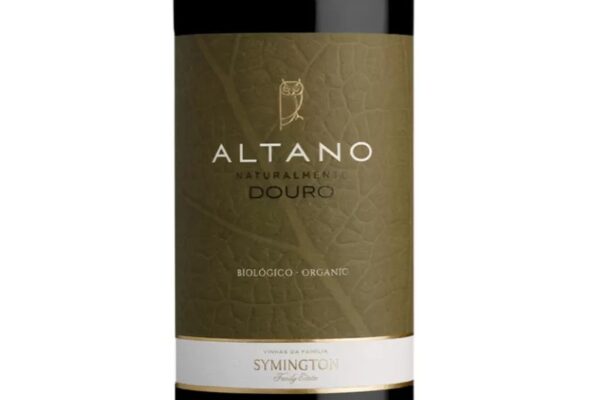
Label Design Influence on Consumer Attitudes Toward Organic Wine
New research ‘healthy = (un)tasty’ intuition concerning colour in organic wine labels explores how the colour of organic wine labels influences consumer perceptions, focusing on the associations with healthiness, tastiness and purchase intentions. The research investigates the effects of red versus green labels on these consumer attitudes. The study confirms that organic labels generally create a ‘health halo’, where consumers perceive organic products as healthier. This was demonstrated through Implicit Association Tests, revealing that consumers implicitly associate organic wine with both healthiness and tastiness. Green labels were found to be more strongly associated with healthiness, while red labels were linked…
-

Should Rosé Wines Be Darker?
New research on The effect of rosé wine colours on expected flavour and tastiness explores how different shades of rosé wine influence consumer perceptions, particularly regarding flavour expectations and tastiness. The study involved an experiment with 601 French rosé wine consumers, focusing on five shades of Rosé de Provence wines. It investigated whether slightly darker rosé wines, like peach and melon shades, elicit more positive consumer responses than paler shades such as nacre, light melon and sand. Consumers generally preferred the slightly darker peach and melon shades over paler shades. These darker shades were associated with higher willingness to pay,…
-

Consumer Attitudes and Willingness to Pay for Sustainable Wine
New research (pdf) looks into how age influences consumer attitudes and their willingness to pay for sustainably produced wine. The research is based on a survey of approximately 2,500 wine consumers across seven countries: the United States, South Africa, Netherlands, Italy, France, Chile and Australia. The study finds that younger consumers, those aged 18 to 44, are more inclined to view sustainable wine certification as important compared to older consumers aged 45 and above. This younger group also shows a slightly higher willingness to pay a premium for sustainably produced wines. However, while the willingness to pay among younger consumers…
-

Cork vs Screw Cap
There’s a great new in-depth article at Food and Wine on Screw Caps vs Corks. The debate between corks and screw caps in the wine industry revolves around tradition, functionality and consumer perception. Corks, traditionally used in wine bottles, are praised for their ability to help wines age and develop complexity due to their porous nature. However, corks can deteriorate over time, leading to oxidation and there’s the potential of cork taint, affecting up to 5% of wines. Screw caps, introduced in 1959, have gained popularity due to their consistency and ability to prevent contamination. They are particularly suited for…
-

Whites Mellowed by Age
There’s new research on how bottle aging affects the sensory characteristics and quality perception of various dry white wines, specifically those made from Alvarinho, Arinto, Sauvignon Blanc and Pinot Bianco grape varieties. A panel of experienced tasters and students assessed the wines using dark glasses to prevent colour bias, focusing on various sensory attributes such as quality, balance, complexity and evolutionary state. The study included basic physical–chemical analysis, browning measurements, elemental composition and a partial volatile fraction analysis. The research revealed that while white wines are not typically aged, certain varieties display an unexpected aging potential. The sensory evaluation showed…
-
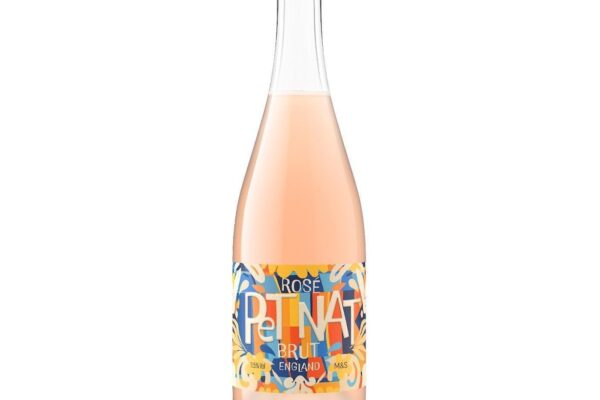
Brit-Nat: A New Wave for the UK Wine Industry?
The Buyer Magazine has an article on how Brit-Nat, a category of British pét-nat, might disrupt the UK wine industry. Pét-nat is an emerging style in English and Welsh winemaking that contrasts sharply with traditional English sparkling wine. Whereas traditional English sparkling represents the established norms, Brit-Nat embodies a countercultural ethos with its non-conformist, artisanal approach. This appeals particularly to younger consumers who value authenticity and unique stories behind the products they buy. Tim Wildman MW highlights the growing interest in pét-nat, driven by its appealing price point and the individuality of the wines and their makers. These wines are…
-

Majestic Sees 94% Surge in Organic Wine Sales, Exceeding Growth Expectations
DrinksRetailing is reporting Majestic has had a significant 94% increase in organic wine sales over the past year, nearly doubling from the previous year. This growth, spanning both retail and on-trade supply sectors, surpasses the company’s initial forecast that predicted a doubling of organic sales within three years. Majestic attributes this success to the improved depth and quality of its organic wine range, now offering 169 organic options compared to 124 the previous year. The trend is supported by more wine producers transitioning to organic practices. Majestic’s buying manager, Elizabeth Kelly MW, highlighted the rising demand for organic wines and…
-

UK EPR Will Cause Wine Price Increases
Extended Producer Responsibility (EPR) for packaging is a new UK legislation aimed at making producers fully responsible for managing packaging waste costs. The EPR fee structure includes Environmental Regulator Fees, covering Packaging Recovery Notes (PRNs) and Environment Agency fees, and Scheme Administrator Fees, which cover recycling costs for household and public bin packaging waste. The implementation of these fees has been deferred until 2025, based on 2024 data. From 2026, fees will be modulated to encourage the use of sustainable packaging. Importers of packaged goods into the UK are also subject to EPR fees if they meet certain criteria, such…
-

Risks and Benefits of Drinking for Older Adults
A new study looks into the belief that light to moderate drinking, particularly of wine, offers health benefits for older adults. The research, involving over 135,000 participants aged 60 and above from the UK, reveals that alcohol’s impact varies based on an individual’s existing health conditions and socioeconomic status. For those with pre-existing health issues or lower socioeconomic status, even minimal drinking increases the risk of death, especially from cancer. However, healthy older adults without such risks did not show an increased mortality rate from moderate drinking. The study highlights that drinking wine, especially with meals, is associated with the…
-

Australian Wine Industry Faces New Challenges
The Financial Times newspaper is reporting (might have gone behind paywall by the time you read this) how, in the 1980s, the Australian wine industry faced severe challenges, with some family businesses, like the Calabria family, resorting to washing bottles for others to stay afloat. Today, the industry faces even greater difficulties, particularly as global consumers move away from lower-priced commercial wines. The situation has led to a significant restructuring, with major players like Treasury Wine Estates and Accolade Wines selling off parts of their businesses. A major blow came in 2020 when China imposed tariffs on Australian wine, collapsing…
-

Tesco Expands Wine Selection with 16 New Premium Additions
Drinks Retailing is reporting Tesco has introduced 16 new wines to its range, sourced from Bibendum, focusing on English wines, Prosecco and premium South American wines. Some of these wines are new to the UK market, with some brands making their first appearance in Tesco. The new listings include: Tesco Finest English White (Balfour)Tesco Finest English Rosé (Balfour)Bottega Cru Nuance Prosecco DOC BrutBottega Nero Silk Prosecco DOC Extra DryAngelica Zapata ChardonnayMount Rozier Classics Chenin Blanc (Journey’s End)Mount Rozier Classics Merlot (Journey’s End)LFE Gran Reserva MerlotLFE Gran Reserva Roussanne MarsanneKingscote English Sparkling Brut (MDCV)Kingscote English Sparkling Brut Rosé (MDCV)La Masseria del…
Pick Lists
Majestic | The Wine Society | Tesco | Waitrose | Sainsbury’s | Morrisons | Co-op | Asda | Lidl | £7 and Under | Over £20
Did You Know?
Australian wine exports to China have collapsed from around $1.2 billion to less than $10 million. More
Wine’s aroma is not determined solely by which flavour compounds it contains. More
Low-to-moderate wine consumption is associated with lower mortality. More
Moderate water stress can be part of what creates flavour and terroir expression. More
Wine appears less frequently online than other alcoholic drinks. More
Independent retailers had 9% fewer customers in March 2026 than two years earlier. More
Average spend per bottle in independents has risen by 23% since 2019, compared with 21% in supermarkets. More.
Nearly a third (32%) of UK consumers say they have already used AI for alcoholic drinks advice. More
Among socially active wine buyers, 37% have bought a wine recommended online. More
In 2026, 72% of consumers now think wine knowledge is essential to appreciation, up 20 percentage points on 2025. More
Rías Baixas wines reached more than 107 countries in 2025 and exports represented 31 per cent of the denomination’s total sales. More
Light Strike Can Cause Wine Degradation in Just One Day. More
People actively adjust their wine choices depending on who might see them. More
In the UK, 73% of Alcohol is Bought From Retail Rather Than Hospitality. More
UK wine production reached 124,377 hectolitres that year, meaning the UK accounted for roughly 0.05 per cent of world output. More
For Crémant, grapes must be harvested by hand and the wines must undergo at least nine months’ ageing before release. More
In 2024, the UK was the second-largest export market for Champagne globally, after the United States. More
Local UK bottling of wine represents about 40% of imported wine. More
Around 1% of people, typically severe asthmatics, have a sulphite sensitivity. More
A large 80% of Australian wine arrives in the UK in bulk. More
Only about 0.02% of Australia’s landmass is dedicated to vineyards. More
In 2024, New Zealand produced only 1% of the World’s wine. More
In 2024, the US imported 37% of World production of Pinot Grigio and the UK was is in second place at 27%. More
In 2024, the UK was South Africa’s largest export market, with 40% of total exports. More
In 2024, the United Kingdom imported 22.3 million bottles of Champagne, a decline of 12.7% compared to the previous year. More
Larger Champagne producers source grapes from as many as 80 different vineyards throughout Champagne. More
Champagne houses and growers collectively produce around 300 million bottles annually. More
In 2025, the Champagne region was home to about 2,124 Champagne houses and approximately 19,000 growers. More
Provence is one of the leaders in the conversion to organic viticulture, with 61% of vineyards certified. More
8% of the South Africa’s grape production is Fairtrade-certified. More
Up to 80% of wine aroma compounds come from grape skins. More
Glycerol is the third-largest component of most dry wines after water and alcohol which is why they so often feel ‘smooth’ or ‘silky’ in the mouth. More
Humans are more than 400 times more sensitive to bitter than sweet. More
Humans can detect the earthy molecule geosmin at about 100 parts per trillion and camels are so sensitive to it they can locate damp ground from roughly 50 miles away. More
During the phylloxera crisis of the nineteenth century, 90% of Europe’s vineyards were destroyed. More
In 2025, for La Vieille Ferme, also known as “The Chicken Wine”, sales surged by 49.4% to £110.8 million. More
In 2025, in the UK, Yellow Tail held the top position with sales, marking a 9.8% increase over the previous year. More
In 2024, the UK was the second-largest wine importer in volume and value. More
In 2024, the UK was the fifth-largest wine-consuming country globally. More
In 2025, global wine consumption continued its downward trend, estimated at 214.2 million hectolitres, the lowest since 1961. More
In 2025, online alcohol sales had a 20% increase in value over five years. More
In 2025, the number of UK vineyards rose to 1,104 and wineries to 238, with land under vine expanding to 4,841 hectares, a 510% increase since 2005. More
Moët Hennessy alone commands nearly 46.66% of the Champagne market, with the top three producers together holding about 61%, and the top five controlling over 72%. More
In 2024, the Champagne market was worth roughly €3.92 billion. More
In the marketing year 2023/24, white wine accounted for roughly 55% of Spain’s output, whereas red and rosé together made up about 45%. More
In the UK, 92% of wine is consumed within 48hrs of purchase. More
The majority of wines, 95%, use commercial rather than wild yeast. More
Between 0.5 and 10 litres of water, per litre of wine, are needed for cleaning during winemaking. More
Machine harvesting can achieve up to 100 tons of fruit per day vs 1 ton for a human. More
In Germany, 2025 was the smallest wine vintage since 2010. More
The majority of vineyards, 90% in 2019, are farmed with heavy chemical interventions. Only 6% are organic. More
90% of low and coastal areas in south Europe and California will no longer be able to produce good wine by the end of the century. More
IMAGE WALL
Tools
Recent






Tags
25% Off Wine Aldi Amarone Argentina Articles Asda Australia Austria Award Awards25 Bizarre Blog Books Bordeaux Bulk Bottling Cabernet Sauvignon Carménère Cava Champagne Chardonnay Chile Climate Change Coop Crémant Decanter Duty English Wine EPR Fairtrade Food France Germany Glossary Greece Health Hungary Italy IWSC Jeroboams Laithwaites Legislation Liberty Wines Lidl Low Alcohol M&S Majestic Malbec Merch Merlot Morrisons Natural Nero d'Avola News New Zealand Non-Alcoholic Ocado Old Vine Organic Past Tastings Pick List Pinotage Pinot Grigio Pinot Noir Port Portugal Primitivo Prosecco Research Retailers Reviews Ribera del Duero Riesling Rioja Ripasso Rose Sainsbury's Saperavi Sauvignon Blanc Shiraz Sicily South Africa Spain Sparkling Supermarkets Sustainable Tax Terroir Tesco The Wine Society Unrepresented USA Valpolicella Virgin Wines Waitrose Wanderlust Welsh Wine What to Buy Wine Art WineGB Zinfandel