
News
Issues affecting the wine industry and the wine you drink
-

How the Vivino Community Affects Consumer Wine Choice
A new study Factors influencing wine ratings in an online wine community: The case of Trentino–Alto Adige (PDF) by Giulia Gastaldello, Isabel Schäufele-Elbers, and Günter Schamel explores the dynamics behind consumer ratings of wine on Vivino, a leading online wine community. It examines how various factors, including wine attributes like geographical indications, brand, and a community effect based on the popularity among users, influence these ratings across different price points. The research employs regression models and a hedonic quantile regression on price to analyse data from Vivino concerning wines from the Trentino–Alto Adige region in Italy. The study reveals a…
-
Australia’s Battle Against Overproduction
The Independent Newspaper is reporting that Australia’s wine industry is facing severe challenges due to a significant oversupply of wine, driven by declining global demand, especially for lower-priced red wines which are a major product of the country. Australia, the world’s fifth largest wine exporter, found itself with over two billion litres of wine in storage by mid-2023, leading to some of the stock spoiling. The crisis has hit hard in areas like Griffith, known for its wine grape cultivation, where millions of vines, some planted by Italian migrants in the 1950s, are being uprooted to combat the overproduction that…
-
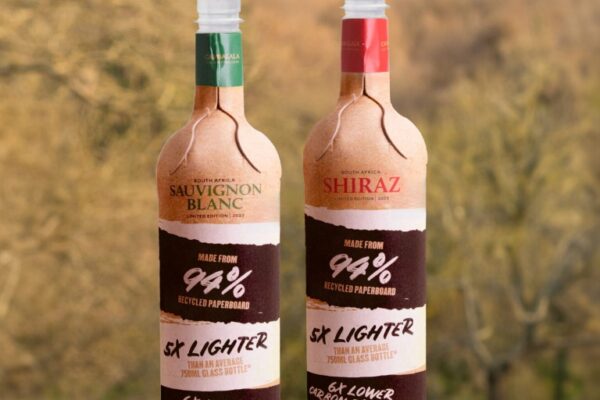
Aldi Unveils UK’s First Supermarket Own-Brand Paper Wine Bottles
Aldi has announced the launch of the UK’s first supermarket own-brand paper wine bottles, marking a significant step in sustainable packaging. The products, Cambalala South African Shiraz and Cambalala South African Sauvignon Blanc, priced at £7.99 for a 75cl bottle, will be available from 18th March, coinciding with Global Recycling Day. These innovative bottles are made using Frugalpac’s technology, consisting of 94% recycled paperboard with a food-grade pouch for the wine, offering a fully recyclable solution that is five times lighter than traditional glass bottles. This initiative is part of Aldi’s commitment to reducing its carbon footprint, equivalent to driving…
-

Heightened Alcohol Sensitivity After COVID-19 Recovery
There’s new research that looks into alcohol sensitivity experienced by individuals after recovering from COVID-19, known as Post-acute Sequelae of SARS-CoV-2 (PASC). It presents case series of patients who, after contracting COVID-19, began experiencing adverse reactions to alcohol that they hadn’t faced before, such as severe hangover symptoms from small amounts of alcohol. This suggests a possible link between COVID-19 recovery and heightened alcohol sensitivity.
-

Italian Wine Exports – Downturn in Both Volume and Value
European Supermarket Magazine is reporting that in 2023, Italian wine exports experienced a downturn in both volume and value across its five principal export markets, decreasing by 4.4% and 7.3% respectively, amounting to €4.45 billion. This decline was particularly marked in the United States, Canada, Japan and the UK, with only Germany witnessing a 7% increase in exports, buoyed by a significant rise in bulk wine orders. The overall decrease is attributed to an oversupply at local distributors in the US, alongside similar declines in other key markets. The sector faced challenges such as rising production costs and falling average…
-

Sparkling Wine Purchase Factors
There’s new study-based research (PDF download) into recent sparkling wine consumers in Ontario, Canada, offering insights into the cues that drive their purchase decisions. Sparkling wine’s global market is experiencing significant growth. This uptrend is notable given the distinct nature of sparkling wine, often purchased for celebrations rather than regular consumption. Research has highlighted the importance of both intrinsic and extrinsic factors in influencing sparkling wine purchases. Consumers prioritise taste, smell, and the price-quality ratio, while also considering the wine’s origin and brand reputation. Interestingly, the significance of these cues can shift based on whether the purchase is for personal…
-
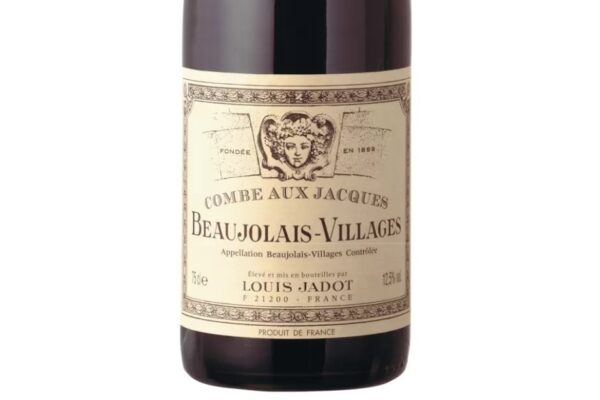
The Rise of Beaujolais and the Decline of Merlot
Decanter Magazine is reporting there’s been a notable shift in wine preferences in the UK, particularly in the red wine market. Merlot, once a popular choice, has seen a significant decrease in sales within bars and restaurants, spurred by a demand for lighter red wines. On the flip side, Beaujolais is experiencing a surge in popularity, with sales of Gamay grapes increasing by 35% since 2019 in upscale venues. This shift is attributed to a preference for lighter red wines and the search for value. Other varieties such as Nebbiolo, Corvina and Barbera are also gaining popularity, alongside a growth…
-

UK Bulk Wine Bottlers Embrace Cork for Sustainability
The Drinks Business is reporting that two leading UK bulk wine bottlers are making a move back to traditional cork stoppers. This change comes amidst growing demand among wine brands for more sustainable packaging solutions. This trend is largely driven by cork’s sustainable credentials, which are becoming more valued by both consumers and wine brands. The decision by Encirc Beverages and Broadland Drinks to install new corking lines at their UK facilities is a result of rising demand for cork-sealed wines. Encirc is responding to a top wine brand’s request to switch from screwcaps to cork for its bulk-shipped wines…
-

Calls for UK Budget Alcohol Relief to Boost Business and Curb Inflation
The Independent Newspaper is reporting that the alcohol industry is calling for cut to punishing duty rates. The Wine and Spirit Trade Association (WSTA) has voiced concerns over the detrimental effects of last year’s significant increases in alcohol duty, highlighting the negative repercussions on UK businesses and the broader economy. These increases, described as the largest in nearly half a century, added 20% to the excise duty on the majority of wines and over 10% on full-strength spirits available in the UK market. The industry witnessed a decline in sales volumes for wine and spirits, with spirits sales dropping by…
-
Global Warming and the Wine Industry
In a new study, Adapting and Thriving: Global Warming and the Wine Industry, researchers from Israel Universities look into the issue of global warming’s impact on the wine industry and propose a suite of innovative agricultural practices to combat these challenges. As the planet warms, the wine industry faces shifts in temperature and precipitation patterns that can affect grape ripeness, quality, and ultimately and the taste of wine. The research says that through innovation in farming practices and technological advancements, the industry has a viable pathway to not only survive but also to thrive in this new environmental shift. More…
-

Navigating the Rise of Alcohol in Wine
A new article Balancing act: Managing High Alcohol in Wine by Andy Neather discusses the growing concern in the wine industry regarding rising alcohol levels in wine, attributed to climate change and evolving consumer preferences for riper, more powerful wines. It specifically notes the trend of increasing alcohol content in wines from traditional regions like Burgundy, Bordeaux and the northern parts of Spain, with recent vintages showing significantly higher percentages than were common in the past. The article explains the scientific basis for this increase, higher average temperatures lead to higher sugar levels in grapes, resulting in higher potential alcohol…
-

Educators vs Seducers
There’s a thought provoking article at Meininger’s International that argues against the notion that increasing wine knowledge is the key to addressing the industry’s challenges. Instead, it emphasises the importance of sparking interest through fascination and seduction, rather than focusing solely on education. The piece illustrates this point with anecdotes about people in the wine industry who have achieved success without comprehensive knowledge of all wine regions or varieties. It suggests that passion and the ability to intrigue others about wine are more impactful than formal education in enhancing appreciation and expanding the wine community.
-

How Label Colour Shapes Wine Buying Decisions
New research looks into the psychological impact of wine label colour on consumers, examining how black and white versus colour labels affect the perceived value and appeal of red and white wines. It highlights that black and white labels significantly elevate the perceived quality and exclusivity of red wines, thereby increasing consumer interest and willingness to purchase. This effect is attributed to the labels’ ability to convey sophistication and trigger deeper cognitive engagement with the product. Conversely, the study observes that this effect is less pronounced for white wines, suggesting that the influence of label colour is contingent upon the…
-

Adapting Winemaking Due to Climate Change
Wine Searcher has an informative article titled Short and Sweet: The New Vintage Paradigm, exploring the challenges and adaptations facing the wine industry in the wake of climate change. As the globe warms, winemakers are have to cope with a significant shift in their traditional practices due to a compressed growing season for grapes. The acceleration of the vintage is a worldwide phenomenon, with winemakers witnessing a considerable shortening of the growing season. In Bordeaux, the growing season has reduced from 100-110 days to approximately 90 days. This trend is echoed in regions like Burgundy, the Rhône Valley and Italy’s…
-

How Modern Branding Could Revitalise the Wine Industry
Just Drinks has a thought-provoking article on ‘Why Branding Could Be Behind Falling Wine Consumption‘. The wine industry is facing a challenging time with global wine consumption gradually declining since 2007, a trend that is accelerating. The article explains how the decline might be partially attributed to the wine industry’s approach to branding and marketing, which has not evolved at the same pace as other beverage categories. A significant issue is the focus on appellations, often at the expense of effective branding. In France, the appellation model has been so heavily used that it now covers 91% of wines produced,…
-

Saperavi Grape
The Metro newspaper recently shed light on the ‘Saperavi’, a grape that originates from Georgia, between Eastern Europe and West Asia. Saperavi bears a striking resemblance in taste and character to Cabernet Sauvignon but with a twist. It also has the warming spice and rich texture reminiscent of a hearty Argentinian Malbec. What sets Saperavi apart, however, is not just its flavour profile but also its appearance. Unlike the common greeny-yellow innards of regular grapes, Saperavi boasts red flesh. This characteristic contributes to the production of an intensely purply-coloured wine, aligning with its name which translates to ‘paint’ or ‘dye’…
-

Reducing Wine Consumption Through Serving Size
New research titled ‘Impact on wine sales of removing the largest serving size by the glass‘, published in PLOS Medicine, explores the effect of reducing wine serving sizes on wine sales. The study, conducted across 21 licensed premises in England, used an A-B-A method to compare wine sales during periods with and without the availability of the largest serving size. It found that removing the largest serving size led to a significant reduction in the volume of wine sold, suggesting that this intervention could be a useful strategy in efforts to reduce alcohol consumption. The researchers suggest that these findings…
-

Ways Out of the Wine Crisis
A new report titled Ways out of the crisis, commissioned by ProWein, from Geisenheim University, based on a survey of over 2,000 wine industry members, highlights several key challenges and trends. Economic factors are the primary concerns in the industry. Cost increases, global economic downturn and decreasing wine consumption are significant threats, with 73%, 59%, and 48% of the respondents in 2023 expressing concern about these issues, respectively. Climate change is also a concern, but it ranks lower in priority compared to immediate economic issues. Only 45% view it as a major threat, despite 2023 marking a 60-year low in…
-

Champagne Industry 2023 Retrospective
Recent data has highlighted a notable shift in the Champagne market for the year 2023. Following three years of exceptional performance, Champagne shipments have reverted to pre-pandemic levels, with a total of 299 million bottles shipped, marking an 8.2% decrease from the previous year. The industry witnessed a significant slump in 2020 with an 18% decline due to the pandemic’s onset. This downturn was followed by a robust recovery, with sales soaring by 33% over the next two years, culminating in over 325 million bottles being shipped by the end of 2022. The 2023 figures, although lower, are still in…
-

AI-Assisted Wine Discovery
Last year, the BBC highlighted the growing trend of AI-powered wine recommendation apps, such as FinpåVin, which are changing the way people select their next bottle of wine. However, Sippd, a notable application in this field, has recently shut down, raising doubts about the necessity of such technology for simplifying the process of choosing wine. The story of Sippd, created by Blake Hershey, illustrated the demand for innovative solutions in the wine industry. Hershey recognised the difficulty individuals faced in choosing wine without extensive knowledge or advice. This led to the creation of Sippd, which offered a personalised journey in…
Pick Lists
Majestic | The Wine Society | Tesco | Waitrose | Sainsbury’s | Morrisons | Co-op | Asda | Lidl | £7 and Under | Over £20
Did You Know?
Australian wine exports to China have collapsed from around $1.2 billion to less than $10 million. More
Wine’s aroma is not determined solely by which flavour compounds it contains. More
Low-to-moderate wine consumption is associated with lower mortality. More
Moderate water stress can be part of what creates flavour and terroir expression. More
Wine appears less frequently online than other alcoholic drinks. More
Independent retailers had 9% fewer customers in March 2026 than two years earlier. More
Average spend per bottle in independents has risen by 23% since 2019, compared with 21% in supermarkets. More.
Nearly a third (32%) of UK consumers say they have already used AI for alcoholic drinks advice. More
Among socially active wine buyers, 37% have bought a wine recommended online. More
In 2026, 72% of consumers now think wine knowledge is essential to appreciation, up 20 percentage points on 2025. More
Rías Baixas wines reached more than 107 countries in 2025 and exports represented 31 per cent of the denomination’s total sales. More
Light Strike Can Cause Wine Degradation in Just One Day. More
People actively adjust their wine choices depending on who might see them. More
In the UK, 73% of Alcohol is Bought From Retail Rather Than Hospitality. More
UK wine production reached 124,377 hectolitres that year, meaning the UK accounted for roughly 0.05 per cent of world output. More
For Crémant, grapes must be harvested by hand and the wines must undergo at least nine months’ ageing before release. More
In 2024, the UK was the second-largest export market for Champagne globally, after the United States. More
Local UK bottling of wine represents about 40% of imported wine. More
Around 1% of people, typically severe asthmatics, have a sulphite sensitivity. More
A large 80% of Australian wine arrives in the UK in bulk. More
Only about 0.02% of Australia’s landmass is dedicated to vineyards. More
In 2024, New Zealand produced only 1% of the World’s wine. More
In 2024, the US imported 37% of World production of Pinot Grigio and the UK was is in second place at 27%. More
In 2024, the UK was South Africa’s largest export market, with 40% of total exports. More
In 2024, the United Kingdom imported 22.3 million bottles of Champagne, a decline of 12.7% compared to the previous year. More
Larger Champagne producers source grapes from as many as 80 different vineyards throughout Champagne. More
Champagne houses and growers collectively produce around 300 million bottles annually. More
In 2025, the Champagne region was home to about 2,124 Champagne houses and approximately 19,000 growers. More
Provence is one of the leaders in the conversion to organic viticulture, with 61% of vineyards certified. More
8% of the South Africa’s grape production is Fairtrade-certified. More
Up to 80% of wine aroma compounds come from grape skins. More
Glycerol is the third-largest component of most dry wines after water and alcohol which is why they so often feel ‘smooth’ or ‘silky’ in the mouth. More
Humans are more than 400 times more sensitive to bitter than sweet. More
Humans can detect the earthy molecule geosmin at about 100 parts per trillion and camels are so sensitive to it they can locate damp ground from roughly 50 miles away. More
During the phylloxera crisis of the nineteenth century, 90% of Europe’s vineyards were destroyed. More
In 2025, for La Vieille Ferme, also known as “The Chicken Wine”, sales surged by 49.4% to £110.8 million. More
In 2025, in the UK, Yellow Tail held the top position with sales, marking a 9.8% increase over the previous year. More
In 2024, the UK was the second-largest wine importer in volume and value. More
In 2024, the UK was the fifth-largest wine-consuming country globally. More
In 2025, global wine consumption continued its downward trend, estimated at 214.2 million hectolitres, the lowest since 1961. More
In 2025, online alcohol sales had a 20% increase in value over five years. More
In 2025, the number of UK vineyards rose to 1,104 and wineries to 238, with land under vine expanding to 4,841 hectares, a 510% increase since 2005. More
Moët Hennessy alone commands nearly 46.66% of the Champagne market, with the top three producers together holding about 61%, and the top five controlling over 72%. More
In 2024, the Champagne market was worth roughly €3.92 billion. More
In the marketing year 2023/24, white wine accounted for roughly 55% of Spain’s output, whereas red and rosé together made up about 45%. More
In the UK, 92% of wine is consumed within 48hrs of purchase. More
The majority of wines, 95%, use commercial rather than wild yeast. More
Between 0.5 and 10 litres of water, per litre of wine, are needed for cleaning during winemaking. More
Machine harvesting can achieve up to 100 tons of fruit per day vs 1 ton for a human. More
In Germany, 2025 was the smallest wine vintage since 2010. More
The majority of vineyards, 90% in 2019, are farmed with heavy chemical interventions. Only 6% are organic. More
90% of low and coastal areas in south Europe and California will no longer be able to produce good wine by the end of the century. More
IMAGE WALL
Tools
Recent




Tags
25% Off Wine Aldi Amarone Argentina Articles Asda Australia Award Awards25 Bizarre Blog Books Bordeaux Bulk Bottling Cabernet Sauvignon Carménère Cava Champagne Chardonnay Chile Climate Change Coop Crémant Decanter Duty English Wine EPR Fairtrade Food France Germany Glossary Greece Health Italy IWSC Jeroboams Laithwaites Legislation Liberty Wines Lidl Low Alcohol M&S Majestic Malbec Merch Merlot Morrisons Natural Nero d'Avola News New Zealand Non-Alcoholic Ocado Old Vine Organic Past Tastings Pick List Pinotage Pinot Grigio Pinot Noir Port Portugal Primitivo Prosecco Regulations Research Retailers Reviews Ribera del Duero Riesling Rioja Ripasso Rose Sainsbury's Saperavi Sauvignon Blanc Shiraz Sicily South Africa Spain Sparkling Supermarkets Sustainable Tax Terroir Tesco The Wine Society Unrepresented USA Valpolicella Virgin Wines Waitrose Wanderlust Welsh Wine What to Buy Wine Art WineGB WIne Glasses Zinfandel