
News
Issues affecting the wine industry and the wine you drink
-
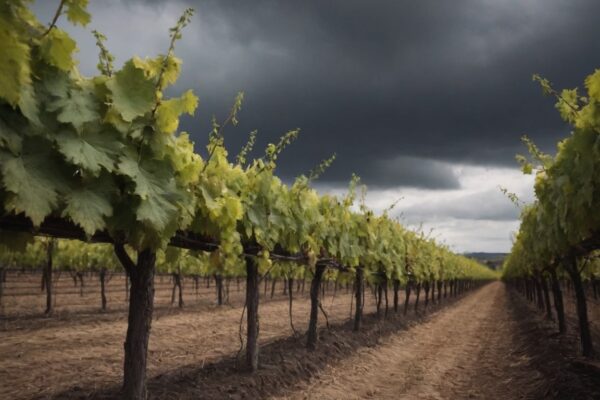
The Effects of Climate Change on Winemaking
Researchers from Italy have put together a useful paper (pdf) on the effects of climate change on wine composition and winemaking processes, focusing on the challenges posed and strategies to address them. This research is relevant because climate change will increasingly alter the flavour profiles, quality and availability of wines. It highlights how increasing temperatures, changing rainfall patterns and extreme weather events impact grapevine physiology, grape composition and overall wine quality. These changes result in higher sugar content, reduced acidity and elevated pH levels, leading to increased alcohol levels in wine, which affects its sensory characteristics and market appeal. To…
-
Insights from Vivino vs Expert Bordeaux Reviews
A new paper from Cambridge University Press examines the validity of crowdsourced wine ratings, focusing on the Vivino platform, by comparing them with professional critics’ assessments and exploring their sensitivity to weather variations that impact wine quality. Using a dataset of Bordeaux red wines, the study finds substantial correlation between Vivino ratings and professional evaluations, though the latter exhibit stronger internal consistency. Differences are partly due to amateurs prioritising immediate drinking pleasure, whereas professionals consider the wine’s ageing potential. Both amateurs and critics are responsive to weather conditions that affect grape quality, aligning with findings in viticulture literature. However, the…
-
Exploring Regional Differences in Wine Tasting
The new study (pdf) explores whether distinct groups of wine experts differ in their sensory and quality assessments of the same wines. Blind tastings were conducted with panels from two Canadian regions, the Okanagan Valley and Montreal, which have different socio-cultural and training backgrounds. The Okanagan panel included winemakers and winery employees with training in the Wine & Spirit Education Trust, while the Montreal group comprised sommeliers and wine journalists trained in a French-inspired approach. The research found significant differences in how the panels evaluated certain sensory attributes such as vegetative, bitterness and balance. The Montreal panel rated sensory attributes…
-
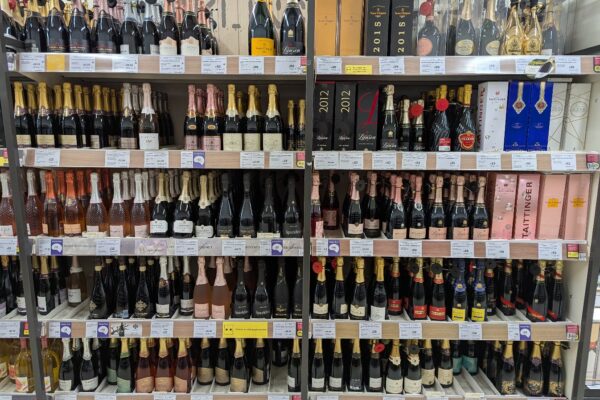
Sparkling Wine, Champagne and Premium Own-Label Fuelled Christmas Growth in UK
Kantar data shows that sparkling wine and Champagne were standout performers in the UK festive retail market, with sales growing by 4.4% to reach a total of £187 million across December 2024. This increase reflects a strong consumer appetite for celebratory drinks during the holiday season, despite rising grocery price inflation. Fortified wines also saw strong sales, with over 45s accounting for the majority of purchases in this category. Premium own-label lines, including wine offerings, saw good growth, with sales rising by 14.6% compared to the previous year. These lines now represent a record 7% of all grocery sales, driven…
-

The Battle Between Science and Prohibitionists
David Morrison argues on his blog that current medical evidence does not support the claim that moderate wine consumption is harmful, though public health messaging has increasingly taken a prohibitionist stance. He critiques official health organisations, such as the WHO and the UK Chief Medical Officers, for their stringent guidelines on alcohol, pointing out a lack of solid scientific evidence to justify their warnings. Morrison, a seasoned scientist with extensive research credentials, states that moderate wine consumption, defined as up to two glasses per day for men and one for women, poses no harm according to recent studies. He references…
-
French Red Wine Faces Crisis Amid Changing Tastes
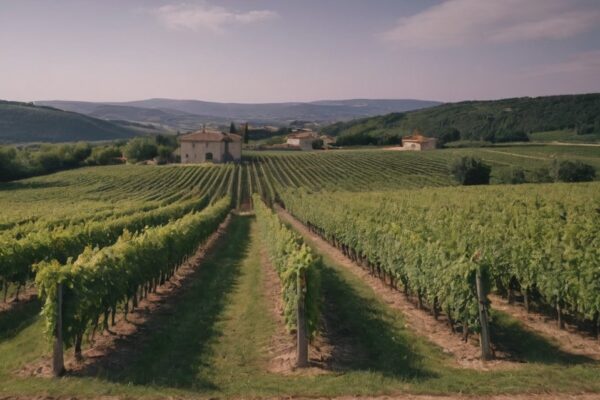
The FT newspaper is reporting (link started free but might be behind paywall by the time you read this) that the French red wine industry is facing a severe decline as younger generations increasingly shift away from red wine, opting for rosé, beer, spirits, or alcohol-free alternatives and some avoid alcohol altogether. Consumption of red wine in France has fallen by about 90% since the 1970s, while total wine consumption has decreased by over 80% since 1945. Generation Z purchases significantly less wine than older generations, highlighting a generational shift. Experts attribute the decline to the industry’s failure to connect…
-
EU Sparkling Wine Production and Exports Down 8%
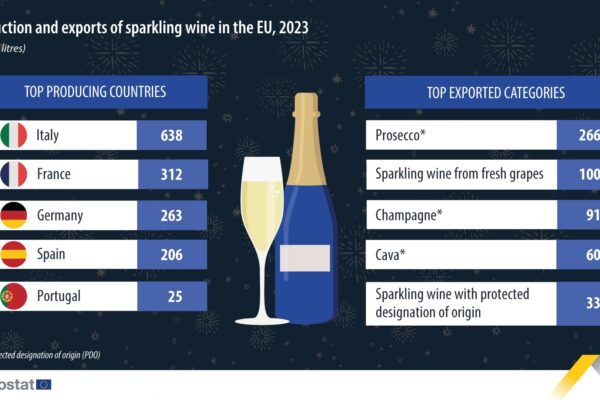
Eurostat, the EU’s official statistics body, is reporting an 8% decline in sparkling wine production and exports in 2023 (yes, 2023, see below). The EU produced 1.496 billion litres of sparkling wine, down from 1.624 billion litres in 2022. Italy led production with 638 million litres, followed by France with 312 million (224 million litres of champagne and 88 million litres of other sparkling wines) and Germany with 263 million litres. Spain and Portugal contributed 206 million and 25 million litres, respectively. Exports to non-EU countries also fell by 8%, with 600 million litres exported in 2023 compared to 649…
-
Global Surge in No-Alcohol Drinks
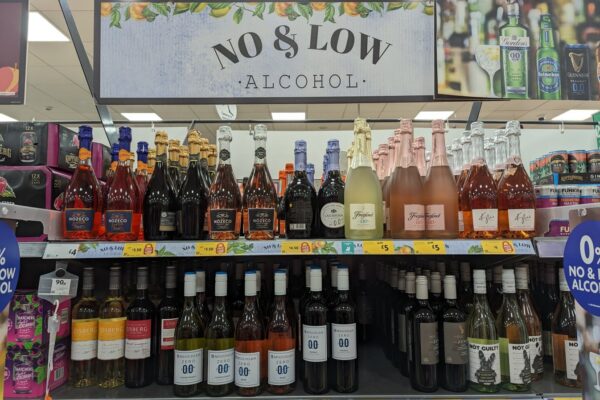
The IWSR (International Wine and Spirits Research) is a top authority on global alcohol beverage market data, analysis and insights, providing strategic intelligence to the industry. According to the IWSR No- and Low-Alcohol Strategic Study 2024, the market is experiencing a transformative shift, driven by younger consumers and evolving preferences. Across 10 key markets, including the US, Brazil, UK, and Japan, no-alcohol is expected to grow at a compound annual growth rate (CAGR) of 7%, while low-alcohol volumes remain static. Key findings highlight that the US and Brazil are poised as key growth markets, with CAGRs of 18% and 10%,…
-

Ensure You’re Getting the Right Measure in Bars and Pubs
Swindon link is reporting on a survey conducted by Swindon Borough Council’s Trading Standards team revealed that some pubs and bars in the borough are serving short measures of alcohol. During inspections of ten venues, officers found that 70 per cent of drinks purchased were below the legally prescribed quantities under The Weights and Measures (Intoxicating Liquor) Order 1988. Specifically, 60 per cent of medium glasses of white wine (175ml) and 80 per cent of vodka shots (25ml) were short measures. Wine deficiencies ranged from 5ml to 25ml, with the largest being 14.3 per cent below the required amount. Six…
-

Trends for 2025
Bibendum’s Top 6 Wine Trends for 2025 highlights emerging preferences in the wine industry, based on the analysis of cutting-edge venues using the ‘Wine MODE’ tool. This is based on changes seen on UK on-trade (hospitality) wine lists. French Aligoté is gaining recognition as a standalone varietal due to improved ripening from global warming, now appearing in a significant number of venues. Spanish Rosado, traditionally fuller-bodied than French rosé, is becoming popular for its food pairing versatility, particularly Rioja rosado. USA Cabernet Sauvignon from regions like Napa Valley is being featured more frequently, while Italian Primitivo, with its rich and…
-

Mental Approaches for Assessing Wines
A new study looks at how two different mental approaches, mindfulness and thought suppression, affect the ability to smell and assess wines. Mindfulness, which involves staying present and accepting your feelings and sensations without judgment, helped people better notice the intensity of smells in the wines. However, it made them less likely to judge whether a wine smelled pleasant or unpleasant. On the other hand, thought suppression, where you try to push away your emotions, reduced people’s overall ability to identify smells in the wine. For anyone tasting wine, this means that being mindful, focusing calmly on the smells and…
-
Free Chianti Classico Course
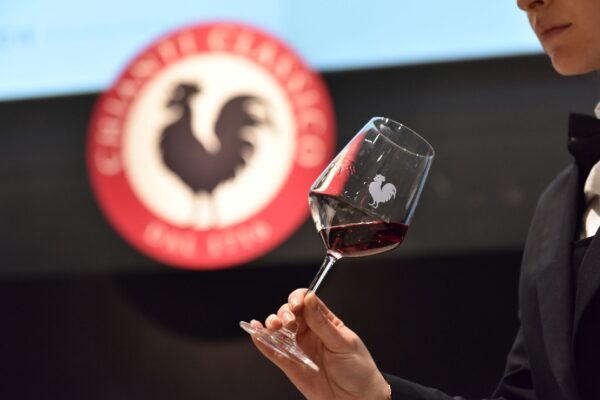
The Consorzi Vini e Olio Classico online platform offers a free educational course on Black Rooster DOP wines and oils, exploring the history, terroir, and production of Chianti Classico. The five-module programme covers topics such as the region’s ancient history, modern challenges, grape and olive varieties, and production techniques. You will learn about Sangiovese grapes, Chianti cultivars and tasting methods. Aimed at professionals like sommeliers and food writers, as well as wine enthusiasts, the course provides an official certificate upon completion, recognising the skills acquired.
-
Lowest Wine Output Since 1961
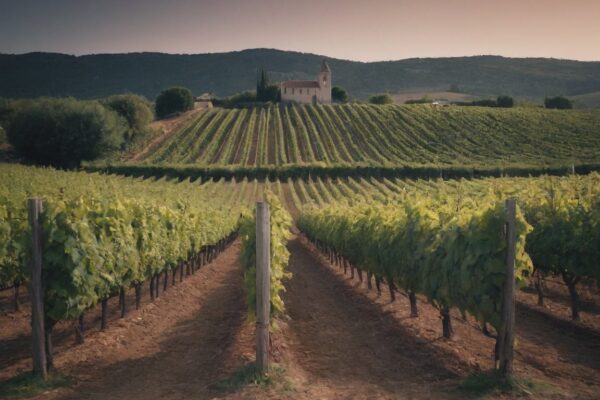
The OIV’s new 2024 World Wine Production Outlook (PDF) highlights a challenging year for the global wine industry, with production estimated at 227 to 235 million hectolitres, reflecting a 2% decline from 2023 and a 13% decrease compared to the ten-year average. This marks the lowest global output since 1961, primarily driven by adverse climatic conditions across both hemispheres. In Europe, production has been significantly affected by extreme weather, with France experiencing a sharp 23% drop, while Italy regains its position as the leading global producer despite remaining 13% below its five-year average. Spain, although improving from 2023, remains 4%…
-
Waitrose Food & Drink Report 2024
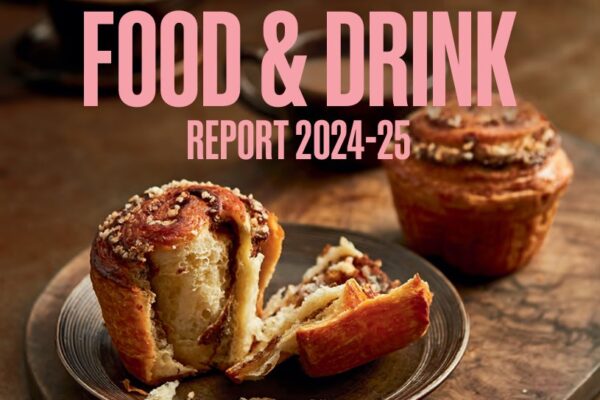
Waitrose have a new Food and Drink Report based on a survey of over 3,200 people who have shopped at Waitrose in the preceding three months to October 2024. The findings highlight a noticeable shift in customer drinking habits. Sales of no- and low-alcohol wines have risen significantly, up by 17% compared to previous periods. Boxed wines have also gained further traction, with sales increasing by 9% this year, reflecting a growing preference for convenience and sustainability among shoppers. Rosé wines, traditionally associated with summer months, are now enjoyed year-round. There is also an emerging preference for darker, more complex…
-
Exploring Plant-Based Alternatives to Sulphur Dioxide in Winemaking
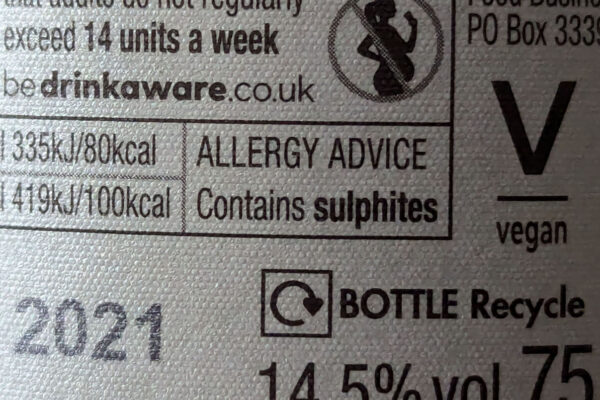
Winemaking has long relied on sulphur dioxide (SO₂) for its antioxidant and antimicrobial properties, ensuring the stability and quality of wines. However, slight concerns about its health impacts and allergenic potential have prompted the search for natural alternatives. Recent research highlights the potential of a plant-based tannin blend (referred to as SDR) as a substitute for SO₂ in white, rosé and red wines. SDR has demonstrated promise as a viable alternative, particularly in white and red wines. Unlike traditional SO₂, SDR-treated white and rosé wines showed elevated levels of phenolics, flavonoids, and antioxidant capacity, suggesting an enhanced protective quality. However,…
-

Protest Against February Duty Hike on Wine
Tim Atkin, Master of Wine, has announced that wine friends are coming together to protest against the exorbitant and potentially devastating February duty hike on wine in the UK. To join the campaign, send a flattened wine capsule or screwcap to Rachel Reeves at HM Treasury, 1 Horse Guards Road, London SW1A 2HQ, with a message urging the government to cap the wine tax. A petition will be live next week, and if achieving 10,000+ signatures, will stand a strong chance of getting this matter debated in Parliament. In the meantime, UK citizens are encouraged to write to their local…
-
Harnessing Native Yeasts to Revive Terroir
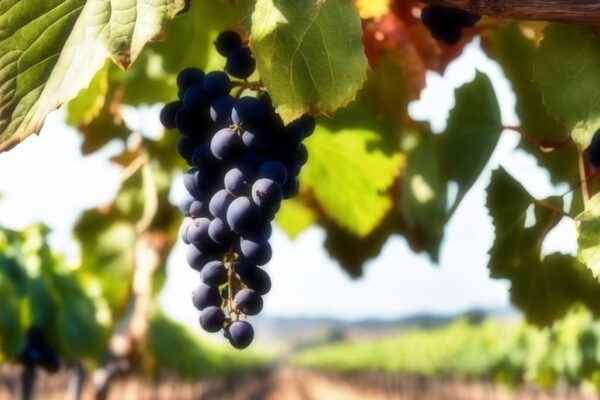
You might sometimes encounter wine descriptions or labels mentioning the use of ‘native yeasts’. This refers to microorganisms naturally found on grape skins or in the vineyard environment. Yeasts play a crucial role in influencing the wine’s aroma and flavour. A new study provides insights into the otherwise widespread use of commercially available yeast strains by many winemakers. These commercial yeasts are engineered for predictable performance, enabling precise control over fermentation and ensuring consistent results year after year. This practice standardises wine production but is thought to diminish the expression of terroir, the unique interplay of soil, climate and local…
-
M&S Cuts Wine Prices for Affordable Festive Celebrations
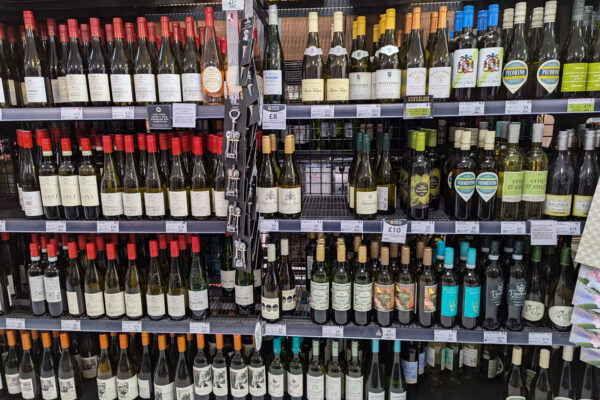
M&S has reduced prices on a third of its wine selection in response to consumer budget concerns, with over 120 wines discounted since April, including 22 more cuts this week. To further support customers ahead of the Christmas season, M&S has also revised its wine deal, offering a 10% discount on four bottles (previously required six). Notable reductions include Conte Priuli Prosecco, now £7.50 (was £8), Prosecco Rosé, now £8 (was £9) and Wave Break White Zinfandel, now £5.50 (was £6.50).
-
How European Consumers Value Wine
A new study investigates how wine consumers in France, Greece and Italy value various ‘credence attributes’, including wine origin, production methods (conventional, organic, or biodynamic), price and geographical indication (GI). The researchers assessed which attributes most strongly influence purchasing decisions. The analysis revealed that consumers highly value the origin of wine, especially local origins, followed by production methods, with organic wines receiving preference. Biodynamic methods, however, showed little impact on consumer choices, indicating a niche interest. The study identified significant cross-country differences. French consumers prioritised organic methods and local wines, while Greek consumers were more inclined toward national products over…
-
UK is Australia’s Largest Wine Market By Volume
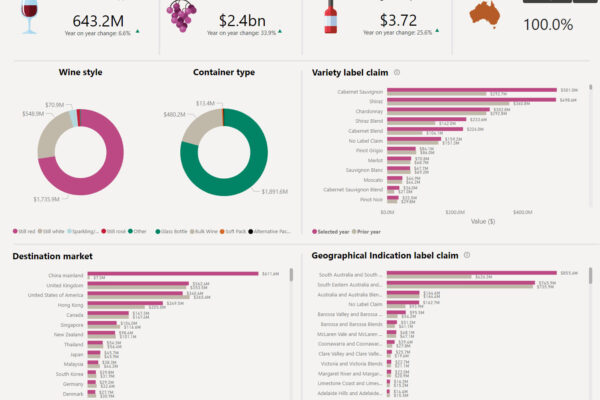
Wine Australia has a new report on the period 12 months to 30 September 2024. The report on Australian wine exports highlights a 34% growth in export value to AUD 2.39 billion in the 12 months ending September 2024, reaching its highest levels since 2021. Exports surged particularly due to the lifting of tariffs on Australian wine exports to China, which saw a marked increase. Export volume to other destinations, however, fell slightly by 3%, with notable declines in the United States. For the UK, Australia’s largest market by volume and second by value, exports rebounded with a 3% increase…
Pick Lists
Majestic | The Wine Society | Tesco | Waitrose | Sainsbury’s | Morrisons | Co-op | Asda | Lidl | £7 and Under | Over £20
Did You Know?
Australian wine exports to China have collapsed from around $1.2 billion to less than $10 million. More
Wine’s aroma is not determined solely by which flavour compounds it contains. More
Low-to-moderate wine consumption is associated with lower mortality. More
Moderate water stress can be part of what creates flavour and terroir expression. More
Wine appears less frequently online than other alcoholic drinks. More
Independent retailers had 9% fewer customers in March 2026 than two years earlier. More
Average spend per bottle in independents has risen by 23% since 2019, compared with 21% in supermarkets. More.
Nearly a third (32%) of UK consumers say they have already used AI for alcoholic drinks advice. More
Among socially active wine buyers, 37% have bought a wine recommended online. More
In 2026, 72% of consumers now think wine knowledge is essential to appreciation, up 20 percentage points on 2025. More
Rías Baixas wines reached more than 107 countries in 2025 and exports represented 31 per cent of the denomination’s total sales. More
Light Strike Can Cause Wine Degradation in Just One Day. More
People actively adjust their wine choices depending on who might see them. More
In the UK, 73% of Alcohol is Bought From Retail Rather Than Hospitality. More
UK wine production reached 124,377 hectolitres that year, meaning the UK accounted for roughly 0.05 per cent of world output. More
For Crémant, grapes must be harvested by hand and the wines must undergo at least nine months’ ageing before release. More
In 2024, the UK was the second-largest export market for Champagne globally, after the United States. More
Local UK bottling of wine represents about 40% of imported wine. More
Around 1% of people, typically severe asthmatics, have a sulphite sensitivity. More
A large 80% of Australian wine arrives in the UK in bulk. More
Only about 0.02% of Australia’s landmass is dedicated to vineyards. More
In 2024, New Zealand produced only 1% of the World’s wine. More
In 2024, the US imported 37% of World production of Pinot Grigio and the UK was is in second place at 27%. More
In 2024, the UK was South Africa’s largest export market, with 40% of total exports. More
In 2024, the United Kingdom imported 22.3 million bottles of Champagne, a decline of 12.7% compared to the previous year. More
Larger Champagne producers source grapes from as many as 80 different vineyards throughout Champagne. More
Champagne houses and growers collectively produce around 300 million bottles annually. More
In 2025, the Champagne region was home to about 2,124 Champagne houses and approximately 19,000 growers. More
Provence is one of the leaders in the conversion to organic viticulture, with 61% of vineyards certified. More
8% of the South Africa’s grape production is Fairtrade-certified. More
Up to 80% of wine aroma compounds come from grape skins. More
Glycerol is the third-largest component of most dry wines after water and alcohol which is why they so often feel ‘smooth’ or ‘silky’ in the mouth. More
Humans are more than 400 times more sensitive to bitter than sweet. More
Humans can detect the earthy molecule geosmin at about 100 parts per trillion and camels are so sensitive to it they can locate damp ground from roughly 50 miles away. More
During the phylloxera crisis of the nineteenth century, 90% of Europe’s vineyards were destroyed. More
In 2025, for La Vieille Ferme, also known as “The Chicken Wine”, sales surged by 49.4% to £110.8 million. More
In 2025, in the UK, Yellow Tail held the top position with sales, marking a 9.8% increase over the previous year. More
In 2024, the UK was the second-largest wine importer in volume and value. More
In 2024, the UK was the fifth-largest wine-consuming country globally. More
In 2025, global wine consumption continued its downward trend, estimated at 214.2 million hectolitres, the lowest since 1961. More
In 2025, online alcohol sales had a 20% increase in value over five years. More
In 2025, the number of UK vineyards rose to 1,104 and wineries to 238, with land under vine expanding to 4,841 hectares, a 510% increase since 2005. More
Moët Hennessy alone commands nearly 46.66% of the Champagne market, with the top three producers together holding about 61%, and the top five controlling over 72%. More
In 2024, the Champagne market was worth roughly €3.92 billion. More
In the marketing year 2023/24, white wine accounted for roughly 55% of Spain’s output, whereas red and rosé together made up about 45%. More
In the UK, 92% of wine is consumed within 48hrs of purchase. More
The majority of wines, 95%, use commercial rather than wild yeast. More
Between 0.5 and 10 litres of water, per litre of wine, are needed for cleaning during winemaking. More
Machine harvesting can achieve up to 100 tons of fruit per day vs 1 ton for a human. More
In Germany, 2025 was the smallest wine vintage since 2010. More
The majority of vineyards, 90% in 2019, are farmed with heavy chemical interventions. Only 6% are organic. More
90% of low and coastal areas in south Europe and California will no longer be able to produce good wine by the end of the century. More
IMAGE WALL
Tools
Recent




Tags
25% Off Wine Aldi Amarone Argentina Articles Asda Australia Austria Award Awards25 Bizarre Blog Books Bordeaux Bulk Bottling Cabernet Sauvignon Carménère Cava Champagne Chardonnay Chile Climate Change Coop Crémant Decanter Duty English Wine EPR Fairtrade Food France Germany Glossary Greece Health Hungary Italy IWSC Jeroboams Laithwaites Liberty Wines Lidl Low Alcohol M&S Majestic Malbec Merch Merlot Morrisons Natural Nero d'Avola News New Zealand Non-Alcoholic Ocado Old Vine Organic Past Tastings Pick List Pinotage Pinot Grigio Pinot Noir Port Portugal Primitivo Prosecco Regulations Research Reviews Ribera del Duero Riesling Rioja Ripasso Rose Sainsbury's Saperavi Sauvignon Blanc Shiraz Sicily South Africa Spain Sparkling Supermarkets Sustainable Tax Terroir Tesco The Wine Society Unrepresented USA Valpolicella Virgin Wines Waitrose Wanderlust Welsh Wine What to Buy Wine Art WineGB WIne Glasses Zinfandel