
Portugal
-
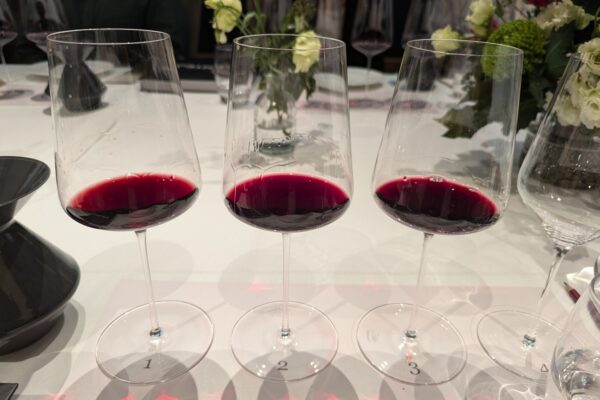
Wines of Alentejo Battle of Icons
In early December 2024, London hosted a unique event: Wines of Alentejo, Battle of Icons. This gathering brought together 18 people from the trade and press to explore and celebrate the exceptional wines of Alentejo, one of Portugal’s most renowned southern wine regions. The event focused on identifying and highlighting wines poised to become ‘Icons’, top-tier examples of Alentejo’s winemaking excellence. By spotlighting these soon-to-be Icons, Wines of Alentejo, Battle of Icons also aimed to enhance the reputation and recognition of Alentejo wines. The event began with a refreshing, sparkling Vinha D’Ervideira. However, the main focus of the evening was…
-
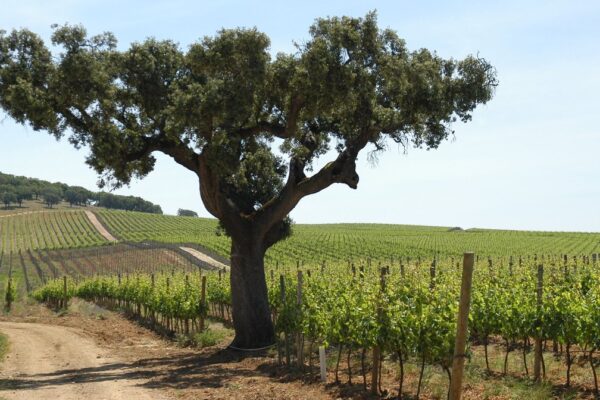
Understanding Wines of Alentejo, Portugal
This region blends age-old practices with modern techniques, producing wines that are highly regarded both in Portugal and across the globe. The geography of Alentejo is marked by rolling plains, varied soil types and a Mediterranean climate. Soils such as schist, clay, granite, marble and limestone provide the perfect foundation for grape cultivation. The predominantly hot and dry climate, with a strong continental influence, further enhances the conditions for growing high-quality grapes. Alentejo is subdivided into eight distinct sub-regions: Borba, Évora, Granja-Amareleja, Moura, Portalegre, Redondo, Reguengos, and Vidigueira. Each of these sub-regions contributes to the region’s wine diversity. Portalegre, with…
-
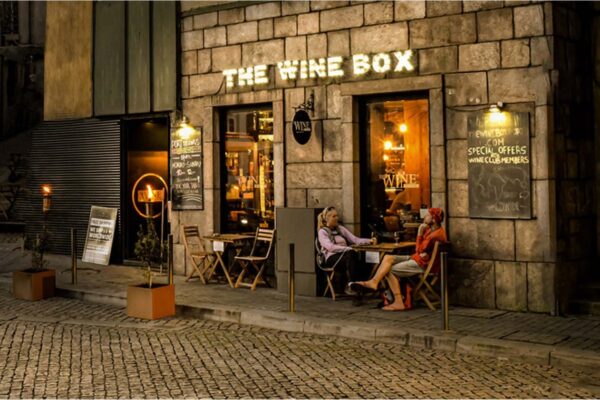
The Wine Box Porto
In September 2024, my wife and I spent a week in Portugal on an organised tour, exploring the regions between Lisbon and Porto. Throughout the trip, we drank wine in various places, but most of it was average and unremarkable. We were told that the Portuguese, who tend to favour beer over wine, export the majority of their wine abroad. As a result, restaurant wines, though very affordable (usually €4 to €5 for a large glass), offered limited selection and weren’t particularly memorable. To truly experience quality wine in Portugal, you have to seek out specialist places and pay a…
-
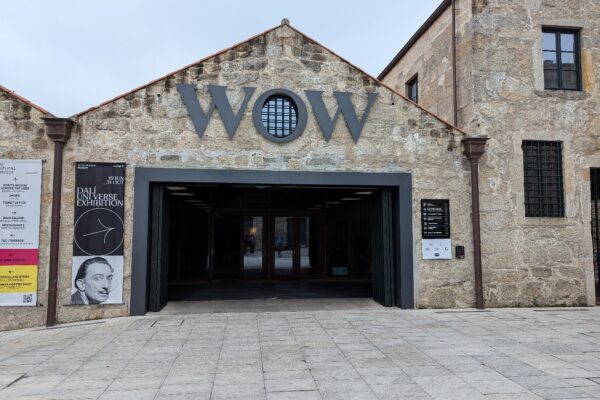
Porto World of Wine
In September 2024, my wife and I took a tour to Portugal, including both Lisbon and Porto. During our time in Porto, we had the chance to explore the new World of Wine (WoW), which had opened since our last visit. WoW emerged following a change in regulations that no longer required port wine to be shipped from the Gaia area of Porto. This shift allowed for the renovation of the old port wine cellars, transforming the district into a new cultural hub. WoW now boasts seven museums, including the Wine Experience, Chocolate Story, Pink Palace, Porto Region Across the…
-
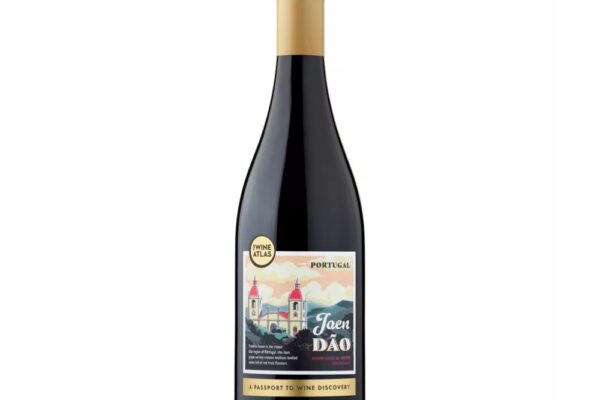
Wine Atlas Jaen Dão
The Wine Atlas Jaen Dão 2021 from Asda’s new Wine Atlas range is a great find for those seeking less familiar wines that deliver both quality and affordability. Mencía, known as Jaen in Portugal, is an indigenous grape variety originating from the western regions of the Iberian Peninsula. This medium-bodied red, with a 13% ABV, has already gained recognition, earning Bronze Medals at the International Wine Challenge (IWC) 2024, the Decanter World Wine Awards 2024 and the International Wine & Spirit Competition (IWSC) 2024. On the nose, this wine offers an inviting cherry aroma, hinting at the red-berried flavours that…
-
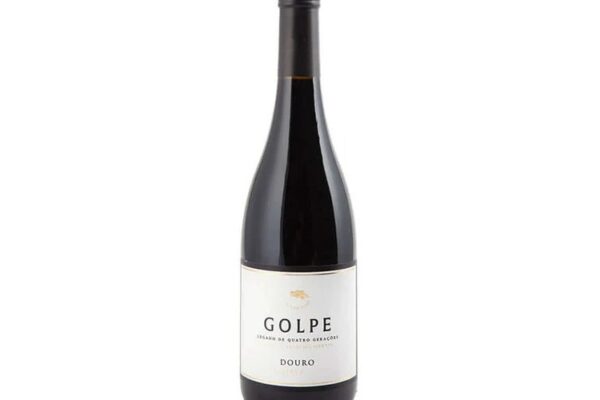
Portuguese Wines That Offer Unique and Delightful Flavours
Susy Atkins, from the Telegraph Newspaper, highlights five Portuguese wines that offer unique and delightful flavours, diverging from common varietals like Malbec or Chardonnay. These wines, originating from various parts of Portugal, showcase the rich diversity and potential beyond the well-known ports and rosés. Here’s a summary of the wines along with their prices and suppliers: Animus 2021, Douro – A red table wine made from the same red grapes used for port. It features juicy red plums and a hint of violets with a rounded texture. This wine is priced at £6.49 from Aldi. There’s also a more structured…
-
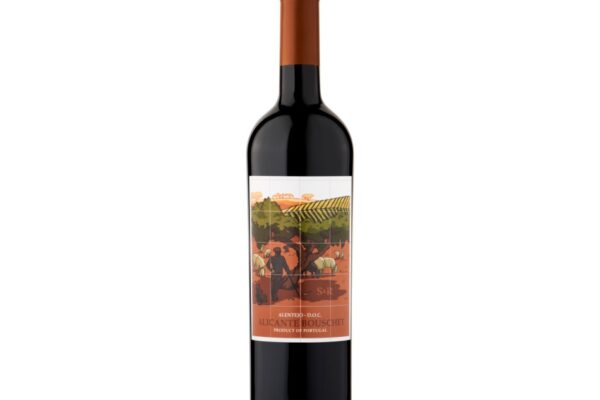
JPR Alicante Bouschet
If you come across this particular Portuguese wine at the Coop, its modest label and unfamiliar name might not immediately catch your eye. Alicante Bouschet is a varietal developed in the late 19th century by vine breeder Henri Bouschet. Henri crossed one of his father’s hybrids with the Grenache (or Garnacha) grape, resulting in an early-ripening variety with red skin and red flesh, termed a Teinturier red, which is rare. This type of grape, sometimes referred to simply as Alicante, typically provides bold flavours and has a deep colour making it useful for blending with wines to make them darker.…
-
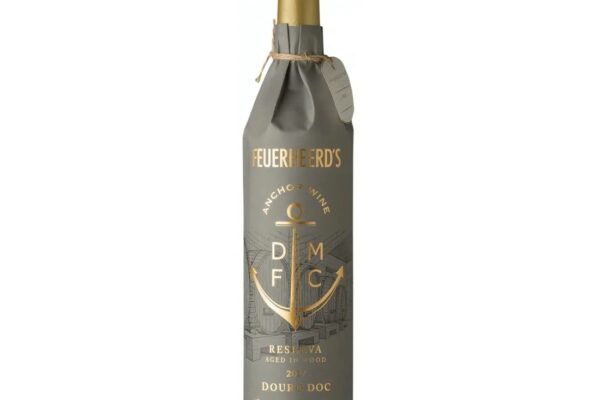
Feuerheerd’s Anchor Wine Reserva Douro
Barão de Vilar has introduced this 2020 vintage wine that intrigues from the outset, not least due to its unusual packaging. The decision to wrap the bottle in a different paper-over-glass certainly catches the eye, but this novelty might wear thin as it obscures how much wine is left. Made from a blend of Touriga Nacional, Touriga Franca, and Tempranillo grapes, this bottle carries the promise of a deep flavoured and refined flavour profile. With an alcohol content of 14.0% ABV, the wine undergoes fermentation in stainless steel tanks before being aged for 12 months in barrels that once nurtured…
-

Wines of Portugal Tasting
This event held in London, on 20 March 2024, brought together an impressive 60 producers showcasing 600 wines from 11 distinct wine regions of Portugal. The tasting highlighted the rich vinicultural diversity of Portugal, a country with a wide array of over 250 grape varieties. A highlight of this tasting was the inclusion of a Masterclass ‘Hidden Gems’ led by Dirceu Vianna Junior MW. This session looked into the under-appreciated grapes of Portugal, shedding light on the potential and uniqueness of lesser-known varietals. The variety of grapes, terrains and winemaking methods in Portugal results in a vast diversity of wines…
-

Understanding Portuguese Wines
Portugal’s winemaking heritage is not only shaped by the country’s extensive range of climates and terroirs but also by the passionate commitment of its winemakers to both innovation and the preservation of centuries-old practices. In 2020, Portugal solidified its position on the international wine stage as the 10th largest exporter by volume and 11th by value to the United Kingdom. The United Kingdom, along with 20 other markets, forms the core of Portugal’s strategic focus for wine promotion, highlighting the country’s proactive efforts in expanding its wine footprint globally. Portugal has 14 designated wine regions each offering a distinct viticultural…
-
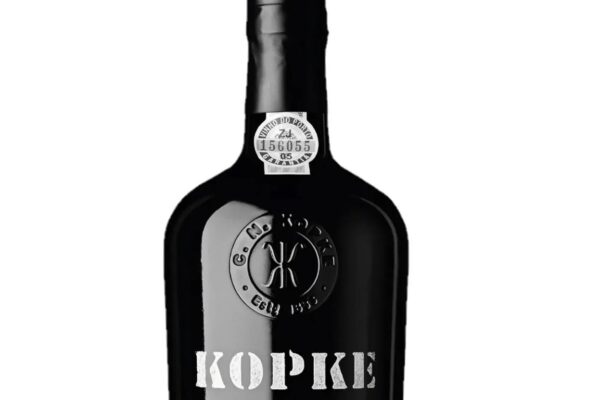
Kopke Library Collection Tasting
Kopke, the oldest port wine house, has a rich history dating back to its foundation by German Nicolau Kopkë in 1638. Since establishing its vineyards in the Douro Valley in 1781, Kopke was bought by the Bohane family in London. However, Kopke has been proudly Portuguese since the mid-twentieth century and is now under the stewardship of The Sogevinus Group who also own the wine houses of Burmester, Cálem and Barros. Kopke’s large library of White and Tawny ports is a treasure trove, housing White and Tawny ports that have remained largely untouched for decades. Kopke has embarked on releasing…
-

Bodacious Red
This a red blend from the Tejo wine region of Portugal formerly known as Ribatejo until its rebranding in 2009, now named after the Tejo River. It’s produced by Falua Sociedade de Vinos. The blend includes Castelão, Cabernet Sauvignon, Petit Verdot and Syrah. The wine gained a Bronze Medal at the 2023 IWSC and the Decanter World Wine Awards and it has a respectable 4.1 rating on Vivino. Aesthetically, the bottle immediately captures attention with its striking label graphics, a nod to the wine’s assertive character described as ‘Fierce, gracious and untameable.’ On the nose, the wine greets with an…
-
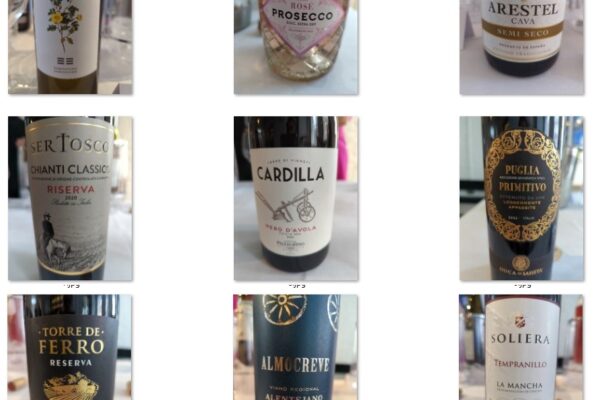
Lidl Italian and Iberian Wine Tours
In February 2024, I attended a Lidl wine tasting which showcased wines planned to be introduced during the Italian and Iberian wine tours in February and March 2024, respectively. Additionally, a selection of wines from Lidl’s existing collection was also being shown. Wine tours at Lidl are the wines displayed in wooden crates, each accompanied by scores. A specific wine from a tour is typically available for up to two months, although it may sell out sooner if it proves popular. The concept behind these tours is to refresh the selection periodically, ensuring variety and encouraging customers to return and…
-

Varzea do Marão Vinho Verde Rose
The Varzea do Marão Vinho Verde Rosé 2023 is from Quinta da Calçada, a winery in the heart of the Vinho Verde region in Amarante, Portugal. Owned by the da Mota family since 1917, Quinta da Calçada stands as one of the oldest producers in the region, with a heritage of crafting high-quality still and sparkling wines. This rosé is made from the Vinhão grape. The wine has a dry yet slightly fruity profile and a harmonious balance that is both refreshing and engaging. The typical slight fizz of Vinho Verde wines is present, adding a lively texture to the…
-
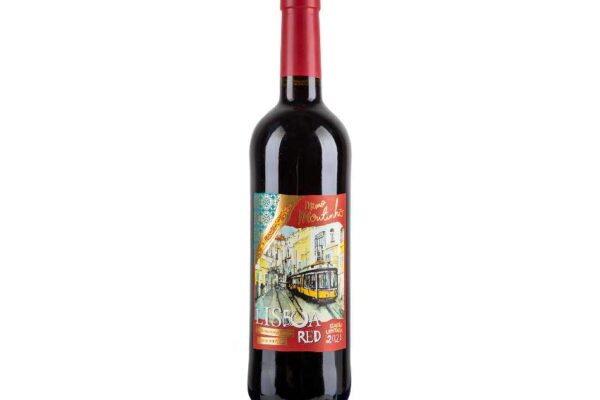
Mimo Moutinho Lisboa Red
The 2021 Mimo Moutinho Lisboa Red from Aldi is made from the Touriga Nacional grape. Following the footsteps of its predecessor, the 2019 vintage, which Decanter praised for its ‘juicy brambles, liquorice and smoky tarry notes’, this wine maintains a high standard, scoring a respectable 3.8 on Vivino. On tasting, there’s red fruits. The wine is well-balanced, medium-bodied, with a taste very similar to that of the popular and ubiquitous Porta 6, perhaps intentionally so. When tasted back to back with the Porta 6, the Aldi version is slightly smoother despite having less alcohol at 13% rather than 13.5% for…
-

Portuguese Wines to Try
An article by Nicky Rampley-Clarke in the Evening Standard looks into the diverse world of Portuguese wines which come from 55 different regions and almost 200 indigenous grape varieties. The most well-known regions include Douro, Minho, and Dão, each offering unique flavours and characteristics. Portuguese wines are generally made from indigenous grapes, giving them a distinct, full-bodied and fruit-filled flavour. They are also under-appreciated so offer great value for money. The recommended wines are:
Pick Lists
Majestic | The Wine Society | Tesco | Waitrose | Sainsbury’s | Morrisons | Co-op | Asda | Lidl | £7 and Under | Over £20
Did You Know?
Australian wine exports to China have collapsed from around $1.2 billion to less than $10 million. More
Wine’s aroma is not determined solely by which flavour compounds it contains. More
Low-to-moderate wine consumption is associated with lower mortality. More
Moderate water stress can be part of what creates flavour and terroir expression. More
Wine appears less frequently online than other alcoholic drinks. More
Independent retailers had 9% fewer customers in March 2026 than two years earlier. More
Average spend per bottle in independents has risen by 23% since 2019, compared with 21% in supermarkets. More.
Nearly a third (32%) of UK consumers say they have already used AI for alcoholic drinks advice. More
Among socially active wine buyers, 37% have bought a wine recommended online. More
In 2026, 72% of consumers now think wine knowledge is essential to appreciation, up 20 percentage points on 2025. More
Rías Baixas wines reached more than 107 countries in 2025 and exports represented 31 per cent of the denomination’s total sales. More
Light Strike Can Cause Wine Degradation in Just One Day. More
People actively adjust their wine choices depending on who might see them. More
In the UK, 73% of Alcohol is Bought From Retail Rather Than Hospitality. More
UK wine production reached 124,377 hectolitres that year, meaning the UK accounted for roughly 0.05 per cent of world output. More
For Crémant, grapes must be harvested by hand and the wines must undergo at least nine months’ ageing before release. More
In 2024, the UK was the second-largest export market for Champagne globally, after the United States. More
Local UK bottling of wine represents about 40% of imported wine. More
Around 1% of people, typically severe asthmatics, have a sulphite sensitivity. More
A large 80% of Australian wine arrives in the UK in bulk. More
Only about 0.02% of Australia’s landmass is dedicated to vineyards. More
In 2024, New Zealand produced only 1% of the World’s wine. More
In 2024, the US imported 37% of World production of Pinot Grigio and the UK was is in second place at 27%. More
In 2024, the UK was South Africa’s largest export market, with 40% of total exports. More
In 2024, the United Kingdom imported 22.3 million bottles of Champagne, a decline of 12.7% compared to the previous year. More
Larger Champagne producers source grapes from as many as 80 different vineyards throughout Champagne. More
Champagne houses and growers collectively produce around 300 million bottles annually. More
In 2025, the Champagne region was home to about 2,124 Champagne houses and approximately 19,000 growers. More
Provence is one of the leaders in the conversion to organic viticulture, with 61% of vineyards certified. More
8% of the South Africa’s grape production is Fairtrade-certified. More
Up to 80% of wine aroma compounds come from grape skins. More
Glycerol is the third-largest component of most dry wines after water and alcohol which is why they so often feel ‘smooth’ or ‘silky’ in the mouth. More
Humans are more than 400 times more sensitive to bitter than sweet. More
Humans can detect the earthy molecule geosmin at about 100 parts per trillion and camels are so sensitive to it they can locate damp ground from roughly 50 miles away. More
During the phylloxera crisis of the nineteenth century, 90% of Europe’s vineyards were destroyed. More
In 2025, for La Vieille Ferme, also known as “The Chicken Wine”, sales surged by 49.4% to £110.8 million. More
In 2025, in the UK, Yellow Tail held the top position with sales, marking a 9.8% increase over the previous year. More
In 2024, the UK was the second-largest wine importer in volume and value. More
In 2024, the UK was the fifth-largest wine-consuming country globally. More
In 2025, global wine consumption continued its downward trend, estimated at 214.2 million hectolitres, the lowest since 1961. More
In 2025, online alcohol sales had a 20% increase in value over five years. More
In 2025, the number of UK vineyards rose to 1,104 and wineries to 238, with land under vine expanding to 4,841 hectares, a 510% increase since 2005. More
Moët Hennessy alone commands nearly 46.66% of the Champagne market, with the top three producers together holding about 61%, and the top five controlling over 72%. More
In 2024, the Champagne market was worth roughly €3.92 billion. More
In the marketing year 2023/24, white wine accounted for roughly 55% of Spain’s output, whereas red and rosé together made up about 45%. More
In the UK, 92% of wine is consumed within 48hrs of purchase. More
The majority of wines, 95%, use commercial rather than wild yeast. More
Between 0.5 and 10 litres of water, per litre of wine, are needed for cleaning during winemaking. More
Machine harvesting can achieve up to 100 tons of fruit per day vs 1 ton for a human. More
In Germany, 2025 was the smallest wine vintage since 2010. More
The majority of vineyards, 90% in 2019, are farmed with heavy chemical interventions. Only 6% are organic. More
90% of low and coastal areas in south Europe and California will no longer be able to produce good wine by the end of the century. More
IMAGE WALL
Tools
Recent





Tags
25% Off Wine Aldi Amarone Argentina Articles Asda Australia Austria Award Awards25 Bizarre Blog Books Bordeaux Bulk Bottling Cabernet Sauvignon Carménère Cava Champagne Chardonnay Chile Climate Change Coop Crémant Decanter Duty English Wine EPR Fairtrade Food France Germany Glossary Greece Health Hungary Italy IWSC Jeroboams Laithwaites Legislation Liberty Wines Lidl Low Alcohol M&S Majestic Malbec Merch Merlot Morrisons Natural Nero d'Avola News New Zealand Non-Alcoholic Ocado Old Vine Organic Past Tastings Pick List Pinotage Pinot Grigio Pinot Noir Port Portugal Primitivo Prosecco Research Reviews Ribera del Duero Riesling Rioja Ripasso Rose Sainsbury's Saperavi Sauvignon Blanc Shiraz Sicily South Africa Spain Sparkling Supermarkets Sustainable Tax Terroir Tesco The Wine Society Unrepresented USA Valpolicella Virgin Wines Waitrose Wanderlust Welsh Wine What to Buy Wine Art WineGB WIne Glasses Zinfandel