
News
Issues affecting the wine industry and the wine you drink
-

2023 Wine Production Expected to be Smallest for Sixty Years
The International Organisation of Vine and Wine (OIV) has reported that the world wine production for 2023 is expected to be the smallest in over six decades due to severe climatic events affecting yields across the globe. The European Union anticipates a lower output, with Italy and Spain experiencing significant declines due to adverse weather leading to diseases and drought. France, conversely, is set to become the leading producer this year, slightly exceeding its five-year average. In contrast, the United States predicts a rise in wine production, surpassing both 2022 figures and recent averages. The Southern Hemisphere has been particularly…
-
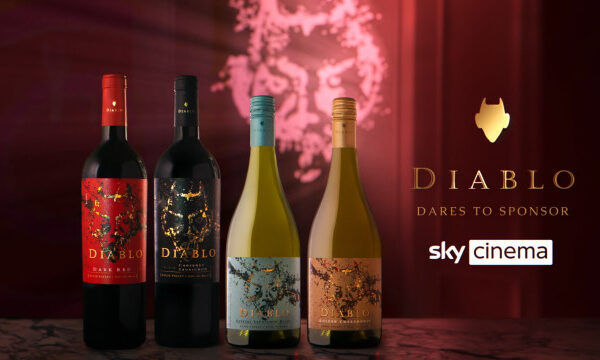
New Marketing Campaign for Diablo Brand
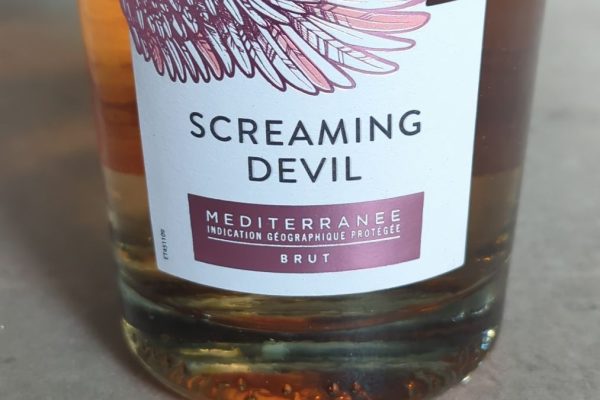
Drinks Retailing has recently revealed that Concha y Toro, the large Chilean wine producer, is rolling out a fresh marketing campaign for its Diablo wine brand. The brand, which has seen a significant popularity, is now estimated to be worth a large £15 million in retail sales. One of the highlights of this campaign is the ‘House of Diablo’ event, scheduled for November 9, 2023. This immersive experience will captivate attendees with a screening of the new film, ‘The Exorcist: Believer’. Consumers have the chance to win tickets to the event through on-pack promotions available with the wine. The marketing…
-

How Interior Design Can Enhance the Enjoyment of Wine
Campo Viejo has recently unveiled a study that looks into the relationship between interior spaces and the enjoyment of the wine served within them. The study’s findings suggest that the design and ambiance of a space can significantly influence our sensory experiences, particularly when it comes to experiencing wine. The experiment, though small in scale, was designed to gauge the impact of environmental context on the perception and pleasure derived from wine. A group of forty-two participants was chosen for this unique tasting experience. Each participant tasted the same wine, but what changed was the setting. The wine was served…
-

Flooding in South Africa Could Disrupt Your Favourite Wines
The South African wine industry is facing a new set of challenges that could potentially disrupt the supply and quality of wines from the region. According to a recent article on Wine Spectator, South African winemakers are grappling with flooding, which has caused significant damage to vineyards and infrastructure. This comes on top of the already existing challenges posed by the COVID-19 pandemic and previous flooding in June 2023. Flooding can have a devastating impact on vineyards. Excessive water can lead to soil erosion, root rot and the spread of diseases such downy mildew. This can result in a lower…
-
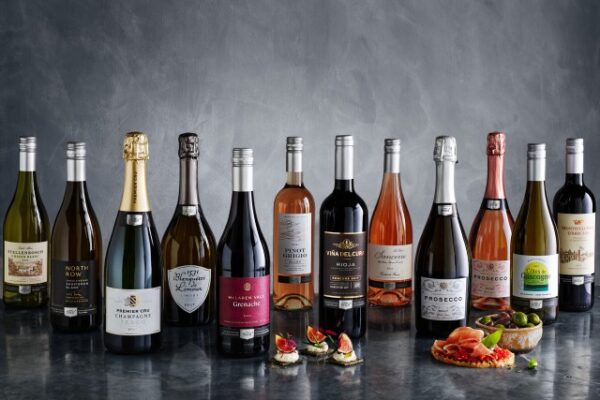
Tesco’s Finest Wine Labels Get a Makeover
Drinks Retailing is reporting that Tesco has started to update the labels of its Finest range of wines. The move aims to enrich the customer experience by using the labels to tell the story behind each wine. This initiative is part of Tesco’s broader strategy to enhance its Finest packaging and offer consumers a more premium feel. The redesigned labels are not just more aesthetically pleasing but also more informative. For example, the Tesco Finest Blanquette de Limoux now has a handwritten label that emphasises the tradition this wine. Several of these new designs are already available in-store and the…
-
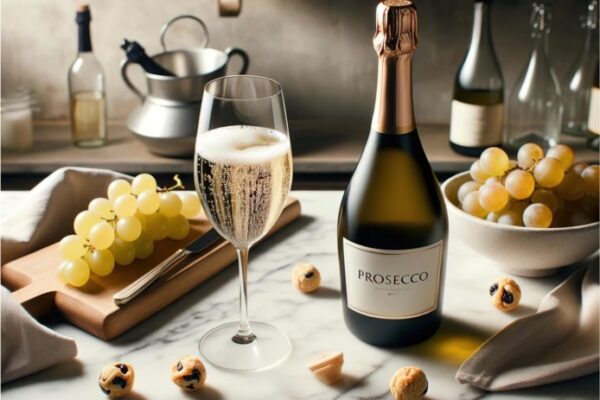
The Growth and Challenges of the Prosecco DOC Industry
A new research paper “Dominant business models and sustainable long-term growth, A System Dynamics-based analysis of the Prosecco wine industry” (pdf) investigates the strong growth of the Prosecco (DOC) industry and its implications for long-term sustainability. The industry’s great rise can be attributed to a variety of factors. Regulatory changes in 2009 significantly expanded the production area for Prosecco, transforming it into an international success. This was coupled with a rapid increase in production capacity, which allowed the industry to offer competitive pricing. The number of bottles produced escalated from 140 million in 2010 to 627 million in 2021. Another…
-

French Winemakers Destroy Spanish Wine
The Telegraph newspaper has reported that, in a striking move against what they see as unfair competition, around 500 French wine makers from Narbonne and Perpignan stopped lorries importing Spanish wines at the border town of Boulou. They emptied thousands of gallons of rosé and smashed 10,000 bottles of Spanish sparkling wine on the roads. The protest was against the low prices of foreign wines, which they believe undercuts their own products. Frédéric Rouanet, president of a wine growers’ union, announced this as the beginning of an ‘economic war’ against cheap imports. The situation has been described by the wine…
-
Do Wine Reviews Matter?
There’s recent research (PDF) looking into the impact of peer preferences and expert reviews on consumer behaviour, specifically for products like wine that consumers can sample. Through two experimental studies, the research identified that when consumers taste wines, their own rating significantly influences their willingness to pay (WTP). A one-star increase in their rating can lead to an approximate $3 increase in WTP. Even after tasting, peer and expert ratings continue to play a role, with a one-star rise resulting in a $1.96 and $1.15 increase in WTP respectively. Interestingly, the study observed little difference in the weighting consumers give…
-

New UK Wine Reforms Announced
The UK government has announced a series of reforms aimed at boosting investment and easing regulatory burdens on the wine industry. Set to take effect in 2024, these changes are part of a broader strategy to modernise the sector and encourage sustainable practices. The reforms were announced are the result of a public consultation. The existing regulations governing the wine industry have long been considered cumbersome and restrictive. Feedback from industry stakeholders highlighted that the current 400-page rulebook has been stifling innovation and preventing the introduction of more efficient and sustainable practices. The reforms are designed to remove these constraints…
-

The Wine Buying Experience in Specialist Wine Retailers
There’s an interesting new whitepaper titled “Wine Decisions: The Wine Buying Experience in Independent Specialist Wine Retailers” based on a research study conducted by KAM in collaboration with Hallgarten & Novum Wines, focusing on consumer behavior within the UK’s independent specialist wine retail sector. This study, involving 1,185 participants, explores the driving factors influencing consumer preferences and purchase decisions amidst economic challenges like rising inflation. The research reveals that despite financial tightening, value for money remains a crucial aspect for consumers while purchasing wine, but not strictly in terms of price. Consumers are attracted to specialist wine retailers due to…
-

French Wine Gold Medal Insights
The French online magazine TheLocal has an enlightening article (you can only view once before goes to paywall) on French wine gold medals that you might have seen on French wine bottles. In 2022, over 24,000 medals were awarded, originating from various wine competitions (les concours) held throughout France. These competitions require a fee for participation and wines are tasted blind by a panel of judges, typically four, who evaluate and score them. However, these medals do not guarantee quality. They indicate a group of judges found the wine superior to its peers in that particular competition. These medals are…
-

Orange Wine is Breaking into the Mainstream
The Telegraph newspaper is explaining how orange wine is breaking into the mainstream. Once a niche taste favoured by few, orange wines are starting to go mainstream. They sit between red and white wines, although their vinification process sharply deviates from that of rosé. While rosé comes from red grapes handled much like white ones, orange wine is created from white grapes, but treated like red during vinification. The extended interaction between the juice and the skins, gives the wine with its characteristic amber colour, a noticeable viscosity and a unique texture. The tannins and flavours, extracted from the skin…
-

Wine Buyers Want a Personal Touch for Subscriptions
Recently, the wine subscription market has seen an increase in demand for a more personalised experience. Subscribers are no longer content with fixed selections and want curated choices that match with their unique palate. In a recent edition of the Subscription Commerce Readiness Report, The Loyalty Factor, PYMNTS Intelligence conducted a survey involving over 2,000 U.S. consumers with retail product subscriptions to grasp the factors influencing merchant choice and fostering enduring relationships. Subscribers are particularly keen on personalising the wines in their subscription box, a sentiment that seems stronger in this category than in others. They express a desire to…
-

Reducing the Carbon Footprint of Wine: The Bottle Weight Accord
The wine industry is increasingly under scrutiny for its environmental impact, particularly its carbon footprint. A recent report by Dr. Peter Stanbury, prepared for the Sustainable Wine Roundtable (SWR) (pdf), has shed light on the significant but often overlooked aspect of the weight of wine bottles. The report reveals that the single largest source of carbon emissions in the wine industry is the glass bottle. This is attributed to the energy-intensive manufacturing process and the emissions generated during transportation. To address this, the SWR has announced a Bottle Weight Accord which aims to reduce the average weight of a 750ml…
-
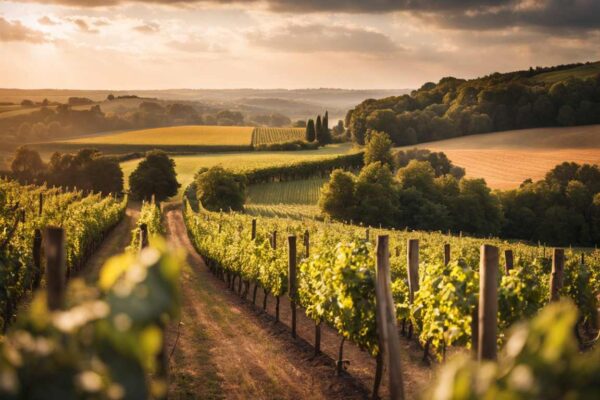
Rapid Growth of Vineyards Bolsters England’s Agricultural Sector
Vineyards have emerged as the fastest-growing edible agricultural sector in England, according to recent DEFRA statistics, with grapes now constituting 36% of the country’s soft fruit crop, marking a sector growth rate of 21% over the past year. Wines of Great Britain has reported a significant growth in vine plantings by 74% over five years to 4,300 hectares, and projections indicate that plantings might expand to 7,600 hectares by 2032, potentially yielding around 24.7 million bottles. An ambitious sustainability initiative has also been unveiled by WineGB aiming to lessen the industry’s carbon emissions and boost biodiversity across the UK’s vineyards.…
-

Crisis Distillation
The Wine Economist is reporting that the concept of crisis distillation is resurfacing in the global wine industry. This practice involves government programmes buying surplus wine to convert it into industrial alcohol, aiming to stabilise wine prices and grower incomes. While it was a common practice in the European Union, especially during the COVID-19 pandemic, the situation today is different. The current wine surplus is more due to falling demand than excessive supply. The EU has attempted reforms to make the wine sector more market-driven, but the effectiveness of these measures is still uncertain. Crisis distillation is seen as a…
-

The French Wine Industry’s Battle Against Climate Change
According to an article in Nature, the French wine industry, a major part of French culture and economy, is grappling with the challenges posed by climate change. With its strict appellation d’origine contrôlée (AOC) system, which sets rigid rules about geography, grape varieties, and production techniques, the industry faces unique challenges. However, French wine-growers are not waiting for legislative changes. Instead, they are proactively seeking innovative solutions to adapt to the new climate realities. Spring buds in vineyards are emerging earlier due to warming March temperatures but frosts are still common in April. To protect the buds, some vineyard owners…
-

New Free Rioja Wine Academy Course
The Rioja Wine Academy, backed by the Rioja DOCa Control Board, has launched a free introductory online course called Rioja Enthusiast. This course is the academy’s first aimed at consumers and wine lovers with no prior knowledge of wine. The course covers the fundamentals of Rioja wine in just four hours, including topics like reading labels and pairing wines. It’s divided into four chapters, and there’s no deadline for completion. Successful completion of the course will earn students an official certification. The academy hopes this course will serve as a stepping stone for further specialised training and aims to make…
-
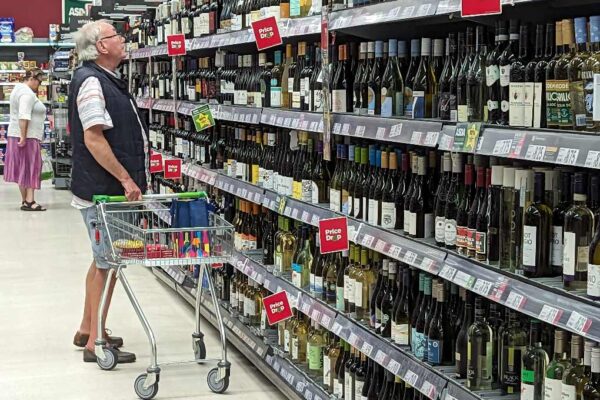
Beware of Decoy Effects When Buying Wine
New research titled Decoy Effects in a Massive Real-World Shopping Dataset focuses on the impact of ‘decoy’ options on consumer choices, specifically in the context of wine purchases in the UK. The study examined a large dataset of 3.6 million wine purchases made by 755,158 unique customers over a one-month period. In the situation where a consumer is torn between choosing a high-price, high-quality wine and a low-price, low-quality wine, the presence of a decoy option could tip the scales. According to the study, the introduction of an even more inferior decoy wine that is both more expensive and of…
-
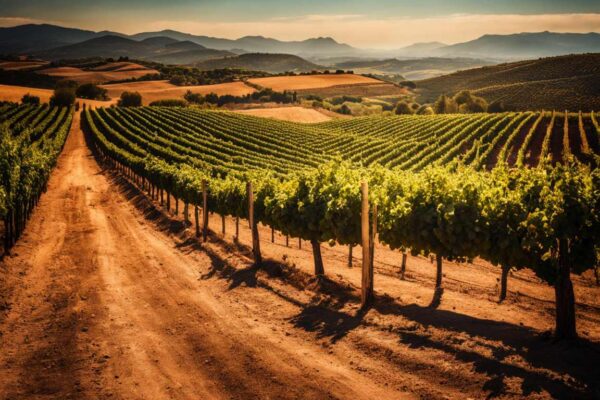
Spain’s Historic Low Wine Harvest
Spain’s wine industry is grappling with its smallest harvest ever recorded, largely due to a series of extreme weather events. The 2023 grape harvest has been severely impacted by droughts, hail storms and heat waves, affecting vineyards across the country. Spain is expected to produce only 34.25 million hectolitres of grapes this year, representing a 16.6% decline compared to 2022. The situation is particularly dire in hot, dry regions like Catalonia, the Canary Islands and Castile-La Mancha. Catalonia’s Penedès region, known for its Cava production, is experiencing an unprecedented drought, with vines shriveling up due to lack of rain. The…
Pick Lists
Majestic | The Wine Society | Tesco | Waitrose | Sainsbury’s | Morrisons | Co-op | Asda | Lidl | £7 and Under | Over £20
Did You Know?
Australian wine exports to China have collapsed from around $1.2 billion to less than $10 million. More
Wine’s aroma is not determined solely by which flavour compounds it contains. More
Low-to-moderate wine consumption is associated with lower mortality. More
Moderate water stress can be part of what creates flavour and terroir expression. More
Wine appears less frequently online than other alcoholic drinks. More
Independent retailers had 9% fewer customers in March 2026 than two years earlier. More
Average spend per bottle in independents has risen by 23% since 2019, compared with 21% in supermarkets. More.
Nearly a third (32%) of UK consumers say they have already used AI for alcoholic drinks advice. More
Among socially active wine buyers, 37% have bought a wine recommended online. More
In 2026, 72% of consumers now think wine knowledge is essential to appreciation, up 20 percentage points on 2025. More
Rías Baixas wines reached more than 107 countries in 2025 and exports represented 31 per cent of the denomination’s total sales. More
Light Strike Can Cause Wine Degradation in Just One Day. More
People actively adjust their wine choices depending on who might see them. More
In the UK, 73% of Alcohol is Bought From Retail Rather Than Hospitality. More
UK wine production reached 124,377 hectolitres that year, meaning the UK accounted for roughly 0.05 per cent of world output. More
For Crémant, grapes must be harvested by hand and the wines must undergo at least nine months’ ageing before release. More
In 2024, the UK was the second-largest export market for Champagne globally, after the United States. More
Local UK bottling of wine represents about 40% of imported wine. More
Around 1% of people, typically severe asthmatics, have a sulphite sensitivity. More
A large 80% of Australian wine arrives in the UK in bulk. More
Only about 0.02% of Australia’s landmass is dedicated to vineyards. More
In 2024, New Zealand produced only 1% of the World’s wine. More
In 2024, the US imported 37% of World production of Pinot Grigio and the UK was is in second place at 27%. More
In 2024, the UK was South Africa’s largest export market, with 40% of total exports. More
In 2024, the United Kingdom imported 22.3 million bottles of Champagne, a decline of 12.7% compared to the previous year. More
Larger Champagne producers source grapes from as many as 80 different vineyards throughout Champagne. More
Champagne houses and growers collectively produce around 300 million bottles annually. More
In 2025, the Champagne region was home to about 2,124 Champagne houses and approximately 19,000 growers. More
Provence is one of the leaders in the conversion to organic viticulture, with 61% of vineyards certified. More
8% of the South Africa’s grape production is Fairtrade-certified. More
Up to 80% of wine aroma compounds come from grape skins. More
Glycerol is the third-largest component of most dry wines after water and alcohol which is why they so often feel ‘smooth’ or ‘silky’ in the mouth. More
Humans are more than 400 times more sensitive to bitter than sweet. More
Humans can detect the earthy molecule geosmin at about 100 parts per trillion and camels are so sensitive to it they can locate damp ground from roughly 50 miles away. More
During the phylloxera crisis of the nineteenth century, 90% of Europe’s vineyards were destroyed. More
In 2025, for La Vieille Ferme, also known as “The Chicken Wine”, sales surged by 49.4% to £110.8 million. More
In 2025, in the UK, Yellow Tail held the top position with sales, marking a 9.8% increase over the previous year. More
In 2024, the UK was the second-largest wine importer in volume and value. More
In 2024, the UK was the fifth-largest wine-consuming country globally. More
In 2025, global wine consumption continued its downward trend, estimated at 214.2 million hectolitres, the lowest since 1961. More
In 2025, online alcohol sales had a 20% increase in value over five years. More
In 2025, the number of UK vineyards rose to 1,104 and wineries to 238, with land under vine expanding to 4,841 hectares, a 510% increase since 2005. More
Moët Hennessy alone commands nearly 46.66% of the Champagne market, with the top three producers together holding about 61%, and the top five controlling over 72%. More
In 2024, the Champagne market was worth roughly €3.92 billion. More
In the marketing year 2023/24, white wine accounted for roughly 55% of Spain’s output, whereas red and rosé together made up about 45%. More
In the UK, 92% of wine is consumed within 48hrs of purchase. More
The majority of wines, 95%, use commercial rather than wild yeast. More
Between 0.5 and 10 litres of water, per litre of wine, are needed for cleaning during winemaking. More
Machine harvesting can achieve up to 100 tons of fruit per day vs 1 ton for a human. More
In Germany, 2025 was the smallest wine vintage since 2010. More
The majority of vineyards, 90% in 2019, are farmed with heavy chemical interventions. Only 6% are organic. More
90% of low and coastal areas in south Europe and California will no longer be able to produce good wine by the end of the century. More
IMAGE WALL
Tools
Recent




Tags
25% Off Wine Aldi Argentina Articles Asda Australia Austria Award Awards25 Bizarre Blog Books Bordeaux Bulk Bottling Cabernet Sauvignon Carménère Cava Champagne Chardonnay Chile Climate Change Coop Crémant Decanter Duty English Wine EPR Fairtrade Food France Germany Glossary Greece Health Italy IWSC Jeroboams Laithwaites Legislation Liberty Wines Lidl Low Alcohol M&S Majestic Malbec Merch Merlot Morrisons Natural Nero d'Avola News New Zealand Non-Alcoholic Ocado Old Vine Organic Past Tastings Pick List Pinotage Pinot Grigio Pinot Noir Port Portugal Primitivo Prosecco Regulations Research Retailers Reviews Ribera del Duero Riesling Rioja Ripasso Rose Sainsbury's Saperavi Sauvignon Blanc Shiraz Sicily South Africa Spain Sparkling Supermarkets Sustainable Tax Terroir Tesco The Wine Society Unrepresented USA Valpolicella Virgin Wines Waitrose Wanderlust Welsh Wine What to Buy Wine Art WineGB WIne Glasses Zinfandel