Research
-
Electronic Tongue vs Humans
A new study evaluates the effectiveness of an electronic tongue (e-tongue) compared to human sensory panels in detecting faults in Riesling wine over a 42-day storage period. Riesling wines either unmodified (control) or inoculated with specific microorganisms known for spoiling wine were assessed every seven days using both the e-tongue and a sensory panel. The e-tongue detected changes in wine chemistry due to microbial action significantly earlier than the human sensory panel, identifying changes from day 7 onwards while the sensory panel only detected these changes from day 35. The e-tongue’s ability to detect differences without sensory fatigue offers a…
-
Research Into What Causes Minerality
There’s new research by University of Reading’s School of Agriculture on Minerality in Wine: Textual Analysis of Chablis Premier Cru Tasting Notes. The concept of minerality in wine, often used to describe the sensory qualities of high-quality white wines from cooler regions like Chablis, has been subject to much debate and analysis. Minerality is typically associated with descriptions like gunflint, wet stones and seashells, suggesting a link with the terroir’s geological and soil composition. However, the literal interpretation of minerality as a taste of the soil’s inorganic components has been contested. A comprehensive study analysed over 16,000 Chablis Premier Cru…
-
New Research Adds to the Story of Wine and Health
Up to recently, there has been an intriguing relationship between culture, diet and health outcomes, particularly focusing on the Mediterranean diet and the historic and cultural significance of wine. The concept of the French Paradox played a central role in this narrative, highlighting the seemingly contradictory observation that the French population enjoys a lower incidence of coronary heart disease despite a diet high in saturated fats. This phenomenon garnered widespread attention in the 1990s and has became a focal point in discussions about diet and cardiovascular health. Central to the French Paradox is the role of moderate wine consumption, especially…
-

Heightened Alcohol Sensitivity After COVID-19 Recovery
There’s new research that looks into alcohol sensitivity experienced by individuals after recovering from COVID-19, known as Post-acute Sequelae of SARS-CoV-2 (PASC). It presents case series of patients who, after contracting COVID-19, began experiencing adverse reactions to alcohol that they hadn’t faced before, such as severe hangover symptoms from small amounts of alcohol. This suggests a possible link between COVID-19 recovery and heightened alcohol sensitivity.
-
Global Warming and the Wine Industry
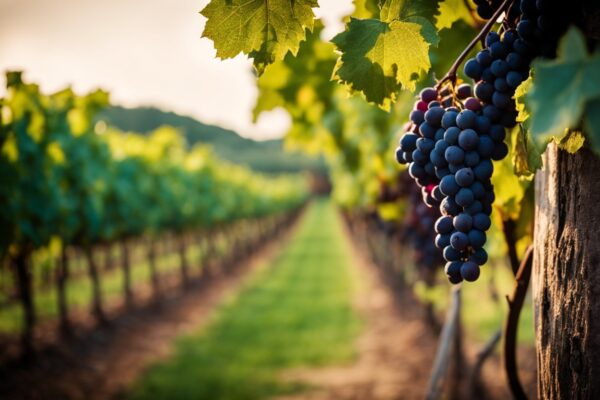
In a new study, Adapting and Thriving: Global Warming and the Wine Industry, researchers from Israel Universities look into the issue of global warming’s impact on the wine industry and propose a suite of innovative agricultural practices to combat these challenges. As the planet warms, the wine industry faces shifts in temperature and precipitation patterns that can affect grape ripeness, quality, and ultimately and the taste of wine. The research says that through innovation in farming practices and technological advancements, the industry has a viable pathway to not only survive but also to thrive in this new environmental shift. More…
-

How Label Colour Shapes Wine Buying Decisions
New research looks into the psychological impact of wine label colour on consumers, examining how black and white versus colour labels affect the perceived value and appeal of red and white wines. It highlights that black and white labels significantly elevate the perceived quality and exclusivity of red wines, thereby increasing consumer interest and willingness to purchase. This effect is attributed to the labels’ ability to convey sophistication and trigger deeper cognitive engagement with the product. Conversely, the study observes that this effect is less pronounced for white wines, suggesting that the influence of label colour is contingent upon the…
-

Reducing Wine Consumption Through Serving Size
New research titled ‘Impact on wine sales of removing the largest serving size by the glass‘, published in PLOS Medicine, explores the effect of reducing wine serving sizes on wine sales. The study, conducted across 21 licensed premises in England, used an A-B-A method to compare wine sales during periods with and without the availability of the largest serving size. It found that removing the largest serving size led to a significant reduction in the volume of wine sold, suggesting that this intervention could be a useful strategy in efforts to reduce alcohol consumption. The researchers suggest that these findings…
-

Young Britons Lead the Surge in Low and No Alcohol Drinks
Harpers is reporting revealing insight into the changing habits of UK drinkers. The latest YouGov poll, conducted in partnership with the Portman Group, has highlighted a significant shift towards low and no alcohol beverages, particularly among the younger generation. The survey, now in its sixth year, shows that nearly half of the 18-24 age group, at 44%, are either occasional or regular consumers of alcohol alternatives. This marks a substantial increase from 31% in the previous year, underscoring a growing trend among young adults. This demographic is now emerging as the most sober age group in the UK, with 39%…
-
Turning Winery Wastes into Wealth
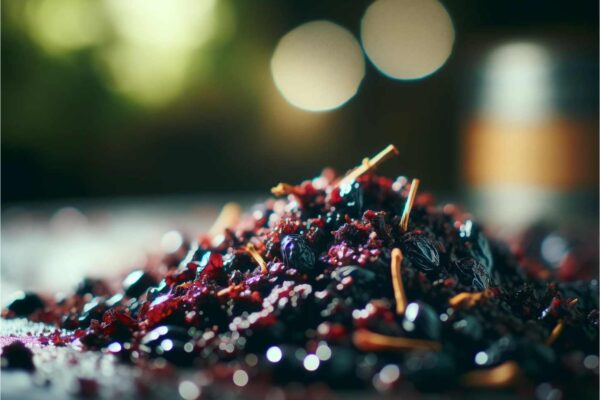
There’s new, interesting research from the University of Aveiro, Portugal, into the waste products, wine residues, from creating wine and how they can can be re-used to provide for more sustainable production. Wine residues are a complex mix of grape stalks, pomace (the solid remains of grape pressing), lees and wastewater. They are not just a disposal problem but a source valuable resources. The journey of transforming wine waste into wealth begins with an understanding of its composition. Grape stalks, a significant portion of this waste, are rich in cellulose, hemicelluloses and lignin. Traditionally, they were either discarded or used…
-

How Pesticide Residues Affect Wine Flavour
A new study investigates the effect of imidacloprid, a common insecticide, on wine aroma and its transformation during the wine-making process. Imidacloprid is widely used in grape cultivation to control pests, but its residues can significantly impact the quality of wine. The research involved applying imidacloprid to grapes at standard and ten times the standard doses. It was found that a significant portion of the imidacloprid degraded from grape to wine, with only about 5.79% to 8.95% transferring into the wine. However, the degradation of imidacloprid during the wine-making process revealed subsequent metabolites such as 6-chloronicotinic acid, desnitro imidacloprid and…
-
Unlocking the Secrets of Tannins
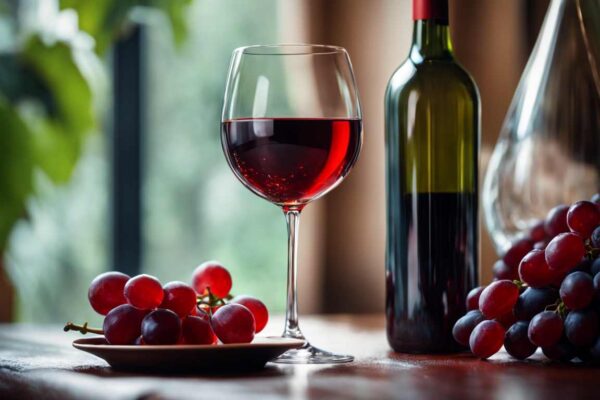
Tannins in wines, particularly red wines, are compounds that contribute significantly to the taste, colour, and texture of the wine. New research looks into the complex world of these compounds, specifically proanthocyanidins (PAs). Proanthocyanidins are a group of polyphenolic compounds found in many plants, including grapes. The article explains that PAs in red wine are primarily formed from flavan-3-ol monomers, such as catechins and gallocatechins. These monomers can link together in various ways, creating a diverse array of PAs. Interestingly, the study found that the composition of PAs was notably similar across many wine types. This suggests that the sensory…
-
Researchers Have Taught AI to Understand Wine Tasting
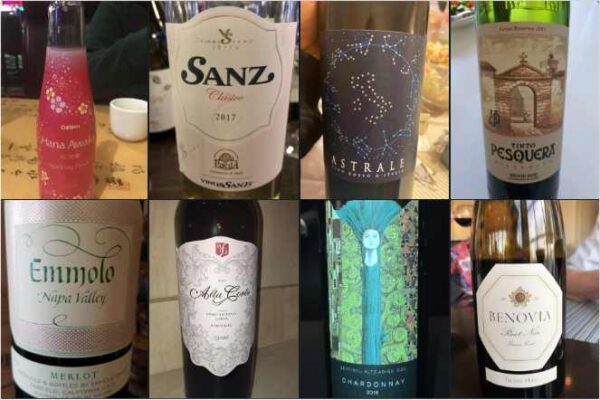
There has been a significant advancement in artificial intelligence (AI) related to wine tasting. Researchers at the University of Copenhagen’s Pioneer Centre for AI, along with collaborators from the Technical University of Denmark (DTU) and Caltech, have successfully trained an algorithm to predict individual wine preferences based on human taste perceptions. The study explains how this was achieved through wine-tasting events where participants ranked wines based on their taste similarities. The data from these events was combined with extensive wine label and user review information provided by the wine app Vivino. This includes 897,000 images of wine labels and 824,000…
-

The Role of Quercetin in Red Wine Headaches
Headaches triggered by red wine, commonly known as ‘red wine headaches’, is the focus of a study by UC Davis scientists. They suggest that these headaches, which can occur within minutes to a few hours after drinking even a small glass of red wine, might be due to a flavanol called quercetin. This substance, found naturally in red wines, fruits, and vegetables, may interfere with alcohol metabolism when converted to quercetin glucuronide in the bloodstream, leading to the build up of the toxin acetaldehyde. This toxin is known to cause symptoms like headaches and nausea. The study also notes that…
-

From Wine Lees to Jelly Sweets
Researchers in Turkey have discovered an innovative and sustainable use for winery waste, specifically wine lees, which are residues left over after the fermentation process in winemaking. This waste material, primarily comprising dead yeast cells, has been found to be a promising natural colouring agent for gelatine-based sweets, offering both cost-effectiveness and health benefits. This discovery, outlined in a study published in the Journal of the Science of Food and Agriculture, highlights the potential of wine lees as a low-cost alternative to synthetic food colourants commonly used in the confectionery industry. The study revealed that wine lees not only improved…
-
Do Wine Reviews Matter?
There’s recent research (PDF) looking into the impact of peer preferences and expert reviews on consumer behaviour, specifically for products like wine that consumers can sample. Through two experimental studies, the research identified that when consumers taste wines, their own rating significantly influences their willingness to pay (WTP). A one-star increase in their rating can lead to an approximate $3 increase in WTP. Even after tasting, peer and expert ratings continue to play a role, with a one-star rise resulting in a $1.96 and $1.15 increase in WTP respectively. Interestingly, the study observed little difference in the weighting consumers give…
-

The Wine Buying Experience in Specialist Wine Retailers
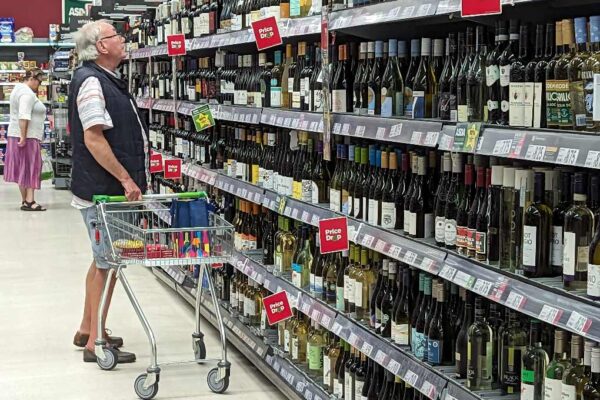
There’s an interesting new whitepaper titled “Wine Decisions: The Wine Buying Experience in Independent Specialist Wine Retailers” based on a research study conducted by KAM in collaboration with Hallgarten & Novum Wines, focusing on consumer behavior within the UK’s independent specialist wine retail sector. This study, involving 1,185 participants, explores the driving factors influencing consumer preferences and purchase decisions amidst economic challenges like rising inflation. The research reveals that despite financial tightening, value for money remains a crucial aspect for consumers while purchasing wine, but not strictly in terms of price. Consumers are attracted to specialist wine retailers due to…
-
Beware of Decoy Effects When Buying Wine
New research titled Decoy Effects in a Massive Real-World Shopping Dataset focuses on the impact of ‘decoy’ options on consumer choices, specifically in the context of wine purchases in the UK. The study examined a large dataset of 3.6 million wine purchases made by 755,158 unique customers over a one-month period. In the situation where a consumer is torn between choosing a high-price, high-quality wine and a low-price, low-quality wine, the presence of a decoy option could tip the scales. According to the study, the introduction of an even more inferior decoy wine that is both more expensive and of…
-
Research into Words That Describe Wine
There’s new research (PDF) from Maria Kana of Linnaeus University into the language used in wine reviews, particularly the adoption of standardised wine vocabularies like the Wine Aroma Wheel (WAW) and the Wine Lexicon of the Wine and Spirit Education Trust (WSET). The study aimed to understand how closely professional wine reviewers stick to these standard lexicons versus opting for individual expression. The research revealed that 65.79% of terms used in reviews adhered to the WSET vocabulary, which is frequently updated to reflect current industry practices. In contrast, terms adhering to the older WAW framework, last updated in 1987, accounted…
-

How Consumers Select Wine
A recent survey, documented on Forbes by one of the researchers Liz Thach, MW, has shed light on the preferences of wine consumers in three major markets: the U.S., Australia, and Italy. The study, conducted in May 2023, highlighted that in all three countries, the taste of the wine was prioritised over its price. Prior experience with a particular wine was a significant indicator of future choices. Interestingly, while Australian and U.S. consumers often based their decisions on price if they hadn’t tasted the wine, Italians were more influenced by the food they intended to pair with the wine. The…
-
Climate Change Threatens Prosecco
Climate change is posing a severe threat to Prosecco, according to recent research published in the iScience journal. Originating from Italy’s mountainous vineyards, Prosecco has seen a decline in grape yields due to extreme weather conditions and soil degradation. The risk extends beyond losing an agricultural product as it also threatens entire communities’ history and cultural roots. Extreme weather events, including sudden, intense rainfall and droughts, are making it increasingly difficult for Prosecco producers. These conditions lead to soil erosion and slope failures in the steep vineyards of Northern Italy. This year, the vineyards experienced massive spring rainfall and hailstones,…
Pick Lists
Majestic | The Wine Society | Tesco | Waitrose | Sainsbury’s | Morrisons | Co-op | Asda | Lidl | £7 and Under | Over £20
Did You Know?
Australian wine exports to China have collapsed from around $1.2 billion to less than $10 million. More
Wine’s aroma is not determined solely by which flavour compounds it contains. More
Low-to-moderate wine consumption is associated with lower mortality. More
Moderate water stress can be part of what creates flavour and terroir expression. More
Wine appears less frequently online than other alcoholic drinks. More
Independent retailers had 9% fewer customers in March 2026 than two years earlier. More
Average spend per bottle in independents has risen by 23% since 2019, compared with 21% in supermarkets. More.
Nearly a third (32%) of UK consumers say they have already used AI for alcoholic drinks advice. More
Among socially active wine buyers, 37% have bought a wine recommended online. More
In 2026, 72% of consumers now think wine knowledge is essential to appreciation, up 20 percentage points on 2025. More
Rías Baixas wines reached more than 107 countries in 2025 and exports represented 31 per cent of the denomination’s total sales. More
Light Strike Can Cause Wine Degradation in Just One Day. More
People actively adjust their wine choices depending on who might see them. More
In the UK, 73% of Alcohol is Bought From Retail Rather Than Hospitality. More
UK wine production reached 124,377 hectolitres that year, meaning the UK accounted for roughly 0.05 per cent of world output. More
For Crémant, grapes must be harvested by hand and the wines must undergo at least nine months’ ageing before release. More
In 2024, the UK was the second-largest export market for Champagne globally, after the United States. More
Local UK bottling of wine represents about 40% of imported wine. More
Around 1% of people, typically severe asthmatics, have a sulphite sensitivity. More
A large 80% of Australian wine arrives in the UK in bulk. More
Only about 0.02% of Australia’s landmass is dedicated to vineyards. More
In 2024, New Zealand produced only 1% of the World’s wine. More
In 2024, the US imported 37% of World production of Pinot Grigio and the UK was is in second place at 27%. More
In 2024, the UK was South Africa’s largest export market, with 40% of total exports. More
In 2024, the United Kingdom imported 22.3 million bottles of Champagne, a decline of 12.7% compared to the previous year. More
Larger Champagne producers source grapes from as many as 80 different vineyards throughout Champagne. More
Champagne houses and growers collectively produce around 300 million bottles annually. More
In 2025, the Champagne region was home to about 2,124 Champagne houses and approximately 19,000 growers. More
Provence is one of the leaders in the conversion to organic viticulture, with 61% of vineyards certified. More
8% of the South Africa’s grape production is Fairtrade-certified. More
Up to 80% of wine aroma compounds come from grape skins. More
Glycerol is the third-largest component of most dry wines after water and alcohol which is why they so often feel ‘smooth’ or ‘silky’ in the mouth. More
Humans are more than 400 times more sensitive to bitter than sweet. More
Humans can detect the earthy molecule geosmin at about 100 parts per trillion and camels are so sensitive to it they can locate damp ground from roughly 50 miles away. More
During the phylloxera crisis of the nineteenth century, 90% of Europe’s vineyards were destroyed. More
In 2025, for La Vieille Ferme, also known as “The Chicken Wine”, sales surged by 49.4% to £110.8 million. More
In 2025, in the UK, Yellow Tail held the top position with sales, marking a 9.8% increase over the previous year. More
In 2024, the UK was the second-largest wine importer in volume and value. More
In 2024, the UK was the fifth-largest wine-consuming country globally. More
In 2025, global wine consumption continued its downward trend, estimated at 214.2 million hectolitres, the lowest since 1961. More
In 2025, online alcohol sales had a 20% increase in value over five years. More
In 2025, the number of UK vineyards rose to 1,104 and wineries to 238, with land under vine expanding to 4,841 hectares, a 510% increase since 2005. More
Moët Hennessy alone commands nearly 46.66% of the Champagne market, with the top three producers together holding about 61%, and the top five controlling over 72%. More
In 2024, the Champagne market was worth roughly €3.92 billion. More
In the marketing year 2023/24, white wine accounted for roughly 55% of Spain’s output, whereas red and rosé together made up about 45%. More
In the UK, 92% of wine is consumed within 48hrs of purchase. More
The majority of wines, 95%, use commercial rather than wild yeast. More
Between 0.5 and 10 litres of water, per litre of wine, are needed for cleaning during winemaking. More
Machine harvesting can achieve up to 100 tons of fruit per day vs 1 ton for a human. More
In Germany, 2025 was the smallest wine vintage since 2010. More
The majority of vineyards, 90% in 2019, are farmed with heavy chemical interventions. Only 6% are organic. More
90% of low and coastal areas in south Europe and California will no longer be able to produce good wine by the end of the century. More
IMAGE WALL
Tools
Recent



Tags
25% Off Wine Aldi Amarone Argentina Articles Asda Australia Austria Award Awards25 Bizarre Blog Books Bordeaux Bulk Bottling Cabernet Sauvignon Carménère Cava Champagne Chardonnay Chile Climate Change Coop Crémant Decanter Duty English Wine EPR Fairtrade Food France Germany Glossary Greece Health Hungary Italy IWSC Jeroboams Laithwaites Legislation Liberty Wines Lidl Low Alcohol M&S Majestic Malbec Merch Merlot Morrisons Natural Nero d'Avola News New Zealand Non-Alcoholic Ocado Old Vine Organic Past Tastings Pick List Pinotage Pinot Grigio Pinot Noir Port Portugal Primitivo Prosecco Research Reviews Ribera del Duero Riesling Rioja Ripasso Rose Sainsbury's Saperavi Sauvignon Blanc Shiraz Sicily South Africa Spain Sparkling Supermarkets Sustainable Tax Terroir Tesco The Wine Society Unrepresented USA Valpolicella Virgin Wines Waitrose Wanderlust Welsh Wine What to Buy Wine Art WineGB WIne Glasses Zinfandel