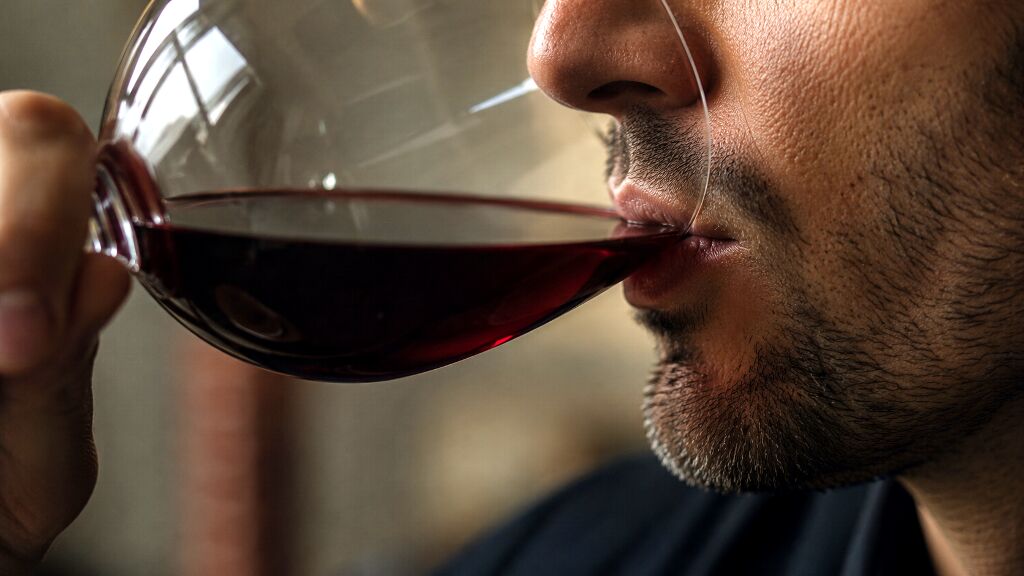
Sometimes, when I taste food, and wine, the first taste is so much better than those that follow. It is not simply that the wine changes in the glass, though it sometimes does. It is also that the palate changes. The first sip arrives on a relatively fresh canvas. Every sip after that is judged in the context of what has just happened in the mouth.
Hydration clearly has its benefits, but I have also been told by wine experts that water should not necessarily be drunk between every sip of wine. Water can temporarily alter the conditions in the mouth. It may rinse away texture, dilute lingering flavours, change the perception of acidity, or make the next sip seem sharper or flatter depending on the water itself. Very cold water, sparkling water, or strongly mineral water can have an even greater effect. Even chlorine in the glass, from water, can alter perception.
Sommelier Amanda McCrossin warns against sipping water immediately before tasting wine, because it may make it harder to perceive the wine’s intended flavours, aromas and structure. The first sip of wine sets a baseline for the palate, while the second and third sips may reveal further layers of fruit, spice, minerality and texture. But those later impressions are never neutral. They are shaped by the first sip, by what was tasted before it and by whatever else has happened in the mouth.
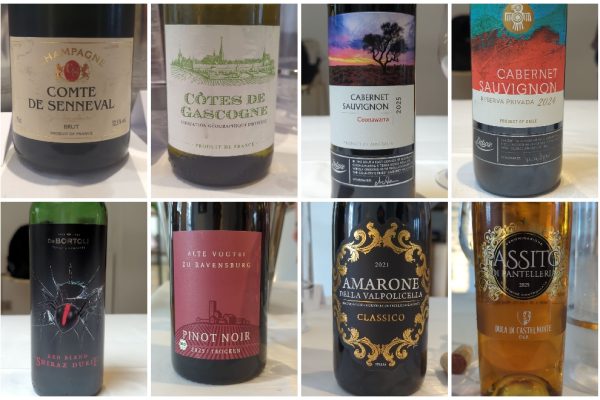
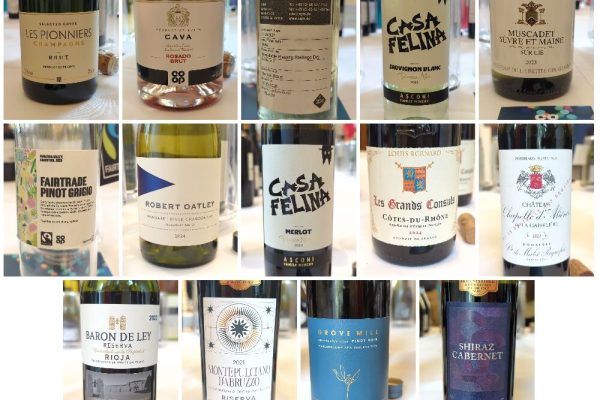
This has wider implications for tasting, particularly for people like me who taste many wines in succession. What comes before matters. I often return to wines during tastings, especially those poured at the beginning or those I am unsure about. A wine can seem different when revisited later, not only because it may have opened up over time, but because my own frame of reference has shifted.
In that sense, the taste of wine depends on context. Wine affects wine. One bottle can make the next seem brighter, duller, sweeter, harsher or more restrained. Even the practice of “zebra striping”, alternating alcoholic drinks with water, may not be ideal if the aim is to taste wine as precisely as possible, even if it may still make sense for moderation and hydration.
Coming back to a wine afresh the next day can be revealing. Sometimes it seems better because it needed time to breathe. Sometimes it seems better because my perceptions have been reset. The wine may have changed, but so have I.