
News
Issues affecting the wine industry and the wine you drink
-

Risks Undermining EPR Goals
At the London Wine Fair on 21 May 2025, Harshal Gore from PackUK, an arm of Defra, provided an update on the ongoing developments around Extended Producer Responsibility (EPR). While acknowledging EPR as strategically sound, Gore admitted the scheme has suffered repeated setbacks. He pointed out that 2025 has marked significant progress, with the establishment of PackUK and the initiation of a new finance system managed by an external software firm. A collaborative approach with monthly meetings involving industry stakeholders has also been adopted to guide the project. Key updates include the release of a Recyclability Assessment Model (RAM), offering…
-

Global Wine Market Faces Long-Term Decline Amid Shifting Consumer Trends
Wine Australia’s latest Market Bulletin explores a significant global trend in the wine industry: a consistent and widespread decline in wine consumption over recent years. Between 2018 and 2023, global consumption dropped by around 3.1 billion litres, equivalent to approximately 31 billion standard glasses of wine. This pattern of reduction is not limited to one region but is evident across a range of mature and emerging wine markets. Forecasts suggest that if current trends continue, a further billion litres could be lost by 2028, which would amount to a total decline of around 20 percent over a ten-year period. Source:…
-

Potential Impacts on Wine Trade Due to Tariffs
The new working paper (PDF) examines the projected impact of a US-initiated global tariff hike on the international trade of wine, beer and spirits, set to begin on 8 July 2025. Authored by Kym Anderson and Glyn Wittwer, of the Wine Economics Research Centre, University of Adelaide, the study uses a detailed global model of beverage markets to simulate four escalating trade scenarios resulting from US tariff actions announced in March and April 2025. Initially targeting the European Union, these tariffs extend to all countries and prompt retaliatory measures from Canada, China and other Asian nations. The first scenario involves…
-

Global and UK Wine Market Insights
The International Vine and Wine Organisation’s new report on the global vine and wine sector in 2024 outlines a challenging year shaped by ongoing climatic and economic pressures. Worldwide vineyard surface area continued to shrink for the fourth consecutive year, now standing at 7.1 million hectares. Major vine-growing countries such as Spain and France saw further reductions, while Italy and India stood out with modest growth. Wine production suffered significantly, reaching only 225.8 million hectolitres, the lowest level in over six decades. Severe weather events including frost, drought and excessive rainfall disrupted harvests across both hemispheres. While Italy managed a…
-

Learn About No Alcohol Wine
New research on Dealcoholized wine: Techniques, sensory impacts, stability, and perspectives of a growing industry“ is a detailed review examining the production, sensory implications, stability concerns and future prospects of dealcoholised wine. Growing interest in dealcoholised wine is largely driven by health-conscious consumers, social trends encouraging reduced alcohol intake, and legal considerations such as road safety. Consumers increasingly seek alternatives that offer the benefits and enjoyment of traditional wine without the associated alcohol content. The global market for such products is expanding rapidly, estimated to exceed US$10 billion. The review outlines a range of post-fermentation techniques used to remove or…
-

Independent Wine Retailer Trends
There’s an interesting article at Drinks Retailing News on independent wine retailer trends. Wine remains a key focus for independent UK drinks retailers, with France and Italy once again ranked as the most popular countries of origin, followed by Spain. Areas of growing interest have shifted, with Greece topping the list, closely followed by Portugal, England and parts of Eastern Europe, including Georgia and Romania. Georgia, in particular, is attracting attention for its traditional qvevri-aged wines. Sauvignon Blanc continued to dominate as the most popular grape variety, followed by Chardonnay, with Pinot Noir and Malbec also frequently mentioned. Looking ahead,…
-

Selling by Glass vs Bottle, Due to EPR
An article by Freddie Joosten in Drinks Retailing News outlines the upcoming Extended Producer Responsibility (EPR) scheme, which takes effect in April 2025 and will change how wine and spirit businesses handle packaging waste costs. Under EPR, companies must pay the full net costs of collecting and recycling all packaging types they use. This includes packaging at every level, primary, secondary, tertiary and shipment packaging. The financial burden could be considerable, especially for small and medium enterprises and independent retailers, who may lack the resources to absorb or pass on the new costs easily. For wine businesses, this could lead…
-
Drinks Retailing Trends Report
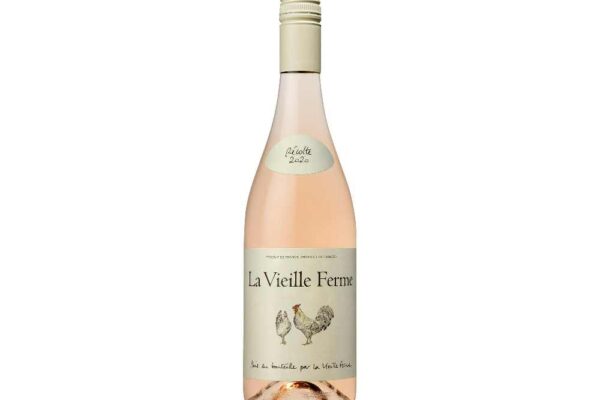
The latest Drinks Retailing Trends Report offers a comprehensive snapshot of the UK wine sector, with a particular focus on the top-selling wine brands and emerging trends. Among still wines, Yellow Tail now holds the top position with sales of £222.8 million, marking a 9.8% increase over the previous year. It overtakes Hardys, which experienced a steep decline of 18.1% to £173.8 million. Barefoot and Casillero del Diablo follow, with modest gains of 1.5% and 7.7% respectively. However, the most significant shift is the dramatic rise of La Vieille Ferme, also known as “The Chicken Wine”, which surged by 49.4%…
-

UK Vineyard Visits
Wine tourism is rapidly becoming a major trend in UK travel, with over 1.5 million visits to vineyards and wineries recorded in 2023, marking a 55% increase from 2022. In response, WineGB has released the Visit a Vineyard Guide 2025 (pdf), a comprehensive resource promoting the diverse and distinctive experiences available across the country. There are 300 vineyards and wineries in the UK currently open to the public, offering everything from tours and tastings to fine dining, cellar door shops, on-site accommodation and vineyard picnics. Unique attractions include winery slides, wine trains, festivals, and wildlife walks, showcasing the variety of…
-

How the Wine Industry is Evolving to Stay Relevant to Gen Z
IWSR is reporting that wine markets are increasingly reliant on drinkers aged 55 and above, as younger legal drinking age consumers are drinking wine less frequently. In Australia, for instance, the number of 18–24-year-olds consuming wine at least monthly halved between 2010 and 2023. This trend presents a challenge for wine producers trying to engage Gen Z, a generation that is health-conscious, interested in moderation, and exposed to a wider range of beverage options. Gen Z consumers are less familiar with traditional wine regions and varietals and are sensitive to price increases. They are also moving away from traditional wine-drinking…
-
200% US Tariffs
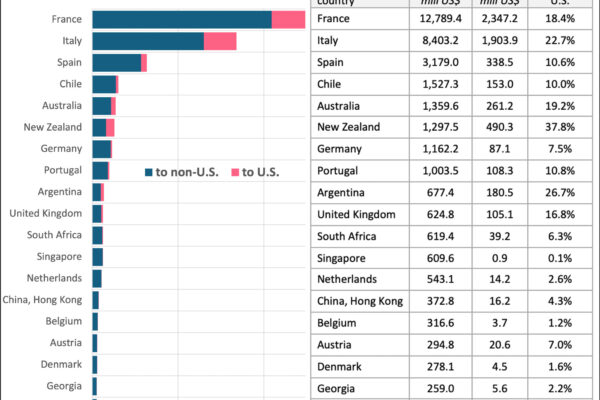
The European wine industry is facing a significant threat following US President Donald Trump’s warning of a 200% tariff on EU wine imports. Trade bodies on both sides of the Atlantic have expressed alarm, warning that such a move would devastate European wine producers and severely disrupt the transatlantic alcohol trade. Ignacio Sánchez, secretary general of the European wine sector association CEEV, has warned that the proposed tariff would effectively shut down the US market for EU wines. The US currently accounts for 27% of the EU’s wine exports, worth around €4.53 billion annually, making it the largest destination for…
-

Wine, Neuroprotection and Gut Health
More new research (pdf) helps to balance the currently overly-negative narrative of wine and health. Chapter 6 of Nourish Your Mind: A Scientific Approach to Brain Health explores the role of phenolic metabolites from wine and their effects on cognitive and digestive processes. The chapter examines how these compounds, particularly polyphenols, contribute to neuroprotection, gut health and overall mental well-being. It highlights that phenolic metabolites found in wine, such as resveratrol and flavonoids, have been linked to cognitive benefits, including memory enhancement and neurodegenerative disease prevention. These compounds exert antioxidant and anti-inflammatory effects, which help mitigate oxidative stress and reduce…
-

Shifts in Global Alcohol Consumption Patterns
The IWSR’s Bevtrac 2024 Wave 2 report highlights a significant shift in global alcohol consumption patterns, with moderation becoming a prevalent trend across all demographics over the past year. While a surge in complete abstinence observed in 2023 appears to have been temporary, consumers, including younger legal drinking age individuals, are now returning to alcohol but adopting various moderation strategies. One notable change is the rise in light drinkers, defined as those who consume alcohol infrequently and in low quantities. This group now constitutes the largest segment among drinkers in 15 key markets, surpassing both medium and heavy drinkers. Additionally,…
-

How Climate Change is Affecting Bordeaux Wine Producers
New research examines the impact of climate change on the income of wine producers in the Bordeaux region. The study analyses the relationship between climate variables, vineyard characteristics and economic performance. The findings indicate that rising temperatures and changing rainfall patterns significantly affect vineyard yields and income, with high temperatures during the bloom period (May to July) reducing yields, while warmer conditions during ripening (August to September) have a positive effect. Rainfall variability, particularly excessive precipitation during the bloom period, also negatively impacts yields. Wine producers in Bordeaux have responded by adapting their business strategies. Many have expanded their vineyard…
-

Australian Wine Report
A new report provides insights into Australian wine exports for the year ending December 2024. A significant theme was the surge in exports to mainland China following the removal of import tariffs in March 2024, which drove a 34% increase in export value to AUD 2.55 billion and a 7% rise in volume to 649 million litres. Exports to China alone accounted for AUD 902 million in value and 83 million litres in volume. However, exports to other global markets, including the UK, declined. Focusing on the UK, Australian wine exports showed relative stability after previous disruptions caused by Brexit…
-

A New Type of International Wine
Wine sold in the UK no longer needs to originate from one country because of Brexit, which freed the UK from EU regulations, including those governing wine production and labelling. Under EU law, wines that combine EU and non-EU fruit are prohibited, reflecting a strict adherence to the concept of terroir. Terroir emphasises the unique environmental factors of a specific region, such as soil and climate, which influence the wine’s character. However, these restrictions no longer apply to the UK, allowing winemakers to experiment with blends from different countries. The BBC is reporting how French winemaker Maxime Chapoutier has created…
-

Wine, Flavonoids and Health
With much debate surrounding wine’s impact on health, here’s some balancing news. New research (pdf) offers an in-depth look at flavonoids, compounds found in wine that might tip the scales in favour of moderate consumption. In red wine, flavonoids make up as much as 90% of its phenolic content. These phenols, largely derived from the grape’s stems, seeds, and skins, are released during the maceration process in winemaking. This process, known as extraction, affects the wine’s astringency, colour and mouthfeel. White wines, on the other hand, have fewer flavonoids due to reduced contact with the grape skins during production. Flavonoids…
-

Insights from the ProWein Business Report 2025
The new ProWein Business Report 2025, based on a survey of over 1,300 wine industry experts from more than 30 countries, highlights the challenges and trends shaping the global wine market. The report explains the importance of adapting to economic pressures, changing consumer preferences and evolving industry demands. Economic challenges and shifting consumer behaviour remain at the forefront of industry concerns. Although cost pressures have slightly eased (with an index drop from 73 to 65), producers in regions such as Germany, Spain, and the US, along with retailers in the UK and Ireland, continue to face significant difficulties. Consumer spending…
-

The Effects of Climate Change on Winemaking
Researchers from Italy have put together a useful paper (pdf) on the effects of climate change on wine composition and winemaking processes, focusing on the challenges posed and strategies to address them. This research is relevant because climate change will increasingly alter the flavour profiles, quality and availability of wines. It highlights how increasing temperatures, changing rainfall patterns and extreme weather events impact grapevine physiology, grape composition and overall wine quality. These changes result in higher sugar content, reduced acidity and elevated pH levels, leading to increased alcohol levels in wine, which affects its sensory characteristics and market appeal. To…
-

Insights from Vivino vs Expert Bordeaux Reviews
A new paper from Cambridge University Press examines the validity of crowdsourced wine ratings, focusing on the Vivino platform, by comparing them with professional critics’ assessments and exploring their sensitivity to weather variations that impact wine quality. Using a dataset of Bordeaux red wines, the study finds substantial correlation between Vivino ratings and professional evaluations, though the latter exhibit stronger internal consistency. Differences are partly due to amateurs prioritising immediate drinking pleasure, whereas professionals consider the wine’s ageing potential. Both amateurs and critics are responsive to weather conditions that affect grape quality, aligning with findings in viticulture literature. However, the…
Pick Lists
Majestic | The Wine Society | Tesco | Waitrose | Sainsbury’s | Morrisons | Co-op | Asda | Lidl | £7 and Under | Over £20
Did You Know?
Australian wine exports to China have collapsed from around $1.2 billion to less than $10 million. More
Wine’s aroma is not determined solely by which flavour compounds it contains. More
Low-to-moderate wine consumption is associated with lower mortality. More
Moderate water stress can be part of what creates flavour and terroir expression. More
Wine appears less frequently online than other alcoholic drinks. More
Independent retailers had 9% fewer customers in March 2026 than two years earlier. More
Average spend per bottle in independents has risen by 23% since 2019, compared with 21% in supermarkets. More.
Nearly a third (32%) of UK consumers say they have already used AI for alcoholic drinks advice. More
Among socially active wine buyers, 37% have bought a wine recommended online. More
In 2026, 72% of consumers now think wine knowledge is essential to appreciation, up 20 percentage points on 2025. More
Rías Baixas wines reached more than 107 countries in 2025 and exports represented 31 per cent of the denomination’s total sales. More
Light Strike Can Cause Wine Degradation in Just One Day. More
People actively adjust their wine choices depending on who might see them. More
In the UK, 73% of Alcohol is Bought From Retail Rather Than Hospitality. More
UK wine production reached 124,377 hectolitres that year, meaning the UK accounted for roughly 0.05 per cent of world output. More
For Crémant, grapes must be harvested by hand and the wines must undergo at least nine months’ ageing before release. More
In 2024, the UK was the second-largest export market for Champagne globally, after the United States. More
Local UK bottling of wine represents about 40% of imported wine. More
Around 1% of people, typically severe asthmatics, have a sulphite sensitivity. More
A large 80% of Australian wine arrives in the UK in bulk. More
Only about 0.02% of Australia’s landmass is dedicated to vineyards. More
In 2024, New Zealand produced only 1% of the World’s wine. More
In 2024, the US imported 37% of World production of Pinot Grigio and the UK was is in second place at 27%. More
In 2024, the UK was South Africa’s largest export market, with 40% of total exports. More
In 2024, the United Kingdom imported 22.3 million bottles of Champagne, a decline of 12.7% compared to the previous year. More
Larger Champagne producers source grapes from as many as 80 different vineyards throughout Champagne. More
Champagne houses and growers collectively produce around 300 million bottles annually. More
In 2025, the Champagne region was home to about 2,124 Champagne houses and approximately 19,000 growers. More
Provence is one of the leaders in the conversion to organic viticulture, with 61% of vineyards certified. More
8% of the South Africa’s grape production is Fairtrade-certified. More
Up to 80% of wine aroma compounds come from grape skins. More
Glycerol is the third-largest component of most dry wines after water and alcohol which is why they so often feel ‘smooth’ or ‘silky’ in the mouth. More
Humans are more than 400 times more sensitive to bitter than sweet. More
Humans can detect the earthy molecule geosmin at about 100 parts per trillion and camels are so sensitive to it they can locate damp ground from roughly 50 miles away. More
During the phylloxera crisis of the nineteenth century, 90% of Europe’s vineyards were destroyed. More
In 2025, for La Vieille Ferme, also known as “The Chicken Wine”, sales surged by 49.4% to £110.8 million. More
In 2025, in the UK, Yellow Tail held the top position with sales, marking a 9.8% increase over the previous year. More
In 2024, the UK was the second-largest wine importer in volume and value. More
In 2024, the UK was the fifth-largest wine-consuming country globally. More
In 2025, global wine consumption continued its downward trend, estimated at 214.2 million hectolitres, the lowest since 1961. More
In 2025, online alcohol sales had a 20% increase in value over five years. More
In 2025, the number of UK vineyards rose to 1,104 and wineries to 238, with land under vine expanding to 4,841 hectares, a 510% increase since 2005. More
Moët Hennessy alone commands nearly 46.66% of the Champagne market, with the top three producers together holding about 61%, and the top five controlling over 72%. More
In 2024, the Champagne market was worth roughly €3.92 billion. More
In the marketing year 2023/24, white wine accounted for roughly 55% of Spain’s output, whereas red and rosé together made up about 45%. More
In the UK, 92% of wine is consumed within 48hrs of purchase. More
The majority of wines, 95%, use commercial rather than wild yeast. More
Between 0.5 and 10 litres of water, per litre of wine, are needed for cleaning during winemaking. More
Machine harvesting can achieve up to 100 tons of fruit per day vs 1 ton for a human. More
In Germany, 2025 was the smallest wine vintage since 2010. More
The majority of vineyards, 90% in 2019, are farmed with heavy chemical interventions. Only 6% are organic. More
90% of low and coastal areas in south Europe and California will no longer be able to produce good wine by the end of the century. More
IMAGE WALL
Tools
Recent
-

Veuve Ambal Crémant de Bourgogne Blanc de Blanc
-

Over £20 Pick List
-

Asda Pick List
-
Asda Autumn Winter Wine Showcase
-
Wine With Asian Food
-

Exploring Vineyards With World Winery Map
-
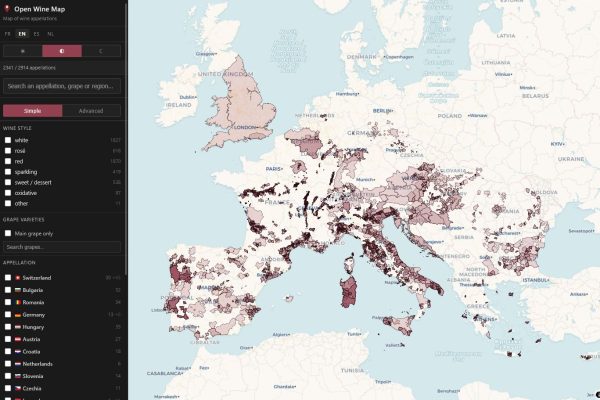
Exploring Europe’s Wine Appellations With Open Wine Map
-

Majestic Pick List
-

Majestic Autumn Press Tasting
-

Global Syrah Masters
Tags
25% Off Wine Aldi Amarone Argentina Articles Asda Australia Award Awards25 Bizarre Blog Books Bordeaux Bulk Bottling Cabernet Sauvignon Carménère Cava Champagne Chardonnay Chile Climate Change Coop Crémant Decanter Duty English Wine EPR Fairtrade Food France Germany Glossary Greece Health Hungary Italy IWSC Jeroboams Laithwaites Legislation Liberty Wines Lidl Low Alcohol M&S Majestic Malbec Merch Merlot Morrisons Natural News New Zealand Non-Alcoholic Ocado Old Vine Organic Past Tastings Pick List Pinotage Pinot Grigio Pinot Noir Port Portugal Primitivo Prosecco Regulations Research Retailers Reviews Ribera del Duero Riesling Rioja Ripasso Rose Sainsbury's Saperavi Sauvignon Blanc Shiraz Sicily South Africa Spain Sparkling Supermarkets Sustainable Tax Terroir Tesco The Wine Society Unrepresented USA Valpolicella Virgin Wines Waitrose Wanderlust Welsh Wine What to Buy Wine Art WineGB WIne Glasses Zinfandel