
France
-
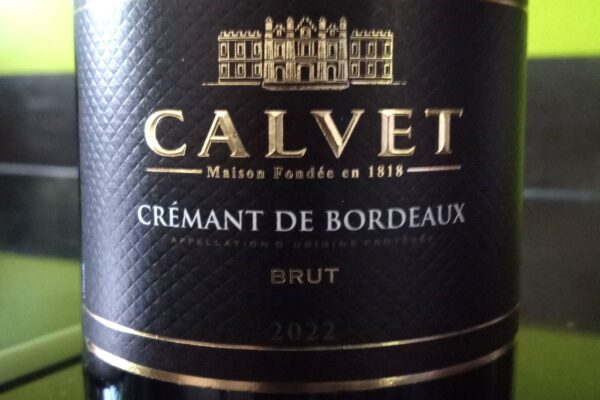
Calvet Crémant de Bordeaux Blanc
This sparkling wine from Bordeaux is a blend of 70% Sémillon and 30% Cabernet Franc, made using the traditional method with the second fermentation in the bottle that lasts for 11 months. This the 2022 vintage and sits at 12% ABV. The bubbles are small and stayed for a very long time, giving it a visual elegance not always found at this price point. There’s a buttery brioche aroma, the result of the bottle fermentation, lifted by a zesty citrus note that keeps things fresh. On tasting, it’s fruity and bright, with flavours of sherbet and citrus. There’s a hint…
-

Les Dauphins Côtes du Rhône Rosé Réserve
This 2024 vintage draws inspiration from the lively elegance of 1920s Paris, a time when food, wine, music and art flourished. It also marks a period of transformation in the Rhône Valley, when the first co-operatives, like Les Dauphins, were formed. This rosé is a blend of 85% Grenache, 10% Syrah and 5% Cinsault, with grapes grown on clay-limestone and stony soils near the village of Tulette, in the old Dauphiné region. The wine is left on its lees in tank, which plays a part in shaping its final character. It sits at 12.5% alcohol. Pale pink in the glass,…
-
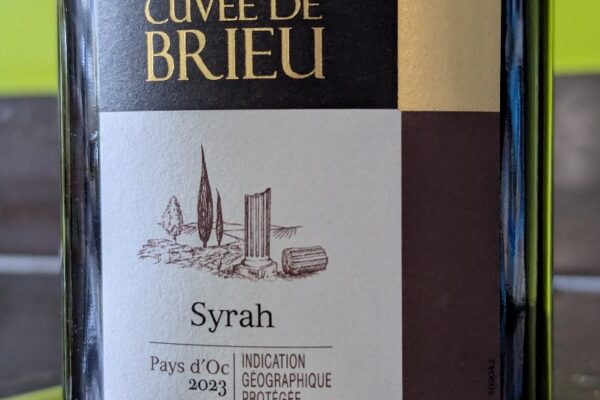
Cuvée de Brieu Syrah
The Lidl July Wine Tour is now underway. I wasn’t able to attend the press tasting for this release as I happened to be on holiday. Fortunately, Lidl kindly sent over a few bottles from the range for me to try. Lidl’s Wine Tours tend to run for roughly two months, offering a limited window in which to pick up these wines, subject to stock availability. Some of the more popular bottles usually sell out quickly, which is a deliberate move to keep the wine line-up feeling fresh and ever-changing. As with previous tours, the wines are assessed by Richard…
-
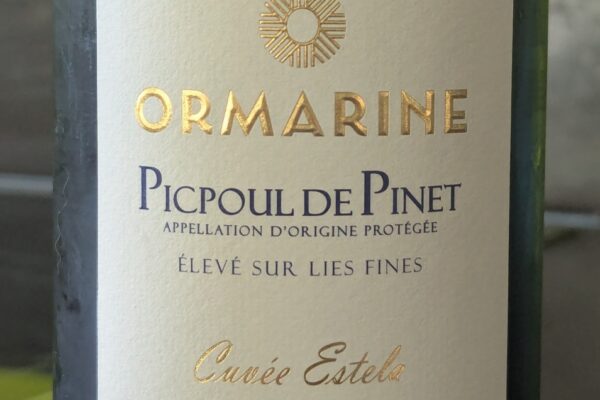
Ormarine ‘Cuvée Estela Élevée sur Lies Fines’ Picpoul de Pinet
This 2023 vintage Picpoul is a striking example of the quality now coming out of this Languedoc appellation. Ormarine, based in the heart of Pinet since 1922, is responsible for over 40% of the region’s total production and their expertise shows in this wine. The term ‘Élevée sur Lies Fines’ refers to ageing on fine lees, the spent yeast cells left over after fermentation which adds depth, texture and complexity. In the glass, the wine shows a slight green-gold hue. When served very cold, it opens with a restrained peach/nectarine aroma, but the palate is already full-bodied with rich stone…
-

Laurent Delaunay Les Grappillages Fleurie
I’ve had the chance to be one of the first to try a brand-new wine from acclaimed Burgundian winemaker Laurent Delaunay. Known for multi-award-winning expertise and as a fifth-generation winemaker, Delaunay has just released a Beaujolais under the new Les Grappillages range. It’s a wine that brings together traditional regional winemaking with a distinctly modern edge. Adding to the charm is the label, adorned with a delicate French Toile de Jouy print, echoing a touch of haute couture. This 2023 vintage sits at 13% ABV and has been carefully vinified in temperature-controlled stainless-steel tanks to retain freshness and fruit purity.…
-

Alain Grignon ‘Grande Réserve Vieilles Vignes’ Carignan
This is a striking new arrival at Majestic that’s already turning heads. At a recent store managers’ tasting, it reportedly stole the show, and it’s not hard to see why. This impressive red comes from Château Grand Moulin in the town of Lézignan-Corbières, in the heart of Occitanie. It’s made from old-vine Carignan, with some vines aged well over 80 years, a few even topping the century mark. That age brings depth and concentration and the winemaking approach preserves the fruit’s natural vibrancy. While most of the wine is matured in stainless steel to retain freshness, 30% sees time in…
-
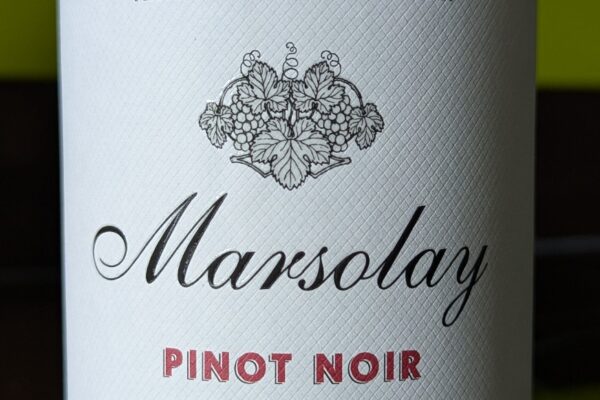
Marsolay Pinot Noir
This Pinot Noir is from the Languedoc region in southern France, IGP Pays d’Oc, and made by Producteurs Réunis. It’s from an area known for its long, hot growing season, which tends to encourage a riper expression of Pinot Noir. I tried it as part of my awards25 tasting series, as it was a finalist in the People’s Choice Awards. There’s no vintage noted on the label, which is a bit odd, but it’s likely to be 2023 based on the IWSC entry, where it picked up a Silver award in 2025. It also carries a strong average rating on…
-

Tesco Finest Chablis Premier Cru
This is one I’d been meaning to try after it picked up a Gold at the recent International Wine Challenge. It’s part of my ongoing awards25 series and is made by the highly respected La Chablisienne Cooperative. The wine comes from Premier Cru vineyards in northern Burgundy and is made entirely from Chardonnay grapes, with some time spent in French oak barrels. This particular bottle is the 2022 vintage and sits at 12.5% ABV. Straight from the fridge, there’s a touch of almond on the aroma, which is quite delicate. The oak influence is subtle and nicely judged, adding just…
-
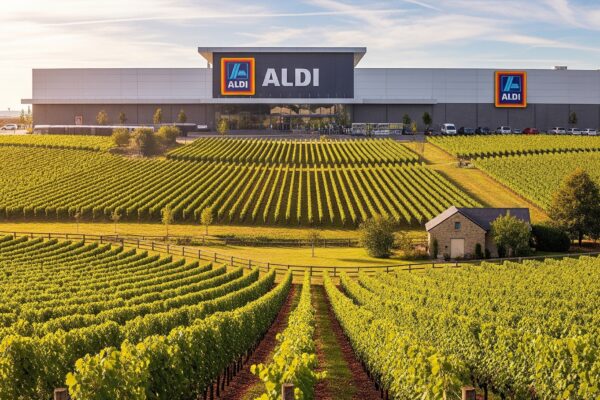
Tensions Between Wine Growers and Supermarkets
International Supermarket News reports on rising tensions between growers and supermarkets. It also highlights increasing cost of wine and shows how much more expensive it is in the UK compared to France. Aldi France has come under fire after its national wine buyer claimed wines priced as low as €1.99 are still profitable for growers. This triggered protests across south-west France, with farmers arguing that such pricing is unsustainable and threatens their livelihoods. Unions say selling Bordeaux for under €3 is below production cost and puts thousands of growers at risk. The controversy underscores wider concerns about unrealistic retail pricing,…
-

Majestic 45th Birthday Sauvignon Blanc Gros Manseng
Majestic 45th Birthday Sauvignon Blanc Gros Manseng is one of two special blends created exclusively for Majestic’s anniversary, with the aim of offering a bold yet versatile wine that exceeds expectations for its price. When I first saw it, it gave off a modest impression and I didn’t expect anything out of the ordinary. But on tasting it, it quickly became clear that a lot more thought and care had gone into this wine than the packaging lets on. Created by Majestic’s Head Buyer, Matt Fowkes, in collaboration with long-standing producer partners, the blend captures the essence of what Majestic…
-
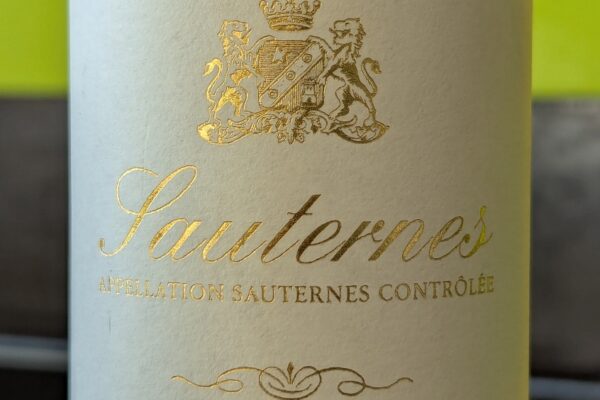
Sichel Sauternes
This one is a bit different as it’s a wine I’ve held onto for 10 years. Normally, I focus on wines that are ready to buy and drink straight away. I don’t usually store or age bottles. But this one’s got a story behind it and it’s taught me a thing or two, particularly about declassified wines. It was part of my wine journey in 2015. Back then, my wife and I, sometimes with friends or family, attended tastings run by Arthur Till. Arthur had retired slightly early after a successful career in senior management for the European arm of…
-
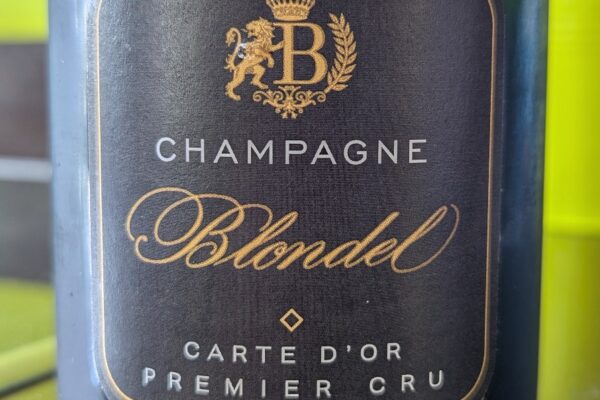
Blondel Champagne Premier Cru
I first discovered this Champagne at an Asda tasting, where it immediately stood out to me. I was keen to try it again, particularly as I’ve found that some Champagnes I’ve enjoyed at tastings have often not lived up to expectations when revisited later. Thankfully, that wasn’t the case this time. Produced by Blondel from a single block of vines in the village of Ludes, located on the northern side of the Montagne de Reims, this wine comes from a site classified as Premier Cru. It borders some of the region’s most renowned Grand Cru villages, including Mailly-Champagne, Verzenay and…
-
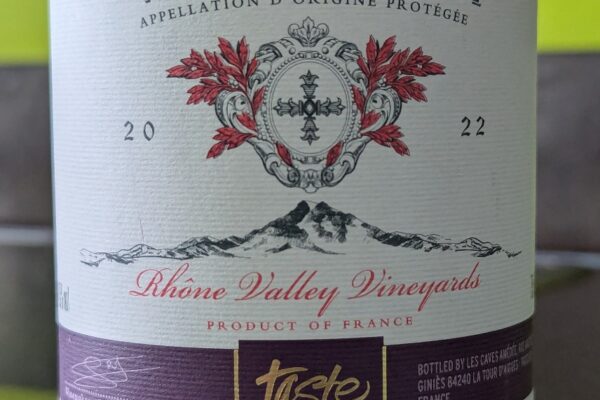
Sainsbury’s Taste the Difference Ventoux
This is a red wine that captures the character of the southern Rhône’s Ventoux appellation, an area defined as much by its striking scenery as its distinctive wines. Towering over the region is Mount Ventoux, an iconic landmark known to cycling fans worldwide as a legendary stage finish of Le Tour de France. This 2022 vintage, 14.5% ABV, is a blend of Shiraz, Grenache and Carignan, a combination that brings together rich fruit, spice and structure. The wine begins with a lovely red fruit aroma, delicately laced with a hint of caramel. It’s a very inviting and beguiling aroma that…
-

Moillard Grivot Premium Chardonnay
Moillard Grivot Premium Chardonnay makes a statement with its wax seal and substantial, weighty bottle. It gives off a strong impression of luxury and quality, though some may view these touches less favourably from an environmental standpoint. The grapes are mainly sourced from vineyards in the Mâconnais, a region in the south of Burgundy that benefits from a warmer, sunnier climate. This allows for fuller ripening, and the vines, aged between 15 and 40 years, contribute depth and character to the wine. Fermentation is carried out entirely in oak barrels, with a mix of new and older wood to ensure…
-

Moillard Thomas Santenay Rouge
Moillard Thomas Santenay Rouge 2022 is a 100% Pinot Noir from Burgundy, aged for 12 months in oak barrels. It’s a wine that impresses straight from the bottle, needing no time to open up. For it’s vintage, the light colour shows a very slight touch of browning, correctly suggesting it leans towards a savoury style. There’s an immediate aroma of cherry and earthiness, with a subtle trace of caramel. The flavour continues in this vein, savory at its core, but with raspberry and cherry fruit giving it vibrancy and lift. Through the middle part of the taste, there’s a lovely…
-

La Belle Angèle Rosé
La Belle Angèle Rosé takes its name from a figure of the early 20th century, a muse of the French Impressionists whose charm and elegance inspired many. Produced by La Belle Angèle Wines in Nuits-Saint-Georges, France, the bottle itself reflects a refined aesthetic and the producer’s website is very well presented – a rare case where I link as it’s very well done. This 2024 vintage, 12% ABV, blends Cinsault and Grenache grapes, sourced from the Gers and the Languedoc. The Cinsault brings a sense of freshness, while the Grenache adds richness and a deeper concentration. In the glass, it…
-

Taste the Difference Crémant d’Alsace
Taste the Difference Crémant d’Alsace is made from 75% Pinot Blanc and 25% Pinot Gris from Alsace in France. This non-vintage wine sits at 12% ABV and undergoes its second fermentation in bottle, in the same way as Champagne, and is aged for 18 months on its lees. I first discovered it at the Sainsbury’s Spring Summer Press Tasting, where it stood out as one of my favourites thanks to its flavour and value. I decided to re-try it in a different context and correct a few earlier misconceptions. For starters, it’s clearly made by Cave du Roi Dagobert, as…
-
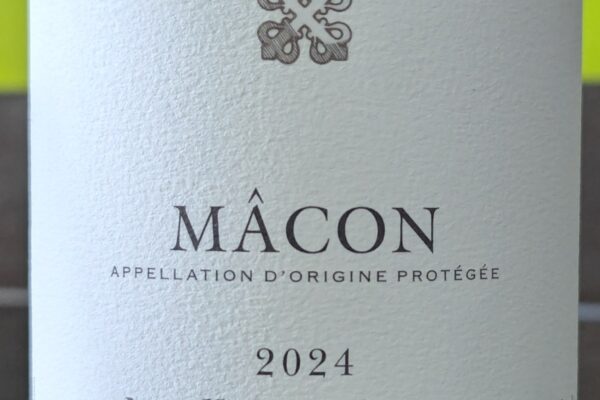
Moillard Thomas Mâcon Rouge
Moillard-Thomas is in Nuits-Saint-Georges, in the Côtes de Nuits and is one of the oldest wine merchants in the region. This Mâcon Rouge, 2024 vintage, 12.5%, from Burgundy, France, is made entirely from Gamay grapes. This light purplish wine starts with a fruity aroma, gently underpinned by a savoury note that hints at something earthy, perhaps a touch of mushroom. At very first sip, it leaves a dry impression, but this quickly gives way to juicy cherry flavours that bring vibrancy to the palate. A subtle thread of spice weaves through, along with a whisper of fennel, adding a layer…
-
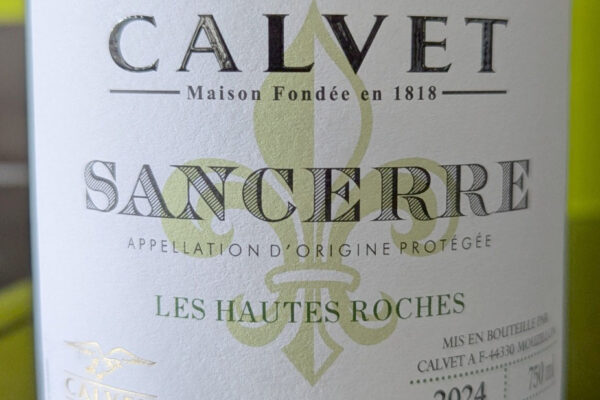
Calvet Sancerre
This Calvet Sancerre 2024, 12.5%, is 100% Sauvignon Blanc from the Loire region of France. It is grown on a hillside overlooking the left bank of the Haute Loire. In the glass, it has a pale yellow colour with delicate green reflections. Even when served very cold, it releases a strong and enticing aroma of passion fruit, with an underlying floral character that immediately draws you in. On the tongue, it delivers classic gooseberry notes, complemented by the lushness of ripe honeydew melon, with a dry yet very rounded and expressive flavour profile. The finish is long and satisfying, leaving…
-

Definition Saint-Émilion Grand Cru
This 2018 vintage of Saint-Émilion Grand Cru comes from the right bank of the River Garonne, from the family-run Château du Roy. It is made from 35-year-old vines and sits at 13.5% ABV. While it’s Merlot-led, it also includes some Cabernet Franc and Cabernet Sauvignon. I almost didn’t review this bottle. On opening, it was underwhelming, both in aroma and flavour. I didn’t bother decanting at the time, thinking it unnecessary given the seemingly low tannins and lack of sediment, but in hindsight that was a mistake. Even after a full day open, it still felt muted and a little…
Pick Lists
Majestic | The Wine Society | Tesco | Waitrose | Sainsbury’s | Morrisons | Co-op | Asda | Lidl | £7 and Under | Over £20
Did You Know?
Supermarkets remain the dominant purchasing channel, used by 77.8% of respondents. More
Champagne remains the leading celebratory sparkling wine at 33.4%, followed by Prosecco at 27.4% and English Sparkling wine at 20%. More
34% of people identify high wine prices as a leading frustration. More
Australian wine exports to China have collapsed from around $1.2 billion to less than $10 million. More
Wine’s aroma is not determined solely by which flavour compounds it contains. More
Low-to-moderate wine consumption is associated with lower mortality. More
Moderate water stress can be part of what creates flavour and terroir expression. More
Wine appears less frequently online than other alcoholic drinks. More
Independent retailers had 9% fewer customers in March 2026 than two years earlier. More
Average spend per bottle in independents has risen by 23% since 2019, compared with 21% in supermarkets. More.
Nearly a third (32%) of UK consumers say they have already used AI for alcoholic drinks advice. More
Among socially active wine buyers, 37% have bought a wine recommended online. More
In 2026, 72% of consumers now think wine knowledge is essential to appreciation, up 20 percentage points on 2025. More
Rías Baixas wines reached more than 107 countries in 2025 and exports represented 31 per cent of the denomination’s total sales. More
Light Strike Can Cause Wine Degradation in Just One Day. More
People actively adjust their wine choices depending on who might see them. More
In the UK, 73% of Alcohol is Bought From Retail Rather Than Hospitality. More
UK wine production reached 124,377 hectolitres that year, meaning the UK accounted for roughly 0.05 per cent of world output. More
For Crémant, grapes must be harvested by hand and the wines must undergo at least nine months’ ageing before release. More
In 2024, the UK was the second-largest export market for Champagne globally, after the United States. More
Local UK bottling of wine represents about 40% of imported wine. More
Around 1% of people, typically severe asthmatics, have a sulphite sensitivity. More
A large 80% of Australian wine arrives in the UK in bulk. More
Only about 0.02% of Australia’s landmass is dedicated to vineyards. More
In 2024, New Zealand produced only 1% of the World’s wine. More
In 2024, the US imported 37% of World production of Pinot Grigio and the UK was is in second place at 27%. More
In 2024, the UK was South Africa’s largest export market, with 40% of total exports. More
In 2024, the United Kingdom imported 22.3 million bottles of Champagne, a decline of 12.7% compared to the previous year. More
Larger Champagne producers source grapes from as many as 80 different vineyards throughout Champagne. More
Champagne houses and growers collectively produce around 300 million bottles annually. More
In 2025, the Champagne region was home to about 2,124 Champagne houses and approximately 19,000 growers. More
Provence is one of the leaders in the conversion to organic viticulture, with 61% of vineyards certified. More
8% of the South Africa’s grape production is Fairtrade-certified. More
Up to 80% of wine aroma compounds come from grape skins. More
Glycerol is the third-largest component of most dry wines after water and alcohol which is why they so often feel ‘smooth’ or ‘silky’ in the mouth. More
Humans are more than 400 times more sensitive to bitter than sweet. More
Humans can detect the earthy molecule geosmin at about 100 parts per trillion and camels are so sensitive to it they can locate damp ground from roughly 50 miles away. More
During the phylloxera crisis of the nineteenth century, 90% of Europe’s vineyards were destroyed. More
In 2025, for La Vieille Ferme, also known as “The Chicken Wine”, sales surged by 49.4% to £110.8 million. More
In 2025, in the UK, Yellow Tail held the top position with sales, marking a 9.8% increase over the previous year. More
In 2024, the UK was the second-largest wine importer in volume and value. More
In 2024, the UK was the fifth-largest wine-consuming country globally. More
In 2025, global wine consumption continued its downward trend, estimated at 214.2 million hectolitres, the lowest since 1961. More
In 2025, online alcohol sales had a 20% increase in value over five years. More
In 2025, the number of UK vineyards rose to 1,104 and wineries to 238, with land under vine expanding to 4,841 hectares, a 510% increase since 2005. More
Moët Hennessy alone commands nearly 46.66% of the Champagne market, with the top three producers together holding about 61%, and the top five controlling over 72%. More
In 2024, the Champagne market was worth roughly €3.92 billion. More
In the marketing year 2023/24, white wine accounted for roughly 55% of Spain’s output, whereas red and rosé together made up about 45%. More
In the UK, 92% of wine is consumed within 48hrs of purchase. More
The majority of wines, 95%, use commercial rather than wild yeast. More
Between 0.5 and 10 litres of water, per litre of wine, are needed for cleaning during winemaking. More
Machine harvesting can achieve up to 100 tons of fruit per day vs 1 ton for a human. More
In Germany, 2025 was the smallest wine vintage since 2010. More
The majority of vineyards, 90% in 2019, are farmed with heavy chemical interventions. Only 6% are organic. More
90% of low and coastal areas in south Europe and California will no longer be able to produce good wine by the end of the century. More
IMAGE WALL
Tools
Recent


Tags
25% Off Wine Aldi Amarone Argentina Articles Asda Australia Award Awards25 Bizarre Blog Books Bordeaux Bulk Bottling Cabernet Sauvignon Carménère Cava Champagne Chardonnay Chile Climate Change Coop Crémant Decanter DoctorWine Duty English Wine EPR Fairtrade Food France Germany Glossary Greece Health Italy IWSC Jeroboams Laithwaites Legislation Liberty Wines Lidl Low Alcohol M&S Majestic Malbec Merch Merlot Morrisons Natural Nero d'Avola News New Zealand Non-Alcoholic Ocado Old Vine Organic Past Tastings Pick List Pinotage Pinot Grigio Pinot Noir Port Portugal Primitivo Prosecco Regulations Research Reviews Ribera del Duero Riesling Rioja Ripasso Rose Sainsbury's Saperavi Sauvignon Blanc Shiraz Sicily South Africa Spain Sparkling Supermarkets Sustainable Tax Terroir Tesco The Wine Society Unrepresented USA Valpolicella Virgin Wines Waitrose Wanderlust Welsh Wine What to Buy Wine Art WineGB WIne Glasses Zinfandel