
France
-
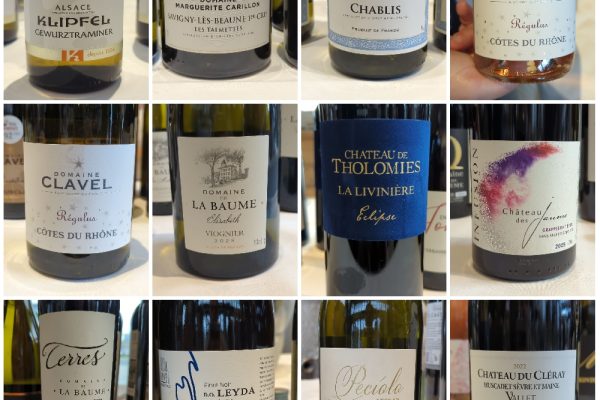
Les Grands Chais de France Tasting
In March 2026, I attended a tasting for the on-trade (hospitality) and independent retail sectors, hosted by Les Grands Chais de France at Vagabond Urban Winery in London. Les Grands Chais de France (GCF) is a major French wine and spirits company and one of Europe’s leading wine merchants. Its business spans branded wines, estate wines, sparkling wines and spirits. In the UK, it is perhaps best known in supermarkets for labels such as J.P. Chenet and Calvet, some of which I have previously reviewed. GCF’s focus is strongly international. Around 80% of its turnover comes from exports, with wines…
-
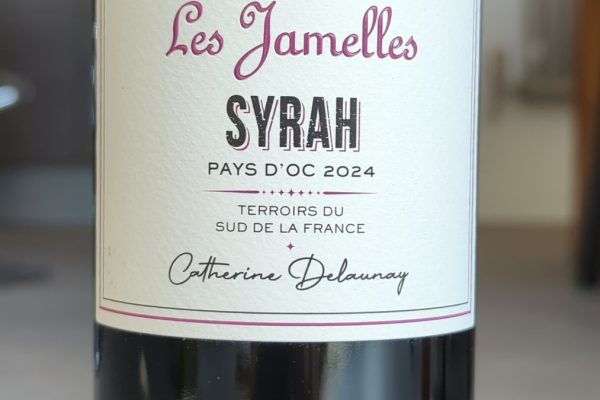
Les Jamelles Syrah
Les Jamelles Syrah is a 2024 vintage from the Languedoc region in the South of France, made by winemaker Catherine Delaunay. It is 100% Syrah. The majority of the wine is made using a traditional South of France method known as “la cocotte”, or the casserole. At the end of alcoholic fermentation, the pomace, skins, seeds and solids are fully submerged. This gives a slow, gentle extraction of tannins and colour pigments, helping to create reds with deeper colour and a softer texture. A portion of the wine is also oak aged. It comes in at 13.5% abv. In the…
-
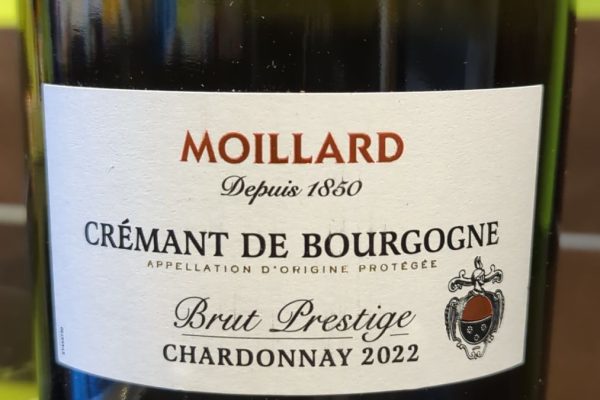
BBC Good Food – Crémant
BBC Good Food’s round-up presents Crémant as a strong middle ground between Prosecco and Champagne, made by the traditional method, generally drier and more layered than Prosecco, but usually much cheaper than Champagne. They mention that Crémant now covers sparkling wines from eight French regions, so styles vary quite a bit, from lean and citrusy to richer, more brioche-led bottles. The wines mentioned are: Kew Gardens Crémant de Loire Rosé Brut £18.99 Laithwaites. Hunter’s Miru Miru Marlborough Brut NV £19.99 Laithwaites. Roche Lacour Crémant de Limoux 2022 £15.99 Laithwaites. Arthur Metz Crémant d’Alsace Organic Brut £15 Ocado. Moillard-Thomas Crémant de…
-
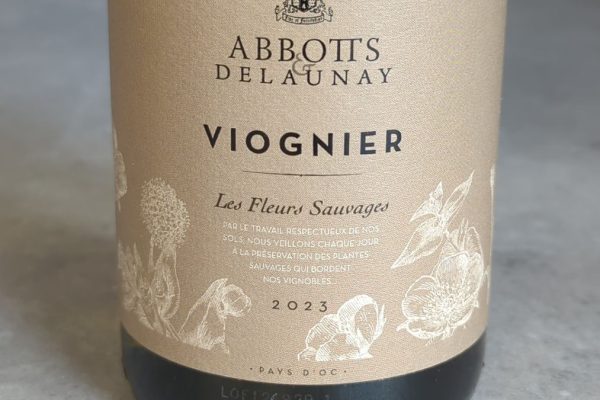
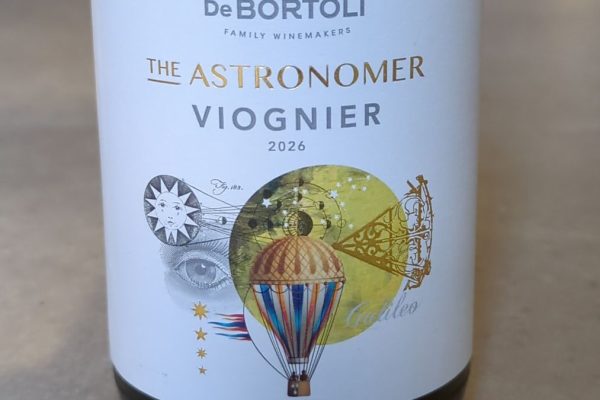
Abbotts & Delaunay ‘Les Fleurs Sauvages’ Viognier
Abbotts & Delaunay ‘Les Fleurs Sauvages’ Viognier comes from Pays d’Oc in southern France, specifically the Hérault and the Aude Valley in the south of the Minervois. It takes its name from the wild plants, fleurs sauvages, that grow along the edges of the vines. This is 100% Viognier from the 2023 vintage, with 13.5% abv and it spends a few months ageing on the lees. In the glass, it has a light lemon-gold colour. The aroma brings apricot, peach, honeysuckle and ginger. On the taste, there is a strong stone fruit character, with a slightly oily texture that comes…
-
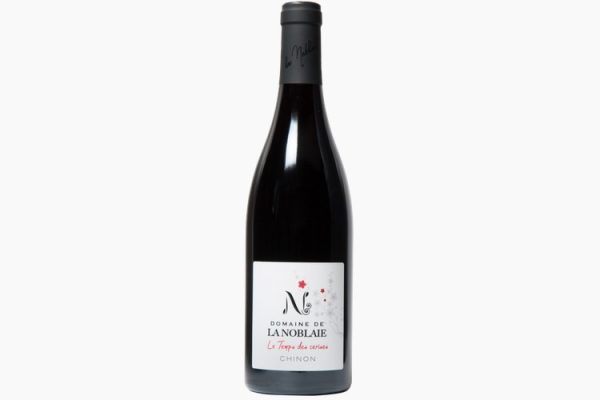
Spring Reds From the Loire
A new Guardian Newspaper article argues that spring is a great time for light, youthful red wines, especially from the Loire Valley. Richard Godwin suggests that, while alcohol warnings are real, some reds are a better choice than others, ideally young, low in tannin, not too sweet, around 12.5% ABV, and drunk with food. Godwin says the Loire is particularly good for these fresher reds. While the region is famous for whites, he highlights its spring-friendly reds made from Gamay, Pinot noir and Cabernet Franc grapes. He notes that Loire Gamay is lively and fruity, Loire Pinot Noir can be…
-
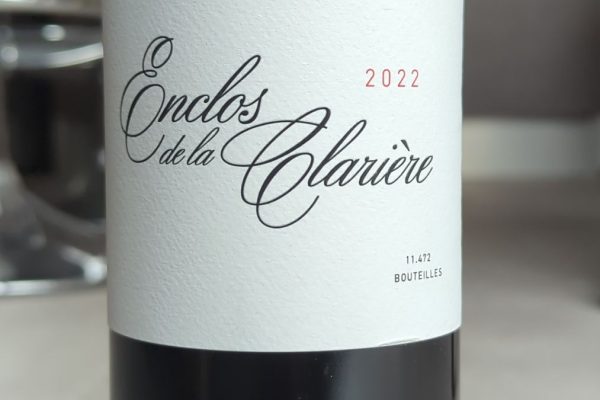
Enclos de la Clarière
Enclos de la Clarière comes from the Castillon side of the Saint-Émilion border. “Enclos” in the name points to a distinct, enclosed single vineyard parcel, and this wine comes from one such site, just six metres from some of Saint-Émilion’s most expensive Grands Crus Classés. Tony Laithwaite’s long connection with Castillon led him to buy the estate from his mentor, Jean Cassin, with the aim of showing that Castillon’s limestone terroir could stand shoulder to shoulder with neighbouring Saint-Émilion. This is the 2022 vintage, made from 100% Merlot, with a year of ageing in a mix of new and seasoned…
-
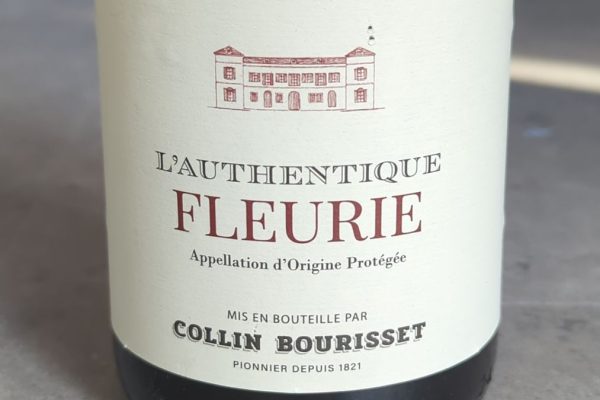
Collin Bourisset Fleurie
This wine comes from a house established in 1821, based in and around the southern Burgundy to Beaujolais crossroads near Crêches-sur-Saône and La Chapelle-de-Guinchay. “The Authentic” on the label leans into a traditional character and you can feel it’s meant to echo the house’s history rather than chase trends. It’s Gamay grape, 2023 vintage, 13%, with an IWC Silver and 92 points, plus a hefty 97/100 from Club Oenologique. In the glass it sits pale to medium ruby, bright and inviting. The aroma is strawberry and raspberry at first, then rose petals float in and give it that Fleurie charm.…
-
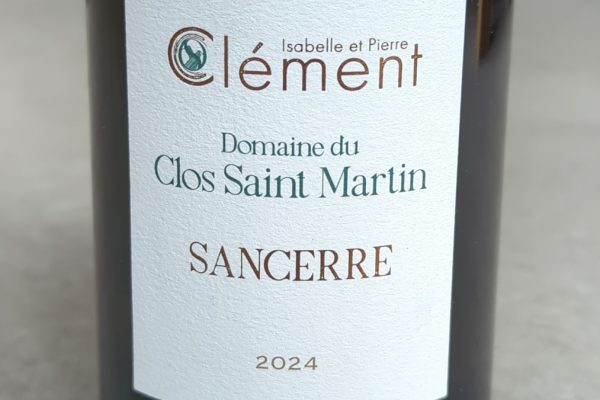
Domaine du Clos Saint Martin Sancerre
This wine comes from the Loire Valley, produced by the Clément family near the hamlet of Amigny, just below the village of Sancerre. The Clément family have been winegrowers since 1560 and the estate is certified organic. This Sancerre is new and exclusive to Majestic, made from 100% Sauvignon Blanc, sitting at 12.5% abv, from the 2024 vintage. It also received a gold medal at Challenge Millésime Bio. A tip, let it warm for 30 minutes from cold to get a lot out of this wine. In the glass the colour is pale lemon. The aroma brings intense nectarine and…
-
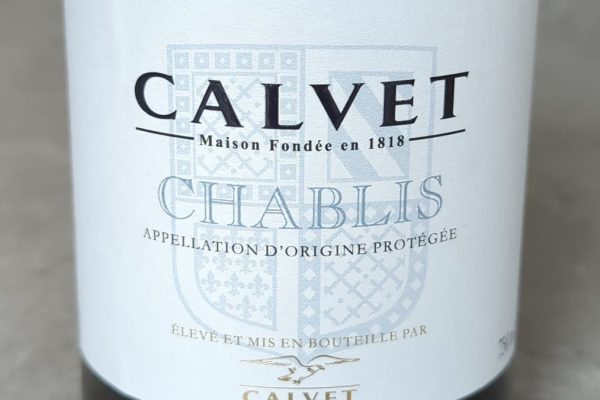
Calvet Chablis
From the northern reaches of Burgundy near Auxerre in France, this wine is produced by Calvet, a well-known French wine house with over two centuries of winemaking heritage, now part of the Les Grands Chais de France group. Made entirely from Chardonnay, the sole grape permitted under the Chablis AOC, this is a 2023 vintage that has spent 8 to 10 months ageing on its lees in stainless steel vats, with regular stirring to build texture and complexity. It sits at 12.5% ABV. In the glass, it has a pale lemon colour. It benefits from being given a lot of…
-
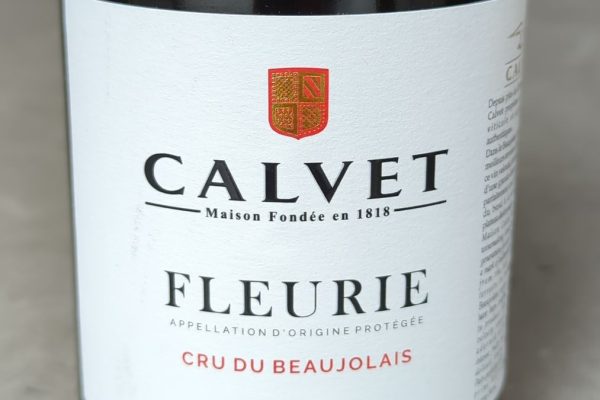
Calvet Fleurie
This 2023 vintage is made from 100% Gamay, with an alcohol level of 13.5 percent. The wine has been aged on fine lees for 10 months in stainless steel. The colour is a pale purple. The aroma is full and expressive, with intense strawberry and raspberry, alongside rose petals. On tasting, it is silky and perfumed with red fruit and a delicate texture, followed by an impressive mid taste lift of fruity sweetness. In terms of sweetness, it is actually dry, as I will explain later, with light but clearly discernible tannins. One thing I should mention is that, unlike…
-

200% Tariff Threat on French Wines
Reuters is reporting that Donald Trump has threatened to impose 200% tariffs on French wines and champagne, framing it as leverage to push Emmanuel Macron to join a new US-led “Board of Peace” initiative. A source close to Macron said the French president plans to decline the invitation, and Trump publicly dismissed Macron’s stance while suggesting the tariff threat could change his mind. On trade, Reuters notes that EU wines and spirits entering the US currently face a 15% tariff and that the United States is the biggest market for French wine and spirits, with 2024 shipments valued at about…
-
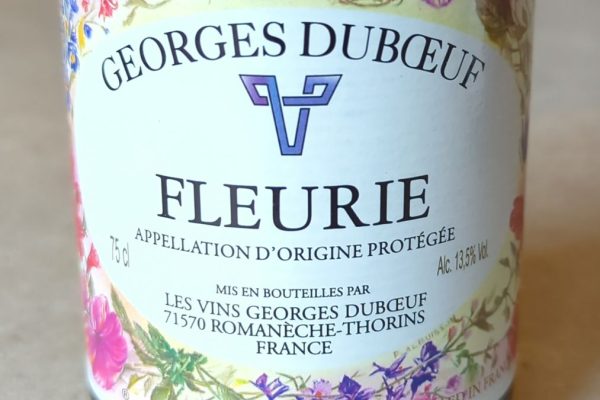
Georges Duboeuf Fleurie
Georges Duboeuf Fleurie comes from one of France’s most well-known wine merchants. Founded by Georges Duboeuf (1933–2020), often dubbed the “King” or “Pope of Beaujolais” for his global promotion of Beaujolais wines, particularly the Beaujolais Nouveau, the business remains in the family, now under the direction of his son Franck. This Fleurie is made entirely from Gamay and sits at 13.5% ABV. Sometimes promoted as the Georges Duboeuf ‘Flower Label’ Fleurie, this 2023 vintage brings a fresh design shift, now featuring an abundance of flowers on the label instead of a single flower. It previously received a strong 91-point score…
-
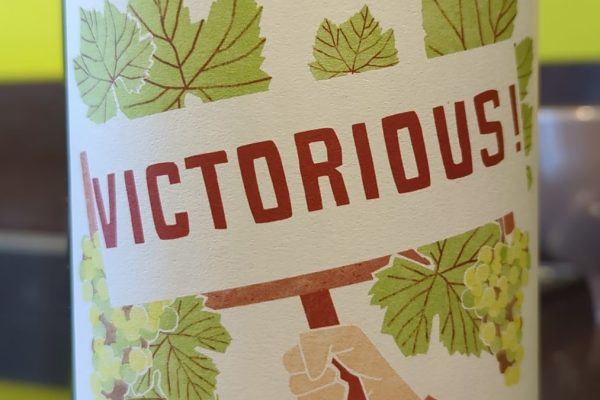
Victorious
This is an interesting new release from Domaine des Malandes, best known for its fine Chablis, though this wine takes a different direction. It’s made using a new grape variety and is produced with a strong focus on sustainability. The fruit comes from a single vineyard in Moulin-à-Vent, Beaujolais, owned by grower Richard Rottiers. The wine is made by his sister, Amandine Marchive, at the Malandes winery in Chablis. It’s produced entirely from Voltis, a hybrid grape originally introduced in Champagne. Voltis is well suited to warm, damp conditions and is valued for its disease resistance, which reduces the need…
-
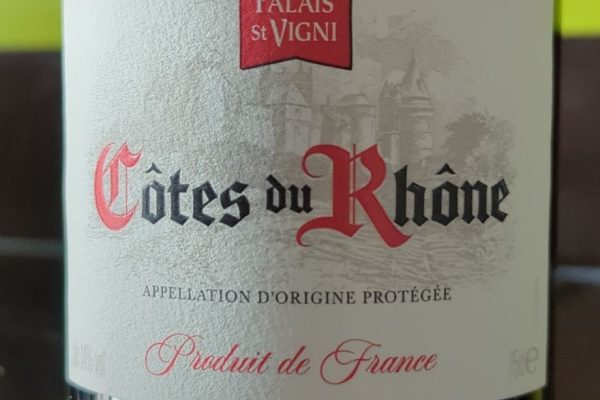
Palais St Vigni Côtes du Rhône
I first encountered this wine at the Tesco Autumn Winter Press Tasting, where it immediately stood out for being full of flavour and impressively priced. At the time I mentioned that it was supplied by Maison Johanès Boubée in France, which on further digging turns out to be part of Carrefour. They manage the logistics and exporting of this wine, which is actually bottled in France by Caves Saint-Ronain. This 2023 vintage is a blend of 60% Grenache, 30% Syrah and 10% Mourvèdre. This time, it began with a lovely red cherry aroma. However, it didn’t seem to offer much…
-
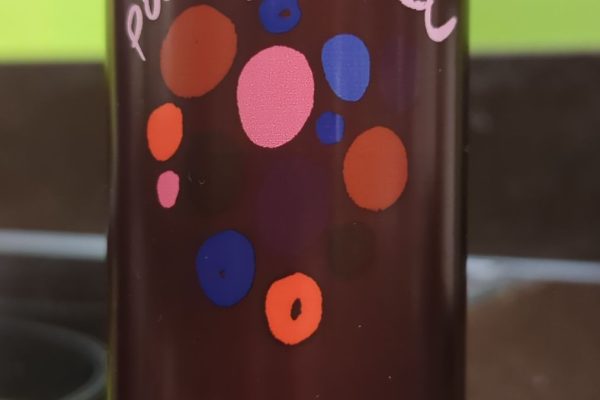
Poulsard Fruitiere Vinicole D’Arbois
Given to me at the end of The Wine Society press tasting tucked inside a goody bag this wine came in a can that suggested something far simpler perhaps a run-of-the-mill Merlot-style red. It was a surprise to find something far more engaging inside. This wine comes from Jura in eastern France produced by Fruitière Vinicole d’Arbois one of the country’s oldest co-operatives based in Arbois. It’s made entirely from Poulsard, also known locally as Ploussard, a red grape variety native to the region and grown almost nowhere else. Poulsard is known for its delicate skin and low pigment producing…
-
Moillard Crémant de Bourgogne Chardonnay
This 2021 vintage sparkling is wine made entirely from Chardonnay and produced in the traditional method by Moillard, one of Burgundy’s most historic and respected houses, established in the 18th century in Nuits-Saint-Georges. This vintage has spent twelve months on lees, going beyond the nine-month minimum required for Crémant, giving it extra depth and complexity. The wine has a pale golden yellow colour with a very energetic rush of bubbles at first pour, as shown in my photograph. Aromas are floral and nutty with hints of apple drifting through. On the tongue it is distinctly dry, with a bright acidic…
-

Château Méaume Matured Bordeaux Supérieur
Exclusively available at Majestic, this special release of Château Méaume has been introduced to honour 45 years of partnership between the winery and the retailer. It’s a significant bottle for both, marking a relationship that began in 1980 when the British owners, Alan and Sue Johnson-Hill, attended the opening of Majestic’s very first store. Their son, Mark, now leads the winemaking, taking the reins for this 2019 vintage. Made predominantly from Merlot grown near the famous regions of Pomerol and Saint-Émilion, this Bordeaux Supérieur benefits from low-yield vines and has been matured in oak for no less than a year.…
-
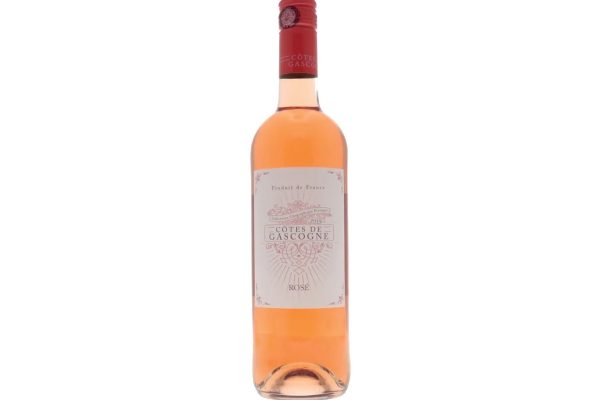
€0.01 Bottle of Wine in French Supermarket
In a Lidl supermarket in Sérignan in the Hérault region a 75 cl bottle of Côtes-de-Gascogne rosé was briefly on sale for €0.01, far below its normal price of about €2.99, sparking anger among local winegrowers. Lidl said the price was the result of an internal labelling error and removed the bottles once the issue was raised, but the label had presented the price as part of a “flash sale”. Farmers’ union representatives said the shockingly low figure undermines local producers already struggling with climate change and shifting drinking habits, and warned they would protest if similar pricing reappears in…
-

Champagne Bruno Paillard Cuvée 72
Last year I explored the superb Champagne Bruno Paillard Première Cuvée and now we turn to an evolution of that expression from the limited edition Champagne Bruno Paillard Late Disgorgement Collection, released to mark 40 years since the inception of their Perpetual Reserve. Where most Champagne houses store their reserve wines in isolation, at Maison Bruno Paillard they’ve long followed a different path. Each year, the newest vintage is blended into the existing reserves, creating a living and ever-evolving wine. This approach, inspired by the solera system used for wines like Sherry and Madeira, allows the reserve to build complexity…
-

Understanding Crémant
Crémant stands as a French example of how outstanding sparkling wine can be made outside the Champagne region. The term refers to quality traditional-method sparkling wines that are protected by appellation and produced in specific regions under detailed rules. In France, the Crémant producers’ federation brings together eight AOPs (L’Appellation d’origine protégée): Alsace, Bordeaux, Bourgogne, Die, Jura, Limoux, Loire and Savoie. For Crémant, grapes must be harvested by hand, the amount of juice obtained from pressing must not exceed 100 litres per 150 kilos of grapes, and the wines must undergo at least nine months’ ageing before release, with commercial…
Pick Lists
Majestic | The Wine Society | Tesco | Waitrose | Sainsbury’s | Morrisons | Co-op | Asda | Lidl | £7 and Under | Over £20
Did You Know?
Supermarkets remain the dominant purchasing channel, used by 77.8% of respondents. More
Champagne remains the leading celebratory sparkling wine at 33.4%, followed by Prosecco at 27.4% and English Sparkling wine at 20%. More
34% of people identify high wine prices as a leading frustration. More
Australian wine exports to China have collapsed from around $1.2 billion to less than $10 million. More
Wine’s aroma is not determined solely by which flavour compounds it contains. More
Low-to-moderate wine consumption is associated with lower mortality. More
Moderate water stress can be part of what creates flavour and terroir expression. More
Wine appears less frequently online than other alcoholic drinks. More
Independent retailers had 9% fewer customers in March 2026 than two years earlier. More
Average spend per bottle in independents has risen by 23% since 2019, compared with 21% in supermarkets. More.
Nearly a third (32%) of UK consumers say they have already used AI for alcoholic drinks advice. More
Among socially active wine buyers, 37% have bought a wine recommended online. More
In 2026, 72% of consumers now think wine knowledge is essential to appreciation, up 20 percentage points on 2025. More
Rías Baixas wines reached more than 107 countries in 2025 and exports represented 31 per cent of the denomination’s total sales. More
Light Strike Can Cause Wine Degradation in Just One Day. More
People actively adjust their wine choices depending on who might see them. More
In the UK, 73% of Alcohol is Bought From Retail Rather Than Hospitality. More
UK wine production reached 124,377 hectolitres that year, meaning the UK accounted for roughly 0.05 per cent of world output. More
For Crémant, grapes must be harvested by hand and the wines must undergo at least nine months’ ageing before release. More
In 2024, the UK was the second-largest export market for Champagne globally, after the United States. More
Local UK bottling of wine represents about 40% of imported wine. More
Around 1% of people, typically severe asthmatics, have a sulphite sensitivity. More
A large 80% of Australian wine arrives in the UK in bulk. More
Only about 0.02% of Australia’s landmass is dedicated to vineyards. More
In 2024, New Zealand produced only 1% of the World’s wine. More
In 2024, the US imported 37% of World production of Pinot Grigio and the UK was is in second place at 27%. More
In 2024, the UK was South Africa’s largest export market, with 40% of total exports. More
In 2024, the United Kingdom imported 22.3 million bottles of Champagne, a decline of 12.7% compared to the previous year. More
Larger Champagne producers source grapes from as many as 80 different vineyards throughout Champagne. More
Champagne houses and growers collectively produce around 300 million bottles annually. More
In 2025, the Champagne region was home to about 2,124 Champagne houses and approximately 19,000 growers. More
Provence is one of the leaders in the conversion to organic viticulture, with 61% of vineyards certified. More
8% of the South Africa’s grape production is Fairtrade-certified. More
Up to 80% of wine aroma compounds come from grape skins. More
Glycerol is the third-largest component of most dry wines after water and alcohol which is why they so often feel ‘smooth’ or ‘silky’ in the mouth. More
Humans are more than 400 times more sensitive to bitter than sweet. More
Humans can detect the earthy molecule geosmin at about 100 parts per trillion and camels are so sensitive to it they can locate damp ground from roughly 50 miles away. More
During the phylloxera crisis of the nineteenth century, 90% of Europe’s vineyards were destroyed. More
In 2025, for La Vieille Ferme, also known as “The Chicken Wine”, sales surged by 49.4% to £110.8 million. More
In 2025, in the UK, Yellow Tail held the top position with sales, marking a 9.8% increase over the previous year. More
In 2024, the UK was the second-largest wine importer in volume and value. More
In 2024, the UK was the fifth-largest wine-consuming country globally. More
In 2025, global wine consumption continued its downward trend, estimated at 214.2 million hectolitres, the lowest since 1961. More
In 2025, online alcohol sales had a 20% increase in value over five years. More
In 2025, the number of UK vineyards rose to 1,104 and wineries to 238, with land under vine expanding to 4,841 hectares, a 510% increase since 2005. More
Moët Hennessy alone commands nearly 46.66% of the Champagne market, with the top three producers together holding about 61%, and the top five controlling over 72%. More
In 2024, the Champagne market was worth roughly €3.92 billion. More
In the marketing year 2023/24, white wine accounted for roughly 55% of Spain’s output, whereas red and rosé together made up about 45%. More
In the UK, 92% of wine is consumed within 48hrs of purchase. More
The majority of wines, 95%, use commercial rather than wild yeast. More
Between 0.5 and 10 litres of water, per litre of wine, are needed for cleaning during winemaking. More
Machine harvesting can achieve up to 100 tons of fruit per day vs 1 ton for a human. More
In Germany, 2025 was the smallest wine vintage since 2010. More
The majority of vineyards, 90% in 2019, are farmed with heavy chemical interventions. Only 6% are organic. More
90% of low and coastal areas in south Europe and California will no longer be able to produce good wine by the end of the century. More
IMAGE WALL
Tools
Recent


Tags
25% Off Wine Aldi Amarone Argentina Articles Asda Australia Award Awards25 Bizarre Blog Books Bordeaux Bulk Bottling Cabernet Sauvignon Carménère Cava Champagne Chardonnay Chile Climate Change Coop Crémant Decanter DoctorWine Duty English Wine EPR Fairtrade Food France Germany Glossary Greece Health Italy IWSC Jeroboams Laithwaites Legislation Liberty Wines Lidl Low Alcohol M&S Majestic Malbec Merch Merlot Morrisons Natural Nero d'Avola News New Zealand Non-Alcoholic Ocado Old Vine Organic Past Tastings Pick List Pinotage Pinot Grigio Pinot Noir Port Portugal Primitivo Prosecco Regulations Research Reviews Ribera del Duero Riesling Rioja Ripasso Rose Sainsbury's Saperavi Sauvignon Blanc Shiraz Sicily South Africa Spain Sparkling Supermarkets Sustainable Tax Terroir Tesco The Wine Society Unrepresented USA Valpolicella Virgin Wines Waitrose Wanderlust Welsh Wine What to Buy Wine Art WineGB WIne Glasses Zinfandel