France
-
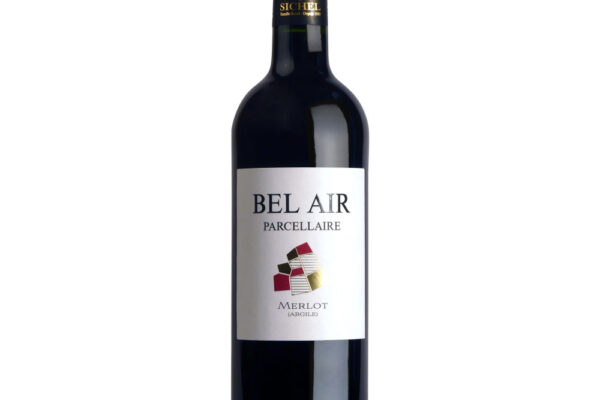
Bel Air Parcellaire Merlot
I couldn’t resist trying this new Bordeaux from the Coop. Made from 100% Merlot, the Bel Air Parcellaire Merlot 2023, from Maison Sichel, is made from their select vineyard plots renowned for producing high-quality wines with a distinctive terroir expression, particularly benefiting from clay soils typical of Bordeaux’s right bank. On the nose, it offers abundant raspberry aromas, leading to a soft, rich palate filled with very ripe cherry and rosehip notes. The mouthfeel is medium yet very round, thanks to the 14.5% alcohol content and the tannins remain light to medium and approachable. With no oak ageing, the wine’s…
-
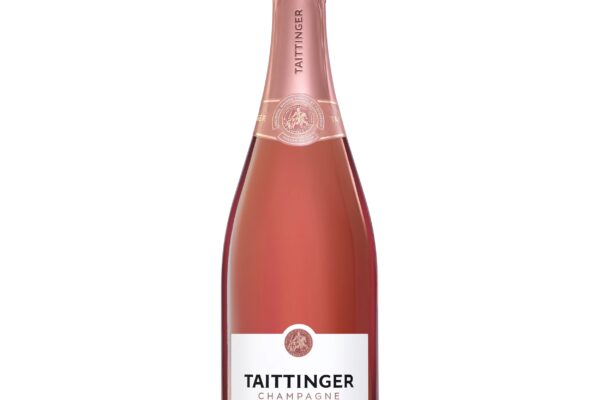
Taittinger Prestige Rosé
This Champagne, primarily from the 2019 vintage, is a blend of 45% Pinot Noir, 30% Chardonnay, and 25% Meunier, with an ABV of 12.5%. This wine has gained high praise, winning accolades from critics such as James Suckling, Wine Spectator, Decanter and Robert Parker. It has also earned a Gold Medal at the Concours des Vins and recognition from the Revue des Vins de France. The champagne’s striking salmon hue comes from the addition of 15% still red wine made from the finest Pinot Noirs of Montagne de Reims and Les Riceys. The colour is slightly deeper than your typical…
-
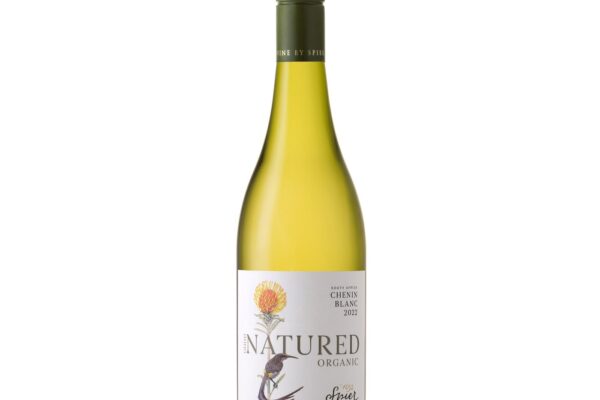
Global Chenin Blanc Masters 2024
The Global Chenin Blanc Masters competition recently highlighted the remarkable versatility of Chenin Blanc, which produces some of the finest sweet and dry white wines, both with and without oak, as well as sparkling wines. The Loire Valley is its historic home, producing notable sparkling and sweet wines, such as Crémant de Loire, sparkling Vouvray, and the late-picked sweet wines of Coteaux du Layon. South Africa, where Chenin Blanc is the most planted variety, also produces exceptional wines, particularly from old vines. Other regions like Canada, the USA and India are also producing high-quality Chenin Blanc. The wines that received…
-
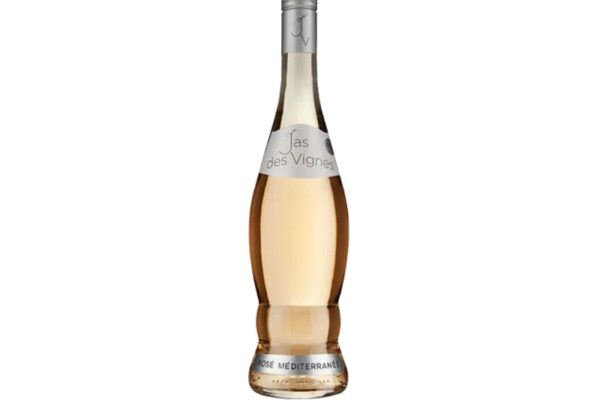
Jas des Vignes Rosé Méditerranée
This Provence-style rosé from Ravoire & Fils, a family-owned producer in the IGP Méditerranée region, is a blend of Grenache, Syrah and Cinsault. The main label sits proudly at the top of the bottle, drawing attention to its shapely bottle, a hallmark of Provence-style rosé bottles. The grapes are picked at night to preserve their aromatic integrity. It’s rated highly on Vivino with a commendable score of 3.9. It was commended by IWC in 2023. The Jas des Vignes Rosé 2023 delivers a dry palate that perfectly balances fruit and freshness. The initial taste is dominated by the notes of…
-
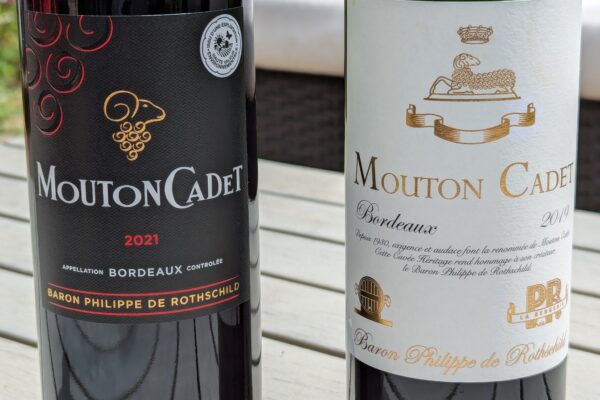
Mouton Cadet Bordeaux Reds
Mouton Cadet owes its reputation to the passion and enthusiasm of the Rothschild family. They have cultivated a legacy of winemaking over three generations. This review is a side-by-side tasting of two Mouton Cadet wines: the Mouton Cadet Classic Rouge 2021 and the Mouton Cadet Cuvée Heritage 2019. The Mouton Cadet Classic Rouge 2021, made by winemaker Jean-Pierre Charrut, is predominantly Merlot with a touch of Cabernet Sauvignon and Cabernet Franc, with an ABV of 12.5%. Visually, this wine presents a slightly browner hue than one might expect for its age. On the nose, it reveals a slight leather aroma.…
-

French Rosé Market Slows After Boom
Meininger’s is reporting that French rosé sales, which had seen significant growth, are now slowing down. The decline in sales is attributed to reduced purchasing power and adverse weather conditions in early summer 2023. Despite a drop in domestic sales and exports, regions like Provence and Pays d’Oc are focusing on premium segments and innovative production methods. While some areas experience stable or even increasing demand, others, like Bordeaux, face challenges from climate change and overproduction. Producers are adapting by targeting niche markets and developing high-quality, structured rosés.
-
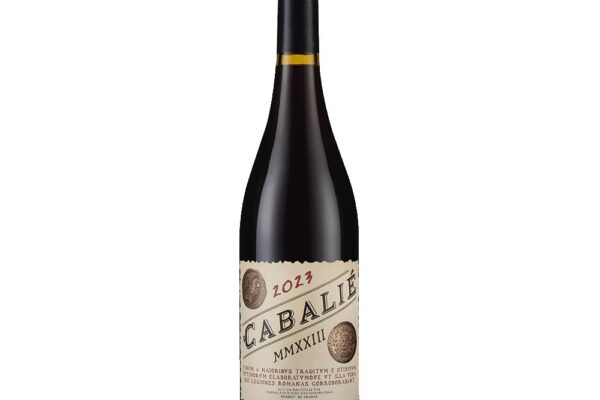
Cabalié
If you spend any time on Instagram browsing wine-related posts, in the UK, you’ll almost certainly come across this wine, often advertised by Laithwaites with an enticing offer to lure you into making your first purchase. But is it any good? This Languedoc-Roussillon red has a respectable 4.1 rating on Vivino and ranks #2 in the Top 25 Languedoc-Roussillon Red wines in the United Kingdom. The previous vintage even scored 5 stars at the Concours International Gilbert & Gaillard. Made by master winemaker Hervé Sabardeil, this wine follows the centuries-old style beloved by Roman centurions. It’s a blend of Grenache,…
-
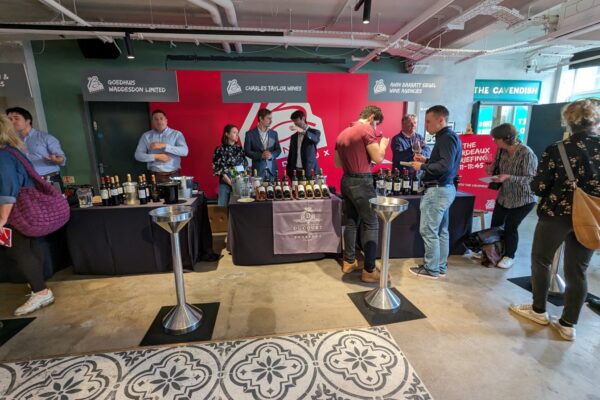
The Bordeaux Experience
On 1st May 2024, the inaugural event of Vins de Bordeaux’s new global campaign, ‘The Bordeaux Crew’ came to London, designed collaboratively by the region’s winemaking community. This initiative was supported by the Bordeaux Wine Council (CVIB) and aimed to engage both the wine industry and enthusiasts. The event showcased a curated selection of over 100 Bordeaux wines, ranging from modern interpretations to classic vintages. Attendees had the opportunity to explore the diverse portfolio of Bordeaux wine through various activities staged throughout the venue. Among the activities were pop-up talks, providing insights into Bordeaux’s winemaking traditions and innovations. A unique…
-
Understanding Bordeaux Wines
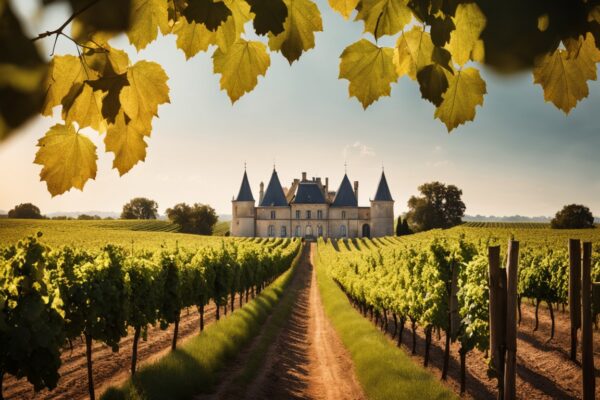
Located in the southwest of France, Bordeaux is renowned for its vast vineyards and historically significant châteaux. As the largest French region for quality wine production, Bordeaux’s influence stretches across centuries, shaping the taste and expectations of wine enthusiasts around the world. The Bordeaux wine industry is comprised of approximately 5,000 winemakers and 29 cooperative wine cellars, collectively employing over 60,000 people. The 2023 harvest yielded 3.8 million hectolitres, equivalent to about 512 million bottles of wine. The composition of the wines produced in 2023 was predominantly red, accounting for 81% of the total production. Dry white wines represented 11%,…
-
Affordable and Lesser-Known Bordeaux Wines to Try
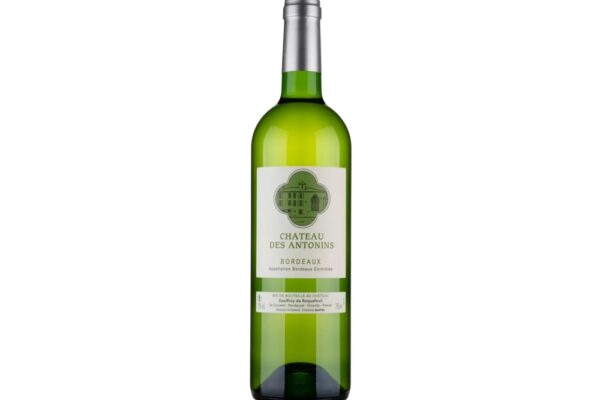
David Williams, writing for The Guardian newspaper, highlights a range of lesser-known and more affordable Bordeaux wines as the famous wine region prepares to showcase its 2023 vintage. Here are the wines he mentions, along with their prices and suppliers: Château des Antonins Bordeaux Blanc 2022 – This white wine offers a blend of tangy grapefruit, herbiness, and creamy weightiness. It is priced at £11.90 and available from Noble Green Wines. Chosen by Majestic Claret 2022 – A red Bordeaux that features refreshing plum succulence, priced at £10.99, or £8.99 if bought as part of a mixed case of six…
-
Co-op Irresistible Provence Rosé
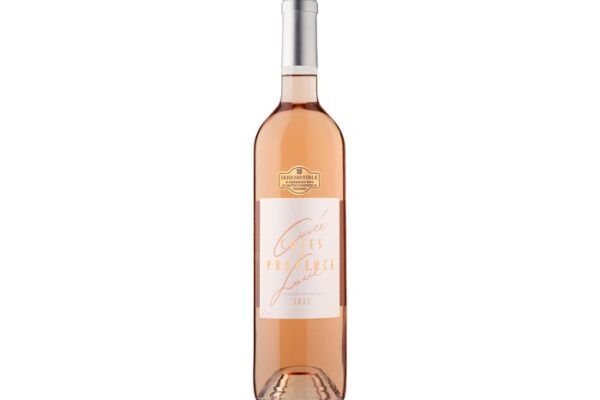
Produced by Les Maîtres Vignerons de Vidauban wine cooperative in the Côtes de Provence, this winery has been crafting wines for over a century. The 2022 vintage has 13% alcohol by volume and is vegan-friendly. This wine is distinguished by its delicate pale pink colour. The aroma is of small red fruits complemented by subtle floral notes, creating an inviting bouquet. The taste has a very fruity flavour profile that harmoniously combines with a pleasing acidity, making it very well balanced. This balance makes it versatile, pairing well with a variety of dishes including salads, pizza or spicy pasta dishes.…
-
Roche Lacour Crémant de Limoux
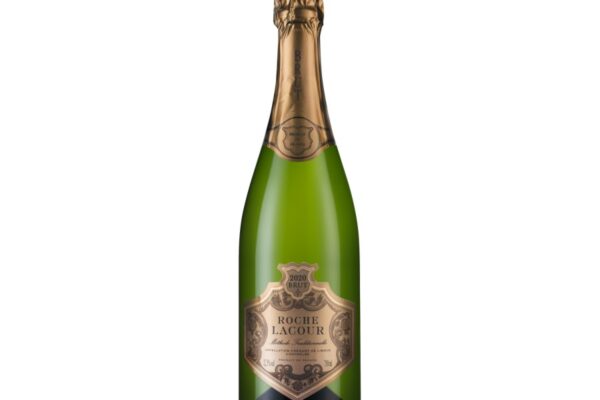
This sparkling wine captures the essence of the South of France, specifically from beneath the hills of Limoux. It is made from a blend of 60% Chardonnay, 20% Pinot Noir and 20% Chenin Blanc and is 12.5% ABV. This 2020 vintage heralds the return of Laurent Mingaud, its original winemaker, who brings his expertise back to this celebrated sparkling. One of the key aspects of the Roche Lacour Crémant de Limoux is its production method, which mirrors the meticulous process used for Grande Marque Champagne. This includes fermenting nearly half of the blend in oak, contributing to the wine’s distinctive…
-
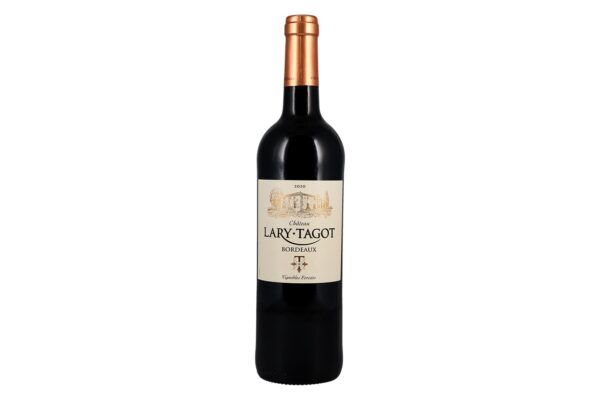
Red Bordeaux Wine From Supermarkets Under £20
The Scotsman has an article on Best red Bordeaux wine from supermarkets for under £20. The article discusses the author’s evolving appreciation for wine, particularly Bordeaux wines. Initially viewing Bordeaux as exclusive and expensive, the author, Rosalind Erskine, has discovered affordable and quality options available in supermarkets. The journey has highlighted both the traditional appeal of Bordeaux wines and the value found in lesser-known regions and producers, proving that quality does not always come with a high price tag. Here is a summary of the wines mentioned, along with their prices and suppliers. It’s strange two of them are not…
-
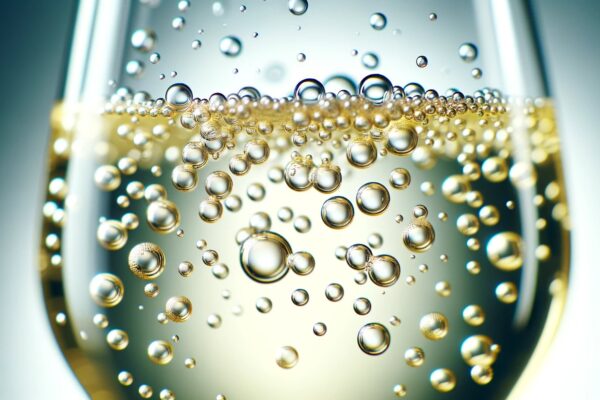
Champagne Industry 2023 Retrospective
Recent data has highlighted a notable shift in the Champagne market for the year 2023. Following three years of exceptional performance, Champagne shipments have reverted to pre-pandemic levels, with a total of 299 million bottles shipped, marking an 8.2% decrease from the previous year. The industry witnessed a significant slump in 2020 with an 18% decline due to the pandemic’s onset. This downturn was followed by a robust recovery, with sales soaring by 33% over the next two years, culminating in over 325 million bottles being shipped by the end of 2022. The 2023 figures, although lower, are still in…
-

Le Zeitgeist Trident
Le Zeitgeist Trident 2022, created by winemaker Eric Lanxade, is a representation of the terroir found in the French Pyrenees. Rated 3.7 on Vivino, this wine benefits from the alluvial river plains that contribute to its minerally rich soils. These conditions, coupled with the cooling influence of the Pyrenees, create an ideal environment for the cultivation of Sauvignon Blanc. Colombard and Gros Manseng in this blend. Originating from the IGP Cotes de Gascogne and fashioned in a modern style, the inclusion of Colombard introduces a zest and zing to the palate, Gros Manseng adds layers of complexity and Sauvignon Blanc…
-

Sparkling Wines From Three Continents
The 2023 holiday season gave me the opportunity to try a few affordable Champagne and sparkling wines from three different continents: Les Pionniers Non Vintage Champagne Les Pionniers Non Vintage Champagne is a great example of how quality and affordability can come together. Despite the Co-op’s discretion about its origins, it’s an open secret that this champagne is produced by Piper-Heidsieck, a fact underscored by its Silver Award at the International Wine Challenge and a high score of 92 from Decanter, acknowledging Régis Camus of Piper-Heidsieck for its creation. The champagne opens with a toasty, buttery nose, setting the stage…
-

French Winemakers Destroy Spanish Wine
The Telegraph newspaper has reported that, in a striking move against what they see as unfair competition, around 500 French wine makers from Narbonne and Perpignan stopped lorries importing Spanish wines at the border town of Boulou. They emptied thousands of gallons of rosé and smashed 10,000 bottles of Spanish sparkling wine on the roads. The protest was against the low prices of foreign wines, which they believe undercuts their own products. Frédéric Rouanet, president of a wine growers’ union, announced this as the beginning of an ‘economic war’ against cheap imports. The situation has been described by the wine…
-

French Wine Gold Medal Insights
The French online magazine TheLocal has an enlightening article (you can only view once before goes to paywall) on French wine gold medals that you might have seen on French wine bottles. In 2022, over 24,000 medals were awarded, originating from various wine competitions (les concours) held throughout France. These competitions require a fee for participation and wines are tasted blind by a panel of judges, typically four, who evaluate and score them. However, these medals do not guarantee quality. They indicate a group of judges found the wine superior to its peers in that particular competition. These medals are…
-

The French Wine Industry’s Battle Against Climate Change
According to an article in Nature, the French wine industry, a major part of French culture and economy, is grappling with the challenges posed by climate change. With its strict appellation d’origine contrôlée (AOC) system, which sets rigid rules about geography, grape varieties, and production techniques, the industry faces unique challenges. However, French wine-growers are not waiting for legislative changes. Instead, they are proactively seeking innovative solutions to adapt to the new climate realities. Spring buds in vineyards are emerging earlier due to warming March temperatures but frosts are still common in April. To protect the buds, some vineyard owners…
-

The Decline of Bordeaux Wine
The Bordeaux wine region of France is currently facing a myriad of challenges that threaten its position in the global wine market. Red wine consumption in France has seen a significant decline in recent decades. Many French consumers are now opting for alternative beverages like beer. While premium Bordeaux wines continue to find buyers, the demand for entry-level red wines has dwindled. This drop in demand has led to falling prices, making it more attractive for many vintners to uproot their vineyards and seek compensation rather than continue with wine production. In response to these challenges, the French government has…
Pick Lists
Majestic | The Wine Society | Tesco | Waitrose | Sainsbury’s | Morrisons | Co-op | Asda | Lidl | £7 and Under | Over £20
Did You Know?
Supermarkets remain the dominant purchasing channel, used by 77.8% of respondents. More
Champagne remains the leading celebratory sparkling wine at 33.4%, followed by Prosecco at 27.4% and English Sparkling wine at 20%. More
34% of people identify high wine prices as a leading frustration. More
Australian wine exports to China have collapsed from around $1.2 billion to less than $10 million. More
Wine’s aroma is not determined solely by which flavour compounds it contains. More
Low-to-moderate wine consumption is associated with lower mortality. More
Moderate water stress can be part of what creates flavour and terroir expression. More
Wine appears less frequently online than other alcoholic drinks. More
Independent retailers had 9% fewer customers in March 2026 than two years earlier. More
Average spend per bottle in independents has risen by 23% since 2019, compared with 21% in supermarkets. More.
Nearly a third (32%) of UK consumers say they have already used AI for alcoholic drinks advice. More
Among socially active wine buyers, 37% have bought a wine recommended online. More
In 2026, 72% of consumers now think wine knowledge is essential to appreciation, up 20 percentage points on 2025. More
Rías Baixas wines reached more than 107 countries in 2025 and exports represented 31 per cent of the denomination’s total sales. More
Light Strike Can Cause Wine Degradation in Just One Day. More
People actively adjust their wine choices depending on who might see them. More
In the UK, 73% of Alcohol is Bought From Retail Rather Than Hospitality. More
UK wine production reached 124,377 hectolitres that year, meaning the UK accounted for roughly 0.05 per cent of world output. More
For Crémant, grapes must be harvested by hand and the wines must undergo at least nine months’ ageing before release. More
In 2024, the UK was the second-largest export market for Champagne globally, after the United States. More
Local UK bottling of wine represents about 40% of imported wine. More
Around 1% of people, typically severe asthmatics, have a sulphite sensitivity. More
A large 80% of Australian wine arrives in the UK in bulk. More
Only about 0.02% of Australia’s landmass is dedicated to vineyards. More
In 2024, New Zealand produced only 1% of the World’s wine. More
In 2024, the US imported 37% of World production of Pinot Grigio and the UK was is in second place at 27%. More
In 2024, the UK was South Africa’s largest export market, with 40% of total exports. More
In 2024, the United Kingdom imported 22.3 million bottles of Champagne, a decline of 12.7% compared to the previous year. More
Larger Champagne producers source grapes from as many as 80 different vineyards throughout Champagne. More
Champagne houses and growers collectively produce around 300 million bottles annually. More
In 2025, the Champagne region was home to about 2,124 Champagne houses and approximately 19,000 growers. More
Provence is one of the leaders in the conversion to organic viticulture, with 61% of vineyards certified. More
8% of the South Africa’s grape production is Fairtrade-certified. More
Up to 80% of wine aroma compounds come from grape skins. More
Glycerol is the third-largest component of most dry wines after water and alcohol which is why they so often feel ‘smooth’ or ‘silky’ in the mouth. More
Humans are more than 400 times more sensitive to bitter than sweet. More
Humans can detect the earthy molecule geosmin at about 100 parts per trillion and camels are so sensitive to it they can locate damp ground from roughly 50 miles away. More
During the phylloxera crisis of the nineteenth century, 90% of Europe’s vineyards were destroyed. More
In 2025, for La Vieille Ferme, also known as “The Chicken Wine”, sales surged by 49.4% to £110.8 million. More
In 2025, in the UK, Yellow Tail held the top position with sales, marking a 9.8% increase over the previous year. More
In 2024, the UK was the second-largest wine importer in volume and value. More
In 2024, the UK was the fifth-largest wine-consuming country globally. More
In 2025, global wine consumption continued its downward trend, estimated at 214.2 million hectolitres, the lowest since 1961. More
In 2025, online alcohol sales had a 20% increase in value over five years. More
In 2025, the number of UK vineyards rose to 1,104 and wineries to 238, with land under vine expanding to 4,841 hectares, a 510% increase since 2005. More
Moët Hennessy alone commands nearly 46.66% of the Champagne market, with the top three producers together holding about 61%, and the top five controlling over 72%. More
In 2024, the Champagne market was worth roughly €3.92 billion. More
In the marketing year 2023/24, white wine accounted for roughly 55% of Spain’s output, whereas red and rosé together made up about 45%. More
In the UK, 92% of wine is consumed within 48hrs of purchase. More
The majority of wines, 95%, use commercial rather than wild yeast. More
Between 0.5 and 10 litres of water, per litre of wine, are needed for cleaning during winemaking. More
Machine harvesting can achieve up to 100 tons of fruit per day vs 1 ton for a human. More
In Germany, 2025 was the smallest wine vintage since 2010. More
The majority of vineyards, 90% in 2019, are farmed with heavy chemical interventions. Only 6% are organic. More
90% of low and coastal areas in south Europe and California will no longer be able to produce good wine by the end of the century. More
IMAGE WALL
Tools
Recent
Tags
25% Off Wine Aldi Amarone Argentina Articles Asda Australia Austria Award Awards25 Bizarre Blog Books Bordeaux Bulk Bottling Cabernet Sauvignon Carménère Cava Champagne Chardonnay Chile Climate Change Coop Crémant Decanter DoctorWine Duty English Wine EPR Fairtrade Food France Germany Glossary Greece Health Hungary Italy IWSC Jeroboams Laithwaites Liberty Wines Lidl Low Alcohol M&S Majestic Malbec Merch Morrisons Natural Nero d'Avola News New Zealand Non-Alcoholic Ocado Old Vine Organic Past Tastings Pick List Pinotage Pinot Grigio Pinot Noir Port Portugal Primitivo Prosecco Regulations Research Reviews Ribera del Duero Riesling Rioja Ripasso Rose Sainsbury's Saperavi Sauvignon Blanc Shiraz Sicily South Africa Spain Sparkling Supermarkets Sustainable Tax Terroir Tesco The Wine Society Unrepresented USA Valpolicella Virgin Wines Waitrose Wanderlust Welsh Wine What to Buy Wine Art WineGB WIne Glasses Zinfandel