
Simon Judge
-

Love Champagne
-
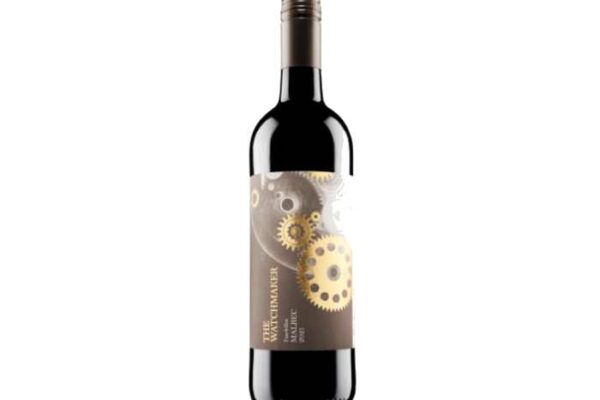
The Watchmaker Tourbillion Malbec
The Watchmaker Tourbillion Malbec demonstrates the expertise of winemaker, Stephen Huse. With a prestigious background that includes stints at renowned Bordeaux wineries such as Châteaux Margaux and Mouton-Rothschild, as well as the acclaimed Harlan Estate in the USA, Huse brings a wealth of experience to this Argentinian offering. Originating from Mendoza, this Malbec is a blend of grapes from three distinct parcels: one near the town, another on the valley floor, and a third from the coveted slopes of Mount Tupungato. This careful selection of terroirs contributes to the wine’s unique character. It has been rated a respectable 3.9 on…
-
Researchers Have Taught AI to Understand Wine Tasting
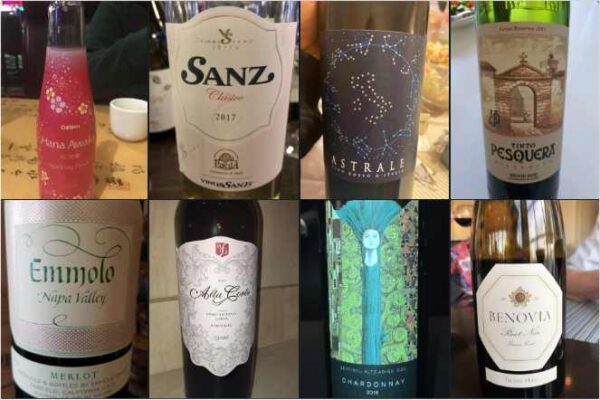
There has been a significant advancement in artificial intelligence (AI) related to wine tasting. Researchers at the University of Copenhagen’s Pioneer Centre for AI, along with collaborators from the Technical University of Denmark (DTU) and Caltech, have successfully trained an algorithm to predict individual wine preferences based on human taste perceptions. The study explains how this was achieved through wine-tasting events where participants ranked wines based on their taste similarities. The data from these events was combined with extensive wine label and user review information provided by the wine app Vivino. This includes 897,000 images of wine labels and 824,000…
-

Wines for Your Christmas Table
On 15th December 2023, from 7:00 to 8:30 pm, the Wine Society is hosted a free online event. Hosted by Emma Briffett and Catherine Housden, this festive session guided attendees on the best wines to pair with Christmas meals, from the rich Christmas pudding to the Boxing Day ham and even sprouts. The session aimed to provide solutions to festive food and wine matching dilemmas. The Wine Society presented a range of wines and dishes for demonstration, inviting participants to join in with their chosen selections. A YouTube recording is available to members and non-members.
-

Specially Selected Valpolicella Ripasso Superoire
The Specially Selected Valpolicella Ripasso Superiore from Aldi uses the traditional Ripasso technique for an added richness and depth, a characteristic feature of the process where the wine undergoes a second fermentation. It’s created predominantly from 75% Corvina, complemented by 20% Corvinone and 5% Rondinella. I tried the 2021 vintage. Olly Smith noted the 2019 vintage had flavours of cloves, sweet cherry and an almond-like flourish. The 2021 iteration mirrors these flavour profiles, maintaining a similar taste. However, it does not entirely match the stature of any of the more premium wines I tasted in Amarone Calling. This version, though…
-

Understanding Rioja
The Rioja region of Spain stretches from Tormantos to Alfaro and represents a tapestry of diverse climates, terrains and winemaking traditions. The 100 km expanse between these western and eastern limits encompasses the Atlantic and Mediterranean climates, fostering a unique environment for viticulture. The name ‘Rioja’ comes from the River Oja (Rio Oja in Spanish), which flows through the region. The region’s vineyards are beautifully arranged on hillside terraces, reaching altitudes of up to 900m. The Rioja wine region is a mosaic of 571 wineries distributed across 144 municipalities in three different Autonomous Communities: La Rioja, the Basque Country, and…
-

Finding Good Value
Victoria Moore, a wine correspondent from the Telegraph Newspaper, discusses the impact of inflation on wine prices in her recent article (article might be behind paywall by the time you read this). She notes that British shoppers are typically thrifty when buying wine, often seeking the best deals, particularly in supermarkets. Moore acknowledges the challenge in assessing the value of wine due to three main factors: general inflation, the increased cost of materials like glass and a significant duty rise on wine. It is suggested that to maintain the same quality of wine as 18 months ago, consumers should expect…
-

Innovations and Trends in Modern Food and Wine Pairing
A new study titled “Exploring the Sensory Synergy of Gastronomy: A Comprehensive Review of Contemporary Trends and Practices in Food and Wine Pairing” provides an in-depth analysis of the evolving landscape of gastronomy, with a focus on the art of food and wine pairing in contemporary culinary practices. The study employs both qualitative and quantitative methods, analysing data from culinary experts, sommeliers and gastronomic literature, as well as consumer preferences and industry trends. Key findings include a significant shift from traditional pairing paradigms to more innovative and experimental approaches. This shift is influenced by molecular gastronomy, cultural fusions, personal preferences…
-
Grape Wine Glass
-

Pepperjack Shiraz
Pepperjack Shiraz 2021 from Barossa, Australia is a robust offering that is reflected in its strong 14.5% ABV. Pepperjack, since its inception in 1998 with Barossa Shiraz, has evolved, originally catering to an exclusive clientele in bars and restaurants before broadening its reach and acclaim. The 2020 vintage received favourable reviews, with James Button of Decanter highlighting its ripe blackcurrant notes and balsamic freshness, leading to a peppery, plummy finish. This new vintage has gone down well, securing a 3.9 rating on Vivino and earning a spot among Vivino’s top 24 South Australian Shiraz wines in the United Kingdom. I…
-

Augmented Reality for Wine Labelling
Researchers in Greece have explored the use of Augmented Reality (AR) technologies in the marketing of wine, specifically focusing on the creation of innovative consumer-oriented experiences through augmented ‘live’ wine labels. AR apps allow users to interact with wine labels in a novel way. The research (PDF) aims to assess the impact of AR smartphone applications embedded in wine labels on consumer experience, satisfaction, re-usage intentions, attitude and purchase intentions towards the wine product. There’s a growing importance of AR and VR technologies in various fields, including marketing and advertising. In the food and drink industry, AR can be used…
-
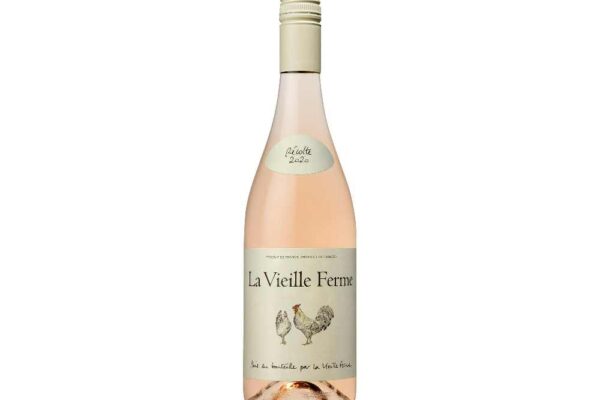
La Vieille Ferme Rosé
La Vieille Ferme Rosé is a blend of Cinsault, Grenache and Shiraz/Syrah. Despite its modest 3.6 rating on Vivino, it comes recommended by the Telegraph newspaper and proved to be a pleasant discovery. The wine has a floral aroma and the taste distinguishes itself with its dryness, a quality that isn’t always associated with rosé wines. The flavour is peachy/nectarine, offering a fresh and fruity experience that works well both as a standalone drink and as an accompaniment to food. This rosé is available at several major supermarkets in the UK, including Sainsbury’s, Tesco, Waitrose, Iceland, Morrisons and Asda. There…
-

Factors That Determine Wine Quality
A recent study “Machine Learning for Predicting Wine Quality and its Key Determinants Based on Physicochemical Properties” (PDF download) by Domonkos Frigyes Török, explores the role of various properties in determining wine quality. Sulphates, pivotal in the wine’s preservation and flavour profile, actually play a dual role as both preservatives and taste enhancers. They contribute significantly to the wine’s complexity and longevity when balanced correctly, but excessive amounts can lead to undesirable tastes. Alcohol content is another crucial factor, influencing the wine’s taste, texture and aroma. It adds body, richness, and a velvety texture, enhancing the wine’s overall mouthfeel. However,…
-

The Role of Quercetin in Red Wine Headaches
Headaches triggered by red wine, commonly known as ‘red wine headaches’, is the focus of a study by UC Davis scientists. They suggest that these headaches, which can occur within minutes to a few hours after drinking even a small glass of red wine, might be due to a flavanol called quercetin. This substance, found naturally in red wines, fruits, and vegetables, may interfere with alcohol metabolism when converted to quercetin glucuronide in the bloodstream, leading to the build up of the toxin acetaldehyde. This toxin is known to cause symptoms like headaches and nausea. The study also notes that…
-
Understanding Valpolicella and Amarone
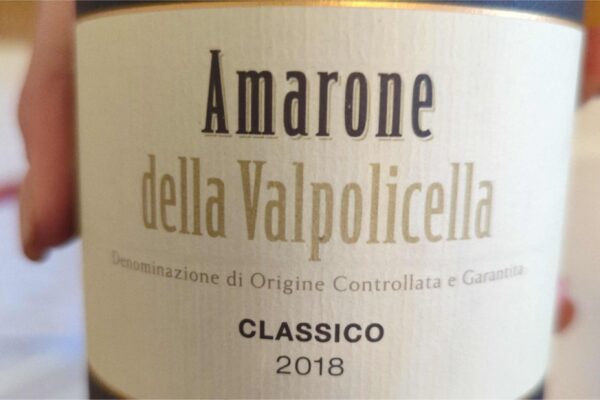
Valpolicella is a wine-producing region in Italy combining traditional techniques with the variable geography of the Verona province. Located between the Lessini Mountains and Lake Garda, Valpolicella’s landscape has a varying terrain – mountainous areas, hilly vineyards and fertile valley floors. In 2020, this region boasted a large €600 million turnover, with a significant 70% of its wine exported to 87 countries, demonstrating its global appeal. Valpolicella’s wine production uses diverse grape varieties, each contributing unique qualities to the final blends: Valpolicella has four main wine styles: Amarone and Recioto use the Appassimento technique. Grapes are specially selected and laid…
-

Amarone Calling
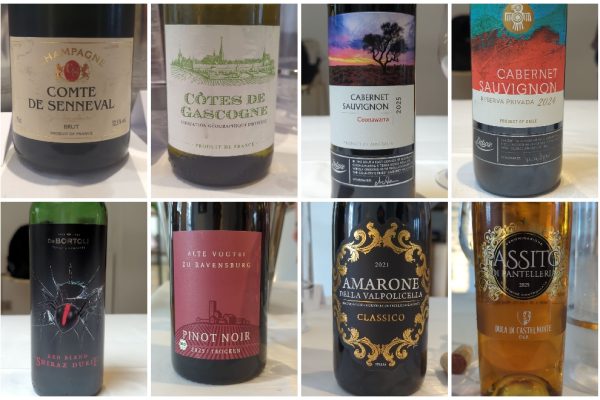
On 20th November 2023 I attended the ‘Amarone Calling’ tasting, a collaboration between the UK Sommelier Association and the Consorzio Tutela Vini Valpolicella, the Italian organisation dedicated to promoting and controlling the appellation of Valpolicella wines. The event focused on showcasing a range of Valpolicella and Amarone wines, offering a unique opportunity to explore these wines. Attendees entered the event with little prior information on the specific wines to be tasted, making it more of a spontaneous exploration rather than a pre-planned tasting journey. This approach, while somewhat challenging for those such as myself looking to target wines based on…
-
Reviving the Riches of Australian Shiraz
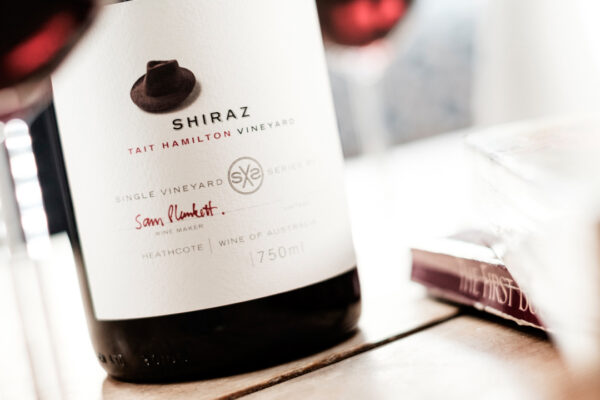
Fiona Beckett from the Guardian Newspaper has an article on Australian Shiraz. In the 1990s, her favourite red wine was Australian shiraz, admired for its voluptuous, ripe and smooth qualities. However, tastes evolved and these wines became known as too sweet and jammy. However, recently, at a wine tasting, Fiona was impressed with the quality and reasonable pricing of mid-priced Shiraz noting their superiority over Malbecs in the same price range. The abundance of Shiraz in Australia, a result of an oversupplied market since China imposed import duties in 2020, has benefited the markets such as the UK, Australia’s top…
-
Top 100 Winners
The Wine Merchant Magazine runs an annual competition where a selected panel of independent merchants blind-taste their way through more than 1,000 wines. The result is a great list of wines (also available as a magazine supplement) which arguably is the best of the best. Here are the value wines from the list: Best Value Red Trophy: Zuccardi Los Olivos Malbec, Mendoza 2020 (£12.90, Hatch Mansfield)Best Value White Trophy: Wildeberg Wild House Chenin Blanc, Western Cape 2022 (£8.99, Boutinot)Best Value Sparkling Trophy: Global Wines Portugal Cabriz Espumante Brut 2017 (£16.50 Marta Vine) These wines are stocked by many independent specialist…
-
Wine in Grapes
-

From Wine Lees to Jelly Sweets
Researchers in Turkey have discovered an innovative and sustainable use for winery waste, specifically wine lees, which are residues left over after the fermentation process in winemaking. This waste material, primarily comprising dead yeast cells, has been found to be a promising natural colouring agent for gelatine-based sweets, offering both cost-effectiveness and health benefits. This discovery, outlined in a study published in the Journal of the Science of Food and Agriculture, highlights the potential of wine lees as a low-cost alternative to synthetic food colourants commonly used in the confectionery industry. The study revealed that wine lees not only improved…
Pick Lists
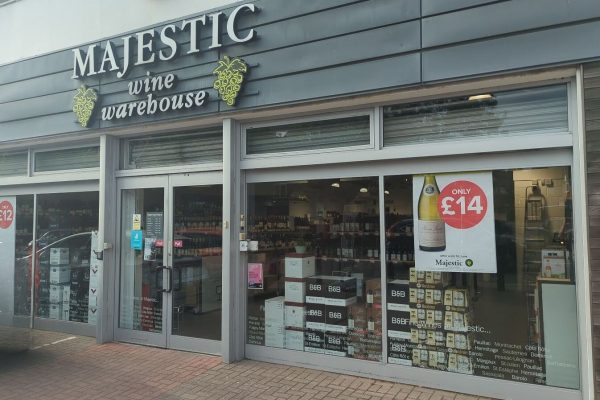
Majestic | The Wine Society | Tesco | Waitrose | Sainsbury’s | Morrisons | Co-op | Asda | Lidl | £7 and Under | Over £20
Did You Know?
Australian wine exports to China have collapsed from around $1.2 billion to less than $10 million. More
Wine’s aroma is not determined solely by which flavour compounds it contains. More
Low-to-moderate wine consumption is associated with lower mortality. More
Moderate water stress can be part of what creates flavour and terroir expression. More
Wine appears less frequently online than other alcoholic drinks. More
Independent retailers had 9% fewer customers in March 2026 than two years earlier. More
Average spend per bottle in independents has risen by 23% since 2019, compared with 21% in supermarkets. More.
Nearly a third (32%) of UK consumers say they have already used AI for alcoholic drinks advice. More
Among socially active wine buyers, 37% have bought a wine recommended online. More
In 2026, 72% of consumers now think wine knowledge is essential to appreciation, up 20 percentage points on 2025. More
Rías Baixas wines reached more than 107 countries in 2025 and exports represented 31 per cent of the denomination’s total sales. More
Light Strike Can Cause Wine Degradation in Just One Day. More
People actively adjust their wine choices depending on who might see them. More
In the UK, 73% of Alcohol is Bought From Retail Rather Than Hospitality. More
UK wine production reached 124,377 hectolitres that year, meaning the UK accounted for roughly 0.05 per cent of world output. More
For Crémant, grapes must be harvested by hand and the wines must undergo at least nine months’ ageing before release. More
In 2024, the UK was the second-largest export market for Champagne globally, after the United States. More
Local UK bottling of wine represents about 40% of imported wine. More
Around 1% of people, typically severe asthmatics, have a sulphite sensitivity. More
A large 80% of Australian wine arrives in the UK in bulk. More
Only about 0.02% of Australia’s landmass is dedicated to vineyards. More
In 2024, New Zealand produced only 1% of the World’s wine. More
In 2024, the US imported 37% of World production of Pinot Grigio and the UK was is in second place at 27%. More
In 2024, the UK was South Africa’s largest export market, with 40% of total exports. More
In 2024, the United Kingdom imported 22.3 million bottles of Champagne, a decline of 12.7% compared to the previous year. More
Larger Champagne producers source grapes from as many as 80 different vineyards throughout Champagne. More
Champagne houses and growers collectively produce around 300 million bottles annually. More
In 2025, the Champagne region was home to about 2,124 Champagne houses and approximately 19,000 growers. More
Provence is one of the leaders in the conversion to organic viticulture, with 61% of vineyards certified. More
8% of the South Africa’s grape production is Fairtrade-certified. More
Up to 80% of wine aroma compounds come from grape skins. More
Glycerol is the third-largest component of most dry wines after water and alcohol which is why they so often feel ‘smooth’ or ‘silky’ in the mouth. More
Humans are more than 400 times more sensitive to bitter than sweet. More
Humans can detect the earthy molecule geosmin at about 100 parts per trillion and camels are so sensitive to it they can locate damp ground from roughly 50 miles away. More
During the phylloxera crisis of the nineteenth century, 90% of Europe’s vineyards were destroyed. More
In 2025, for La Vieille Ferme, also known as “The Chicken Wine”, sales surged by 49.4% to £110.8 million. More
In 2025, in the UK, Yellow Tail held the top position with sales, marking a 9.8% increase over the previous year. More
In 2024, the UK was the second-largest wine importer in volume and value. More
In 2024, the UK was the fifth-largest wine-consuming country globally. More
In 2025, global wine consumption continued its downward trend, estimated at 214.2 million hectolitres, the lowest since 1961. More
In 2025, online alcohol sales had a 20% increase in value over five years. More
In 2025, the number of UK vineyards rose to 1,104 and wineries to 238, with land under vine expanding to 4,841 hectares, a 510% increase since 2005. More
Moët Hennessy alone commands nearly 46.66% of the Champagne market, with the top three producers together holding about 61%, and the top five controlling over 72%. More
In 2024, the Champagne market was worth roughly €3.92 billion. More
In the marketing year 2023/24, white wine accounted for roughly 55% of Spain’s output, whereas red and rosé together made up about 45%. More
In the UK, 92% of wine is consumed within 48hrs of purchase. More
The majority of wines, 95%, use commercial rather than wild yeast. More
Between 0.5 and 10 litres of water, per litre of wine, are needed for cleaning during winemaking. More
Machine harvesting can achieve up to 100 tons of fruit per day vs 1 ton for a human. More
In Germany, 2025 was the smallest wine vintage since 2010. More
The majority of vineyards, 90% in 2019, are farmed with heavy chemical interventions. Only 6% are organic. More
90% of low and coastal areas in south Europe and California will no longer be able to produce good wine by the end of the century. More
IMAGE WALL
Tools
Recent




Tags
25% Off Wine Aldi Amarone Argentina Articles Asda Australia Austria Award Awards25 Bizarre Blog Books Bordeaux Bulk Bottling Cabernet Sauvignon Carménère Cava Champagne Chardonnay Chile Climate Change Coop Crémant Decanter Duty English Wine EPR Fairtrade Food France Germany Glossary Greece Health Hungary Italy IWSC Jeroboams Laithwaites Legislation Liberty Wines Lidl Low Alcohol M&S Majestic Malbec Merch Merlot Morrisons Natural Nero d'Avola News New Zealand Non-Alcoholic Ocado Old Vine Organic Past Tastings Pick List Pinotage Pinot Grigio Pinot Noir Port Portugal Primitivo Prosecco Research Reviews Ribera del Duero Riesling Rioja Ripasso Rose Sainsbury's Saperavi Sauvignon Blanc Shiraz Sicily South Africa Spain Sparkling Supermarkets Sustainable Tax Terroir Tesco The Wine Society Unrepresented USA Valpolicella Virgin Wines Waitrose Wanderlust Welsh Wine What to Buy Wine Art WineGB WIne Glasses Zinfandel