
Simon Judge
-

Charmat Method
The Charmat method, also known as the tank method or cuve close, is a sparkling wine production technique used to create effervescent wines like Prosecco. This method takes its name from its inventor, Eugène Charmat, a French winemaker who developed the process in the early 20th century. In the Charmat method, a still base wine is initially made through grape fermentation. Subsequently, the base wine is transferred to a pressurised stainless steel tank, where yeast and sugar are added to induce a second fermentation, resulting in the production of carbon dioxide, which is trapped in the closed tank to carbonate…
-

Worn Wall Wine
-

AI-Assisted Wine Discovery
Last year, the BBC highlighted the growing trend of AI-powered wine recommendation apps, such as FinpåVin, which are changing the way people select their next bottle of wine. However, Sippd, a notable application in this field, has recently shut down, raising doubts about the necessity of such technology for simplifying the process of choosing wine. The story of Sippd, created by Blake Hershey, illustrated the demand for innovative solutions in the wine industry. Hershey recognised the difficulty individuals faced in choosing wine without extensive knowledge or advice. This led to the creation of Sippd, which offered a personalised journey in…
-

Vines in a Cold Climate
‘Vines in a Cold Climate’ by Henry Jeffreys is an exploration into the world of viticulture in the United Kingdom. Cleverly titled as a nod to Nancy Mitford’s “Love in a Cold Climate,” the book looks into the complexities and nuances of establishing a successful vineyard in a climate traditionally considered unsuitable for wine production. Jeffreys illustrates the significant time and financial investment required to create a scalable vineyard. He emphasises how the shifting climate has become increasingly favourable for wine production in higher latitudes. The book shines a spotlight on the diverse players in this evolving industry, including companies…
-

Canyon Springs Old Vine Zinfandel
The Canyon Springs Old Vine Zinfandel 2020 is bottled and cellared by the rather elusive Eagle Rock Vineyards, as I couldn’t find much about them online. However, with a commendable 3.9 score on Vivino, it’s clear this wine is popular among tasters. At first, the wine greets you with an inviting bouquet of red berries. The taste is a mix of fruit and oak accompanied by undertones of blackcurrant, vanilla and chocolate. The Telegraph’s comparison to black wine gums is spot on. Despite its full-bodied nature, this Zinfandel shies away from boldness, favouring a softer approach due to its unusually…
-

Pét-Nat
Pétillant Naturel, commonly known as Pét-Nat, is a unique style of sparkling wine. The term translates from French to “naturally sparkling,” and this wine is notable for its ancient method of production. The Pét-Nat method, also referred to as Méthode Ancestrale, dates back to the early 16th century in Limoux, South France, originally used by winemaking monks. The production of Pét-Nat involves bottling wine that is only partially fermented. This allows the remaining fermentation to continue in the bottle, generating natural carbon dioxide which results in the wine’s effervescence. Unlike the traditional-method sparkling wines like Champagne, which undergo a second…
-

La Toile Vierge
La Toile Vierge, a French wine, comes in both red and white varieties. Despite being classified under the seemingly modest Vin de France appellation, these wines transcend their classification, proving that sometimes, greater freedom for the winemaker can yield better results. The red variant is based on Grenache and is medium bodied. It is highly aromatic, with a red berry fragrance being particularly notable. The person behind this wine is Iain Munson MW, an accomplished winemaker with a wealth of experience. His journey began with studies in Oenology at Montpellier in 1993, but it wasn’t until 2000 that he ventured…
-
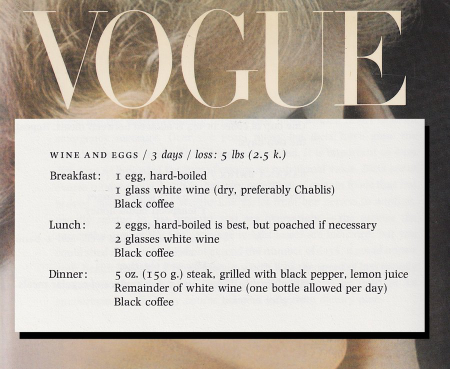
Wine and Eggs Diet Ineffective
The ‘wine and eggs’ diet has recently been highlighted as the most ineffective diet in a survey of 2,000 British dieters. This diet, which made a comeback on social media after originally appearing in Vogue magazine, suggests a daily intake of three to five eggs and a bottle of wine. It scored a 50 percent on the futility scale, surpassing even the ‘baby food diet’, which involves substituting regular meals with baby food and was popular among celebrities. This latter diet scored 49 percent on the same scale. This research was carried out by Perspectus Global and commissioned by MyFitnessPal.…
-

Le Zeitgeist Trident
Le Zeitgeist Trident 2022, created by winemaker Eric Lanxade, is a representation of the terroir found in the French Pyrenees. Rated 3.7 on Vivino, this wine benefits from the alluvial river plains that contribute to its minerally rich soils. These conditions, coupled with the cooling influence of the Pyrenees, create an ideal environment for the cultivation of Sauvignon Blanc. Colombard and Gros Manseng in this blend. Originating from the IGP Cotes de Gascogne and fashioned in a modern style, the inclusion of Colombard introduces a zest and zing to the palate, Gros Manseng adds layers of complexity and Sauvignon Blanc…
-

Young Britons Lead the Surge in Low and No Alcohol Drinks
Harpers is reporting revealing insight into the changing habits of UK drinkers. The latest YouGov poll, conducted in partnership with the Portman Group, has highlighted a significant shift towards low and no alcohol beverages, particularly among the younger generation. The survey, now in its sixth year, shows that nearly half of the 18-24 age group, at 44%, are either occasional or regular consumers of alcohol alternatives. This marks a substantial increase from 31% in the previous year, underscoring a growing trend among young adults. This demographic is now emerging as the most sober age group in the UK, with 39%…
-
Turning Winery Wastes into Wealth
There’s new, interesting research from the University of Aveiro, Portugal, into the waste products, wine residues, from creating wine and how they can can be re-used to provide for more sustainable production. Wine residues are a complex mix of grape stalks, pomace (the solid remains of grape pressing), lees and wastewater. They are not just a disposal problem but a source valuable resources. The journey of transforming wine waste into wealth begins with an understanding of its composition. Grape stalks, a significant portion of this waste, are rich in cellulose, hemicelluloses and lignin. Traditionally, they were either discarded or used…
-
Very Red
-

Virgin Wines London Wine Tasting
Virgin Wines is set to host a wine tasting event in London on Saturday, 5th October 2024. The event is scheduled from 12:00 noon to 4:00 pm at Lindley Hall, located on Elverton Street in London, SW1P 2QW. This event will be featuring an exclusive range of hand-crafted, boutique wines. In addition to these unique selections, attendees will also have the opportunity to taste some of the top customer favourites, as well as a variety of Champagne and sparkling wines. For those seeking guidance or looking to expand their knowledge of wines, Virgin Wine’s personal wine advisors will be on…
-

Sparkling Wines From Three Continents
The 2023 holiday season gave me the opportunity to try a few affordable Champagne and sparkling wines from three different continents: Les Pionniers Non Vintage Champagne Les Pionniers Non Vintage Champagne is a great example of how quality and affordability can come together. Despite the Co-op’s discretion about its origins, it’s an open secret that this champagne is produced by Piper-Heidsieck, a fact underscored by its Silver Award at the International Wine Challenge and a high score of 92 from Decanter, acknowledging Régis Camus of Piper-Heidsieck for its creation. The champagne opens with a toasty, buttery nose, setting the stage…
-
Redefining Wine Marketing
Lulie Halstead, a prominent figure in the wine business, recently addressed the New Zealand Winegrowers Business Forum, sharing valuable insights from her 25-year experience in the industry. She highlighted a common mistake in wine marketing: the tendency of marketers to project their own preferences onto consumers, leading to a misalignment between what is offered and what consumers actually seek. Halstead emphasised the importance of true differentiation in the market, noting that quality alone is not a sufficient differentiator, as many producers globally can claim high-quality products. She advised wine companies to focus on understanding their consumers deeply, using cost-effective methods…
-
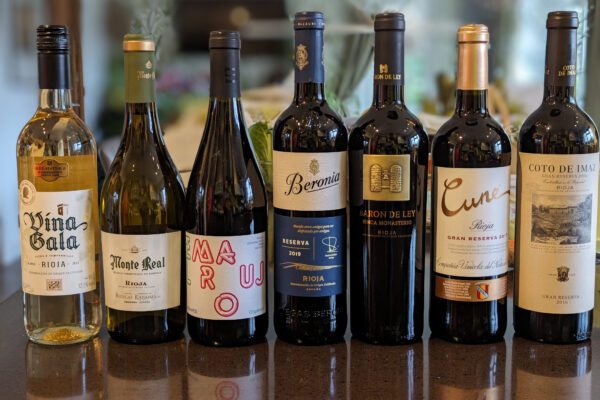
Rioja Tasting
In the midst of a December devoid of trade wine tastings, I found myself inspired to organise a Rioja wine tasting. Consisting of seven family members and friends, all of whom share my enthusiasm for wine, we embarked on a journey through the flavours of Rioja. Accompanied by an array of tasty Spanish tapas, our tasting session featured a curated selection of both white and red Rioja wines. The insights shared here represent a collective blend of our experiences and opinions. For those new to the world of Rioja wines, I recommend starting with my previous article, Understanding Rioja, which…
-

Italy Launches Campaign to Educate Britons on Prosecco Label
Italy has initiated a campaign to educate Britons on the correct use of the term ‘Prosecco’. The Italian DOC Consortium launched an advertising campaign in London emphasising that Prosecco is a geographically protected label, reserved for sparkling wines produced in specific Italian regions. The campaign, displayed in over 80 locations in London, aims to reach over 15 million people. The move follows legal victories to protect the Prosecco designation, amidst rising popularity of other sparkling wines in Britain.
-

Pint-Sized Wine Bottles for the UK
The BBC has an article describing a forthcoming change in the UK’s regulations regarding the size of wine bottles post-Brexit. The government has announced that still and sparkling wines will be available in pint-sized (568ml) bottles. This change, resulting from the departure from EU laws, is aimed at offering more variety to consumers. Previously, EU regulations required that imperial measurements be displayed alongside metric ones, but they couldn’t be more prominent. This led to the infamous case of the “metric martyrs,” traders who faced legal action for selling goods in imperial units only. The new legislation, to be introduced in…
-
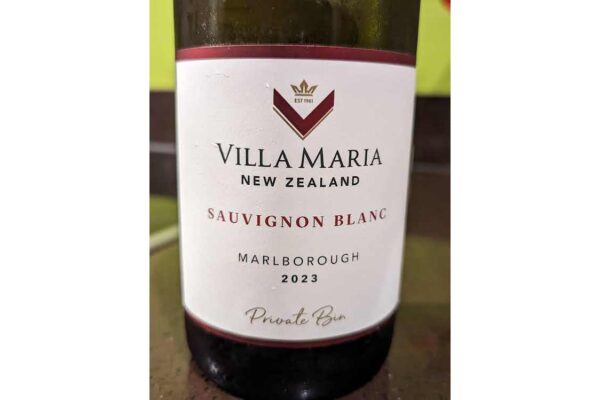
Villa Maria Private Bin Sauvignon Blanc
Having been slightly disappointed with Villa Maria Sauvignon Blanc Private Bin in recent years, I approached this new 2023 vintage with hope. Upon tasting, the first thing you notice is its robust passion fruit aroma, a hallmark of classic New Zealand Sauvignon Blanc, which remains pronounced even at refrigeration temperature. The palate is greeted with a harmonious blend of tropical fruits, citrus and a distinct note of passion fruit. Unlike some of its contemporaries, this wine doesn’t overwhelm with complexity. Instead, it offers a clear, focused taste experience. The 2023 vintage has pleasantly surprised me, rekindling the essence of what…
-

How Pesticide Residues Affect Wine Flavour
A new study investigates the effect of imidacloprid, a common insecticide, on wine aroma and its transformation during the wine-making process. Imidacloprid is widely used in grape cultivation to control pests, but its residues can significantly impact the quality of wine. The research involved applying imidacloprid to grapes at standard and ten times the standard doses. It was found that a significant portion of the imidacloprid degraded from grape to wine, with only about 5.79% to 8.95% transferring into the wine. However, the degradation of imidacloprid during the wine-making process revealed subsequent metabolites such as 6-chloronicotinic acid, desnitro imidacloprid and…
Pick Lists
Majestic | The Wine Society | Tesco | Waitrose | Sainsbury’s | Morrisons | Co-op | Asda | Lidl | £7 and Under | Over £20
Did You Know?
Australian wine exports to China have collapsed from around $1.2 billion to less than $10 million. More
Wine’s aroma is not determined solely by which flavour compounds it contains. More
Low-to-moderate wine consumption is associated with lower mortality. More
Moderate water stress can be part of what creates flavour and terroir expression. More
Wine appears less frequently online than other alcoholic drinks. More
Independent retailers had 9% fewer customers in March 2026 than two years earlier. More
Average spend per bottle in independents has risen by 23% since 2019, compared with 21% in supermarkets. More.
Nearly a third (32%) of UK consumers say they have already used AI for alcoholic drinks advice. More
Among socially active wine buyers, 37% have bought a wine recommended online. More
In 2026, 72% of consumers now think wine knowledge is essential to appreciation, up 20 percentage points on 2025. More
Rías Baixas wines reached more than 107 countries in 2025 and exports represented 31 per cent of the denomination’s total sales. More
Light Strike Can Cause Wine Degradation in Just One Day. More
People actively adjust their wine choices depending on who might see them. More
In the UK, 73% of Alcohol is Bought From Retail Rather Than Hospitality. More
UK wine production reached 124,377 hectolitres that year, meaning the UK accounted for roughly 0.05 per cent of world output. More
For Crémant, grapes must be harvested by hand and the wines must undergo at least nine months’ ageing before release. More
In 2024, the UK was the second-largest export market for Champagne globally, after the United States. More
Local UK bottling of wine represents about 40% of imported wine. More
Around 1% of people, typically severe asthmatics, have a sulphite sensitivity. More
A large 80% of Australian wine arrives in the UK in bulk. More
Only about 0.02% of Australia’s landmass is dedicated to vineyards. More
In 2024, New Zealand produced only 1% of the World’s wine. More
In 2024, the US imported 37% of World production of Pinot Grigio and the UK was is in second place at 27%. More
In 2024, the UK was South Africa’s largest export market, with 40% of total exports. More
In 2024, the United Kingdom imported 22.3 million bottles of Champagne, a decline of 12.7% compared to the previous year. More
Larger Champagne producers source grapes from as many as 80 different vineyards throughout Champagne. More
Champagne houses and growers collectively produce around 300 million bottles annually. More
In 2025, the Champagne region was home to about 2,124 Champagne houses and approximately 19,000 growers. More
Provence is one of the leaders in the conversion to organic viticulture, with 61% of vineyards certified. More
8% of the South Africa’s grape production is Fairtrade-certified. More
Up to 80% of wine aroma compounds come from grape skins. More
Glycerol is the third-largest component of most dry wines after water and alcohol which is why they so often feel ‘smooth’ or ‘silky’ in the mouth. More
Humans are more than 400 times more sensitive to bitter than sweet. More
Humans can detect the earthy molecule geosmin at about 100 parts per trillion and camels are so sensitive to it they can locate damp ground from roughly 50 miles away. More
During the phylloxera crisis of the nineteenth century, 90% of Europe’s vineyards were destroyed. More
In 2025, for La Vieille Ferme, also known as “The Chicken Wine”, sales surged by 49.4% to £110.8 million. More
In 2025, in the UK, Yellow Tail held the top position with sales, marking a 9.8% increase over the previous year. More
In 2024, the UK was the second-largest wine importer in volume and value. More
In 2024, the UK was the fifth-largest wine-consuming country globally. More
In 2025, global wine consumption continued its downward trend, estimated at 214.2 million hectolitres, the lowest since 1961. More
In 2025, online alcohol sales had a 20% increase in value over five years. More
In 2025, the number of UK vineyards rose to 1,104 and wineries to 238, with land under vine expanding to 4,841 hectares, a 510% increase since 2005. More
Moët Hennessy alone commands nearly 46.66% of the Champagne market, with the top three producers together holding about 61%, and the top five controlling over 72%. More
In 2024, the Champagne market was worth roughly €3.92 billion. More
In the marketing year 2023/24, white wine accounted for roughly 55% of Spain’s output, whereas red and rosé together made up about 45%. More
In the UK, 92% of wine is consumed within 48hrs of purchase. More
The majority of wines, 95%, use commercial rather than wild yeast. More
Between 0.5 and 10 litres of water, per litre of wine, are needed for cleaning during winemaking. More
Machine harvesting can achieve up to 100 tons of fruit per day vs 1 ton for a human. More
In Germany, 2025 was the smallest wine vintage since 2010. More
The majority of vineyards, 90% in 2019, are farmed with heavy chemical interventions. Only 6% are organic. More
90% of low and coastal areas in south Europe and California will no longer be able to produce good wine by the end of the century. More
IMAGE WALL
Tools
Recent



Tags
25% Off Wine Aldi Amarone Argentina Articles Asda Australia Austria Award Awards25 Bizarre Blog Books Bordeaux Bulk Bottling Cabernet Sauvignon Carménère Cava Champagne Chardonnay Chile Climate Change Coop Crémant Decanter Duty English Wine EPR Fairtrade Food France Germany Glossary Greece Health Hungary Italy IWSC Jeroboams Laithwaites Legislation Liberty Wines Lidl Low Alcohol M&S Majestic Malbec Merch Merlot Morrisons Natural Nero d'Avola News New Zealand Non-Alcoholic Ocado Old Vine Organic Past Tastings Pick List Pinotage Pinot Grigio Pinot Noir Port Portugal Primitivo Prosecco Research Reviews Ribera del Duero Riesling Rioja Ripasso Rose Sainsbury's Saperavi Sauvignon Blanc Shiraz Sicily South Africa Spain Sparkling Supermarkets Sustainable Tax Terroir Tesco The Wine Society Unrepresented USA Valpolicella Virgin Wines Waitrose Wanderlust Welsh Wine What to Buy Wine Art WineGB WIne Glasses Zinfandel