
Simon Judge
-

25% Off Wine at Asda
Asda has 25% off wine, on £5.50 per bottle or more, until 11:59pm on 13 December 2023.
-
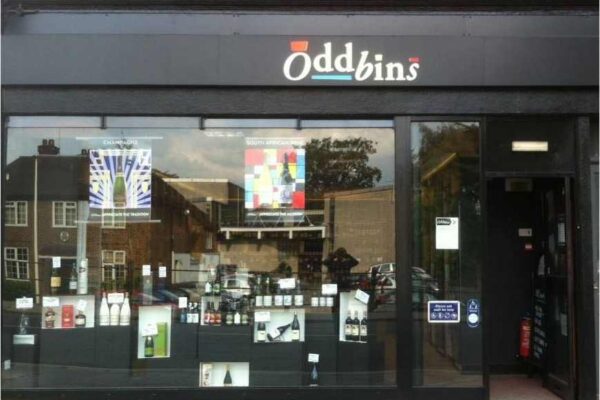
The End of an Era: Oddbins Closes Its Physical Stores
Harpers is reporting that the renowned wine retailer Oddbins has taken a significant turn by closing the physical aspect of its business, signalling the end of an era for a brand that was once a staple on UK high streets. Oddbins, known for its diverse and quality wine offerings, faced challenges in regaining its pre-pandemic trading levels, struggling with reduced footfall and changing customer buying habits. The company, established in 1963, reached its peak with 278 stores across the UK, famed for its unique and intriguing wine selections. However, the last decade has seen a series of financial difficulties, leading…
-
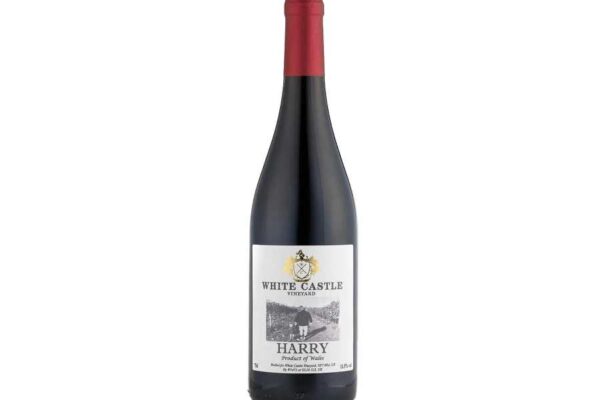
White Castle Vineyard Triumphs at 2023 Welsh Wine Awards
The Welsh wine industry celebrated the 2023 Welsh Wine Awards, held at the Llanerch Vineyard Hotel in Hensol on 6 November, 2023. The awards, marking their most successful year yet, were organised by the Welsh Vineyards Association (WVA) . In a year that also commemorates WVA’s tenth anniversary, the competition saw a record-breaking entry of 50 wines from 12 different Welsh vineyards. The wines encompassed a diverse range, including white and rosé sparkling wines, followed by still wines in the rosé, white, and red categories. A panel of expert judges sampled each entry, organising the tasting into five distinct flights.…
-

Top 100 Tasting with Tim Atkin MW
On the 14th of November 2023, I went to a trade and press wine tasting event ‘Top 100 Tasting with Tim Atkin MW’ focussing on Ribera del Duero. The event was a curated selection of wines from Tim Atkin’s recent visit to the region. Ribera del Duero is renowned for its deep colours, complex aromas, robust structure and primarily utilises the Tempranillo grape. However, it’s not uncommon to find blends incorporating Garnacha, Cabernet Sauvignon, Merlot and Malbec, adding to the wines’ complexity. You can learn more in my article on Understanding Ribera del Duero. Despite the ‘Top 100’ title, there…
-

Understanding Ribera del Duero
Ribera del Duero, a wine region in Spain, is mainly known for its red wines. Situated along the Duero River in the northern plateau of the Iberian Peninsula, Ribera del Duero benefits from a unique climate, higher altitude and a rich winemaking heritage. The region gained its Denominación de Origen (DO) status in 1982. The region’s winemaking is centred around the Tempranillo grape, locally known as Tinta del País or Tinto Fino. This grape imparts deep colour, complex aromas and ageing potential to the wines. Sometimes, Tempranillo is blended with Garnacha, Cabernet Sauvignon, Merlot and Malbec to enhance complexity. Ribera…
-

Independent Wine Retailers Resilient Amidst Market Challenges
In recent years, the narrative surrounding independent wine retailers in the UK has been dominated by a sense of impending doom, fuelled by the aggressive competition from supermarkets with their convenience of next-day delivery. However, the latest figures from The Wine Merchant paint a surprisingly different picture, one of resilience and steadiness in a turbulent market. As of the end of October, The Wine Merchant’s records show a stable landscape with 1,018 shops, operated by 774 individual entities. This is in striking contrast to the common belief that these independents are in decline due to the growing dominance of supermarket…
-
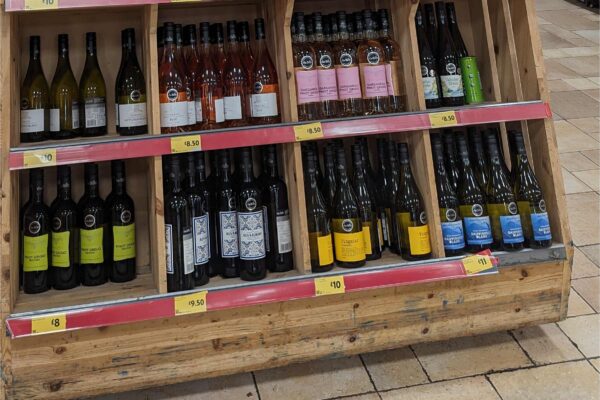
25% off Wine at Morrisons
A rare 25% discount on 6 or more bottles of wine, £5 or more. Until 21 November 2023.
-
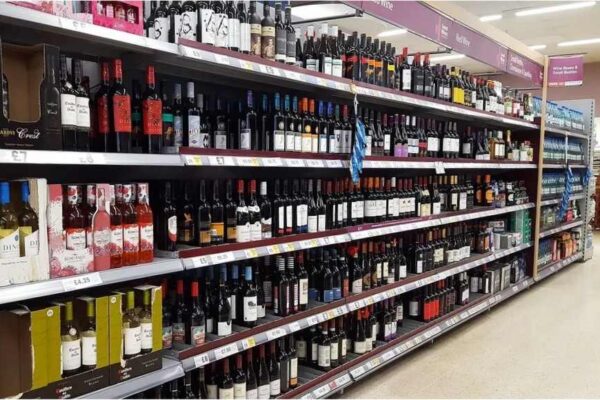
25% Off Wine at Tesco
Tesco has save 25% off wine with Clubcard when you buy 6+ bottles that are over £5.50, from 13 November 23 until 3 December 2023.
-

25% off Wine at Sainsbury’s
Sainsbury’s has 25% off wine, 6 bottles or more, £5 or more, from 13 November 2023 until and including 12 December 2023.
-
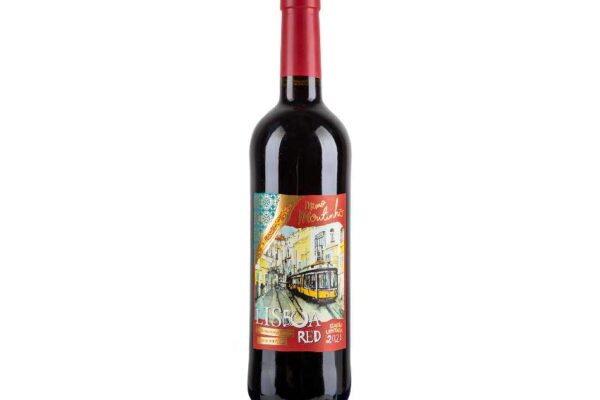
Mimo Moutinho Lisboa Red
The 2021 Mimo Moutinho Lisboa Red from Aldi is made from the Touriga Nacional grape. Following the footsteps of its predecessor, the 2019 vintage, which Decanter praised for its ‘juicy brambles, liquorice and smoky tarry notes’, this wine maintains a high standard, scoring a respectable 3.8 on Vivino. On tasting, there’s red fruits. The wine is well-balanced, medium-bodied, with a taste very similar to that of the popular and ubiquitous Porta 6, perhaps intentionally so. When tasted back to back with the Porta 6, the Aldi version is slightly smoother despite having less alcohol at 13% rather than 13.5% for…
-

Wine in Wine
-
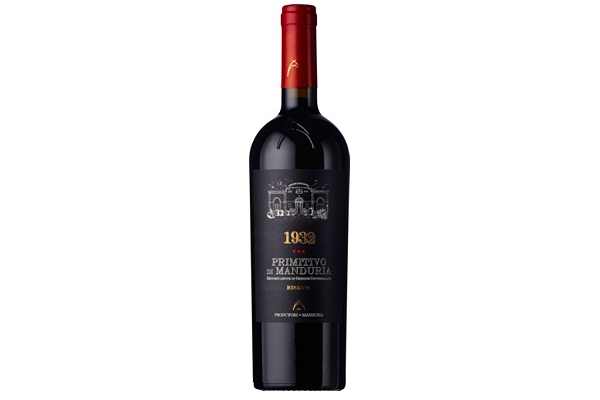
Produttori Primitivo di Manduria Riserva
The 2019 vintage from Manduria’s Consorzio Produttori Vini showcases the deep-rooted history of the winery, founded in 1932. This year is proudly indicated on the label. This full-bodied wine, with its robust 14.5% alcohol content, is also suitable for vegans. The wine has been carefully aged in oak barrels for at least nine months, a process that has imparted a complexity and structure. The nose is rich with dark berry fruit, where blackberry and fig notes are predominant, followed by an undercurrent of liquorice. The high alcohol content is well-integrated, providing silky tannins that contribute to a good length and…
-

Noble Rot
Noble rot, also known as ‘Botrytis cinerea’, is a beneficial fungus that affects wine grapes. Under specific conditions, this fungus can lead to the production of some of the world’s best sweet wines. When the fungus attacks the grape, it causes the grape to shrivel, concentrating the sugars and flavours. This results in a very sweet and complex wine. Some well-known wines produced from grapes affected by noble rot include Sauternes from France and Tokaji from Hungary. Not all occurrences of Botrytis Cinerea are beneficial. In conditions where the grapes remain wet for extended periods, the fungus can lead to…
-

2023 Wine Production Expected to be Smallest for Sixty Years
The International Organisation of Vine and Wine (OIV) has reported that the world wine production for 2023 is expected to be the smallest in over six decades due to severe climatic events affecting yields across the globe. The European Union anticipates a lower output, with Italy and Spain experiencing significant declines due to adverse weather leading to diseases and drought. France, conversely, is set to become the leading producer this year, slightly exceeding its five-year average. In contrast, the United States predicts a rise in wine production, surpassing both 2022 figures and recent averages. The Southern Hemisphere has been particularly…
-

Fine Wine
Fine wine is a ambiguous term, often used the world of high-quality wines that stand out due to their exceptional taste, aroma and potential to age gracefully. These wines, typically crafted in limited batches, come from well-known vineyards and are the acquired by collectors, enthusiasts and connoisseurs. Major wine-producing regions, like Bordeaux in France, Tuscany in Italy or the Napa Valley in the US are often the origin of these exceptional wines. Ageing is a crucial factor when it comes to fine wines. With time, they unveil deeper complexities in flavour and aroma, enhancing the drinker’s experience. This potential to…
-

Wine On The Wall
-

New Marketing Campaign for Diablo Brand
Drinks Retailing has recently revealed that Concha y Toro, the large Chilean wine producer, is rolling out a fresh marketing campaign for its Diablo wine brand. The brand, which has seen a significant popularity, is now estimated to be worth a large £15 million in retail sales. One of the highlights of this campaign is the ‘House of Diablo’ event, scheduled for November 9, 2023. This immersive experience will captivate attendees with a screening of the new film, ‘The Exorcist: Believer’. Consumers have the chance to win tickets to the event through on-pack promotions available with the wine. The marketing…
-
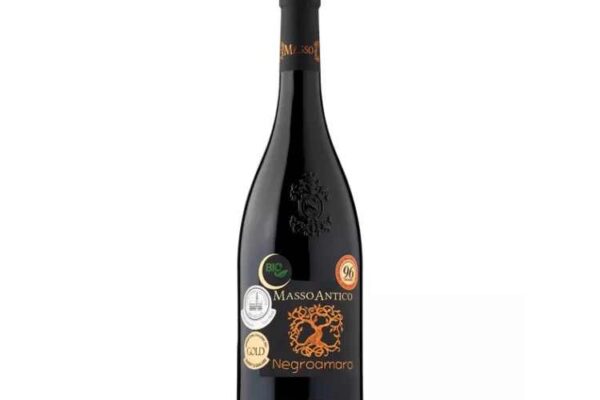
Masso Antico Negroamaro
The Masso Antico Negroamaro from Salento, Puglia, comes with a reputation that sets high expectations. Awarded a gold medal at the Gilbert & Gaillard International Challenge 2021 and rated 4.1 on Vivino, not to mention its IWSC bronze, this organic wine certainly has a lot to live up to. Upon uncorking, the first thing that strikes you is the colour—a youthful and thin hue that suggests a relatively young vintage, although the bottle doesn’t specify the year. The bouquet is advertised as intense, but I found it less so, lacking the robustness one might expect from a Negroamaro, a grape…
-

How Interior Design Can Enhance the Enjoyment of Wine
Campo Viejo has recently unveiled a study that looks into the relationship between interior spaces and the enjoyment of the wine served within them. The study’s findings suggest that the design and ambiance of a space can significantly influence our sensory experiences, particularly when it comes to experiencing wine. The experiment, though small in scale, was designed to gauge the impact of environmental context on the perception and pleasure derived from wine. A group of forty-two participants was chosen for this unique tasting experience. Each participant tasted the same wine, but what changed was the setting. The wine was served…
-
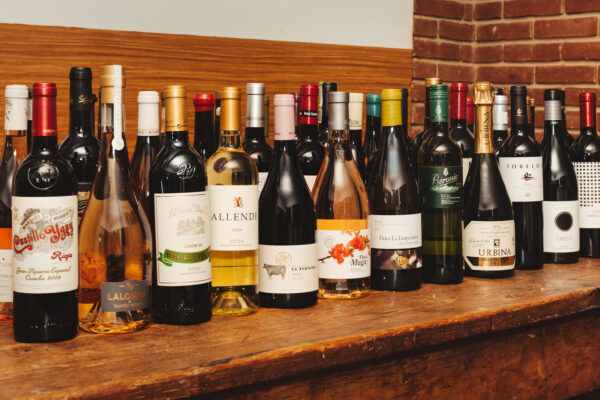
Feliz Rioja, November 2023
This November, the UK will have Feliz Rioja, a month-long event set to highlight the prominence of the Rioja wine-producing region across various outlets in the UK. Independent retailers, restaurants and wine bars throughout the country have registered their participation. With over 100 outlets involved, the event aims to provide a comprehensive exposure to Rioja wines. The Rioja region in Spain is distinguished for its diverse wine production. The wines range from reds to whites, each with specific characteristics attributed to the region’s unique terroir and winemaking techniques. In-store tastings will be organised across participating outlets, allowing consumers to directly…
Pick Lists
Majestic | The Wine Society | Tesco | Waitrose | Sainsbury’s | Morrisons | Co-op | Asda | Lidl | £7 and Under | Over £20
Did You Know?
Australian wine exports to China have collapsed from around $1.2 billion to less than $10 million. More
Wine’s aroma is not determined solely by which flavour compounds it contains. More
Low-to-moderate wine consumption is associated with lower mortality. More
Moderate water stress can be part of what creates flavour and terroir expression. More
Wine appears less frequently online than other alcoholic drinks. More
Independent retailers had 9% fewer customers in March 2026 than two years earlier. More
Average spend per bottle in independents has risen by 23% since 2019, compared with 21% in supermarkets. More.
Nearly a third (32%) of UK consumers say they have already used AI for alcoholic drinks advice. More
Among socially active wine buyers, 37% have bought a wine recommended online. More
In 2026, 72% of consumers now think wine knowledge is essential to appreciation, up 20 percentage points on 2025. More
Rías Baixas wines reached more than 107 countries in 2025 and exports represented 31 per cent of the denomination’s total sales. More
Light Strike Can Cause Wine Degradation in Just One Day. More
People actively adjust their wine choices depending on who might see them. More
In the UK, 73% of Alcohol is Bought From Retail Rather Than Hospitality. More
UK wine production reached 124,377 hectolitres that year, meaning the UK accounted for roughly 0.05 per cent of world output. More
For Crémant, grapes must be harvested by hand and the wines must undergo at least nine months’ ageing before release. More
In 2024, the UK was the second-largest export market for Champagne globally, after the United States. More
Local UK bottling of wine represents about 40% of imported wine. More
Around 1% of people, typically severe asthmatics, have a sulphite sensitivity. More
A large 80% of Australian wine arrives in the UK in bulk. More
Only about 0.02% of Australia’s landmass is dedicated to vineyards. More
In 2024, New Zealand produced only 1% of the World’s wine. More
In 2024, the US imported 37% of World production of Pinot Grigio and the UK was is in second place at 27%. More
In 2024, the UK was South Africa’s largest export market, with 40% of total exports. More
In 2024, the United Kingdom imported 22.3 million bottles of Champagne, a decline of 12.7% compared to the previous year. More
Larger Champagne producers source grapes from as many as 80 different vineyards throughout Champagne. More
Champagne houses and growers collectively produce around 300 million bottles annually. More
In 2025, the Champagne region was home to about 2,124 Champagne houses and approximately 19,000 growers. More
Provence is one of the leaders in the conversion to organic viticulture, with 61% of vineyards certified. More
8% of the South Africa’s grape production is Fairtrade-certified. More
Up to 80% of wine aroma compounds come from grape skins. More
Glycerol is the third-largest component of most dry wines after water and alcohol which is why they so often feel ‘smooth’ or ‘silky’ in the mouth. More
Humans are more than 400 times more sensitive to bitter than sweet. More
Humans can detect the earthy molecule geosmin at about 100 parts per trillion and camels are so sensitive to it they can locate damp ground from roughly 50 miles away. More
During the phylloxera crisis of the nineteenth century, 90% of Europe’s vineyards were destroyed. More
In 2025, for La Vieille Ferme, also known as “The Chicken Wine”, sales surged by 49.4% to £110.8 million. More
In 2025, in the UK, Yellow Tail held the top position with sales, marking a 9.8% increase over the previous year. More
In 2024, the UK was the second-largest wine importer in volume and value. More
In 2024, the UK was the fifth-largest wine-consuming country globally. More
In 2025, global wine consumption continued its downward trend, estimated at 214.2 million hectolitres, the lowest since 1961. More
In 2025, online alcohol sales had a 20% increase in value over five years. More
In 2025, the number of UK vineyards rose to 1,104 and wineries to 238, with land under vine expanding to 4,841 hectares, a 510% increase since 2005. More
Moët Hennessy alone commands nearly 46.66% of the Champagne market, with the top three producers together holding about 61%, and the top five controlling over 72%. More
In 2024, the Champagne market was worth roughly €3.92 billion. More
In the marketing year 2023/24, white wine accounted for roughly 55% of Spain’s output, whereas red and rosé together made up about 45%. More
In the UK, 92% of wine is consumed within 48hrs of purchase. More
The majority of wines, 95%, use commercial rather than wild yeast. More
Between 0.5 and 10 litres of water, per litre of wine, are needed for cleaning during winemaking. More
Machine harvesting can achieve up to 100 tons of fruit per day vs 1 ton for a human. More
In Germany, 2025 was the smallest wine vintage since 2010. More
The majority of vineyards, 90% in 2019, are farmed with heavy chemical interventions. Only 6% are organic. More
90% of low and coastal areas in south Europe and California will no longer be able to produce good wine by the end of the century. More
IMAGE WALL
Tools
Recent






Tags
25% Off Wine Aldi Amarone Argentina Articles Asda Australia Austria Award Awards25 Bizarre Blog Books Bordeaux Bulk Bottling Cabernet Sauvignon Carménère Cava Champagne Chardonnay Chile Climate Change Coop Crémant Decanter Duty English Wine EPR Fairtrade Food France Germany Glossary Greece Health Hungary Italy IWSC Jeroboams Laithwaites Legislation Liberty Wines Lidl Low Alcohol M&S Majestic Malbec Merch Merlot Morrisons Natural Nero d'Avola News New Zealand Non-Alcoholic Ocado Old Vine Organic Past Tastings Pick List Pinotage Pinot Grigio Pinot Noir Port Portugal Primitivo Prosecco Research Reviews Ribera del Duero Riesling Rioja Ripasso Rose Sainsbury's Saperavi Sauvignon Blanc Shiraz Sicily South Africa Spain Sparkling Supermarkets Sustainable Tax Terroir Tesco The Wine Society Unrepresented USA Valpolicella Virgin Wines Waitrose Wanderlust Welsh Wine What to Buy Wine Art WineGB WIne Glasses Zinfandel