
Simon Judge
-
Understanding New Zealand Wine
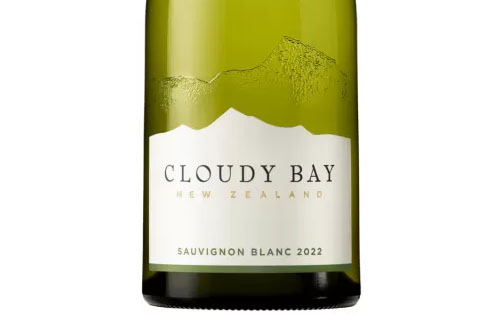
New Zealand produces only 1% of the world’s wine but has carved a niche for itself. With 731 wineries, over 80% of which export to international markets, New Zealand has firmly established its presence internationally. The UK has become the second-largest market for these wines, following behind the USA. The international breakthrough for New Zealand wine came in the 1980s with the introduction of Marlborough’s Sauvignon Blanc. Today, New Zealand boasts ten main wine-growing regions, each within 130 kilometres (80 miles) of the sea. This proximity to the ocean plays a crucial role in defining the distinct character of New…
-
Wines From Major Wine Outlets
In his article for the Guardian Newspaper, David Williams discusses the evolving landscape of wine retail in the UK, especially highlighting the performance of major wine outlets like Majestic, Naked Wines, Virgin Wines and The Wine Society. He notes that during and after the pandemic, these retailers faced various challenges including the inflation and cost-of-living crisis. Despite these, Majestic reported a successful Christmas in 2023, with an increase in sales and interest in fine wines. The following wines were recommended: MajesticBodegas Volver Tarima Monastrell from Alicante, Spain, 2022 vintage, priced at £9.99 or £8.99 in a mixed six.Invicible Número Dois…
-

Australia Trade Tasting 2024
On 30th January 2024, the Australia Trade Tasting event showcased an impressive array of over 700 wines from 200 producers. Australia has a strong position in the UK off-trade (not consumed on premises) market, where it leads as the number one country of origin, having nearly double the market share of its closest competitor, Italy. For more background read my article on Understanding Australian Wine. The focus of my exploration was for wines that are already distributed in the UK, with an emphasis on affordability, though I also included more premium options for comparison. A key question I had in…
-

Italian Wine Tasting and Masterclass
On the 29th of January, I had the pleasure of attending an event celebrating and promoting the 10th anniversary of The Essential Guide to Italian Wine, at Brown’s Hotel in London. A highlight of this tasting was the presence of one of Italy’s most well-known wine connoisseurs, Daniele Cernilli, also known as DoctorWine. The event featured a walk around tasting, offering the opportunity to experience a selection of wines from Italy’s leading regions. I also attended a masterclass, jointly conducted by Daniele Cernilli and Luigi Buonanno, who is the Head of Sales at Berkmann Wine Cellars. This masterclass focused on…
-

Winetraders Italian Portfolio Tasting 2024
On 29 January 2024, Winetraders hosted their Italian Portfolio Tasting in London. Winetraders is an importer, retailer and distributor specialising in single estate wines with their range spanning across Italy, Spain, Germany, Australia and South America. What sets Winetraders apart is their exceptionally rigorous selection process, a meticulous approach ensuring that each wine in their portfolio not only demonstrates the unique characteristics of its origin but also offers unbeatable value. Here are the wines that I tried in no particular order: Here are the wines I liked the most with my notes/reasons. The prices are only indicative and vary across…
-

Valdo Prosecco DOC Extra Dry
Despite not holding the more prestigious DOCG designation, this wine makes a subtle statement by mentioning Valdobbiadene, it’s origin, on its label — usually only done for Prosecco of the DOCG category. Contrary to what one might expect, ‘Extra Dry’ in this context always refers to a subtly sweet flavour profile. Valdo Prosecco DOC Extra Dry surpasses expectations set by its modest 3.6 score on Vivino. Having in a pale straw yellow hue, it entices with a nose that mixes floral notes with the crisp, fresh scent of apples. The taste is reminiscent of sherbet, offering a fizziness that adds…
-

Adapting Winemaking Due to Climate Change
Wine Searcher has an informative article titled Short and Sweet: The New Vintage Paradigm, exploring the challenges and adaptations facing the wine industry in the wake of climate change. As the globe warms, winemakers are have to cope with a significant shift in their traditional practices due to a compressed growing season for grapes. The acceleration of the vintage is a worldwide phenomenon, with winemakers witnessing a considerable shortening of the growing season. In Bordeaux, the growing season has reduced from 100-110 days to approximately 90 days. This trend is echoed in regions like Burgundy, the Rhône Valley and Italy’s…
-
Amava Vines Coastal Reserve White Blend
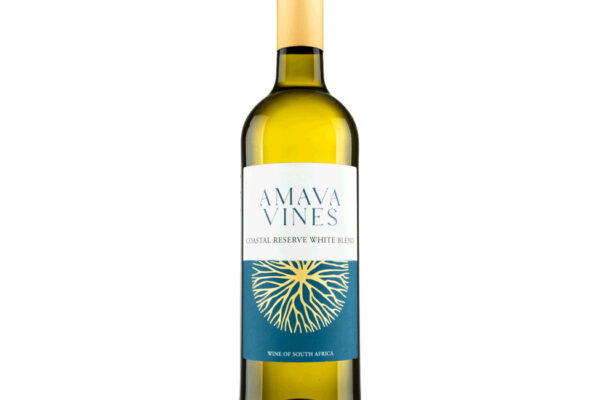
This wine has been created by Nadia Engelbrecht of the Perdeberg Group in South Africa. The Amava Vines Cape white 2020, a blend from the dry-farmed Coastal vineyards of Swartland and Paarl encapsulates the rich heritage in the word ‘Amava’ – a reference to roots tradition, and staying connected to one’s origins. This wine presents a lemon-green hue and a bouquet of pineapple and melon. The palate is a mix of tropical fruit and a spicy freshness. The inclusion of Chenin Blanc, Grenache Blanc, Roussanne and Viognier in its blend adds layers of fruity complexity and provides a refreshing medium…
-

Wine Still Life
-

How Modern Branding Could Revitalise the Wine Industry
Just Drinks has a thought-provoking article on ‘Why Branding Could Be Behind Falling Wine Consumption‘. The wine industry is facing a challenging time with global wine consumption gradually declining since 2007, a trend that is accelerating. The article explains how the decline might be partially attributed to the wine industry’s approach to branding and marketing, which has not evolved at the same pace as other beverage categories. A significant issue is the focus on appellations, often at the expense of effective branding. In France, the appellation model has been so heavily used that it now covers 91% of wines produced,…
-

Liberty Wines Annual Portfolio Tasting 2024
On 23 January 2024 I went to the Liberty Wines Annual Portfolio Tasting at the Kia Oval in London. Liberty Wines was established in March 1997 with a founding team of four alongside the backing of leading wine producers from Italy and Australia. In this, their 26th year the team has expanded to more than 185 staff members and a portfolio featuring over 375 wine producers. They were the IWC Agent of the Year in 2023. Liberty Wines doesn’t offer direct sales to the public, but comprehensive details on all their wines can be found at libertywines.co.uk. Their selection is…
-

Oz Clarke’s Story of Wine: 8000 Years, 100 Bottles
‘Oz Clarke’s Story of Wine: 8000 Years, 100 Bottles’ is an engaging and informative read that offers a unique perspective on the history and evolution of wine. This new edition, previously titled ‘The History of Wine in 100 Bottles’, better reflects the focus of being a story-driven approach rather than a conventional historical narrative. The change in title is apt, as the book is less about dry historical facts and more about the captivating tales and anecdotes from different periods in the world of wine. The book is structured around years or periods, with each segment covering approximately two pages…
-

Saperavi Grape
The Metro newspaper recently shed light on the ‘Saperavi’, a grape that originates from Georgia, between Eastern Europe and West Asia. Saperavi bears a striking resemblance in taste and character to Cabernet Sauvignon but with a twist. It also has the warming spice and rich texture reminiscent of a hearty Argentinian Malbec. What sets Saperavi apart, however, is not just its flavour profile but also its appearance. Unlike the common greeny-yellow innards of regular grapes, Saperavi boasts red flesh. This characteristic contributes to the production of an intensely purply-coloured wine, aligning with its name which translates to ‘paint’ or ‘dye’…
-

Reducing Wine Consumption Through Serving Size
New research titled ‘Impact on wine sales of removing the largest serving size by the glass‘, published in PLOS Medicine, explores the effect of reducing wine serving sizes on wine sales. The study, conducted across 21 licensed premises in England, used an A-B-A method to compare wine sales during periods with and without the availability of the largest serving size. It found that removing the largest serving size led to a significant reduction in the volume of wine sold, suggesting that this intervention could be a useful strategy in efforts to reduce alcohol consumption. The researchers suggest that these findings…
-

Unusual Varietals
Fiona Beckett from the Guardian newspaper has an article on Obscure Wines to Liven up Jaded Palates. She explains how unusual varietals of wine are currently popular, as seen in selections from high-street retailers. Wines from regions not traditionally associated with specific grapes are gaining interest. Examples include Italian varietals like Sangiovese from Australia, Grüner Veltliner and Gewürztraminer from New Zealand and Albariño from Uruguay. This trend is driven by wine enthusiasts’ curiosity. The recommended wines to explore include:
-

Understanding Australian Wine
Despite Australia’s immense size, only about 145,000 hectares, about 0.02% of its landmass, is dedicated to vineyards. For comparison, the vineyard area is roughly equivalent to the combined regions of Bordeaux and Burgundy, in France. Australia’s wine regions, numbering over 65 and hosting more than 150 grape varieties, are scattered across various states including New South Wales, South Australia, Tasmania, Victoria and Western Australia. These regions benefit from a unique combination of geographical factors. The continent’s latitude, maritime influences and elevation contribute to a surprisingly diverse range of climates. The Southern Hemisphere location of Australia means its seasons are inverted…
-

Ways Out of the Wine Crisis
A new report titled Ways out of the crisis, commissioned by ProWein, from Geisenheim University, based on a survey of over 2,000 wine industry members, highlights several key challenges and trends. Economic factors are the primary concerns in the industry. Cost increases, global economic downturn and decreasing wine consumption are significant threats, with 73%, 59%, and 48% of the respondents in 2023 expressing concern about these issues, respectively. Climate change is also a concern, but it ranks lower in priority compared to immediate economic issues. Only 45% view it as a major threat, despite 2023 marking a 60-year low in…
-

Champagne Industry 2023 Retrospective
Recent data has highlighted a notable shift in the Champagne market for the year 2023. Following three years of exceptional performance, Champagne shipments have reverted to pre-pandemic levels, with a total of 299 million bottles shipped, marking an 8.2% decrease from the previous year. The industry witnessed a significant slump in 2020 with an 18% decline due to the pandemic’s onset. This downturn was followed by a robust recovery, with sales soaring by 33% over the next two years, culminating in over 325 million bottles being shipped by the end of 2022. The 2023 figures, although lower, are still in…
-

Extra Special Uco Valley Malbec
This Argentinian Malbec from the Uco Valley in Mendoza, a 2020 vintage produced by Bodega Norton, Argentina, was awarded a Bronze at the Decanter World Wine Awards in 2023. The wine has aromatic scents of violets and liquorice on the nose and displays a typical Malbec purple hue. Its French oak ageing and 14.5% alcohol content contribute to a well-rounded, smooth and full-bodied profile. Upon tasting, the palate is met with rich blackberry fruit flavours, complemented by a subtle spiciness that enhances its complexity. It’s slightly more tannic and fruitier than some other Malbecs, which isn’t necessarily a bad thing.…
-
Greasy Fingers Luscious Red
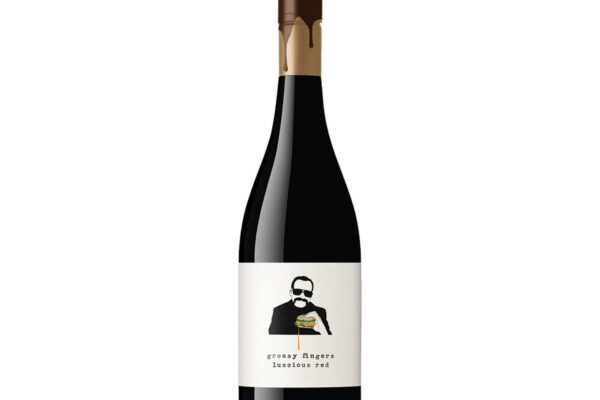
The 2022 vintage of the new Greasy Fingers range from Pernod Ricard UK is a new addition to a portfolio that includes familiar names such as Campo Viejo, Brancott Estate and Stoneleigh. This wine is shy about its origins and the offering is more about branding – the country, Australia, is written very small on the back. Tailored for the food-loving, younger demographic, a challenging target considering the waning wine enthusiasm younger drinkers, this range aims to slice through the richness of greasy foods, making it a companion for the likes of fries and burgers. The name ‘Greasy Fingers’ is…
Pick Lists
Majestic | The Wine Society | Tesco | Waitrose | Sainsbury’s | Morrisons | Co-op | Asda | Lidl | £7 and Under | Over £20
Did You Know?
Australian wine exports to China have collapsed from around $1.2 billion to less than $10 million. More
Wine’s aroma is not determined solely by which flavour compounds it contains. More
Low-to-moderate wine consumption is associated with lower mortality. More
Moderate water stress can be part of what creates flavour and terroir expression. More
Wine appears less frequently online than other alcoholic drinks. More
Independent retailers had 9% fewer customers in March 2026 than two years earlier. More
Average spend per bottle in independents has risen by 23% since 2019, compared with 21% in supermarkets. More.
Nearly a third (32%) of UK consumers say they have already used AI for alcoholic drinks advice. More
Among socially active wine buyers, 37% have bought a wine recommended online. More
In 2026, 72% of consumers now think wine knowledge is essential to appreciation, up 20 percentage points on 2025. More
Rías Baixas wines reached more than 107 countries in 2025 and exports represented 31 per cent of the denomination’s total sales. More
Light Strike Can Cause Wine Degradation in Just One Day. More
People actively adjust their wine choices depending on who might see them. More
In the UK, 73% of Alcohol is Bought From Retail Rather Than Hospitality. More
UK wine production reached 124,377 hectolitres that year, meaning the UK accounted for roughly 0.05 per cent of world output. More
For Crémant, grapes must be harvested by hand and the wines must undergo at least nine months’ ageing before release. More
In 2024, the UK was the second-largest export market for Champagne globally, after the United States. More
Local UK bottling of wine represents about 40% of imported wine. More
Around 1% of people, typically severe asthmatics, have a sulphite sensitivity. More
A large 80% of Australian wine arrives in the UK in bulk. More
Only about 0.02% of Australia’s landmass is dedicated to vineyards. More
In 2024, New Zealand produced only 1% of the World’s wine. More
In 2024, the US imported 37% of World production of Pinot Grigio and the UK was is in second place at 27%. More
In 2024, the UK was South Africa’s largest export market, with 40% of total exports. More
In 2024, the United Kingdom imported 22.3 million bottles of Champagne, a decline of 12.7% compared to the previous year. More
Larger Champagne producers source grapes from as many as 80 different vineyards throughout Champagne. More
Champagne houses and growers collectively produce around 300 million bottles annually. More
In 2025, the Champagne region was home to about 2,124 Champagne houses and approximately 19,000 growers. More
Provence is one of the leaders in the conversion to organic viticulture, with 61% of vineyards certified. More
8% of the South Africa’s grape production is Fairtrade-certified. More
Up to 80% of wine aroma compounds come from grape skins. More
Glycerol is the third-largest component of most dry wines after water and alcohol which is why they so often feel ‘smooth’ or ‘silky’ in the mouth. More
Humans are more than 400 times more sensitive to bitter than sweet. More
Humans can detect the earthy molecule geosmin at about 100 parts per trillion and camels are so sensitive to it they can locate damp ground from roughly 50 miles away. More
During the phylloxera crisis of the nineteenth century, 90% of Europe’s vineyards were destroyed. More
In 2025, for La Vieille Ferme, also known as “The Chicken Wine”, sales surged by 49.4% to £110.8 million. More
In 2025, in the UK, Yellow Tail held the top position with sales, marking a 9.8% increase over the previous year. More
In 2024, the UK was the second-largest wine importer in volume and value. More
In 2024, the UK was the fifth-largest wine-consuming country globally. More
In 2025, global wine consumption continued its downward trend, estimated at 214.2 million hectolitres, the lowest since 1961. More
In 2025, online alcohol sales had a 20% increase in value over five years. More
In 2025, the number of UK vineyards rose to 1,104 and wineries to 238, with land under vine expanding to 4,841 hectares, a 510% increase since 2005. More
Moët Hennessy alone commands nearly 46.66% of the Champagne market, with the top three producers together holding about 61%, and the top five controlling over 72%. More
In 2024, the Champagne market was worth roughly €3.92 billion. More
In the marketing year 2023/24, white wine accounted for roughly 55% of Spain’s output, whereas red and rosé together made up about 45%. More
In the UK, 92% of wine is consumed within 48hrs of purchase. More
The majority of wines, 95%, use commercial rather than wild yeast. More
Between 0.5 and 10 litres of water, per litre of wine, are needed for cleaning during winemaking. More
Machine harvesting can achieve up to 100 tons of fruit per day vs 1 ton for a human. More
In Germany, 2025 was the smallest wine vintage since 2010. More
The majority of vineyards, 90% in 2019, are farmed with heavy chemical interventions. Only 6% are organic. More
90% of low and coastal areas in south Europe and California will no longer be able to produce good wine by the end of the century. More
IMAGE WALL
Tools
Recent






Tags
25% Off Wine Aldi Amarone Argentina Articles Asda Australia Austria Award Awards25 Bizarre Blog Books Bordeaux Bulk Bottling Cabernet Sauvignon Carménère Cava Champagne Chardonnay Chile Climate Change Coop Crémant Decanter Duty English Wine EPR Fairtrade Food France Germany Glossary Greece Health Hungary Italy IWSC Jeroboams Laithwaites Legislation Liberty Wines Lidl Low Alcohol M&S Majestic Malbec Merch Merlot Morrisons Natural Nero d'Avola News New Zealand Non-Alcoholic Ocado Old Vine Organic Past Tastings Pick List Pinotage Pinot Grigio Pinot Noir Port Portugal Primitivo Prosecco Research Reviews Ribera del Duero Riesling Rioja Ripasso Rose Sainsbury's Saperavi Sauvignon Blanc Shiraz Sicily South Africa Spain Sparkling Supermarkets Sustainable Tax Terroir Tesco The Wine Society Unrepresented USA Valpolicella Virgin Wines Waitrose Wanderlust Welsh Wine What to Buy Wine Art WineGB WIne Glasses Zinfandel