
Simon Judge
-
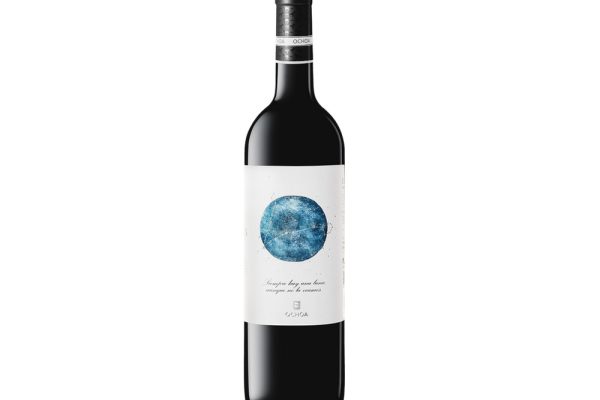
Ochoa Calendas Tempranillo
I came across this wine while dining at South Hill Park. The Spanish Tempranillo caught my eye on the menu and I was intrigued to see it wasn’t labelled as a Rioja. I wondered whether it might be from Ribera del Duero instead. While I waited for it to arrive, I did a quick Internet search and discovered it came from Navarra. The Ochoa family has been making wine since 1845. Today, the sixth generation is at the helm, with Javier Ochoa having passed the reins to his two daughters, Adriana and Beatriz. Their 145 acres of vineyards and olive…
-
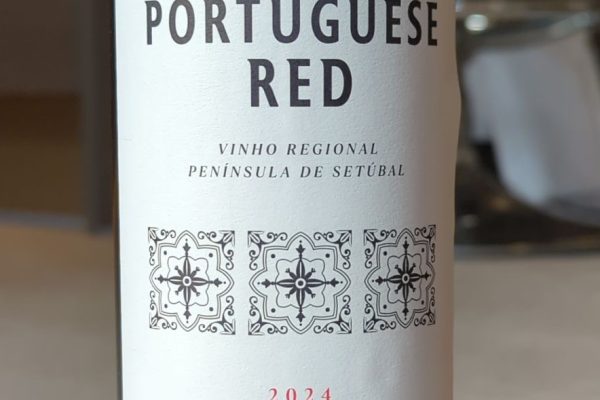
The Society’s Portuguese Red
The Society’s Portuguese Red, from Península de Setúbal in Portugal, south-east of Lisbon, is made by the family-owned Casa Ermelinda Freitas. This winery has been in operation since 1920 and remains under the guidance of successive generations of dynamic women. Their wines have impressed me previously, especially those made with the Touriga Nacional grape, but this bottle offers something different. Here, Castelão takes the lead, supported by a touch of Alicante Bouschet. Castelão, also known locally as Periquita or João de Santarém, is occasionally used in Port production, while Alicante Bouschet is often blended in to deepen the colour. This…
-

Meta No Longer Recommending Wine Pages
The Northwest Wine Report says that Meta has begun telling many wine, beer and spirits-related businesses that their Facebook Pages will no longer be recommended by Facebook’s algorithms, which those businesses say is already reducing reach and, by extension, revenue. The author says the change appears to have hit at least hundreds and possibly far more businesses, with confirmations from wineries, retailers and related organisations across several US West Coast states and at least one report from Denmark, while Instagram does not appear to be affected so far. A major theme is confusion about both the message and the reason.…
-

Zebra Striping
Zebra striping means alternating glasses of wine with glasses of water throughout an occasion, creating a back-and-forth pattern rather like stripes. It is used to help slow the pace of drinking, support hydration, and make it easier to keep track of how much wine you have had, which can reduce the chance of feeling unwell or getting too intoxicated. It is important to understand what it does and does not do. Drinking water between wines does not dilute the alcohol in your bloodstream, for driving, or make you sober quicker, because your body still has to metabolise the alcohol over…
-

Palais St Vigni Côtes du Rhône
I first encountered this wine at the Tesco Autumn Winter Press Tasting, where it immediately stood out for being full of flavour and impressively priced. At the time I mentioned that it was supplied by Maison Johanès Boubée in France, which on further digging turns out to be part of Carrefour. They manage the logistics and exporting of this wine, which is actually bottled in France by Caves Saint-Ronain. This 2023 vintage is a blend of 60% Grenache, 30% Syrah and 10% Mourvèdre. This time, it began with a lovely red cherry aroma. However, it didn’t seem to offer much…
-

Fines for Not Maintaining Vines
CBS is reporting that California’s new Assembly Bill 732 gives the US Bay Area the power to fine vineyard owners who leave grape crops neglected, because unmanaged vines can harbour pests and disease that then spread to neighbouring vineyards. Establishing a vineyard in the Bay Area is expensive, and in the current market downturn some owners are choosing to stop spending on maintenance, or ‘park’ vineyards for a potential recovery, rather than replanting or pulling vines out. Sonoma County’s agricultural commissioner says the tougher economic climate has already led to vineyard acreage being removed and has also triggered complaints about…
-
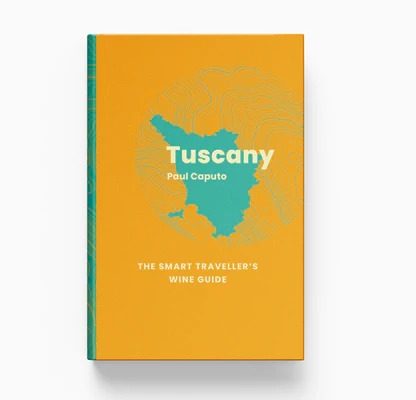
Tuscany – The Smart Traveller’s Guide
I picked up Tuscany – The Smart Traveller’s Guide because a trip to the region is looking increasingly likely, prompted by a friend who has recently bought a property near there. What I found was a compact but impressively wide-ranging book that works equally well as background reading at home and should be a practical companion once on the ground. The guide is written by Paul Caputo, an award-winning freelance writer whose background in wine, spirits, fine dining and luxury sustainable travel is evident on every page. With two decades of travel behind him, thousands of wines tasted each year,…
-
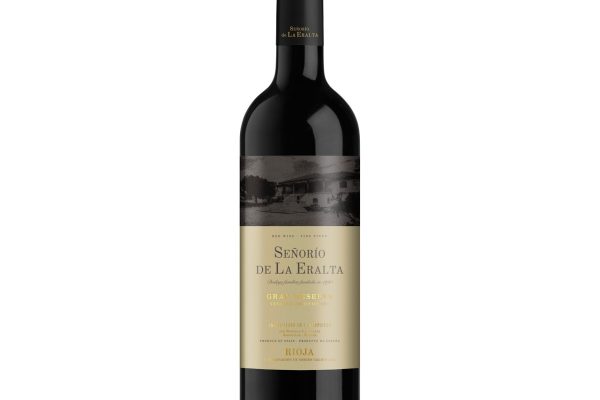
Top 10 + 1 From The Rioja Masters
The The Drinks Business highlights the top-scoring Gran Reserva Riojas from the 2025 Rioja Masters, the UK’s largest Rioja-only blind tasting, held in London and judged by a panel including three Masters of Wine. The event showcased the very best expressions of Gran Reserva, a category known for its long ageing and classic style, with wines ranging from under £20 to £200. Ten red Gran Reservas and one white were selected for their outstanding quality, demonstrating the breadth and depth of what the Rioja region can offer. The reds displayed a range of styles, from traditional, elegant wines with dried…
-

The Future of AI for Wine Consumers
I recently read a new article at The Drinks Business about how artificial intelligence is being used to change the direct-to-consumer wine experience. It described a Napa Valley winery using AI concierges, conversational commerce and text messaging to increase engagement and sales. While this may sound innovative, to me as someone who works in IT, it feels like a narrow view of what AI could offer and one that mainly serves the winery rather than the drinker. The approach described is simplistic because it relies on chat tools that are limited to a single producer’s range and perspective. In practice,…
-

One Glass Could Be Too Much
The UK Government is considering tougher drink-driving rules as part of a renewed effort to cut road deaths and serious injuries. Newly announced proposals aim to reduce casualties on Britain’s roads by 65 per cent by 2035, with a particular focus on lowering the amount of alcohol drivers are legally allowed to have in their system. At present, the legal drink-drive limits in England, Wales and Northern Ireland are 35 microgrammes of alcohol per 100 millilitres of breath, 80 milligrammes per 100 millilitres of blood, and 107 milligrammes per 100 millilitres of urine. These limits have been in place for…
-
Understanding Non-Alcoholic Wine
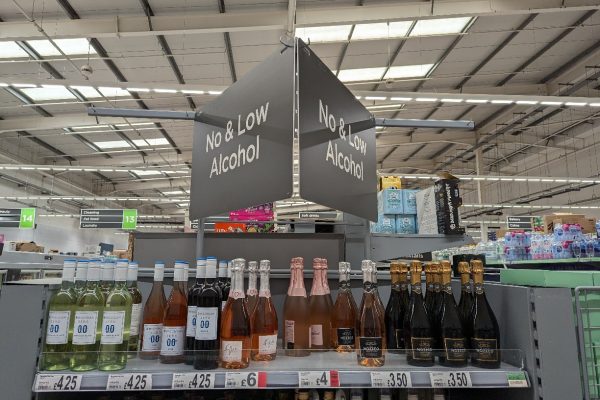
Dry January has become the annual moment when even committed wine drinkers are tempted to experiment, not just because they want to “be good”, but because it gives a time to reset habits, compare options and talk about it socially. Ahead of the previous 2025 Dry January challenge, Alcohol Change UK said 15.5 million people were planning a booze-free January, with saving money and better sleep among the top motivations. That one-month change has turned into a year-round shift. “Sober-curious” socialising has moved from niche to normal. People still want a drink in hand at a dinner party, a date,…
-

Magec Piedra Fluida
This is a return to a wine I first encountered during The Wine Society’s Autumn Press Tasting. A blend of Tenerife’s red Listán Negro and white Listán Blanco, this 2023 release comes with a story shaped by adversity. The devastating fires that swept across the island in August 2023 were the worst seen in four decades. In response, the winery made the unusual decision to bottle only a small portion of their red harvest, selecting the best of what could be salvaged from each vineyard. What has emerged is a unique cuvée, drawing together fruit that would typically be reserved…
-
1086 by Nyetimber
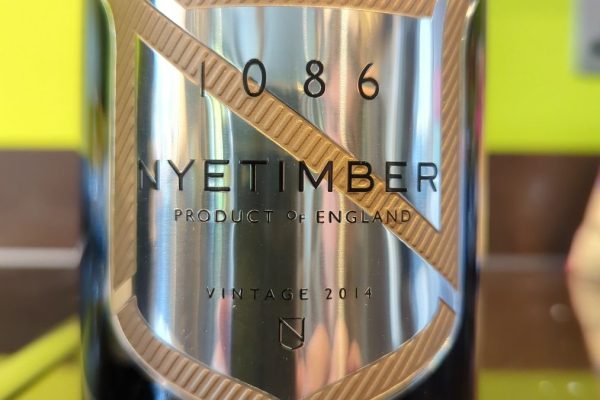
This bottle arrived just in time for my Comparative Review of English Sparkling, though I held off opening it then. Its release was still pending and, with two other Nyetimber wines already included in that comparison, it seemed wise to wait. With the wine now officially launched, New Year celebrations provided the perfect moment to give it the attention it deserves. Named 1086 in tribute to the first recorded mention of the West Sussex estate in the Domesday Book, this is a wine reserved for only the finest of vintages. This 2014 vintage is made from the best selections of…
-
Undurraga Candelabro Itata Reserva Cinsault
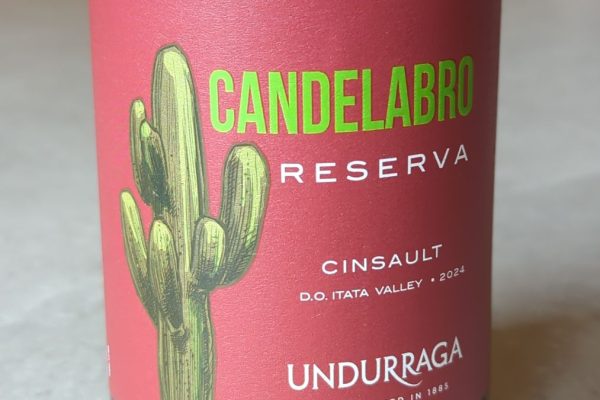
This was an affordable pick I first discovered at The Wine Society’s Autumn press tasting and felt drawn to revisit. It’s named after the Candelabro cactus, a striking plant found in the protected Natural Monument Quebrada de Cardones, in Chile. Viña Undurraga support this conservation area through this wine. The wine comes from the Itata Valley, deep in the south of Chile, a region known for its dry-farmed old bush vines. These are unirrigated plantings of 100% Cinsault, rooted since the 1950s and 60s in the rugged terrain of Itata. There’s no oak involved in its making, allowing the fruit…
-
Valle del Bio Bio Chilean Pinot Noir
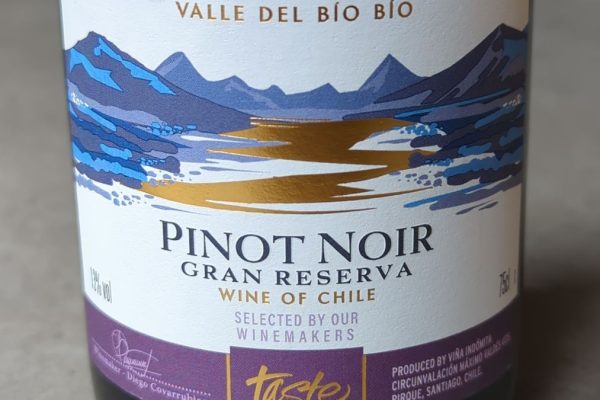
This is a new vintage of one of my highlights of 2025. I first came across the 2023 release at the Sainsbury’s Spring Summer Press Tasting and later explored it in more depth at home. It also featured in my Pinot Noir retrospection. The 2024 vintage, now with an updated front label, received recognition at both the IWC and IWSC 2025 competitions, so I was keen to try it. As with the earlier vintage, the wine is made by Diego Covarrubias of Viña Indómita, a respected figure in Chilean winemaking and regularly praised by critic James Suckling. At first, I…
-
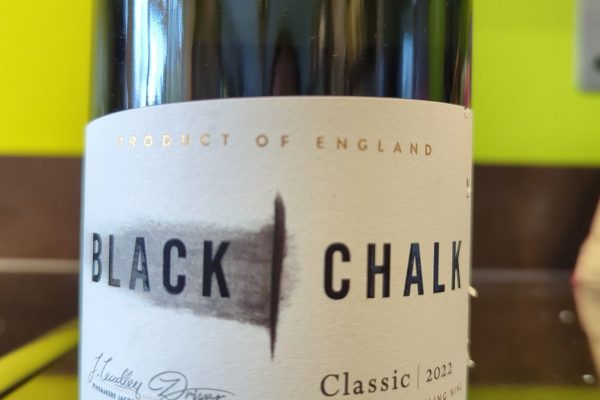
Black Chalk Classic
We celebrated with a bottle of Black Chalk Classic on Christmas Day ’25 and it brought a real spark to the occasion. From the Test Valley in Hampshire, Black Chalk is run by Jacob Leadley, an award-winning winemaker, along with his family. Their approach is focused and artisan, producing traditional method sparkling wines in small batches. The grapes come exclusively from a handful of chalk downland vineyards in Hampshire. There’s a clear intention not to mimic Champagne. Instead, they aim to produce something with its own character and intrigue. The 2022 vintage comes in at 12% ABV and is a…
-

Journey’s End Sir Lowry Cabernet Sauvignon
This wine is a thoughtful gift that arrived courtesy of a generous house guest, so thank you Hugh! It comes from South Africa, more precisely from the foothills of the Hottentot Mountains. Its name pays tribute to Sir Lowry’s Pass, a well-known landmark close to the winery in the Western Cape, itself named after Sir Galbraith Lowry Cole, a British colonial figure who served as Governor of the Cape from 1828. Made entirely from Cabernet Sauvignon, the 2023 vintage has spent 18 months in French oak. At 13.5% ABV, it pours with a slightly browning colour. The aromas is of…
-

Best from The Global Wine Masters 2025
The Drinks Business has unveiled the best of the best from The Global Wine Masters 2025. Following the assessment of nearly 4,000 wines across 33 standalone competitions throughout the year, a select group of bottles has been recognised as the finest in their category, each one a benchmark for its style and region. Here are the wines: Best Rosé – Garrus, Château d’Esclans, Provence, France (2023) – £100Best Champagne – Piper-Heidsieck 2018, Champagne, France – £80Best Sparkling Wine – Ayala La Perle 2015, Champagne, France – £140Best Prosecco – Bisol 1542 Valdobbiadene Cartizze DOCG Dry 2024, Veneto, Italy – £36Best…
-
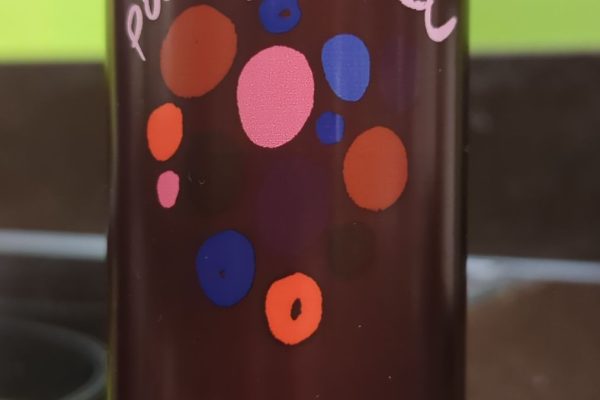
Poulsard Fruitiere Vinicole D’Arbois
Given to me at the end of The Wine Society press tasting tucked inside a goody bag this wine came in a can that suggested something far simpler perhaps a run-of-the-mill Merlot-style red. It was a surprise to find something far more engaging inside. This wine comes from Jura in eastern France produced by Fruitière Vinicole d’Arbois one of the country’s oldest co-operatives based in Arbois. It’s made entirely from Poulsard, also known locally as Ploussard, a red grape variety native to the region and grown almost nowhere else. Poulsard is known for its delicate skin and low pigment producing…
-
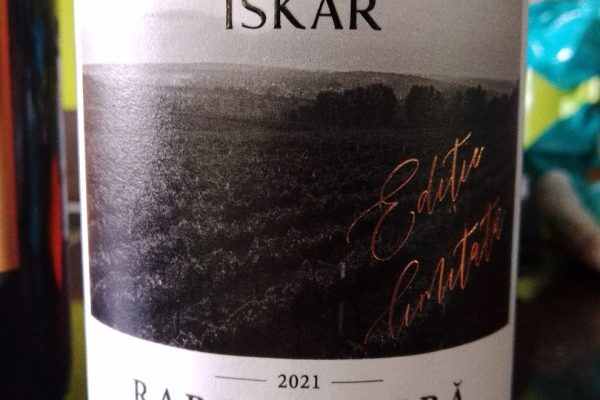
Iskar Rară Neagră
This is a return to a wine that was my favourite during the Autumn/Winter Aldi press tasting. From Asconi Winery in Moldova, a family-run venture established in 1994, their focus has always been on producing the best possible wines by embracing the latest, specifically Italian, technology. The 2021 vintage comes in at 13.5% abv and is made from 85% Rară Neagră, 10% Merlot and 5% Cabernet Sauvignon. It delivers exactly as it did at the tasting. A strong aroma brings rich dark fruit with a lovely thread of smokiness running through it. The taste leans into an initially sweet-tinged profile,…
Pick Lists
Majestic | The Wine Society | Tesco | Waitrose | Sainsbury’s | Morrisons | Co-op | Asda | Lidl | £7 and Under | Over £20
Did You Know?
Australian wine exports to China have collapsed from around $1.2 billion to less than $10 million. More
Wine’s aroma is not determined solely by which flavour compounds it contains. More
Low-to-moderate wine consumption is associated with lower mortality. More
Moderate water stress can be part of what creates flavour and terroir expression. More
Wine appears less frequently online than other alcoholic drinks. More
Independent retailers had 9% fewer customers in March 2026 than two years earlier. More
Average spend per bottle in independents has risen by 23% since 2019, compared with 21% in supermarkets. More.
Nearly a third (32%) of UK consumers say they have already used AI for alcoholic drinks advice. More
Among socially active wine buyers, 37% have bought a wine recommended online. More
In 2026, 72% of consumers now think wine knowledge is essential to appreciation, up 20 percentage points on 2025. More
Rías Baixas wines reached more than 107 countries in 2025 and exports represented 31 per cent of the denomination’s total sales. More
Light Strike Can Cause Wine Degradation in Just One Day. More
People actively adjust their wine choices depending on who might see them. More
In the UK, 73% of Alcohol is Bought From Retail Rather Than Hospitality. More
UK wine production reached 124,377 hectolitres that year, meaning the UK accounted for roughly 0.05 per cent of world output. More
For Crémant, grapes must be harvested by hand and the wines must undergo at least nine months’ ageing before release. More
In 2024, the UK was the second-largest export market for Champagne globally, after the United States. More
Local UK bottling of wine represents about 40% of imported wine. More
Around 1% of people, typically severe asthmatics, have a sulphite sensitivity. More
A large 80% of Australian wine arrives in the UK in bulk. More
Only about 0.02% of Australia’s landmass is dedicated to vineyards. More
In 2024, New Zealand produced only 1% of the World’s wine. More
In 2024, the US imported 37% of World production of Pinot Grigio and the UK was is in second place at 27%. More
In 2024, the UK was South Africa’s largest export market, with 40% of total exports. More
In 2024, the United Kingdom imported 22.3 million bottles of Champagne, a decline of 12.7% compared to the previous year. More
Larger Champagne producers source grapes from as many as 80 different vineyards throughout Champagne. More
Champagne houses and growers collectively produce around 300 million bottles annually. More
In 2025, the Champagne region was home to about 2,124 Champagne houses and approximately 19,000 growers. More
Provence is one of the leaders in the conversion to organic viticulture, with 61% of vineyards certified. More
8% of the South Africa’s grape production is Fairtrade-certified. More
Up to 80% of wine aroma compounds come from grape skins. More
Glycerol is the third-largest component of most dry wines after water and alcohol which is why they so often feel ‘smooth’ or ‘silky’ in the mouth. More
Humans are more than 400 times more sensitive to bitter than sweet. More
Humans can detect the earthy molecule geosmin at about 100 parts per trillion and camels are so sensitive to it they can locate damp ground from roughly 50 miles away. More
During the phylloxera crisis of the nineteenth century, 90% of Europe’s vineyards were destroyed. More
In 2025, for La Vieille Ferme, also known as “The Chicken Wine”, sales surged by 49.4% to £110.8 million. More
In 2025, in the UK, Yellow Tail held the top position with sales, marking a 9.8% increase over the previous year. More
In 2024, the UK was the second-largest wine importer in volume and value. More
In 2024, the UK was the fifth-largest wine-consuming country globally. More
In 2025, global wine consumption continued its downward trend, estimated at 214.2 million hectolitres, the lowest since 1961. More
In 2025, online alcohol sales had a 20% increase in value over five years. More
In 2025, the number of UK vineyards rose to 1,104 and wineries to 238, with land under vine expanding to 4,841 hectares, a 510% increase since 2005. More
Moët Hennessy alone commands nearly 46.66% of the Champagne market, with the top three producers together holding about 61%, and the top five controlling over 72%. More
In 2024, the Champagne market was worth roughly €3.92 billion. More
In the marketing year 2023/24, white wine accounted for roughly 55% of Spain’s output, whereas red and rosé together made up about 45%. More
In the UK, 92% of wine is consumed within 48hrs of purchase. More
The majority of wines, 95%, use commercial rather than wild yeast. More
Between 0.5 and 10 litres of water, per litre of wine, are needed for cleaning during winemaking. More
Machine harvesting can achieve up to 100 tons of fruit per day vs 1 ton for a human. More
In Germany, 2025 was the smallest wine vintage since 2010. More
The majority of vineyards, 90% in 2019, are farmed with heavy chemical interventions. Only 6% are organic. More
90% of low and coastal areas in south Europe and California will no longer be able to produce good wine by the end of the century. More
IMAGE WALL
Tools
Recent





Tags
25% Off Wine Aldi Amarone Argentina Articles Asda Australia Austria Award Awards25 Bizarre Blog Books Bordeaux Bulk Bottling Cabernet Sauvignon Carménère Cava Champagne Chardonnay Chile Climate Change Coop Crémant Decanter Duty English Wine EPR Fairtrade Food France Germany Glossary Greece Health Hungary Italy IWSC Jeroboams Laithwaites Legislation Liberty Wines Lidl Low Alcohol M&S Majestic Malbec Merch Merlot Morrisons Natural Nero d'Avola News New Zealand Non-Alcoholic Ocado Old Vine Organic Past Tastings Pick List Pinotage Pinot Grigio Pinot Noir Port Portugal Primitivo Prosecco Research Reviews Ribera del Duero Riesling Rioja Ripasso Rose Sainsbury's Saperavi Sauvignon Blanc Shiraz Sicily South Africa Spain Sparkling Supermarkets Sustainable Tax Terroir Tesco The Wine Society Unrepresented USA Valpolicella Virgin Wines Waitrose Wanderlust Welsh Wine What to Buy Wine Art WineGB WIne Glasses Zinfandel