Glossary
Definitions with extra insight
-

Reductive
A reductive wine is usually a faulty wine that has been exposed to too little oxygen during its production or storage. This lack of oxygen can lead to the development of undesirable aromas and flavours. In reductive wines, you might detect sulphur-like smells, which can range from struck match and rubber to rotten eggs or even sewage. These aromas are generally considered off-putting and can detract from the wine’s overall quality. The term ‘reductive’ can also describe a specific aroma or flavour profile in a wine. These aromas can often dissipate with aeration, revealing the wine’s true character. Some people…
-

Field Blend
A field blend wine refers to a wine made from two or more grape varieties that are grown together in the same vineyard, harvested at the same time and then co-fermented together. This is in contrast to wines where different grape varieties are grown in separate plots, harvested at different times, and then blended together after individual fermentation. Historically, field blends were quite common. Before the advent of modern viticulture and winemaking techniques, vineyard owners would plant multiple grape varieties together in a single vineyard so that if one grape variety failed due to disease or adverse weather conditions, others…
-

Terroir
‘Terroir’ is a French term, steeped in sentiments, debates and controversy. Though it fundamentally translates to “a sense of place”, its meaning varies for different people. Terroir encapsulates the unique blend of both natural and human influences that endow wine with its distinct character. It speaks of everything from the soil’s constitution where the grapes grow to the regional climate and the methodologies employed in both viticulture and winemaking. When a sip of wine has the power to transport you to a specific region or vineyard, that is caused by the terroir. Its paramount importance lies in its ability to…
-

Orange Wine
Orange wine is a type of wine made by fermenting white grape juice in contact with its skins for an extended period. This process is similar to how red wines are made, but it’s applied to white grapes. The extended skin contact gives the wine its characteristic orange or amber colour. The practice of making wine in this manner dates back thousands of years, with origins in the Caucasus region, particularly in countries like Georgia. In recent years, orange wines have seen a resurgence in popularity, especially among enthusiasts of natural and biodynamic wines. Taste-wise, orange wines are known for…
-

Natural Wine
Natural wine, sometimes referred to as ‘natty wine’, is a type of wine that’s made with minimal intervention in both the vineyard and the winemaking process. Typically, this implies grapes that have been picked by hand and grown organically, with no additions. This means no added yeast, enzymes, enrichment, acidification, filtration or temperature control. The idea behind natural wine is to let the grapes and the fermentation process work for themselves without the influence of additives or heavy-handed winemaking techniques. Originating in the early 2000s, this term has become a buzzword in the wine community. Natural wine is often described…
-
Ripasso
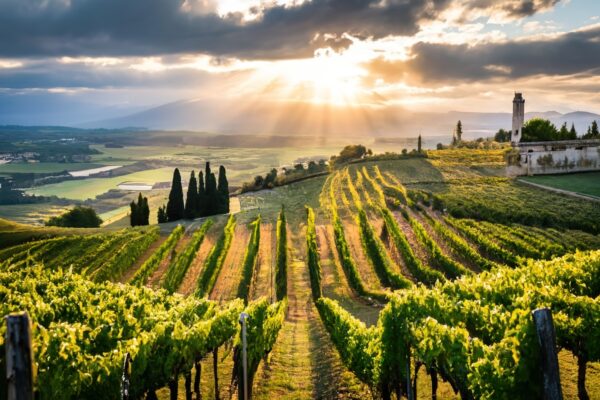
The word “Ripasso” literally means ‘re-passed’ in Italian. This term is used to describe a specific winemaking technique that involves a second fermentation process. Originally, this method was developed in the Veneto region of Italy, and it is most commonly associated with Valpolicella wines. After the initial fermentation of the wine, the young wine is added to a cask containing the skins and lees left over from the production of Amarone or Recioto (a sweet wine and ancestor of Amarone), other wines from the same region. The wine then undergoes a second fermentation, absorbing additional tannins, flavours and complexities from…
-

Appassimento
An Italian winemaking technique where grapes are partially dried before fermentation. This process concentrates the sugars and flavours in the grapes, resulting in wines that are richer, more robust and often higher in alcohol content. The technique is most commonly associated with Italy, particularly for wines like Amarone and some styles of Valpolicella. The length of the Appassimento process can vary. The drying phase alone can last from a few weeks to several months, depending on the desired style of wine, the grape variety, and the conditions in which the grapes are dried. Some Amarone wines, for example, involve drying…
-
Minerality
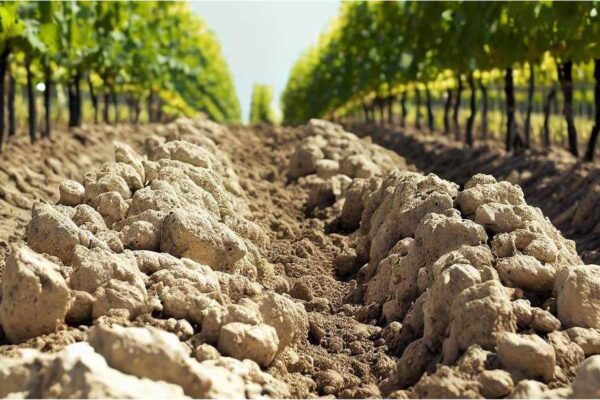
Minerality is a term used to describe a set of characteristics in wine that are reminiscent of flavours, aromas, or sensations that evoke wet stones, flint, chalk or other mineral-like qualities. The source of taste of minerality in wine is a complex and debated subject. Some believe it comes directly from the minerals in the soil where the grapes are grown. However, scientific research has not found a direct link between soil minerals and the taste of those minerals in wine. Instead, minerality is likely a combination of several factors. The climate and geographical location, the way a wine is…
-
Hydrometer
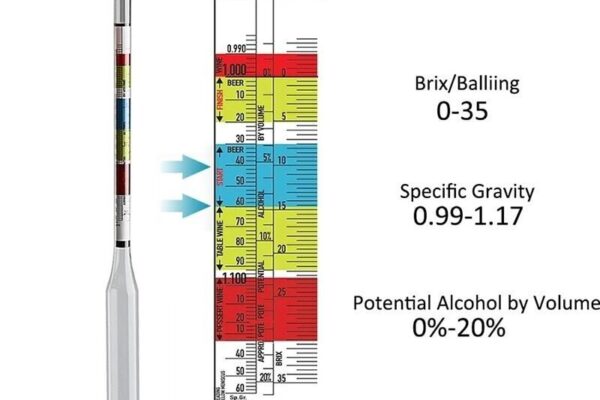
I sometimes use a hydrometer to measure the sweetness of wines (at home!), particularly when I am unsure of the sweetness. While it’s usually easy to assess whites, reds can sometimes be deceiving. A hydrometer measures the specific gravity (SG) of a liquid, which is a measure of its density relative to water. In winemaking, it’s used to determine the sugar content of the must (unfermented grape juice) or wine, which can give an indication of potential alcohol content and sweetness. The specific gravity of a liquid is affected by the amount of sugar dissolved in it. As the sugar…
-
Finish
The wine finish refers to the taste that lingers after tasting a wine. Finish is an important aspect that reveals the depth, complexity and quality of a wine. The finish can vary greatly, being short or long, simple or complex and smooth or harsh. Factors such as the type of grape, the terroir, winemaking techniques, alcohol content, tannins, sweetness and acidity all play a part in shaping the finish. A short finish may indicate a less complex wine, while a long or complex finish often signifies a high-quality, well-balanced wine. Understanding the finish can greatly elevate the wine tasting experience,…
-
Brut
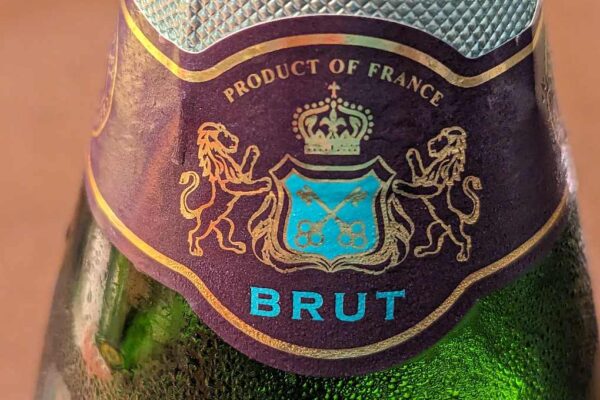
In the sparkling wine industry, the term ‘Brut’ is used to classify the sweetness level of the wine, which is determined by the amount of residual sugar left in the wine after fermentation. Here is a broad classification of the sweetness levels, starting from the driest:
-
Lees
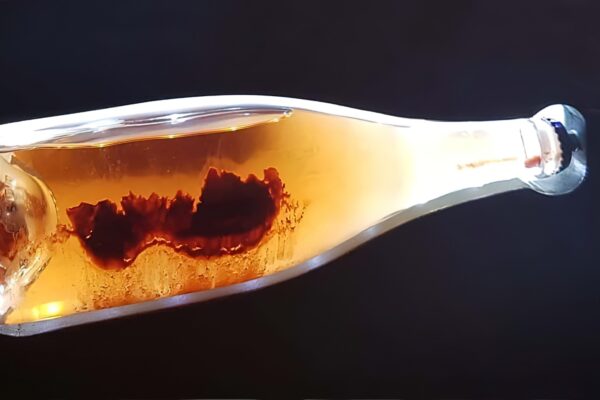
Wine lees are the solid remnants that settle at the bottom of the fermentation vessel during the winemaking process. They are a mixture of spent yeast cells, grape particles and other organic matter. Some wines, like Champagne, certain Chardonnays and Muscadets, are aged on their lees, a process known as “sur lie” aging. This can add depth, richness, and complexity to the wine. The breakdown of yeast cells in lees releases compounds that can impart biscuity, brioche and toasty notes. Other traditional method sparkling wines, such as Cava from Spain or Crémant from various regions in France, can also exhibit…
-
Corked
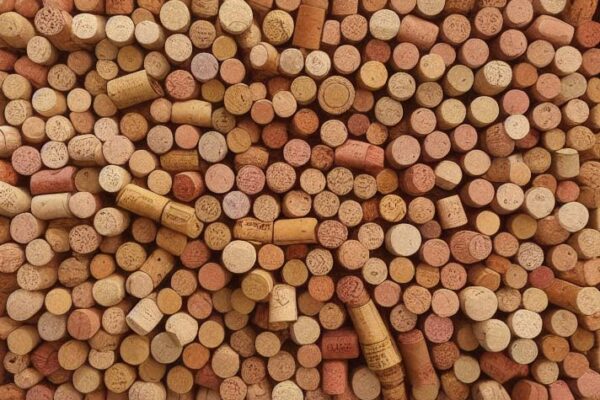
A term that denotes a wine that has suffered cork taint, which is characterised by a mouldy, musty or wet cardboard smell or taste. This condition is not related to the bits of cork that occasionally fall into the bottle when opening. Instead, it refers to the wine being tainted by a chemical compound called 2,4,6-trichloroanisole (TCA). TCA is a compound that forms when natural fungi, which are present in cork, come into contact with certain chlorides found in bleaches and other winery sanitation products. Even in very low concentrations, TCA can cause a wine to smell and taste musty.…
-
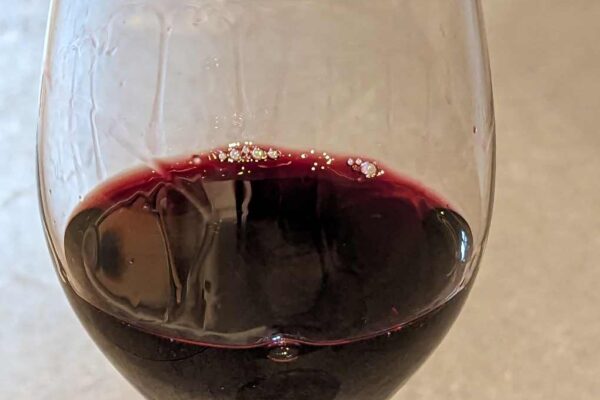
Wine Legs
The tracks of liquid that cling to the sides of a glass after the contents have been swirled. Also known as wine tears. This happens due to interaction between several factors: the alcohol content in the wine, the surface tension of the liquid, and the phenomenon known as the Gibbs-Marangoni effect. The Gibbs-Marangoni effect, describes the flow of liquid caused by gradients in surface tension. In the case of wine, the alcohol and water have different surface tension and evaporate at different rates because alcohol evaporates faster than water. When you swirl wine in a glass, a thin film of…
-
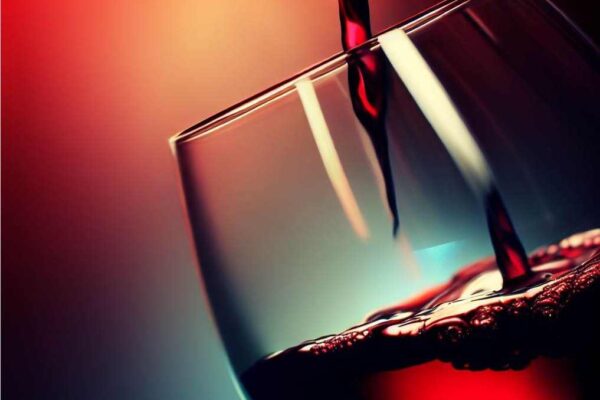
Acidity
The presence of natural fruit acids that lend a tart, crisp taste to wine. Essential for balance and structure in the wine and its longevity. Acidity is an inherent trait present in all wines, which is characterized by a pH level below 7. Generally falling within a range of 2.8 to 4.0, wine acidity is influenced by various factors, with white wines typically exhibiting higher acidity levels than their red counterparts. Wines with elevated acidity are often perceived as fresher, livelier and more vibrant on the palate. This crucial element plays a role in balancing the wine, ensuring it does…
-
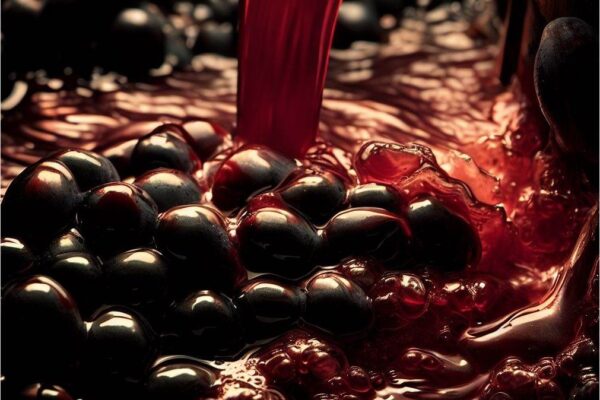
Tannin
Tannins are natural compounds, known as polyphenols, found in the grape skins, seeds and stems that contribute to the drying, astringent sensation in the mouth. The name ‘tannin’ comes from the old French word ‘tanin’, meaning tanning substance. This is because tannins were historically used in the process of tanning animal hides, due to their ability to bind to proteins, making them less water-soluble and more resistant to bacterial attacks. In the winemaking process, tannins can be managed through maceration, the process of fermenting wine in contact with grape skins and seeds. The length of this process impacts the amount…
Pick Lists
Majestic | The Wine Society | Tesco | Waitrose | Sainsbury’s | Morrisons | Co-op | Asda | Lidl | £7 and Under | Over £20
Did You Know?
Australian wine exports to China have collapsed from around $1.2 billion to less than $10 million. More
Wine’s aroma is not determined solely by which flavour compounds it contains. More
Low-to-moderate wine consumption is associated with lower mortality. More
Moderate water stress can be part of what creates flavour and terroir expression. More
Wine appears less frequently online than other alcoholic drinks. More
Independent retailers had 9% fewer customers in March 2026 than two years earlier. More
Average spend per bottle in independents has risen by 23% since 2019, compared with 21% in supermarkets. More.
Nearly a third (32%) of UK consumers say they have already used AI for alcoholic drinks advice. More
Among socially active wine buyers, 37% have bought a wine recommended online. More
In 2026, 72% of consumers now think wine knowledge is essential to appreciation, up 20 percentage points on 2025. More
Rías Baixas wines reached more than 107 countries in 2025 and exports represented 31 per cent of the denomination’s total sales. More
Light Strike Can Cause Wine Degradation in Just One Day. More
People actively adjust their wine choices depending on who might see them. More
In the UK, 73% of Alcohol is Bought From Retail Rather Than Hospitality. More
UK wine production reached 124,377 hectolitres that year, meaning the UK accounted for roughly 0.05 per cent of world output. More
For Crémant, grapes must be harvested by hand and the wines must undergo at least nine months’ ageing before release. More
In 2024, the UK was the second-largest export market for Champagne globally, after the United States. More
Local UK bottling of wine represents about 40% of imported wine. More
Around 1% of people, typically severe asthmatics, have a sulphite sensitivity. More
A large 80% of Australian wine arrives in the UK in bulk. More
Only about 0.02% of Australia’s landmass is dedicated to vineyards. More
In 2024, New Zealand produced only 1% of the World’s wine. More
In 2024, the US imported 37% of World production of Pinot Grigio and the UK was is in second place at 27%. More
In 2024, the UK was South Africa’s largest export market, with 40% of total exports. More
In 2024, the United Kingdom imported 22.3 million bottles of Champagne, a decline of 12.7% compared to the previous year. More
Larger Champagne producers source grapes from as many as 80 different vineyards throughout Champagne. More
Champagne houses and growers collectively produce around 300 million bottles annually. More
In 2025, the Champagne region was home to about 2,124 Champagne houses and approximately 19,000 growers. More
Provence is one of the leaders in the conversion to organic viticulture, with 61% of vineyards certified. More
8% of the South Africa’s grape production is Fairtrade-certified. More
Up to 80% of wine aroma compounds come from grape skins. More
Glycerol is the third-largest component of most dry wines after water and alcohol which is why they so often feel ‘smooth’ or ‘silky’ in the mouth. More
Humans are more than 400 times more sensitive to bitter than sweet. More
Humans can detect the earthy molecule geosmin at about 100 parts per trillion and camels are so sensitive to it they can locate damp ground from roughly 50 miles away. More
During the phylloxera crisis of the nineteenth century, 90% of Europe’s vineyards were destroyed. More
In 2025, for La Vieille Ferme, also known as “The Chicken Wine”, sales surged by 49.4% to £110.8 million. More
In 2025, in the UK, Yellow Tail held the top position with sales, marking a 9.8% increase over the previous year. More
In 2024, the UK was the second-largest wine importer in volume and value. More
In 2024, the UK was the fifth-largest wine-consuming country globally. More
In 2025, global wine consumption continued its downward trend, estimated at 214.2 million hectolitres, the lowest since 1961. More
In 2025, online alcohol sales had a 20% increase in value over five years. More
In 2025, the number of UK vineyards rose to 1,104 and wineries to 238, with land under vine expanding to 4,841 hectares, a 510% increase since 2005. More
Moët Hennessy alone commands nearly 46.66% of the Champagne market, with the top three producers together holding about 61%, and the top five controlling over 72%. More
In 2024, the Champagne market was worth roughly €3.92 billion. More
In the marketing year 2023/24, white wine accounted for roughly 55% of Spain’s output, whereas red and rosé together made up about 45%. More
In the UK, 92% of wine is consumed within 48hrs of purchase. More
The majority of wines, 95%, use commercial rather than wild yeast. More
Between 0.5 and 10 litres of water, per litre of wine, are needed for cleaning during winemaking. More
Machine harvesting can achieve up to 100 tons of fruit per day vs 1 ton for a human. More
In Germany, 2025 was the smallest wine vintage since 2010. More
The majority of vineyards, 90% in 2019, are farmed with heavy chemical interventions. Only 6% are organic. More
90% of low and coastal areas in south Europe and California will no longer be able to produce good wine by the end of the century. More
IMAGE WALL
Tools
Recent



Tags
25% Off Wine Aldi Amarone Argentina Articles Asda Australia Austria Award Awards25 Bizarre Blog Books Bordeaux Bulk Bottling Cabernet Sauvignon Carménère Cava Champagne Chardonnay Chile Climate Change Coop Crémant Decanter Duty English Wine EPR Fairtrade Food France Germany Glossary Greece Health Hungary Italy IWSC Jeroboams Laithwaites Legislation Liberty Wines Lidl Low Alcohol M&S Majestic Malbec Merch Merlot Morrisons Natural Nero d'Avola News New Zealand Non-Alcoholic Ocado Old Vine Organic Past Tastings Pick List Pinotage Pinot Grigio Pinot Noir Port Portugal Primitivo Prosecco Research Reviews Ribera del Duero Riesling Rioja Ripasso Rose Sainsbury's Saperavi Sauvignon Blanc Shiraz Sicily South Africa Spain Sparkling Supermarkets Sustainable Tax Terroir Tesco The Wine Society Unrepresented USA Valpolicella Virgin Wines Waitrose Wanderlust Welsh Wine What to Buy Wine Art WineGB WIne Glasses Zinfandel