
Articles
-
Understanding Wines of Alentejo, Portugal
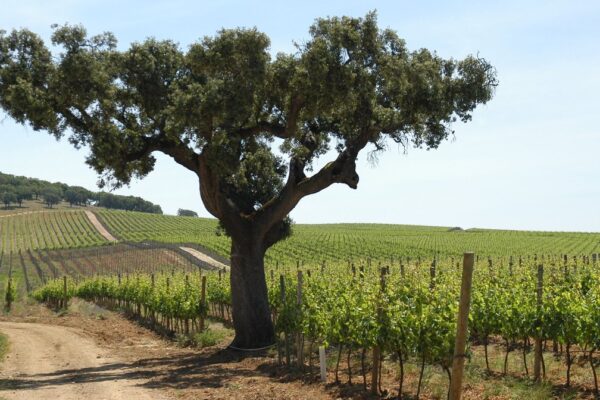
This region blends age-old practices with modern techniques, producing wines that are highly regarded both in Portugal and across the globe. The geography of Alentejo is marked by rolling plains, varied soil types and a Mediterranean climate. Soils such as schist, clay, granite, marble and limestone provide the perfect foundation for grape cultivation. The predominantly hot and dry climate, with a strong continental influence, further enhances the conditions for growing high-quality grapes. Alentejo is subdivided into eight distinct sub-regions: Borba, Évora, Granja-Amareleja, Moura, Portalegre, Redondo, Reguengos, and Vidigueira. Each of these sub-regions contributes to the region’s wine diversity. Portalegre, with…
-
Understanding Pinot Grigio
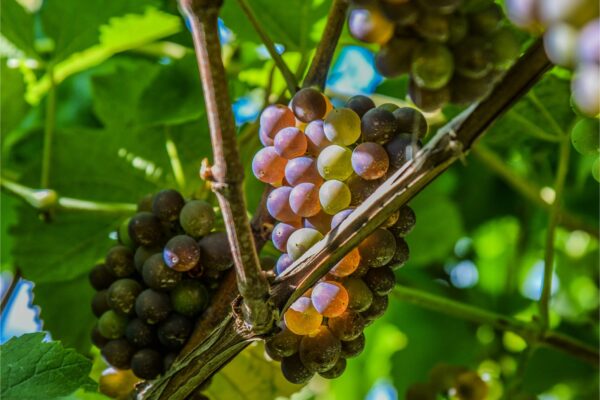
Pinot Grigio, also known as Pinot Gris, has become one of the world’s most popular grapes for white wines. This versatile grape variety produces wines ranging from light and crisp to rich and full-bodied, appealing to a wide range of consumers. Despite the often disdainful attitude towards it from wine aficionados, Pinot Grigio has established itself as one of most commercially important and widely popular grape varieties, offering great taste at a relatively low cost. The US imports 37% of World production and the UK is second place at 27%. Its success is particularly notable in the United Kingdom, where…
-

Understanding Greek Wines
Greek wines have a rich history dating back thousands of years, with a diverse array of grape varieties, wine regions and styles that are gaining increasing recognition on the global stage. White wines make up about 60% of total production, while red wines account for about 40%. Greece has a significant number of wineries, ranging from small family-owned operations to larger commercial producers. There are more than 1200 wineries and 180,000 growers spread across the country’s various wine regions. Greek wine exports to the UK have been growing in recent years, as British consumers become more interested in exploring diverse…
-
Understanding Pinot Noir
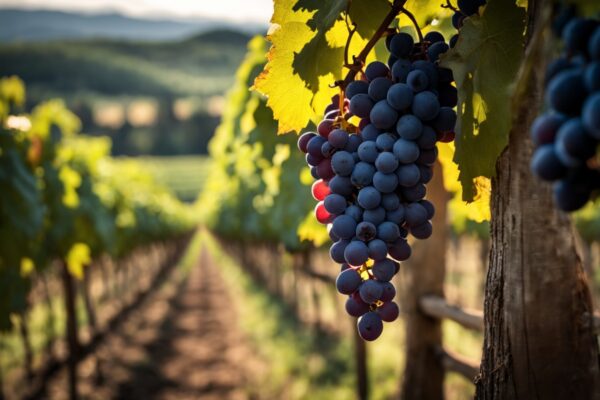
Pinot Noir is a captivating red wine that transcends its reputation as merely a lighter red option. The name ‘Pinot Noir’ derives from the French words for ‘pine’ and ‘black’, referring to the grape’s tightly clustered, pine cone-shaped bunches and dark skin. This noble grape variety thrives primarily in cooler climates, with its spiritual home in Burgundy, France, though it has found success in regions like Oregon, New Zealand and parts of Germany, Chile and Italy. Viticulturally, Pinot Noir presents numerous challenges. Its thin skin makes it susceptible to various diseases and pests, while its early budding leaves it vulnerable…
-

Wine and Health
Recent declines in wine consumption have been linked to growing public health concerns, particularly those raised by the World Health Organisation (WHO) who have increasingly voiced concerns about alcohol consumption, culminating in a statement declaring that there is “no safe level” of alcohol consumption. This message reflects the influence of public health campaigns and some non-governmental organisations advocating for temperance, which has sparked considerable debate. Remember also, that this is the same WHO that had serious failures during the Covid pandemic. As someone who implicitly promotes wine, it would be remiss of me not to address the relationship between wine…
-
Understanding Sicilian Wines
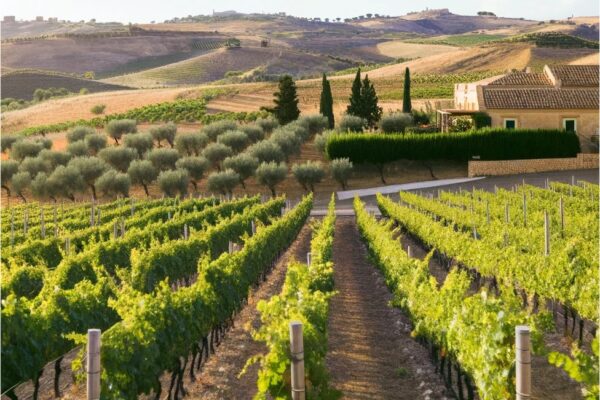
Sicily, the largest island in the Mediterranean, is not only known for its rich history and stunning landscapes but also for its vibrant and diverse wine culture. The Controlled Designation of Origin (DOC) for Sicilian wines was established on 22nd November 2011. Wine Regions of Sicily Sicily’s main wine regions can be broadly divided into several key areas, each with its distinct characteristics: EtnaSituated around the slopes of Mount Etna, this region is renowned for its volcanic soils, which impart a unique minerality to the wines. The high altitude and cooler temperatures allow for a longer growing season, producing wines…
-
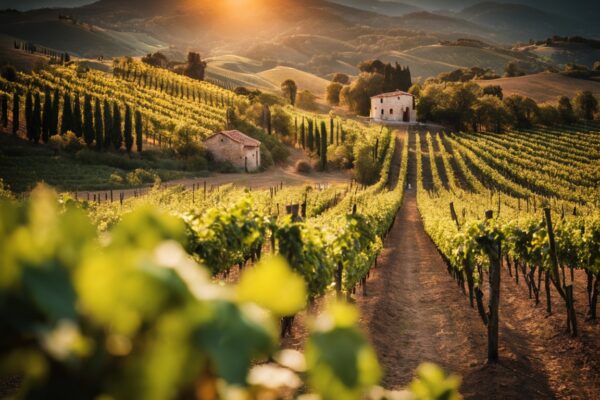
Understanding Italian Wines
Italy’s wine is an intricate tapestry woven from centuries of tradition, regional diversity and a large number of grape varieties. Each of Italy’s 20 regions offers a unique contribution to the country’s vast and varied wine portfolio: In 2022, Italy was the world’s largest wine producer accounting for nearly one-fifth of the global wine supply. However, in 2023, France overtook Italy, producing a slightly higher volume. These are the main wine regions in Italy: Northern Italy Piedmont: Nestled at the foot of the Alps, Piedmont is famed for its noble Nebbiolo grape, which yields the celebrated Barolo and Barbaresco wines.…
-
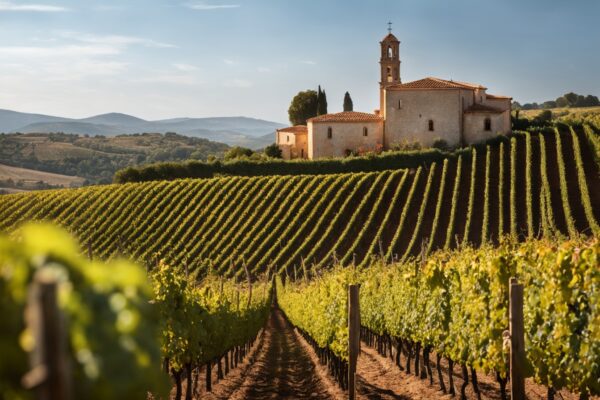
Understanding Spanish Wines
Spain is one of the world’s largest wine producers, consistently ranking within the top three countries, with an annual production that typically exceeds 30 million hectolitres. The country’s vast vineyard area, the largest in the world, allows for a wide range of wine styles, influenced by the varying climates and soils across different regions. The Spanish wine industry is a major player in international markets, exporting approximately about half of its total wine production. These exports reach over 100 countries, with significant volumes shipped to France, Germany, the USA and the UK. The UK is one of the leading importers…
-
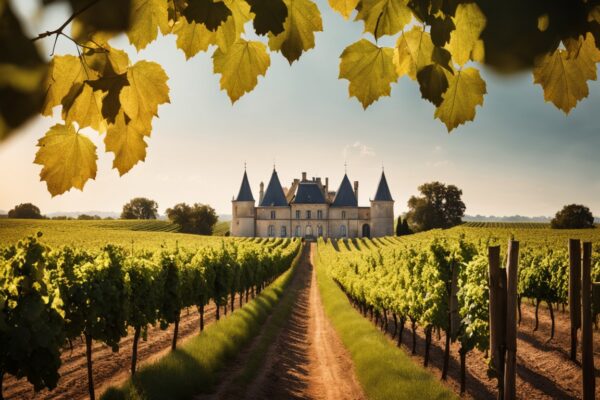
Understanding Bordeaux Wines
Located in the southwest of France, Bordeaux is renowned for its vast vineyards and historically significant châteaux. As the largest French region for quality wine production, Bordeaux’s influence stretches across centuries, shaping the taste and expectations of wine enthusiasts around the world. The Bordeaux wine industry is comprised of approximately 5,000 winemakers and 29 cooperative wine cellars, collectively employing over 60,000 people. The 2023 harvest yielded 3.8 million hectolitres, equivalent to about 512 million bottles of wine. The composition of the wines produced in 2023 was predominantly red, accounting for 81% of the total production. Dry white wines represented 11%,…
-

Understanding Portuguese Wines
Portugal’s winemaking heritage is not only shaped by the country’s extensive range of climates and terroirs but also by the passionate commitment of its winemakers to both innovation and the preservation of centuries-old practices. In 2020, Portugal solidified its position on the international wine stage as the 10th largest exporter by volume and 11th by value to the United Kingdom. The United Kingdom, along with 20 other markets, forms the core of Portugal’s strategic focus for wine promotion, highlighting the country’s proactive efforts in expanding its wine footprint globally. Portugal has 14 designated wine regions each offering a distinct viticultural…
-

Understanding Furmint
Furmint is a white Hungarian grape variety that plays a significant role in the production of Tokaji Aszú, one of the world’s oldest sweet wines. However, Furmint is also used to make a variety of other wine styles, each showcasing the grape’s versatility and unique characteristics. Furmint is also grown in Slovenia, Slovakia, Croatia, Austria and Serbia. In 2022, the area dedicated to wine production covered 56,252 hectares, with about 70% of this area planted with white grape varieties. The wine region encompasses 22 distinct areas and has 33 Protected Designation of Origin (PDO) certifications, highlighting the diversity and quality…
-
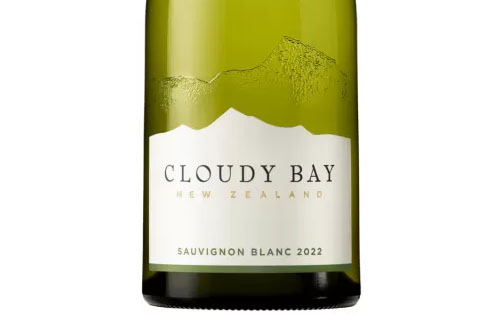
Understanding New Zealand Wine
New Zealand produces only 1% of the world’s wine but has carved a niche for itself. With 731 wineries, over 80% of which export to international markets, New Zealand has firmly established its presence internationally. The UK has become the second-largest market for these wines, following behind the USA. The international breakthrough for New Zealand wine came in the 1980s with the introduction of Marlborough’s Sauvignon Blanc. Today, New Zealand boasts ten main wine-growing regions, each within 130 kilometres (80 miles) of the sea. This proximity to the ocean plays a crucial role in defining the distinct character of New…
-

Understanding Australian Wine
Despite Australia’s immense size, only about 145,000 hectares, about 0.02% of its landmass, is dedicated to vineyards. For comparison, the vineyard area is roughly equivalent to the combined regions of Bordeaux and Burgundy, in France. Australia’s wine regions, numbering over 65 and hosting more than 150 grape varieties, are scattered across various states including New South Wales, South Australia, Tasmania, Victoria and Western Australia. These regions benefit from a unique combination of geographical factors. The continent’s latitude, maritime influences and elevation contribute to a surprisingly diverse range of climates. The Southern Hemisphere location of Australia means its seasons are inverted…
-
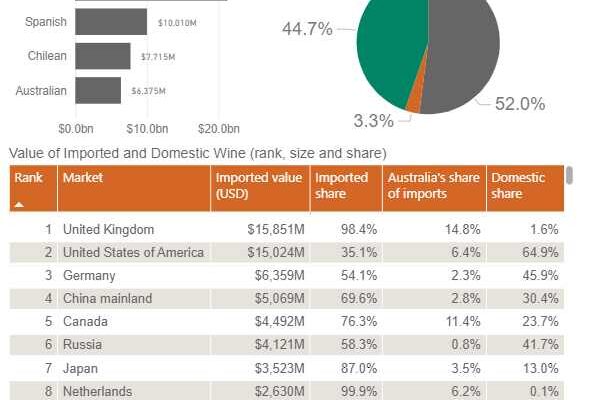
Global Wine Trends: Consumption and Market Shares
Wine Australia’s Market Explorer provides fascinating insights into the global wine market, revealing not just how different countries consume wine, but also the nuances of the market shares. The data paints a picture of the dominance of domestic wines globally, holding a majority market share of 52%. This suggests a prevalent preference for locally produced wines over imported ones. When it comes to exported wines, France leads, boasting a value significantly higher than other countries. It’s followed by Italy, Spain, Chile and then Australia. Interestingly, my home country, the United Kingdom emerges as the top market for Australian wine imports,…
-

Understanding Rioja
The Rioja region of Spain stretches from Tormantos to Alfaro and represents a tapestry of diverse climates, terrains and winemaking traditions. The 100 km expanse between these western and eastern limits encompasses the Atlantic and Mediterranean climates, fostering a unique environment for viticulture. The name ‘Rioja’ comes from the River Oja (Rio Oja in Spanish), which flows through the region. The region’s vineyards are beautifully arranged on hillside terraces, reaching altitudes of up to 900m. The Rioja wine region is a mosaic of 571 wineries distributed across 144 municipalities in three different Autonomous Communities: La Rioja, the Basque Country, and…
-
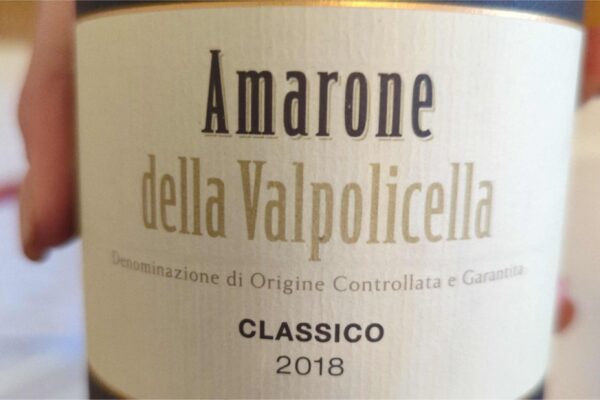
Understanding Valpolicella and Amarone
Valpolicella is a wine-producing region in Italy combining traditional techniques with the variable geography of the Verona province. Located between the Lessini Mountains and Lake Garda, Valpolicella’s landscape has a varying terrain – mountainous areas, hilly vineyards and fertile valley floors. In 2020, this region boasted a large €600 million turnover, with a significant 70% of its wine exported to 87 countries, demonstrating its global appeal. Valpolicella’s wine production uses diverse grape varieties, each contributing unique qualities to the final blends: Valpolicella has four main wine styles: Amarone and Recioto use the Appassimento technique. Grapes are specially selected and laid…
-

Understanding Ribera del Duero
Ribera del Duero, a wine region in Spain, is mainly known for its red wines. Situated along the Duero River in the northern plateau of the Iberian Peninsula, Ribera del Duero benefits from a unique climate, higher altitude and a rich winemaking heritage. The region gained its Denominación de Origen (DO) status in 1982. The region’s winemaking is centred around the Tempranillo grape, locally known as Tinta del País or Tinto Fino. This grape imparts deep colour, complex aromas and ageing potential to the wines. Sometimes, Tempranillo is blended with Garnacha, Cabernet Sauvignon, Merlot and Malbec to enhance complexity. Ribera…
-

What is Sustainable Wine?
Sustainable wine covers a range of practices aimed at diminishing the adverse impacts of wine production on the planet while ensuring the long-term viability for the industry. At the core of sustainable wine are organic and biodynamic practices. These are concerned with minimising the negative environmental impact of farming and food production and promoting soil health. The global relevance of sustainable practices in the wine industry is gaining momentum, addressing the challenges posed by the environmental impacts of agricultural processes. Certifications like the Demeter Biodynamic certification are being obtained by numerous wineries, together with demonstrating a commitment towards biodiversity, solar…
-
What is Appellation Marlborough Wine?
Appellation Marlborough Wine (AMW) is a certification mark signifying a commitment among some winemakers in Marlborough, New Zealand, to uphold high-quality standards and preserve the unique characteristics of wines produced in this region. Initiated and trademark registered in 2018, AMW primarily aimed to safeguard the authenticity, origin and integrity of Marlborough’s popular Sauvignon Blanc. The drive for AMW’s creation stemmed from concerns among local winemakers regarding the quality of Sauvignon Blanc bottled outside New Zealand, which potentially threatened the reputation of Marlborough wines. By being part of AMW, currently 53 AWM vintners aim to ensure consumers can reliably identify and…
-

Italy’s Wine Classifications
The top of Italian wine classification is the Denominazione di Origine Controllata e Garantita (DOCG). Wines under this category have undergone the most stringent regulations. They come from precisely delineated regions and have passed a meticulous taste examination and chemical tests. The regulations encompass aspects ranging from grape varieties and wine production methods to specific ageing requirements. Below DOCG in terms of rigidity is the Denominazione di Origine Controllata (DOC). Wines under this classification still signify high quality and originate from designated regions. They must conform to a set of stipulations concerning grape varieties, yield caps, wine production techniques and…
Pick Lists
Majestic | The Wine Society | Tesco | Waitrose | Sainsbury’s | Morrisons | Co-op | Asda | Lidl | £7 and Under | Over £20
Did You Know?
Australian wine exports to China have collapsed from around $1.2 billion to less than $10 million. More
Wine’s aroma is not determined solely by which flavour compounds it contains. More
Low-to-moderate wine consumption is associated with lower mortality. More
Moderate water stress can be part of what creates flavour and terroir expression. More
Wine appears less frequently online than other alcoholic drinks. More
Independent retailers had 9% fewer customers in March 2026 than two years earlier. More
Average spend per bottle in independents has risen by 23% since 2019, compared with 21% in supermarkets. More.
Nearly a third (32%) of UK consumers say they have already used AI for alcoholic drinks advice. More
Among socially active wine buyers, 37% have bought a wine recommended online. More
In 2026, 72% of consumers now think wine knowledge is essential to appreciation, up 20 percentage points on 2025. More
Rías Baixas wines reached more than 107 countries in 2025 and exports represented 31 per cent of the denomination’s total sales. More
Light Strike Can Cause Wine Degradation in Just One Day. More
People actively adjust their wine choices depending on who might see them. More
In the UK, 73% of Alcohol is Bought From Retail Rather Than Hospitality. More
UK wine production reached 124,377 hectolitres that year, meaning the UK accounted for roughly 0.05 per cent of world output. More
For Crémant, grapes must be harvested by hand and the wines must undergo at least nine months’ ageing before release. More
In 2024, the UK was the second-largest export market for Champagne globally, after the United States. More
Local UK bottling of wine represents about 40% of imported wine. More
Around 1% of people, typically severe asthmatics, have a sulphite sensitivity. More
A large 80% of Australian wine arrives in the UK in bulk. More
Only about 0.02% of Australia’s landmass is dedicated to vineyards. More
In 2024, New Zealand produced only 1% of the World’s wine. More
In 2024, the US imported 37% of World production of Pinot Grigio and the UK was is in second place at 27%. More
In 2024, the UK was South Africa’s largest export market, with 40% of total exports. More
In 2024, the United Kingdom imported 22.3 million bottles of Champagne, a decline of 12.7% compared to the previous year. More
Larger Champagne producers source grapes from as many as 80 different vineyards throughout Champagne. More
Champagne houses and growers collectively produce around 300 million bottles annually. More
In 2025, the Champagne region was home to about 2,124 Champagne houses and approximately 19,000 growers. More
Provence is one of the leaders in the conversion to organic viticulture, with 61% of vineyards certified. More
8% of the South Africa’s grape production is Fairtrade-certified. More
Up to 80% of wine aroma compounds come from grape skins. More
Glycerol is the third-largest component of most dry wines after water and alcohol which is why they so often feel ‘smooth’ or ‘silky’ in the mouth. More
Humans are more than 400 times more sensitive to bitter than sweet. More
Humans can detect the earthy molecule geosmin at about 100 parts per trillion and camels are so sensitive to it they can locate damp ground from roughly 50 miles away. More
During the phylloxera crisis of the nineteenth century, 90% of Europe’s vineyards were destroyed. More
In 2025, for La Vieille Ferme, also known as “The Chicken Wine”, sales surged by 49.4% to £110.8 million. More
In 2025, in the UK, Yellow Tail held the top position with sales, marking a 9.8% increase over the previous year. More
In 2024, the UK was the second-largest wine importer in volume and value. More
In 2024, the UK was the fifth-largest wine-consuming country globally. More
In 2025, global wine consumption continued its downward trend, estimated at 214.2 million hectolitres, the lowest since 1961. More
In 2025, online alcohol sales had a 20% increase in value over five years. More
In 2025, the number of UK vineyards rose to 1,104 and wineries to 238, with land under vine expanding to 4,841 hectares, a 510% increase since 2005. More
Moët Hennessy alone commands nearly 46.66% of the Champagne market, with the top three producers together holding about 61%, and the top five controlling over 72%. More
In 2024, the Champagne market was worth roughly €3.92 billion. More
In the marketing year 2023/24, white wine accounted for roughly 55% of Spain’s output, whereas red and rosé together made up about 45%. More
In the UK, 92% of wine is consumed within 48hrs of purchase. More
The majority of wines, 95%, use commercial rather than wild yeast. More
Between 0.5 and 10 litres of water, per litre of wine, are needed for cleaning during winemaking. More
Machine harvesting can achieve up to 100 tons of fruit per day vs 1 ton for a human. More
In Germany, 2025 was the smallest wine vintage since 2010. More
The majority of vineyards, 90% in 2019, are farmed with heavy chemical interventions. Only 6% are organic. More
90% of low and coastal areas in south Europe and California will no longer be able to produce good wine by the end of the century. More
IMAGE WALL
Tools
Recent





Tags
25% Off Wine Aldi Amarone Argentina Articles Asda Australia Austria Award Awards25 Bizarre Blog Books Bordeaux Bulk Bottling Cabernet Sauvignon Carménère Cava Champagne Chardonnay Chile Climate Change Coop Crémant Decanter Duty English Wine EPR Fairtrade Food France Germany Glossary Greece Health Hungary Italy IWSC Jeroboams Laithwaites Legislation Liberty Wines Lidl Low Alcohol M&S Majestic Malbec Merch Merlot Morrisons Natural Nero d'Avola News New Zealand Non-Alcoholic Ocado Old Vine Organic Past Tastings Pick List Pinotage Pinot Grigio Pinot Noir Port Portugal Primitivo Prosecco Research Reviews Ribera del Duero Riesling Rioja Ripasso Rose Sainsbury's Saperavi Sauvignon Blanc Shiraz Sicily South Africa Spain Sparkling Supermarkets Sustainable Tax Terroir Tesco The Wine Society Unrepresented USA Valpolicella Virgin Wines Waitrose Wanderlust Welsh Wine What to Buy Wine Art WineGB WIne Glasses Zinfandel