
Simon Judge
-

When Old Vintages Linger Too Long on the Shelf
I buy, and am sent, a lot of bottles, which means I get to see certain trends developing across the wine market. One that has become increasingly noticeable is the number of older vintages, or previous years’ releases, still sitting on retail shelves. From my perspective, it has caused quite a few bottles not to taste as they should. In these cases, I have chosen not to review them. You could describe these wines as ‘tired’, but the reality is that many mass-consumer wines are made to be drunk when they are released. A year or two later, they may…
-
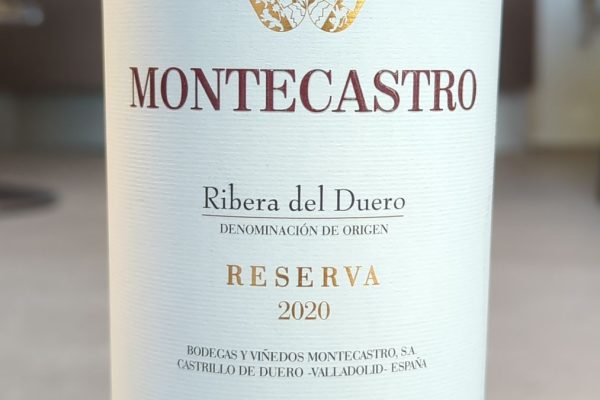
Montecastro Reserva Ribera del Duero
Montecastro Reserva Ribera del Duero 2020 is made from 95% Tempranillo and 5% Cabernet Sauvignon, with oak ageing in the mix. It has a high Vivino score of 4.1, Parker gives it 93 points, and Tim Atkin also scores it 93. I had the decanter ready, fully expecting this to be tannic and heavily oaked, as so many Ribera del Duero wines can be, but this one took me by surprise. It wasn’t like that at all. There’s oak there, certainly, along with a strawberry aroma. On tasting, it comes across as robust, dry, mouth-coating and very fruity. It feels…
-

Chianti DOCG Moves Towards Rosé in Major Rule Shake-Up
The Drinks Business says says Chianti DOCG is preparing a major revision of its production rules, with the headline change being the creation of an official Chianti Rosé category. This rosé would have its own production rules, could carry sub-zone names, would be released from 1 December in the harvest year and could not use governo all’uso Toscano or the traditional fiasco bottle. Other proposed changes include lowering the minimum Sangiovese in Chianti blends from 70% to 60%, capping Cabernet varieties at 15% across the appellation and 10% in Colli Senesi, and adding a new sub-zone called Terre di Vinci.…
-
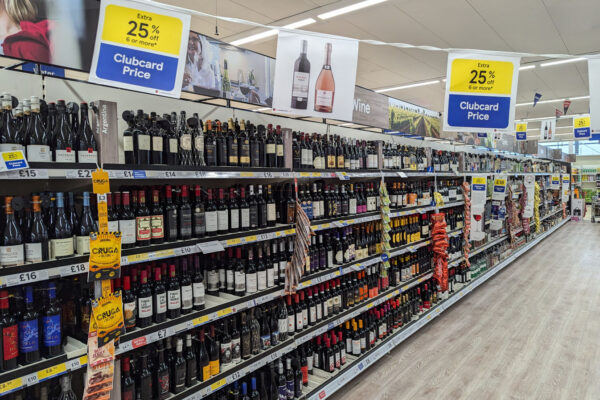
25% Off Wine at Tesco
Tesco has save 25% off wine with Clubcard when you buy 6+ bottles that are £6 and over (£7 in Wales) from 13 May 2026 until 18 May 2026. See the Spring/Summer press tasting for tips on what to buy.
-
IWC 2026 Results Announced
The IWC says entries rose by 7%, with the results presenting a broad picture of both established and emerging wine regions. France submitted the most wines and won the highest total number of Gold medals, while England had the strongest Gold conversion rate among major wine-producing countries, with 16.48% of its entries winning Gold. The strongest major-country Gold conversion rates were England, Australia, Portugal, Italy, France, Spain and New Zealand. Smaller-entry countries also performed well: Canada had the highest overall Gold conversion rate with four Golds, while Greece, Austria, Georgia, Japan, Turkey, Lebanon and North Macedonia were highlighted as signs…
-

The Best of South Africa 2026
In early May 2026, I went to Tim Atkin’s The Best of South Africa tasting, a curated selection of producers and wines from his 2025 South Africa Special Report. It brought together some of the best wines from the Cape, most of them presented by the people who made them. In the introduction to the tasting notes, Tim highlighted the incredible diversity of South African wine. The Cape can produce almost any style to an enviably high standard. This year’s tasting featured 346 wines from 81 producers. This time, I decided to focus only on wines priced at £25 and…
-
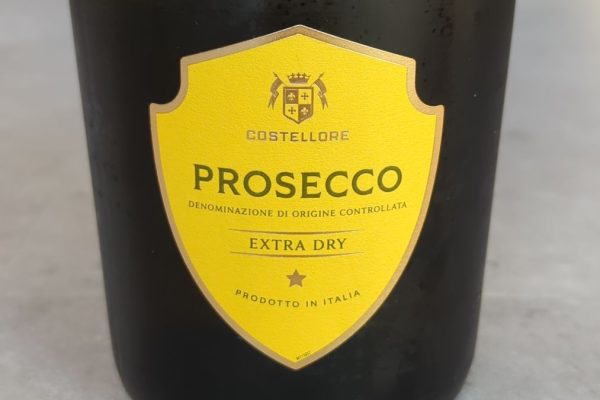
Costellore Prosecco
I picked up this wine as Aldi’s ‘Wine of the Week’, and at a sort of giveaway price it felt very much like a bottle designed to get people through the doors There’s no vintage and no mention of the producer, so I did not expect much, but it turned out to be a pleasant surprise. The producer code, IT/VI/4816, seems to point towards Cantina di Soave / Cadis 1898, a name associated with high price ‘Maximilian I’ Prosecco. Extra Dry is actually sweeter than Brut, which is a bit confusing because “extra dry” sounds as though it should be…
-
Sainsbury’s Spring Summer Tasting
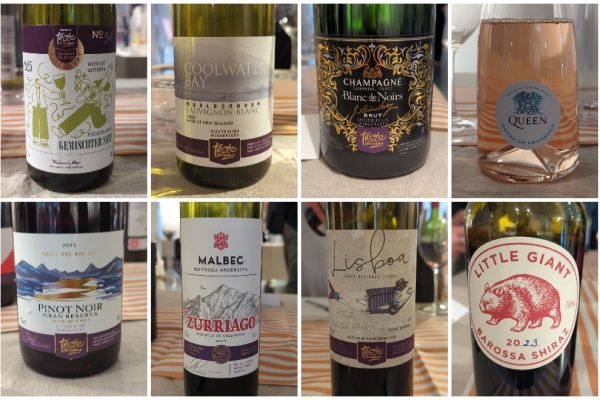
In early May 2026, I was invited to Sainsbury’s Spring/Summer Tasting in London. Trends Sainsbury’s is seeing include a growing interest in orange wine, with online searches up 100% year on year. Wines under £7 are proving popular with shoppers, as customers continue to look for good-value options. At the other end of the market, shoppers are also choosing premium wines for special occasions and gifts. Cider is also enjoying a revival, while botanical flavours are becoming increasingly popular. At this tasting, there was a strong focus on Taste the Difference wines, a range which Sainsbury’s says aims to champion…
-
Asda Exceptional Tasting
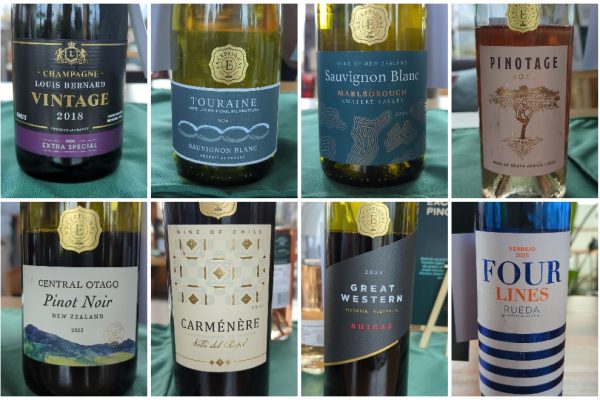
In early May 2026, I attended Asda’s Spring/Summer tasting, where the focus this time was on a smaller, more selective showcase of its own-label Exceptional wines. The Exceptional range is not limited to wine. It now spans all of Asda’s categories, marking a broader shift away from the former Extra Special branding. That transition has taken around three and a half years, and in wine it has given Asda the opportunity to rethink not only the range itself, but also the way the bottles look and feel. The aim with Exceptional wines is clear: to offer quality at some of…
-
La Belle Angèle Sauvignon Blanc
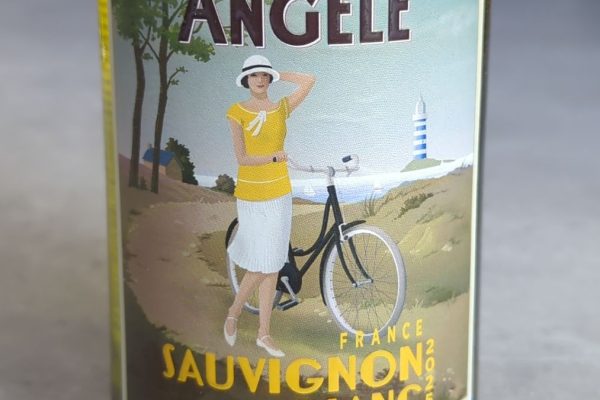
La Belle Angèle Sauvignon Blanc comes with an elegant label featuring La Belle Angèle, the beautiful muse of the French Impressionists. It is a blend of Sauvignon Blanc from a number of areas, from the 2025 vintage, with a gentle 12% ABV. In the glass, it has a light gold colour. Served cold, it brings a gooseberry character in both aroma and flavour, fresh and lively. As it warms up, a greener nettle aroma starts to come through, while the flavour shifts towards citrus and a less sweet style of gooseberry. There is a pleasing mouthfeel too, helped along by…
-
Delibori Valpolicella Ripasso Classico Superiore
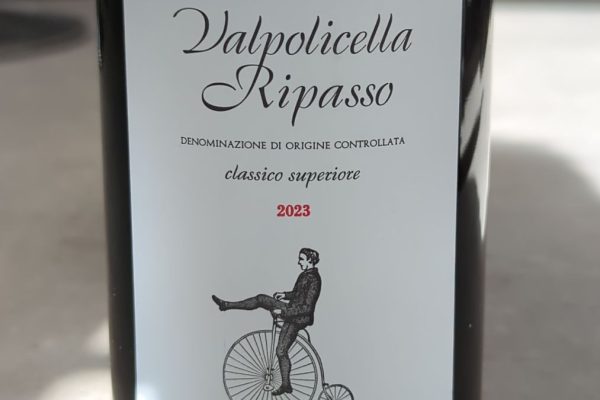
Delibori Valpolicella Ripasso Classico Superiore is the first of a few wines I bought on a recent trip to the Lombardy region of Italy. Lombardy seems flooded with Valpolicella in restaurants, bars and supermarkets, even though it is not actually from Lombardy, but from neighbouring Veneto. Let’s unpick the name of the wine. “Valpolicella” is the wine region, near Verona. “Ripasso” means the wine has been passed again over the leftover grape skins and solids from Amarone or Recioto production. This gives a standard Valpolicella more body, alcohol, colour, tannin and dried-fruit complexity. “Classico” means the grapes come from the…
-

Les Jamelles Viognier
Les Jamelles Viognier is produced by Catherine and Laurent Delaunay. The brand was created in 1995 after the couple, both from Burgundian wine backgrounds, became fascinated by the Languedoc’s diversity of terroirs and grape varieties. The winery is based at Monze, in the Corbières area near Carcassonne. This is 100% Viognier, 12.5% alcohol, from the 2024 vintage. In the glass it has a bright yellow colour. Give it a little warmth before drinking, at least 20 minutes, as it really opens up once it is not too cold. There is an intense aroma of apricot and floral character, followed by…
-

Ocado Reports Surge in Demand for Mid-Strength Drinks
Harpers is reporting that Ocado says demand for mid-strength alcoholic drinks is rising sharply, with category sales up 71% over the past two years and searches on its website increasing by more than 400%. Mid-strength wine has been the strongest performer, with sales up 151% year on year, while mid-strength beer has recently gained momentum, growing 21% month on month. A survey of 2,180 UK adults, carried out with Clariti in March 2026, found that many consumers are moderating their alcohol intake rather than giving it up entirely. Some 39% of adults are choosing mid-strength drinks more often than a…
-
New Zealand Wines of the Year 2026
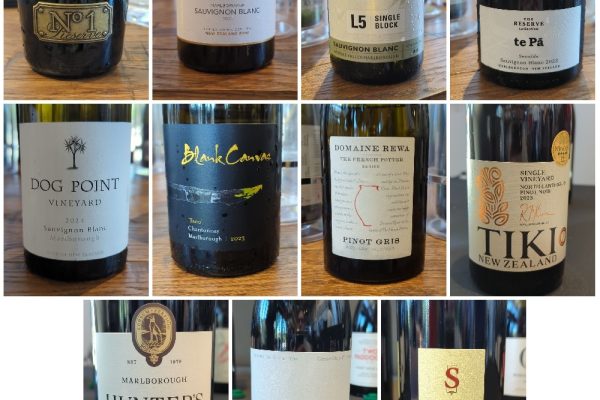
In late April 2026, I went to Susie and Peter’s New Zealand Wines of the Year tasting in London. For the uninitiated, Susie Barrie MW and Peter Richards MW are a married, UK-based pair of Masters of Wine. They are well known as television and radio presenters, wine writers, event hosts, consultants and podcasters. For this showcase, they had preselected the producers, then spent time last November tasting hundreds of New Zealand wines in order to choose their Wines of the Year. The selection covered a broad range of varieties, regions and price points, with the aim of showcasing modern…
-
JP Chenet Colombard Sauvignon
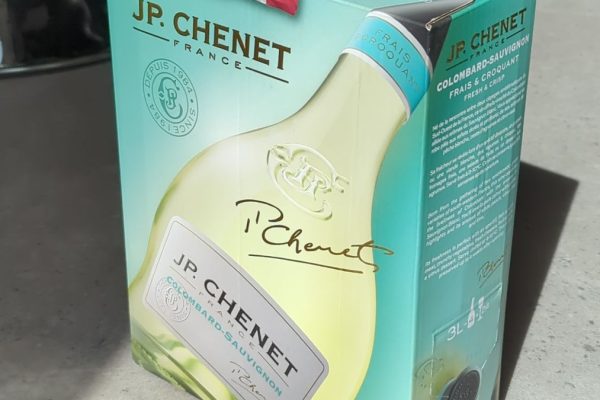
JP Chenet Colombard Sauvignon comes from South-Western France, with a fairly gentle 11% alcohol, from the 2025 vintage. The 3l box is the equivalent of four bottles, in a fridge-friendly format. When it is properly cold, this is really citrusy, almost like a citrus wine, both in the aromatics and, even more so, in the taste. Give it a little time to warm up and it softens nicely, bringing in pear, a bit more sweetness, better length, and a slight tropical twist. It is medium sweet, and for me that means the first taste is great, bright, easy and very…
-
Co-op Spring Summer Tasting
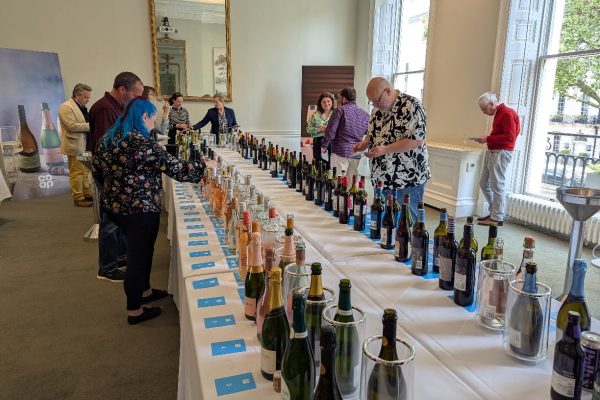
At the end of April, I was at Co-op’s Spring/Summer press tasting in London, where 74 wines were being shown. Co-op has a new Head of Wines and Spirits and she shared a few interesting insights with me. Rosé has been big for a while, and it is expected to remain so, particularly among younger drinkers. That was reflected in the line-up, with 14 rosés available to taste. White wines are the next most popular category, followed by reds. Reds, however, are going through something of a moment because of recent duty changes. Producers are increasingly looking at ways to…
-

25% Off Wine at Sainsbury’s
Sainsbury’s has 25% off wine for Nectar loyalty card holders, sparkling and Champagne, 6 bottles or more, £6 or more (£7 in Wales), from 28 April to 3 May 2026. See the recent Sainsbury’s press tasting for tips on what to buy.
-
25% Off Wine at Tesco
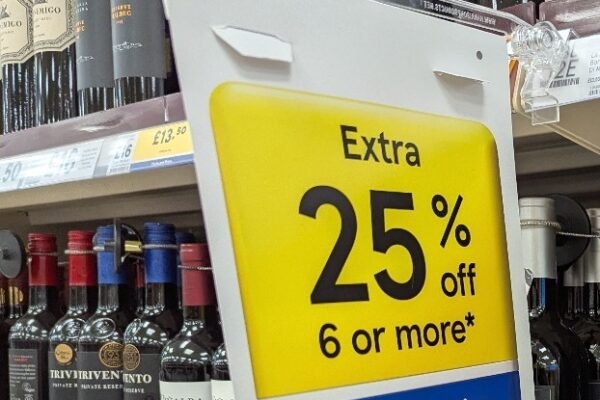
Tesco has save 25% off wine with Clubcard when you buy 6+ bottles that are £6 and over (£7 in Wales) from 27 April 2026 until 4 May 2026. See the Spring/Summer press tasting for tips on what to buy.
-

25% Off Wine at Asda
Asda has 25% off wine, on £5.50 per bottle or more, 6 bottles or more, from 27 April 2026 until 4 May 2026. See the latest press tasting for tips on what to buy.
-
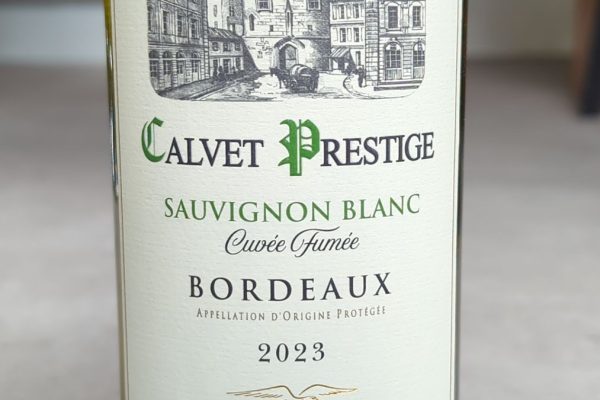
Calvet Prestige Sauvignon Blanc Cuvée Fumée
Calvet Prestige Sauvignon Blanc Cuvée Fumée comes from Bordeaux, and Calvet is part of the large Les Grands Chais de France (LGCF) group. The Prestige name was chosen in honour of the very select “Diplôme du Prestige de France”, awarded to Maison Calvet in 1958. Cuvée Fumée is the key phrase here. “Fumée” means “smoked” or “smoky” in French, so “Cuvée Fumée” on a wine label generally translates as a “smoky blend”, although the back label describes it as fresh and oaky. The 2023 vintage comes in at 12% ABV and is made from 100% Sauvignon Blanc. In the glass…
Pick Lists
Majestic | The Wine Society | Tesco | Waitrose | Sainsbury’s | Morrisons | Co-op | Asda | Lidl | £7 and Under | Over £20
Did You Know?
Australian wine exports to China have collapsed from around $1.2 billion to less than $10 million. More
Wine’s aroma is not determined solely by which flavour compounds it contains. More
Low-to-moderate wine consumption is associated with lower mortality. More
Moderate water stress can be part of what creates flavour and terroir expression. More
Wine appears less frequently online than other alcoholic drinks. More
Independent retailers had 9% fewer customers in March 2026 than two years earlier. More
Average spend per bottle in independents has risen by 23% since 2019, compared with 21% in supermarkets. More.
Nearly a third (32%) of UK consumers say they have already used AI for alcoholic drinks advice. More
Among socially active wine buyers, 37% have bought a wine recommended online. More
In 2026, 72% of consumers now think wine knowledge is essential to appreciation, up 20 percentage points on 2025. More
Rías Baixas wines reached more than 107 countries in 2025 and exports represented 31 per cent of the denomination’s total sales. More
Light Strike Can Cause Wine Degradation in Just One Day. More
People actively adjust their wine choices depending on who might see them. More
In the UK, 73% of Alcohol is Bought From Retail Rather Than Hospitality. More
UK wine production reached 124,377 hectolitres that year, meaning the UK accounted for roughly 0.05 per cent of world output. More
For Crémant, grapes must be harvested by hand and the wines must undergo at least nine months’ ageing before release. More
In 2024, the UK was the second-largest export market for Champagne globally, after the United States. More
Local UK bottling of wine represents about 40% of imported wine. More
Around 1% of people, typically severe asthmatics, have a sulphite sensitivity. More
A large 80% of Australian wine arrives in the UK in bulk. More
Only about 0.02% of Australia’s landmass is dedicated to vineyards. More
In 2024, New Zealand produced only 1% of the World’s wine. More
In 2024, the US imported 37% of World production of Pinot Grigio and the UK was is in second place at 27%. More
In 2024, the UK was South Africa’s largest export market, with 40% of total exports. More
In 2024, the United Kingdom imported 22.3 million bottles of Champagne, a decline of 12.7% compared to the previous year. More
Larger Champagne producers source grapes from as many as 80 different vineyards throughout Champagne. More
Champagne houses and growers collectively produce around 300 million bottles annually. More
In 2025, the Champagne region was home to about 2,124 Champagne houses and approximately 19,000 growers. More
Provence is one of the leaders in the conversion to organic viticulture, with 61% of vineyards certified. More
8% of the South Africa’s grape production is Fairtrade-certified. More
Up to 80% of wine aroma compounds come from grape skins. More
Glycerol is the third-largest component of most dry wines after water and alcohol which is why they so often feel ‘smooth’ or ‘silky’ in the mouth. More
Humans are more than 400 times more sensitive to bitter than sweet. More
Humans can detect the earthy molecule geosmin at about 100 parts per trillion and camels are so sensitive to it they can locate damp ground from roughly 50 miles away. More
During the phylloxera crisis of the nineteenth century, 90% of Europe’s vineyards were destroyed. More
In 2025, for La Vieille Ferme, also known as “The Chicken Wine”, sales surged by 49.4% to £110.8 million. More
In 2025, in the UK, Yellow Tail held the top position with sales, marking a 9.8% increase over the previous year. More
In 2024, the UK was the second-largest wine importer in volume and value. More
In 2024, the UK was the fifth-largest wine-consuming country globally. More
In 2025, global wine consumption continued its downward trend, estimated at 214.2 million hectolitres, the lowest since 1961. More
In 2025, online alcohol sales had a 20% increase in value over five years. More
In 2025, the number of UK vineyards rose to 1,104 and wineries to 238, with land under vine expanding to 4,841 hectares, a 510% increase since 2005. More
Moët Hennessy alone commands nearly 46.66% of the Champagne market, with the top three producers together holding about 61%, and the top five controlling over 72%. More
In 2024, the Champagne market was worth roughly €3.92 billion. More
In the marketing year 2023/24, white wine accounted for roughly 55% of Spain’s output, whereas red and rosé together made up about 45%. More
In the UK, 92% of wine is consumed within 48hrs of purchase. More
The majority of wines, 95%, use commercial rather than wild yeast. More
Between 0.5 and 10 litres of water, per litre of wine, are needed for cleaning during winemaking. More
Machine harvesting can achieve up to 100 tons of fruit per day vs 1 ton for a human. More
In Germany, 2025 was the smallest wine vintage since 2010. More
The majority of vineyards, 90% in 2019, are farmed with heavy chemical interventions. Only 6% are organic. More
90% of low and coastal areas in south Europe and California will no longer be able to produce good wine by the end of the century. More
IMAGE WALL
Tools
Recent





Tags
25% Off Wine Aldi Amarone Argentina Articles Asda Australia Austria Award Awards25 Bizarre Blog Books Bordeaux Bulk Bottling Cabernet Sauvignon Carménère Cava Champagne Chardonnay Chile Climate Change Coop Crémant Decanter Duty English Wine EPR Fairtrade Food France Germany Glossary Greece Health Hungary Italy IWSC Jeroboams Laithwaites Legislation Liberty Wines Lidl Low Alcohol M&S Majestic Malbec Merch Merlot Morrisons Natural Nero d'Avola News New Zealand Non-Alcoholic Ocado Old Vine Organic Past Tastings Pick List Pinotage Pinot Grigio Pinot Noir Port Portugal Primitivo Prosecco Research Reviews Ribera del Duero Riesling Rioja Ripasso Rose Sainsbury's Saperavi Sauvignon Blanc Shiraz Sicily South Africa Spain Sparkling Supermarkets Sustainable Tax Terroir Tesco The Wine Society Unrepresented USA Valpolicella Virgin Wines Waitrose Wanderlust Welsh Wine What to Buy Wine Art WineGB WIne Glasses Zinfandel