The Press Democrat has an interesting article that argues that wine’s biggest challenge is not competition from beer, spirits, cannabis or younger generations. Instead, many consumers struggle to predict what a bottle of wine will actually taste like before buying it, which leads to disappointment and discourages repeat purchases.
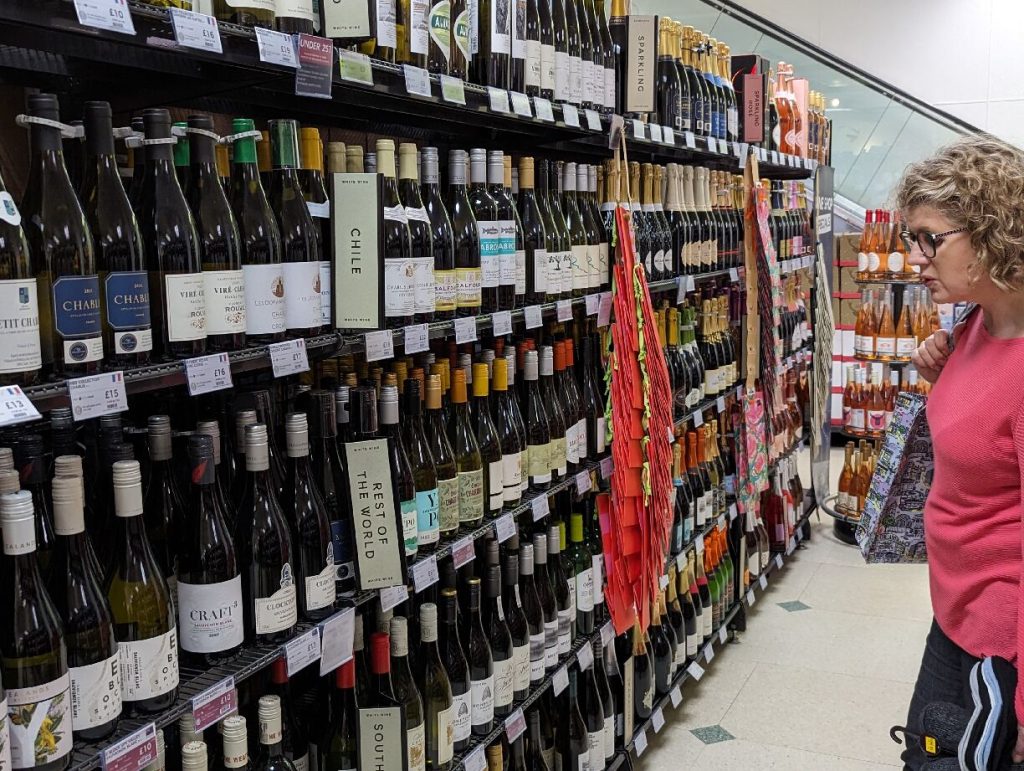
The article draws on research from the Wine Market Council and flavour-analysis company Quini. Their findings suggest that wine is much harder for casual drinkers to understand than beer or cocktails. Many consumers cannot tell from a label whether a wine will be dry or sweet, and a majority say wine labels do a poor job of explaining flavour.
One striking finding was that about 70% of occasional or marginal wine drinkers had been surprised by the flavour of a wine they bought within the past year, and more than a third disliked what they got. Researchers argue that a few disappointing experiences can cause people to conclude that they simply “don’t like wine”, when the real issue is that they cannot reliably find styles they would enjoy.
The research also found that wine is seen as expensive to experiment with. Because consumers often do not know what flavour profile they are buying, the financial risk of choosing the wrong bottle feels higher than with other alcoholic drinks.
The article’s main conclusion is that the wine industry has a communication problem rather than a taste problem. Researchers suggest clearer, consumer-friendly descriptions focused on how wines actually taste, rather than technical jargon, regions, appellations or expert scores, could make wine easier to navigate and help attract and retain newer drinkers