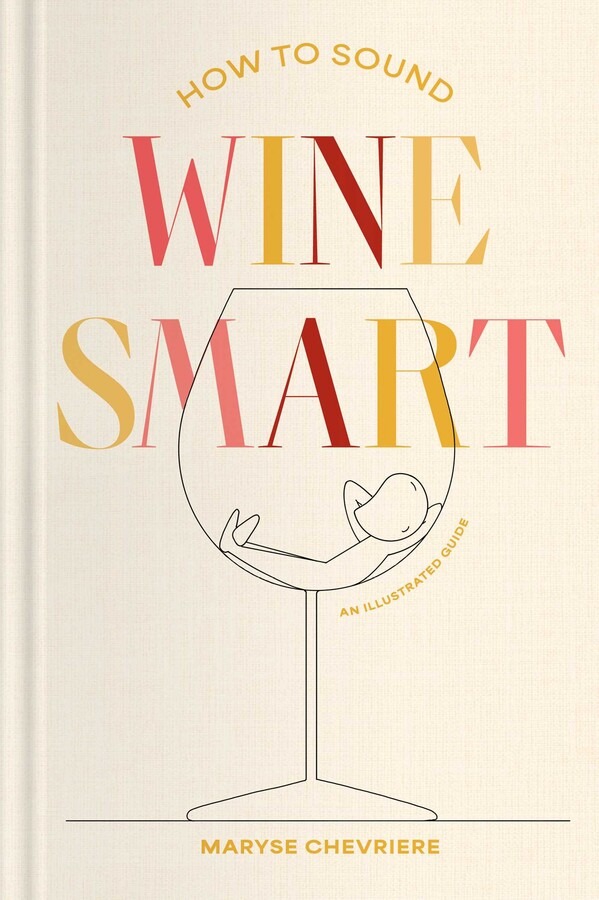
How to Sound Wine Smart, by certified sommelier Maryse Chevriere, sets out to solve a very real problem. A 2024 study found that while four in ten people in the UK describe themselves as wine lovers, more than half are baffled by wine terminology. It is easy to see why. Even when wine writers and professionals try to explain things clearly, they can quickly slip back into “winespeak”, which can feel intimidating and off-putting to anyone just beginning to explore wine.
This illustrated guide takes a refreshingly different approach. Published by Simon & Schuster, How to Sound Wine Smart is described as a visual glossary, but it feels less like a reference book and more like being led through wine language by a witty, knowledgeable friend. Chevriere’s aim is simple: learning and talking about wine should be as accessible and enjoyable as drinking it.
Chevriere is well placed to do this. A writer, wine professional and illustrator based in Boston, Massachusetts, her career has taken her through New York City, San Francisco and Boston, with roles including retail consultant, restaurant wine director and distribution sales representative. Her playful “drunk doodles” have appeared in Bon Appétit, Food & Wine, Wine Enthusiast and elsewhere, and for her Instagram account, @FreshCutGardenHose, won a James Beard Award for humour in 2016.
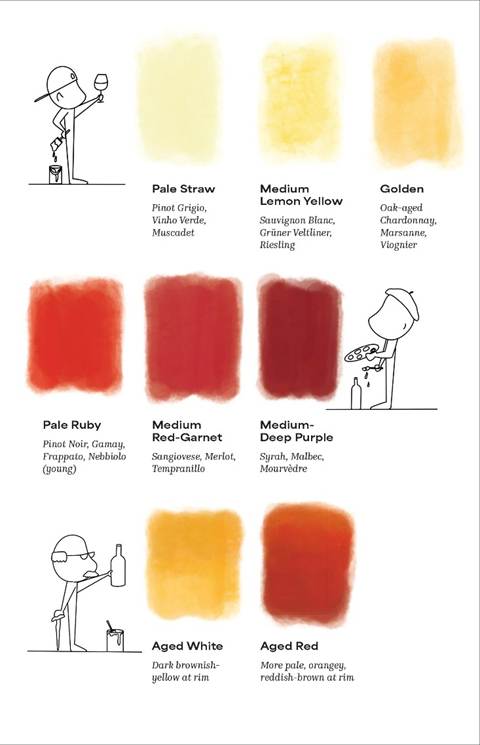
The book is a beautifully produced hardcover that feels substantial in the hand. With 256 pages and high-quality paper, it has a premium feel throughout, making it the kind of book you’d be proud to give as a gift.
The book begins with the basics, moving through essential vocabulary around aroma, flavour, acidity, texture and mouthfeel, condition, personality, faults and flaws. From there, it builds confidence gradually. The recurring format works particularly well: a term, a clear explanation and an illustration. It gives the reader not only the meaning of a word, but also a sense of how to use it without sounding forced.
For example, what are ‘Fine Grained’ tannins?
“When the texture of the tannins in the wine reminds you of walking on a beach where the sand feels like powder: soft, delicate, and light. You notice that the wine has tannin, but it doesn’t stick out; it’s well integrated into the wine. Basically, if you were to rate tannin level on a scale, “fine grained” would be at the lowest end and “grippy” or “firm” on the highest end”
“ This Pomerol is structured, but the tannins are so fine grained, it drinks really elegantly.”
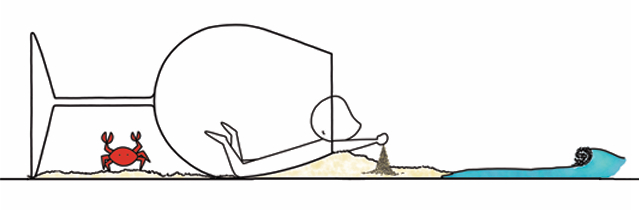
What makes the book especially appealing is its tone. It is warm, funny and deliberately un-snobbish. Most pages include a joke, analogy or pop-culture reference, and the minimal line drawings are memorable without ever distracting from the subject. The “Keep Pouring” sections allow for slightly deeper explanations, while the more textual cheat sheets offer practical do’s and don’ts, including guidance around grapes, food and wine.
Although it is built around terminology, this is not a dry glossary. It feels more like a journey through the language of wine, written in a conversational style that makes the subject feel open rather than exclusive. My only reservation is that, as a US publication, it uses American spelling and some American terms, which UK readers may occasionally notice.
That aside, How to Sound Wine Smart is a genuinely useful and entertaining guide for anyone who loves wine but feels baffled by the way people talk about it. It demystifies the vocabulary without stripping wine of its pleasure, and it does so with charm, humour and a welcome lack of pretension.
How to Sound Wine Smart is published by Simon & Schuster and is available from 16 July 2026. The list price is $24.99, around £20 in the UK, though prices may vary by retailer.