,

Majestic French Wine Showcase

Posted by

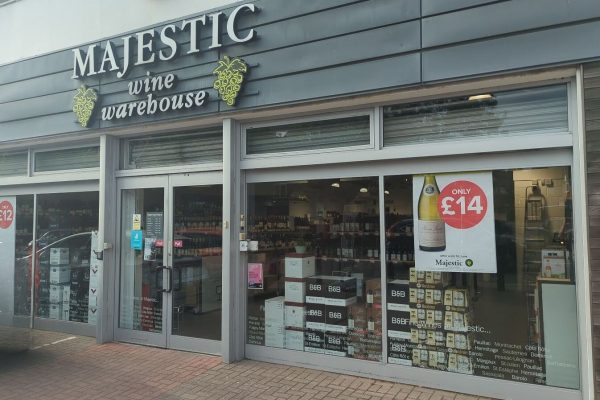
As there are no press tastings during the summer, I sought out a consumer tasting at my local Majestic. In July, I attended a French wine showcase at Majestic in Woking.

All prices quoted are based on the Mix Six offer.
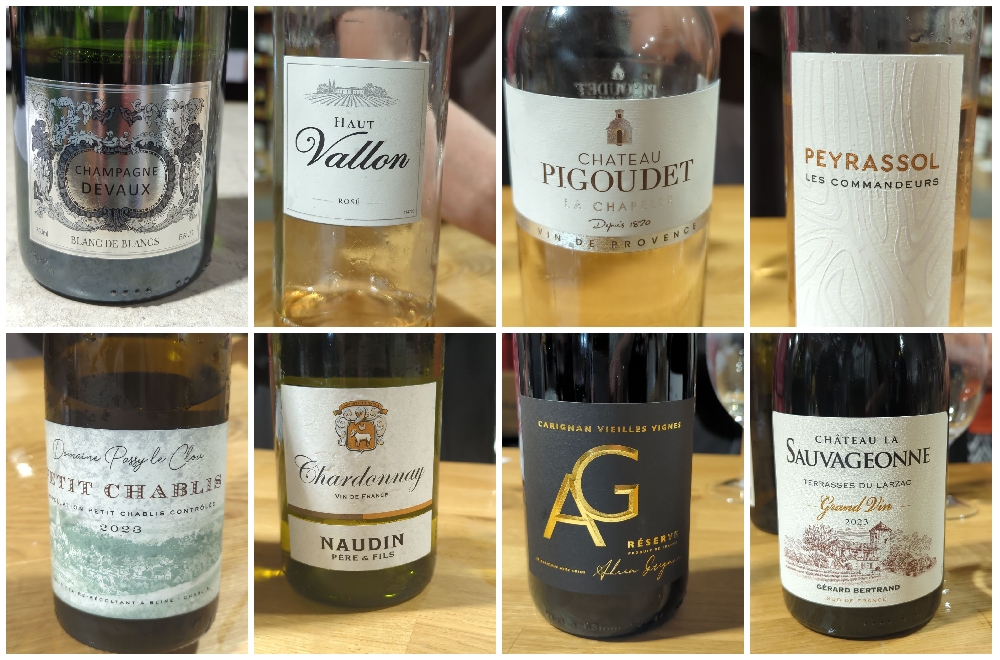
Devaux Blanc de Blancs Champagne NV 12% £28
From the Côte des Bar and made from 100% Chardonnay, this Brut Champagne benefits from long lees ageing. Light floral and citrus aromas lead into lighter fruit than I expected, but with richer autolytic character and a pronounced almond note more commonly associated with aged vintage Champagne. Dry, crisp and refreshing, with lively acidity that worked particularly well on what was a hot day.

Haut Vallon Rosé 2025 11% £8.50
Produced under the IGP Terres du Midi designation in Southern France, this is an aromatic rosé with fresh red berry character. It is light in flavour, sweeter in style and easy to drink, with its lower alcohol adding to the gentle feel.

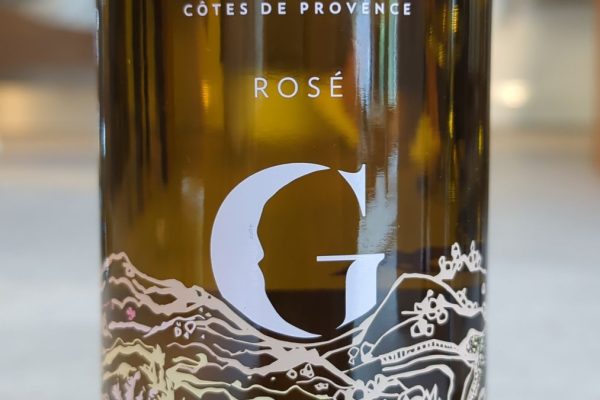
Château Pigoudet La Chapelle Rosé 2025 12.5% £12
A Provence rosé from Coteaux d’Aix-en-Provence, made from Cinsault, Syrah, Cabernet Sauvignon and Grenache. Strawberry, citrus and peach aromas are joined by a pear-drop note when inhaled deeply. Dry, fresh and more acidic, it feels better balanced than the previous wine.

Peyrassol Les Commandeurs 2024 13% £17
A blend of Grenache, Cinsault, Syrah, Vermentino and Mourvèdre. Strawberry, raspberry and gooseberry are lifted by tangy citrus, while the acidity brings slightly more freshness than the previous wine. The finish is longer and feels fitting for the price.

Domaine Passy Petit Chablis 2023 12.5% £17
This minimal-intervention wine is made from 100% Chardonnay in Burgundy. It is less aromatic than expected, but strikingly round, with lemon and grapefruit flavours. Almond and a slight saline note appear on the finish. The acidity remains fresh, while the richness gives it a gently aged character.

Naudin Chardonnay 2023 13.5% £11
From one of Burgundy’s oldest houses, this Chardonnay is highly aromatic, with apple and citrus followed by mango and peach. Oak and buttery richness add weight, although the wine retains enough acidity to remain fresh.

Alan Grignon Réserve Carignan 2024 12.5% £10.50
From Limoux in the Languedoc, this blend combines Syrah, Carignan, Grenache and Mourvèdre. Dark berry and spice aromas lead into a low-tannin style with a slightly sweeter character. It has less earthiness and length than I remember from the 2023 vintage, although it may simply have needed longer to breathe, as I also found in my earlier review.

Château la Sauvageonne Organic Grand Vin 2013 16% £28
From Causse du Larzac in the Languedoc, this organic red opens with fruity blackcurrant and lightly herbal aromas. It is full-bodied, with black cherry, black plum and spice. The wine develops noticeably while drinking, becoming drier and more tannic over time, though never excessively so. It is ready to enjoy now, either on its own or with food, and finishes with a leathery note. It is also popular at Majestic, where 100% of online reviewers said they would buy it again.

While I was there, I also noted the increased range of point-of-sale snacks and non-alcoholic options. At previous press tastings, I had been told that these products would become increasingly available, and it was interesting to see this reflected in store. The snacks were notably high quality, helping Majestic differentiate its offering from those available at other nearby retailers.
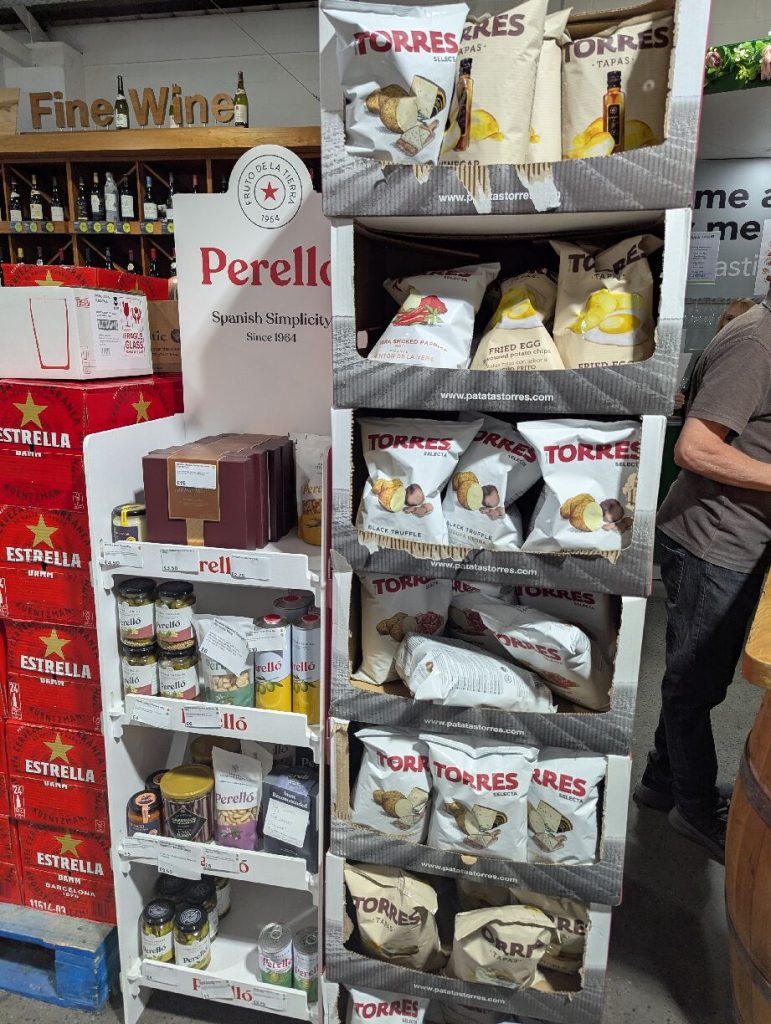
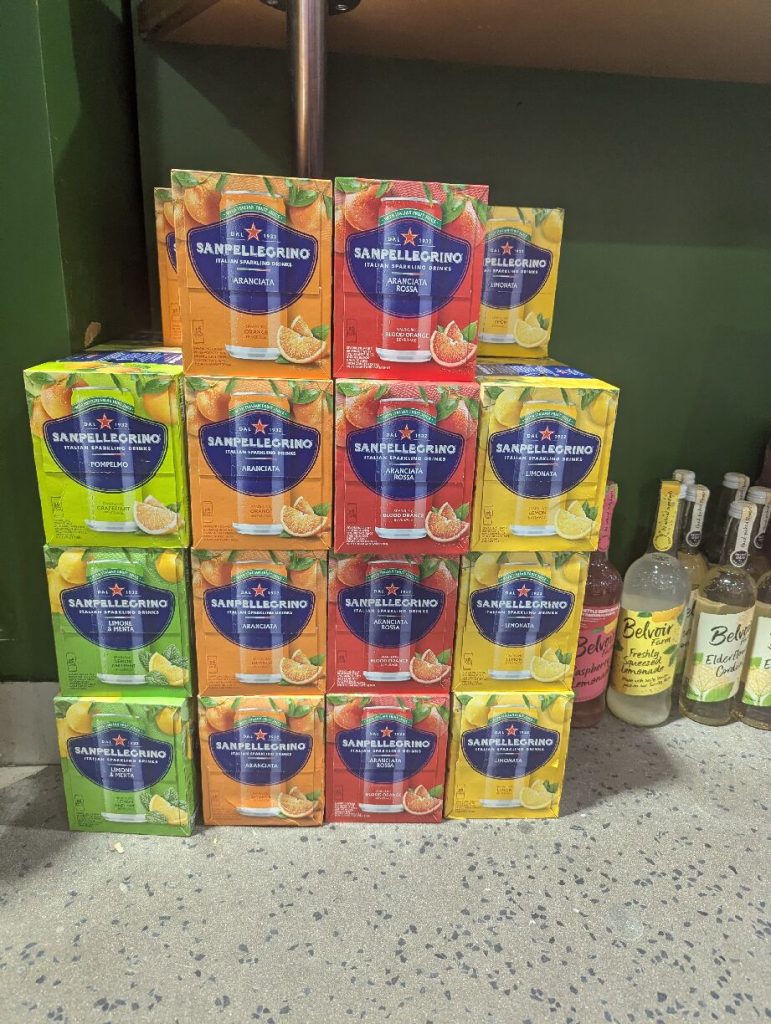
It was a great tasting, and thanks go to the hard-working team at Majestic Woking, who managed the event while continuing to look after their other customers.
Did You Know?

Nearly a third (32%) of UK consumers say they have already used AI for alcoholic drinks advice. More

Among socially active wine buyers, 37% have bought a wine recommended online. More

In 2026, 72% of consumers now think wine knowledge is essential to appreciation, up 20 percentage points on 2025. More

Rías Baixas wines reached more than 107 countries in 2025 and exports represented 31 per cent of the denomination’s total sales. More

Light Strike Can Cause Wine Degradation in Just One Day. More

People actively adjust their wine choices depending on who might see them. More

In the UK, 73% of Alcohol is Bought From Retail Rather Than Hospitality. More

UK wine production reached 124,377 hectolitres that year, meaning the UK accounted for roughly 0.05 per cent of world output. More

For Crémant, grapes must be harvested by hand and the wines must undergo at least nine months’ ageing before release. More

In 2024, the UK was the second-largest export market for Champagne globally, after the United States. More

Local UK bottling of wine represents about 40% of imported wine. More

Around 1% of people, typically severe asthmatics, have a sulphite sensitivity. More

A large 80% of Australian wine arrives in the UK in bulk. More

Only about 0.02% of Australia’s landmass is dedicated to vineyards. More

In 2024, New Zealand produced only 1% of the World’s wine. More

In 2024, the US imported 37% of World production of Pinot Grigio and the UK was is in second place at 27%. More

In 2024, the UK was South Africa’s largest export market, with 40% of total exports. More

In 2024, the United Kingdom imported 22.3 million bottles of Champagne, a decline of 12.7% compared to the previous year. More

Larger Champagne producers source grapes from as many as 80 different vineyards throughout Champagne. More

Champagne houses and growers collectively produce around 300 million bottles annually. More

In 2025, the Champagne region was home to about 2,124 Champagne houses and approximately 19,000 growers. More

Provence is one of the leaders in the conversion to organic viticulture, with 61% of vineyards certified. More

8% of the South Africa’s grape production is Fairtrade-certified. More

Up to 80% of wine aroma compounds come from grape skins. More

Glycerol is the third-largest component of most dry wines after water and alcohol which is why they so often feel ‘smooth’ or ‘silky’ in the mouth. More

Humans are more than 400 times more sensitive to bitter than sweet. More

Humans can detect the earthy molecule geosmin at about 100 parts per trillion and camels are so sensitive to it they can locate damp ground from roughly 50 miles away. More

During the phylloxera crisis of the nineteenth century, 90% of Europe’s vineyards were destroyed. More

In 2025, for La Vieille Ferme, also known as “The Chicken Wine”, sales surged by 49.4% to £110.8 million. More

In 2025, in the UK, Yellow Tail held the top position with sales, marking a 9.8% increase over the previous year. More

In 2024, the UK was the second-largest wine importer in volume and value. More

In 2024, the UK was the fifth-largest wine-consuming country globally. More

In 2025, global wine consumption continued its downward trend, estimated at 214.2 million hectolitres, the lowest since 1961. More

In 2025, online alcohol sales had a 20% increase in value over five years. More

In 2025, the number of UK vineyards rose to 1,104 and wineries to 238, with land under vine expanding to 4,841 hectares, a 510% increase since 2005. More

Moët Hennessy alone commands nearly 46.66% of the Champagne market, with the top three producers together holding about 61%, and the top five controlling over 72%. More

In 2024, the Champagne market was worth roughly €3.92 billion. More

In the marketing year 2023/24, white wine accounted for roughly 55% of Spain’s output, whereas red and rosé together made up about 45%. More

In the UK, 92% of wine is consumed within 48hrs of purchase. More

The majority of wines, 95%, use commercial rather than wild yeast. More

Between 0.5 and 10 litres of water, per litre of wine, are needed for cleaning during winemaking. More

Machine harvesting can achieve up to 100 tons of fruit per day vs 1 ton for a human. More

In Germany, 2025 was the smallest wine vintage since 2010. More

The majority of vineyards, 90% in 2019, are farmed with heavy chemical interventions. Only 6% are organic. More

90% of low and coastal areas in south Europe and California will no longer be able to produce good wine by the end of the century. More

IMAGE WALL