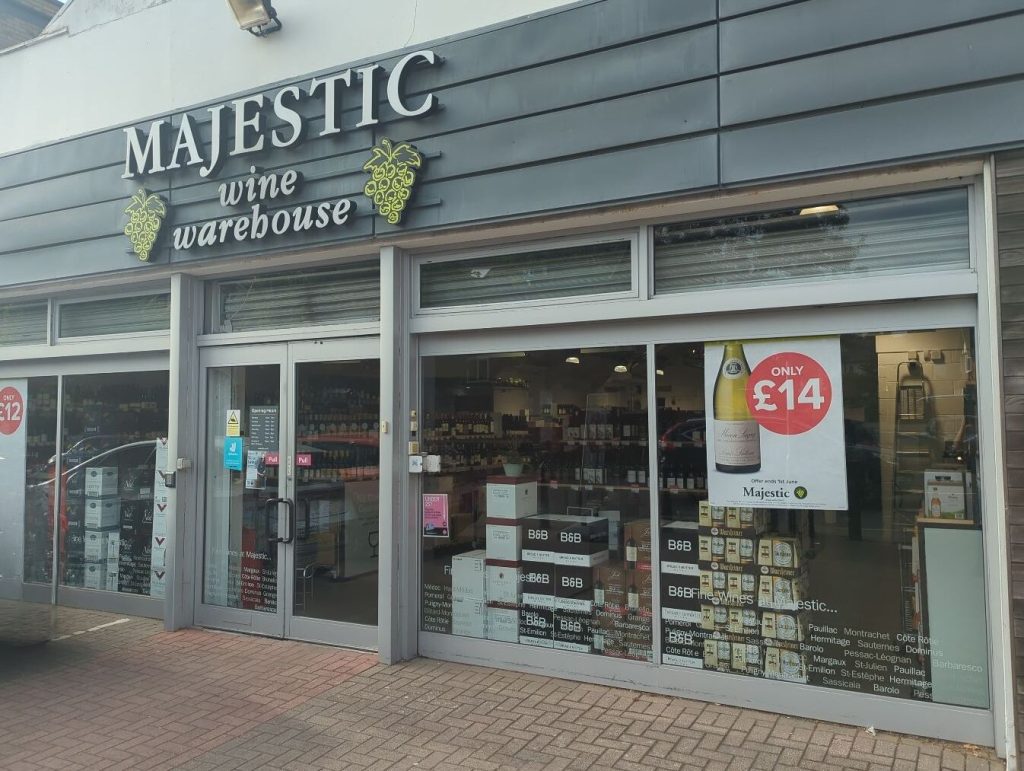
According to London South East, Tesco has emerged as one of the bidders considering an acquisition of Majestic Wine Group, and at first glance it might seem like an unusual move for Britain’s largest supermarket. Look a little closer, though, and the logic becomes much more interesting.
Majestic’s owner, Fortress Investment Group, began a formal sale process several weeks ago. Majestic operates more than 200 stores across the UK and Jersey, while also supplying restaurants, hotels and other hospitality businesses through its commercial operation and Enotria.
One analyst suggested that Tesco could potentially pursue a deal through Booker, its wholesale subsidiary. That would certainly provide one obvious route into the business, particularly given Majestic’s exposure to the hospitality trade.
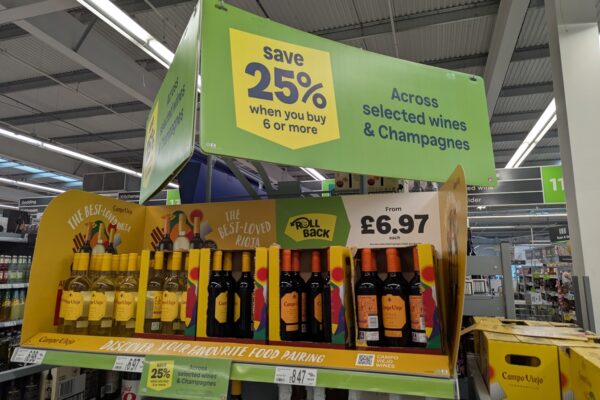
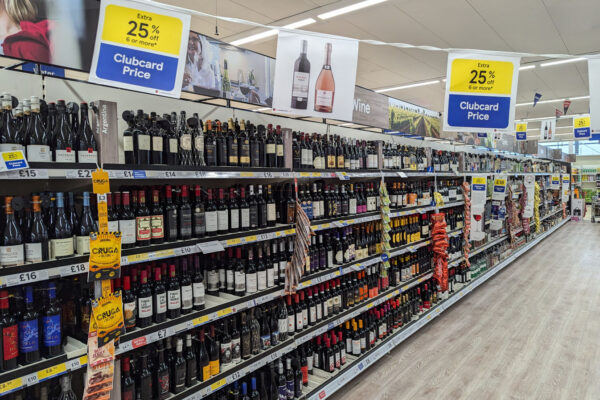
But the more interesting question is whether Majestic could also fit into Tesco’s wider ambitions in wine. Over the past couple of years, I have increasingly noticed Tesco stocking wines that would previously have looked out of place on a mainstream supermarket shelf. There are more premium wines, more recognised producers and, in some cases, wines from estates that historically might not have been particularly interested in supplying a supermarket such as Tesco.
The global wine market has been going through a significant downturn. Consumption has weakened in many markets, inventories have risen and producers that might previously have had little difficulty selling their wines through traditional merchants, restaurants or export markets are having to look more seriously at alternative routes to consumers. That creates an opportunity for a retailer with Tesco’s scale.
At the same time, the direction of travel among the discount supermarkets looks different. Aldi and Lidl remain formidable competitors in grocery, but their wine ranges have become more tightly edited, with far fewer wines.
Tesco, by contrast, has been expanding its offering. That matters because wine is a category where range can still differentiate one supermarket from another. Shoppers interested in wine often want more than a handful of inexpensive bottles. They want recognisable regions, better producers, interesting varieties and the ability to trade up when the occasion warrants it.
Tesco already owns Booker, giving it enormous exposure to convenience stores, caterers and independent businesses. Adding a substantial specialist wine distribution operation could potentially deepen Tesco’s position in hospitality and wholesale, as well as creating purchasing synergies across the group.
Whether Tesco ultimately decides that Majestic is worth the price is another question. But strategically, the idea is not nearly as strange as it might initially appear. The wine market is under pressure, the competitive landscape is changing and Tesco appears increasingly determined to use its scale to gain market share while others retrench.