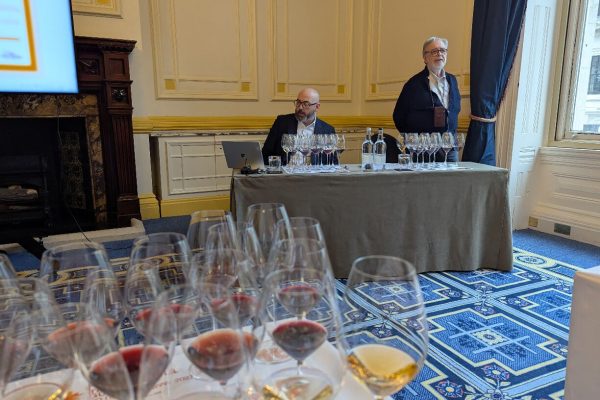
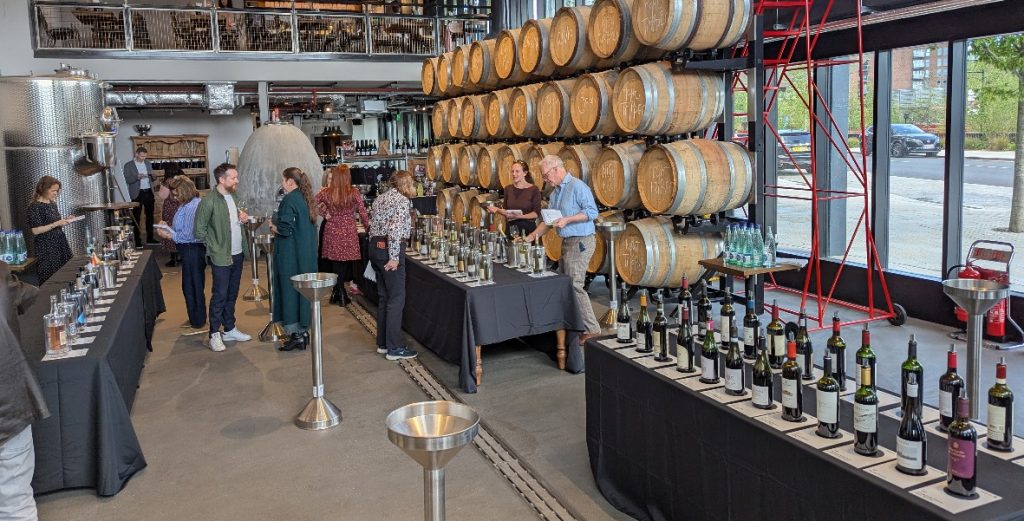
In mid-April 2026, I was at the Majestic Spring Press Tasting at Vagabond Urban Winery in Canada Water, London, a new venue for Majestic tastings. There were around 100 wines on show with a focus on wines suited to events and entertaining such as weddings, parties, dining and barbecues.
As always, Majestic provided the most comprehensive, informative and impressive tasting booklet imaginable, which made navigating the range a pleasure. These are the wines that particularly caught my eye. Prices quoted are for a mixed six, as I honestly cannot see why anyone could walk into Majestic and buy just one bottle when there are so many tempting options.
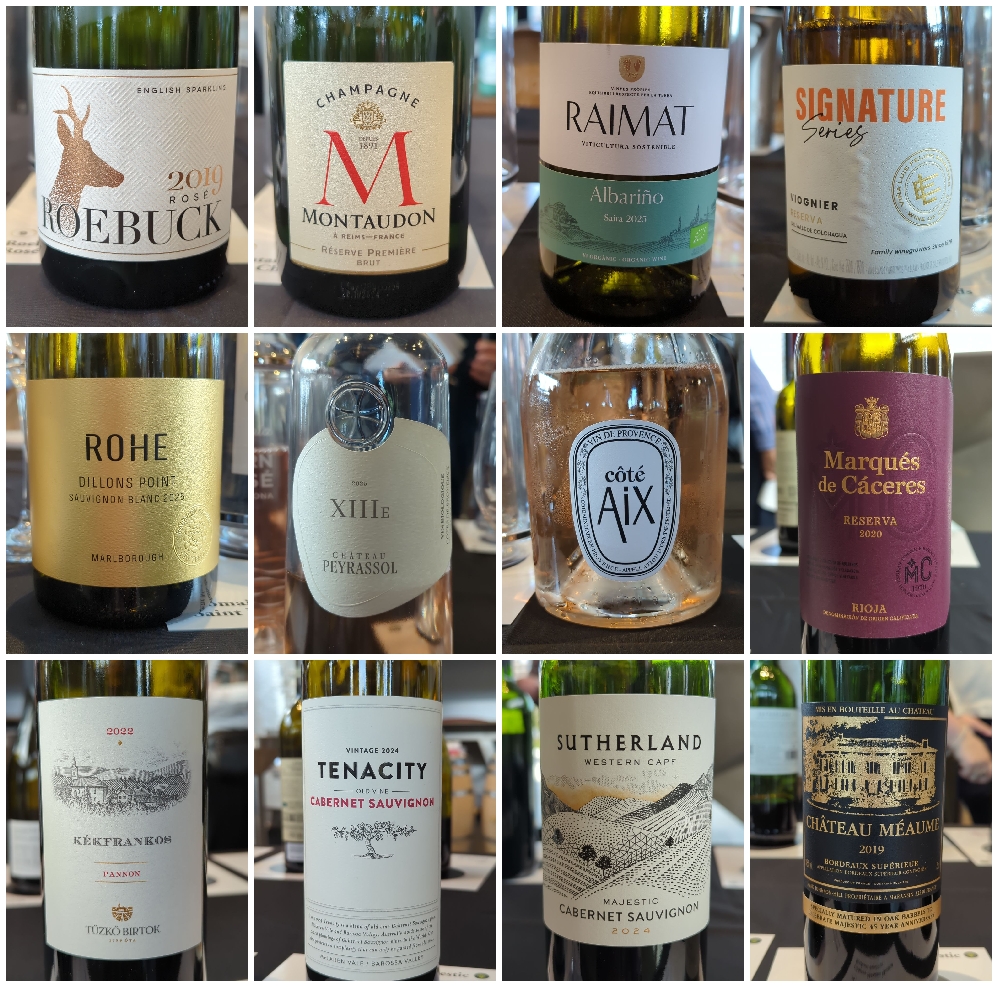
Roebuck Estates Rosé Reserve 2019 12% £39.00
This sparkling rosé is made from 95% Pinot Noir with an unusual 5% Pinot Précoce. The fruit comes from six vineyards across West Sussex, East Sussex and Kent, planted with Burgundian and Champagne clones. Pinot Précoce is added as still red wine at disgorgement and the wine spends 36 months on lees. It is almost clear in the glass, so pale that it takes a moment to realise it is a rosé. Aromas of lemon, green apple, biscuit and brioche lead into a crisp, light-bodied, citrus-driven taste. Dry in style, with light to medium body and strong acidity, it finishes clean and long. There is good autolytic character here, with plenty of leesy brioche complexity for a rosé.
Montaudon Réserve Première Brut Champagne NV 12% £27.00
This Champagne is a blend of 25% Chardonnay and 75% Pinot Noir and Pinot Meunier with a minimum of 15 months of lees ageing. It is very pale lemon in colour with a fine mousse. Green apple, lemon and pear come through on the aroma, followed by brioche and biscuit notes from the lees. The flavour is crisp and citrusy, with orchard fruit and a layer of bread and biscuit complexity. Brut in style, it has medium body, high acidity and a long, bready finish.
Raimat Organic Albariño 2025 12.5% £10.50
From Catalunya, D.O. Costers del Segre, Spain, this is 100% Albariño, with a small percentage aged for more than 10 months in barrels. Pale lemon in colour, it has aromas of citrus, stone fruit and floral hints. The taste is zesty and bright, bringing lemon and lime, peach, and a slight saline edge. Dry, medium-bodied and high in acidity, it finishes crisp and mouth-watering with a ripe melon note at the end. While there are certainly better Albariño around, this one is excellent value.
Luis Felipe Edwards ‘Signature Series’ Viognier Reserva 2025 12.5% £8.50
From Colchagua Valley, DO Valle de Colchagua, Chile, this 100% Viognier is a previous favourite of mine. It has a zingy, refreshing profile with prominent pear, peach and apricot character. There is also a slight minerality alongside plenty of fruity charm. What makes it especially interesting is that it does not come across as sweet as it actually is, which gives it a fresher feel than you might expect.
Rapaura Springs ‘ROHE’ Dillon’s Point Sauvignon Blanc 2025 13% £18.50
From Dillon’s Point in Marlborough, New Zealand, this is 100% Sauvignon Blanc from one of New Zealand’s top 20 wineries by volume and one of the largest family-owned wine businesses in Marlborough. Pale lemon in colour, it opens with the usual gooseberry, passionfruit, cut grass and citrus. The flavour is very bold and vibrant, packed with crisp citrus and tropical fruit. Dry, with light to medium body and high acidity, it finishes zesty and pungent. This is for when you want a premium Sauvignon Blanc, although I think the price might be a little high.
Château Peyrassol ‘XIIIE’ Organic Rosé 2025 13% £22.00
From Provence, AOP Côtes de Provence, France, this organic rosé is a blend of 60% Grenache for red fruit and 40% Syrah for colour and structure. The harvest was conducted in conjunction with the lunar cycle. This wine has been a past favourite of mine (although I was less taken by the intervening 2024 vintage). Pale salmon in colour, it offers aromas of redcurrant, strawberry, citrus zest and herbs. The taste is delicate, combining red fruit and citrus with a very fresh feel. Dry, with good mouthfeel and high acidity, it ends clean, light and refreshing. This is the bottle to choose when you want the best rosé.
Côté AIX Magnum 2025 12.5% £28.00
From Provence, AOP Coteaux d’Aix en Provence, France, this magnum is made from 60% Syrah and 40% Grenache. Côté Aix is a new and exclusive brand to Majestic, supplied by Maison Giambagli. It is very pale salmon in the glass, with aromas of strawberry, redcurrant, pink grapefruit and white flowers. The taste centres on red fruit. Dry in style, it is not too sweet but very fruity and the magnum format makes it a great novelty.
Marqués de Cáceres Rioja Reserva 2020 14.5% £16.00
From DOCa Rioja, Spain, and produced by Unión Viti Vinícola S.A in the heart of Rioja Alta, this Reserva is made from 85% Tempranillo, 10% Garnacha and 5% Graciano. It spends 20 months in French oak barrels, half new and half 1 to 2 years old. During this time it is racked every five months, then matures further in barrel and bottle for a total of two years before release. Medium ruby in colour, it has a very expressive aroma of red cherry, strawberry, vanilla and sweet spice. The taste is balanced, with red fruit and oak spice. Dry, medium-bodied and with medium tannins, it has slight caramel notes and an extremely woody finish.
Tűzkő Kékfrankos 2022 13% £14.00
From Tolna, Pannon PDO, Hungary, this is 100% Blaufränkisch. Founded in 1799, the Tűzkő Estate is one of Hungary’s oldest and most historically significant wineries. The wine ages for 14 months in Hungarian oak barriques. It brings cherry fruit on the aroma, while the middle of the taste gives fresh sour cherry, blackberry and slight paprika spice. Medium-bodied and very flavoursome. I have been led to believe by one of my fellow tasters that this one is deeper in flavour than is typical. It feels very different in style, which adds to its appeal.
Tenacity Cabernet Sauvignon 2024 13.9% £14.50
From McLaren Vale and Barossa Valley, Australia, this is made from 86% Cabernet, 11% Shiraz and 3% Petit Verdot. I previously reviewed this wine. It offers aromas of blackcurrant, bay leaf, cedar and leather, while the taste leans more into fruity black cherry. Dry, with a medium body and medium tannins, it finishes long, fresh, slightly woody and with just a touch of caramel. This is a slightly lighter Cabernet Sauvignon, with more finesse and a pleasing balance between fruit and wood.
Thelema Sutherland Cabernet Sauvignon 2024 14% £15.00
From the Western Cape, South Africa, this 100% Cabernet Sauvignon is aged for 18 months in French oak barrels. Deep ruby in colour, it has aromas of blackcurrant, plum, cedar and leather. The taste brings dark fruit with a slight herbal edge. Dry and medium-bodied, it has a medium-length finish that is fresh and spicy.
Château Méaume Matured Bordeaux Supérieur 2019 14.5% £17.50
From Bordeaux, France, this wine is made from 90% Merlot and 10% Cabernet Franc. Another previously reviewed wine, it is beginning to show its age in the glass with a gentle browning to the colour. The aroma opens with blackcurrant, cedar and a touch of tobacco, all well integrated and inviting. On the tongue, there is a core of dark fruit with layers of cedar and chocolate that add depth. It is dry, with a medium to full body, and the tannins have softened with time, which explains the ‘matured’ in the name and makes it very approachable now.
Majestic continues to offer added value, including free delivery on orders over £99, sale or return, free glass hire, free and paid-for in-store tastings and expert, enthusiastic staff, most of whom hold WSET qualifications.
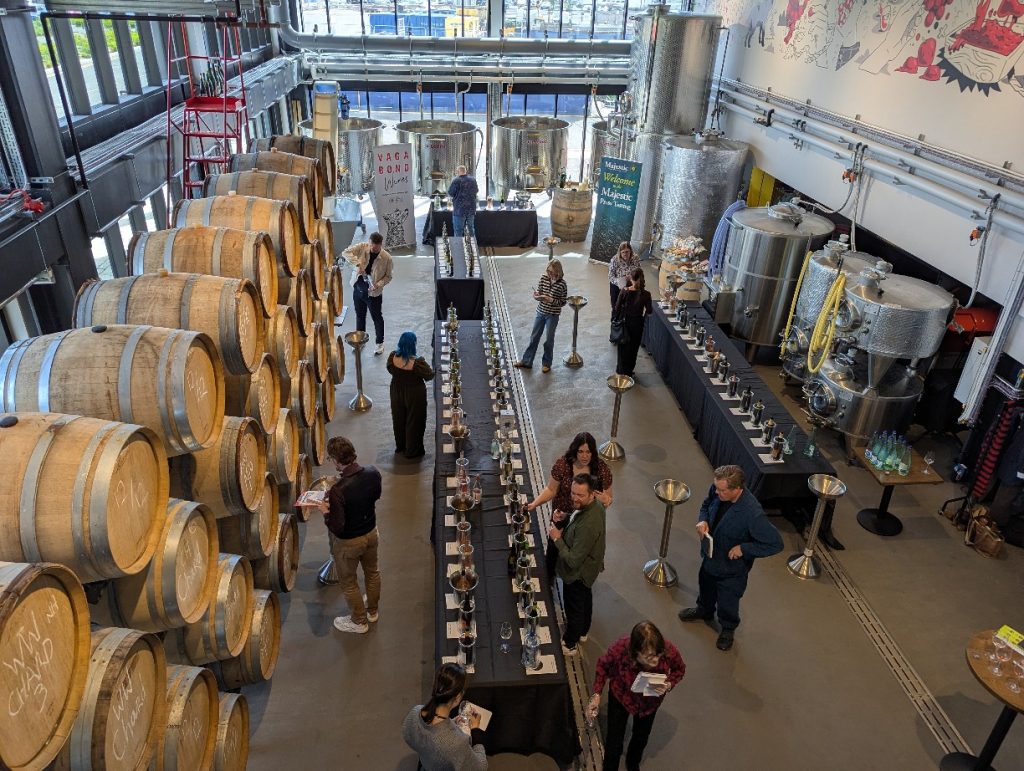

I should also mention Vagabond Urban Winery, which proved to be an excellent venue and provided an excellent lunch, the food being the same as the Vagabond menu. My review of Vagabond Victoria is available separately.
Prices are subject to change and not every wine will always be available in every store.
However, Majestic can usually find bottles in other branches if needed.