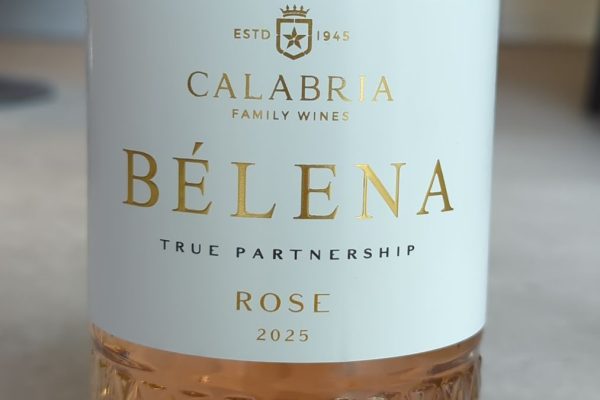
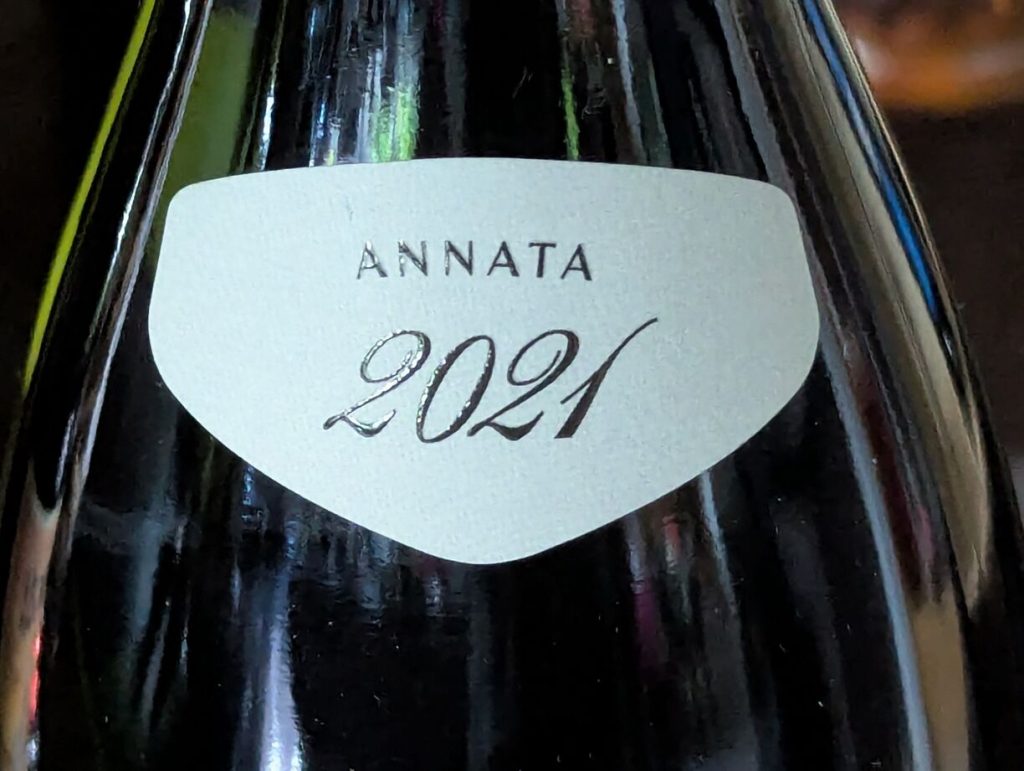
A wine’s vintage is the year in which the grapes were harvested. It is not the year the wine was bottled or released. This distinction matters because wine is an agricultural product before it is a drink. The weather, harvest conditions and decisions made in the vineyard during that particular year can all shape what ends up in the glass.
Vintage does not automatically mean old, rare or superior. A 2020 wine is not necessarily better than a 2023 wine, and an older bottle is not always more desirable. In fact, most wine sold today is made to be drunk young. For many everyday bottles, a more recent vintage is often preferable because freshness is part of the appeal.
There is also a useful legal point behind the year on the label. Under UK and EU labelling guidance, if a qualifying wine displays a vintage year, at least 85% of the wine must come from grapes harvested in that stated year. This means many vintage-dated bottles can still legally contain a small proportion of wine from another year. Producers may use this flexibility to improve balance, adjust acidity, add freshness or round out structure. However, this general 85% rule should not be confused with stricter regional rules where they apply. Vintage Champagne, for example, is treated differently under Champagne rules and must come from wines of the stated harvest year.
Why Vintage Matters More for Some Wines Than Others
The importance of vintage depends on the type of wine you are buying. For premium wine, vintage can be a major clue to quality, style, ageing potential and price. For mass-market wine, vintage is usually more useful as a freshness signal than as a marker of greatness.
Premium wines are often made to express a particular place, grape variety, producer and growing season. In regions such as Bordeaux, Burgundy, Barolo, Rioja, Tuscany, Champagne and the Mosel, the character of the year can make a substantial difference. The vintage examples, I will mention later, should be treated as practical guidance drawn from published vintage assessments, not as universal truths. Producer quality, vineyard site, wine style, bottle condition and storage history can all matter as much as the reputation of the year. A warm, dry year may produce richer, more powerful reds. A cooler year may help whites retain acidity and aromatic precision. A rainy harvest can dilute flavour or create disease pressure, while extreme heat can push grapes towards high alcohol and lower freshness.
Mass-market wine is different. Large-volume wines are usually designed for consistency, broad appeal and early drinking. The aim is often to deliver a familiar style from one bottle to the next, regardless of the year. For these wines, the vintage still matters, but usually because it tells you whether the bottle is likely to be fresh, not because the year itself was a good year for that type of wine.
Practical Buying Advice
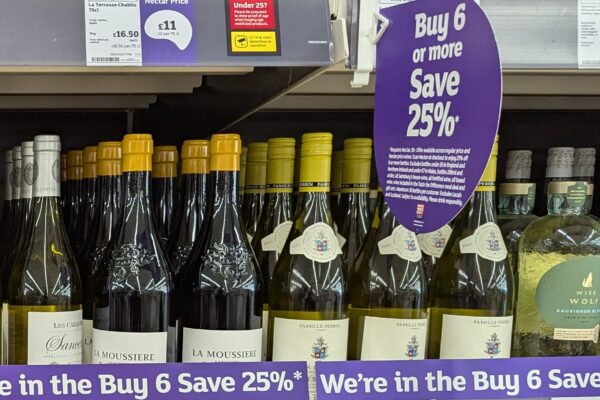
When buying supermarket white wine, look for the youngest sensible vintage and avoid bottles that have been displayed in heat or bright light. Freshness is often the main value. A crisp white that has lost its aromatics is rarely enjoyable, even if it was well made.
For supermarket rosé, be especially alert. Rosé is usually seasonal, and most everyday bottles are best bought young. Clear glass and strong lighting increase the risk of tired flavours. If an inexpensive rosé is much older than neighbouring bottles, it is worth asking why.
For supermarket red wine, you have slightly more flexibility. A simple red from the previous year or the year before may be fine, particularly if it is fuller-bodied. Still, check for heat damage, tired-looking packaging and dusty bottles that appear to have been sitting around for a long time.
For non-vintage sparkling wine, rely on producer reputation, stock turnover and bottle condition. Look for signs of freshness where available, such as disgorgement information or lot codes from quality-focused producers. Avoid bottles that look faded, dusty, warm or poorly handled.
When buying premium wine, vintage should be considered alongside producer, region and price. A great vintage from a weak producer is not automatically a better choice than a slightly less celebrated vintage from a brilliant producer. Storage history also matters, especially for older bottles.
What to Buy Young and What to Age
Most wine is not made for long-term ageing. Fresh whites, most rosés, inexpensive sparkling wines and many supermarket reds are usually intended for early drinking. Their charm lies in fruit, freshness and immediate appeal. Holding them for years rarely improves them.
Wines that can reward ageing usually have structure. This may come from tannin, acidity, sugar, concentration, oak ageing or a combination of these. Premium Bordeaux, Barolo, Brunello, top Rioja, fine white Burgundy, Mosel Riesling, vintage Champagne and Port are among the styles where ageing can make sense. Even then, producer quality and storage conditions are crucial.
Ageing should never be automatic. Some premium wines are enjoyable on release, while some famous-region bottles are not built for decades in the cellar. The best question is not simply “Can this wine age?” but “Will this particular bottle improve with age, and do I have the right storage conditions to make that happen?”
Vintage is Not the Same as Non-Vintage
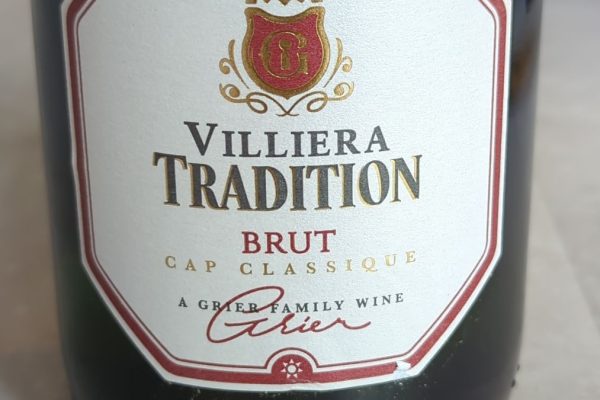
If a wine has no year on the front or back label, the producer is not making a vintage claim. In Champagne and many other sparkling wines, this usually means non-vintage. That is, the bottle is not being presented as the product of one specific harvest year and may be a blend of wines from several different years. For still wine, the absence of a vintage date can also mean a multi-year blend, but it may simply mean the vintage has not been declared on the label.
Non-vintage does not mean inferior. In Champagne, non-vintage bottles are often central to a producer’s identity. Blending across years allows the house to create a consistent style, using reserve wines to add depth, maturity and balance. For many drinkers, a good non-vintage Champagne from a reliable producer can be a more sensible purchase than a weaker vintage-dated bottle.
The key is transparency. A vintage date gives you a simple freshness clue. A non-vintage bottle often does not. That can make it harder to know whether a bottle is a recent release or old stock that has been sitting in a warehouse, shop window or warm retail environment for too long. This matters most for inexpensive sparkling wines, pale rosés and fresh whites, where vitality and freshness are essential.
For Everyday Wine, Freshness Often Matters More Than Fame
For everyday wine, the most useful question is often not “Was this a great vintage?” but “Is this the right vintage for this style?” A simple Sauvignon Blanc, Pinot Grigio or rosé should usually taste fresh, bright and lively. If it is several years old and has been sitting under retail lights, it may have lost the qualities it was made to deliver.
Aromatic whites are particularly dependent on freshness. Wines such as Marlborough Sauvignon Blanc, Pinot Grigio, Vinho Verde and many unoaked whites are usually at their best when young. Their appeal lies in clean fruit, crisp acidity and vivid aromas. Age rarely improves inexpensive examples.
Rosé is also highly vintage-sensitive in everyday drinking terms. Most pale rosés are made for immediate pleasure, not long ageing. Their colour, fruit and freshness can fade quite quickly, especially if the bottle is clear glass and has been exposed to bright light. For supermarket rosé, the youngest sensible vintage is usually the safest choice.
Simple reds are a little more forgiving. A mass-market red that is one year older than the equivalent white or rosé may still be perfectly fine, especially if it has some tannin, oak influence or a fuller body. However, poor storage can still ruin it. Heat damage matters more than the printed year.
Read the Label More Carefully
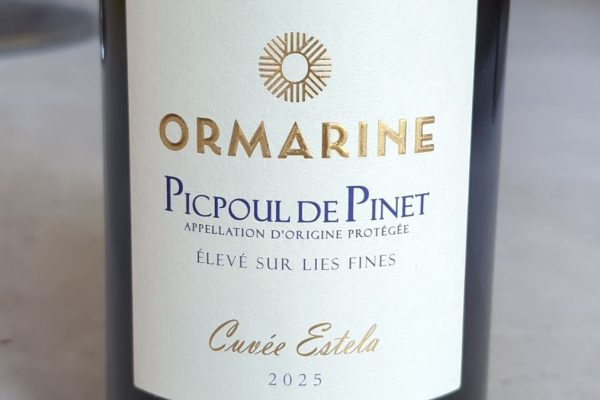
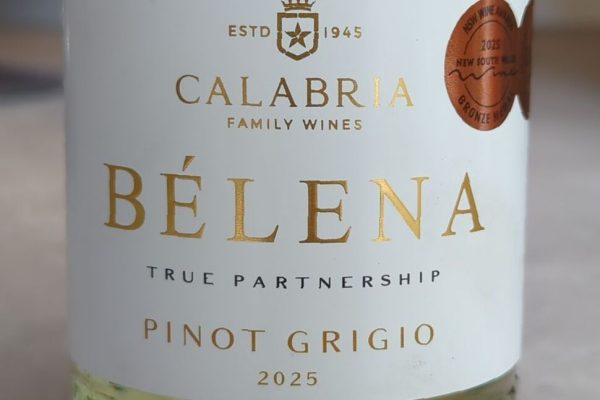
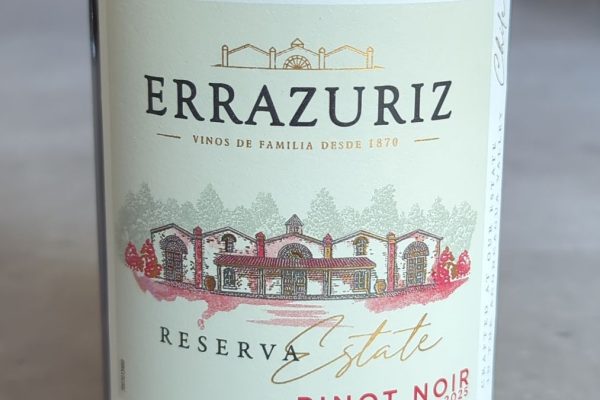
The vintage year is usually shown clearly on the front label, but it is worth checking the back label too. Sometimes the front label design is more decorative than informative, while the back label gives clearer details about origin, bottling, importer, alcohol level and sometimes lot information.
If no vintage appears, treat the wine as non-vintage unless the producer explains otherwise. For serious producers, a technical sheet on their website may reveal more detail, including harvest year, bottling date, base wine or disgorgement date for sparkling wines. For everyday supermarket bottles, this information may be harder to find.
Lot codes can sometimes help with traceability, but they are not a universal freshness guide. Different producers and countries use different systems, and many codes are designed for internal tracking rather than consumer interpretation. They can be useful, but they should not be treated as a simple replacement for a clear vintage date.
Beware of Misleading Shelf Labels and Discounts
Wine promotions can be confusing because the bottle, shelf label and online description do not always refer to exactly the same vintage. A shelf label may quote a critic score from a previous year while the stock on the shelf is from a different vintage. This does not always mean deliberate deception, but it can mislead shoppers.
Always check that any review, award or score applies to the same year as the bottle in your hand. A 92-point review for the 2019 vintage does not automatically apply to the 2021 vintage. In premium regions, the difference can be significant. In everyday wine, the review may be less important than whether the bottle is fresh and well stored.
Discounts should also be treated with common sense. A reduced bottle may be an excellent buy, but it may also be old stock, a slow seller or a wine that has spent too long in poor conditions. The bigger the discount, the more carefully you should check the vintage, condition, glass colour and storage environment.
How Harvest Timing Affects the Current Vintage
The idea of the current vintage is not the same everywhere because harvest seasons differ between hemispheres. In the northern hemisphere, grapes are generally harvested from late summer into autumn, often between August and October. In the southern hemisphere, harvest usually takes place earlier in the calendar year, often from February to April.
This means southern-hemisphere wines can reach the market on a different schedule. A fresh white from New Zealand, Chile, South Africa or Australia may appear sooner after harvest than a similar wine from France, Italy or Spain. Fresh whites and rosés are normally released earlier than reds because they require less ageing before sale.
Some wines should not be judged by the latest-vintage rule at all. Rioja Crianza, Reserva and Gran Reserva have ageing requirements, so they are meant to appear on shelves later. Vintage Champagne also has a long release lag because it must mature before sale, and many serious examples spend far longer ageing than the minimum requirement. In these cases, an older vintage is not a warning sign; it is part of the style.
Premium Red Wine is Where Vintage Really Counts
Premium red wine is one of the categories where vintage matters most. Structured reds depend on ripe tannins, flavour concentration, acidity and balance. If the year is too cool, tannins may be ‘green’ and fruit may feel thin. If the year is too hot, alcohol can rise and freshness can disappear. The best red wine vintages usually combine warmth, sunshine, healthy grapes and enough cool nights to preserve balance.
Bordeaux is a classic example. Cabernet Sauvignon and Merlot respond strongly to growing-season conditions, especially rainfall, heat and harvest weather. If you are buying premium Bordeaux, particularly from the Médoc, Graves, Pomerol or Saint-Émilion, strong recent vintages to look for include 2016, 2019, 2020 and 2022. The 2016 vintage is especially useful to remember for its classic structure and ageing potential, while 2019 and 2020 form part of a strong modern run of ripe but balanced wines.
Burgundy is even more sensitive to vintage because Pinot Noir reflects small differences in vineyard site, weather and producer skill. For red Burgundy, 2019, 2020 and 2022 are strong recent years to look for. These vintages can offer perfume, concentration, refined tannins and freshness. Even so, Burgundy is a region where producer reputation matters enormously. A great grower in a good year can easily outperform a weaker producer in a famous one.
In Barolo and Barbaresco, vintage is particularly important because Nebbiolo needs a long season to ripen its tannins while preserving acidity and perfume. Strong recent years include 2016, 2019 and 2021, while 2010 and 2016 stand out as especially important Barolo benchmarks. These are wines that can reward patience, so a famous vintage may still feel tannic or austere if opened too young.
Tuscany also rewards vintage awareness, especially for Brunello di Montalcino, Chianti Classico and Bolgheri. Strong recent Tuscan vintages include 2016, 2019 and 2021. The 2016 vintage remains a benchmark for Brunello and other serious Tuscan reds, while 2019 is strong across several key areas. The 2021 vintage is attractive where elegance and finesse matter more than sheer power.
Rioja needs slightly different thinking. Premium Rioja reds from 2019, 2020, 2021 and 2022 are worth looking for, while 2017 can still be interesting from the right producer but needs more caution because the year was affected by difficult growing conditions in parts of the region. Rioja Crianza, Reserva and Gran Reserva are released after ageing. That means an older year on the shelf is not automatically a warning sign. In Rioja, an older vintage can be part of the style, bringing savoury complexity, softer tannins and better integration of oak.
Napa Valley Cabernet Sauvignon is another premium red where vintage can make a real difference. Strong recent years include 2016, 2018, 2019 and 2021, with 2013 also standing out as an important older benchmark. Napa Cabernet usually benefits from warm, sunny conditions, but the best years still need balance rather than excessive heat. When spending serious money, check producer notes carefully, especially in years affected by fire, smoke or extreme weather.
Premium White Wine Acidity and Freshness
Premium white wine does not always follow the same vintage logic as red wine. For many top whites, acidity and aromatic clarity are just as important as ripeness. A very hot year can produce generous fruit, but it can also reduce freshness. A cooler, well-managed year may produce wines with more tension, elegance and ageing potential.
White Burgundy is the classic premium Chardonnay example. Strong recent vintages include 2019, 2020 and 2022, while 2014 and 2017 are also excellent years to remember for Chardonnay. These wines depend on balance: enough ripeness for texture and flavour, but enough acidity for energy and longevity. Riper vintages can be more generous and approachable, while cooler or more balanced years may offer greater precision and ageing potential.
Mosel Riesling is another style where vintage matters, but not in the same way as a big red. Strong recent vintages include 2019, 2020 and 2021. Riesling can age beautifully because of its acidity, and sweeter styles can be especially long-lived. The important thing is to choose by sweetness level as well as vintage, because Kabinett, Spätlese and Auslese can behave very differently even in the same year.
Premium white wines should not automatically be cellared just because they are expensive. Some are made to be enjoyed on release, especially richer Chardonnays and aromatic whites designed for early drinking. If you are buying to age, make sure the wine has the acidity, balance and producer track record to support it.
Premium Rosé is Where Freshness Still Comes First
Premium rosé can be more serious than simple pink wine. Some examples have texture, structure and gastronomic potential, and a few can age well. Even so, most rosé is still best bought young, particularly pale dry styles from Provence and similar regions.
For premium Provence rosé and other dry rosés, the best vintage advice is usually to buy the youngest suitable release from a reputable producer. Freshness, storage and light protection matter more than chasing a famous year. Clear glass is common for rosé because it shows off the colour, but it also increases the risk of light damage. A young vintage that has been badly stored under bright lights may be less enjoyable than a slightly older bottle kept properly.
Premium Sparkling Wine and Vintage Champagne
Sparkling wine brings its own vintage rules. Non-vintage Champagne is not a downgrade by default. It is the core style of the region and is often blended across years to maintain consistency and complexity. Vintage Champagne, however, is different. It is made from wines harvested in a single year and is usually produced only when the house believes the year is good enough to stand on its own. Unlike the general 85% rule that applies to many vintage-labelled wines, vintage Champagne is governed by stricter Champagne rules.
For vintage Champagne, benchmark older years include 1988, 1996, 2002, 2008 and 2012. The 2008 vintage is often considered one of the great modern Champagne years. More recent years to look for include 2013 and 2018, while 2019 and 2020 are promising recent harvests. Finished-bottle quality remains producer-dependent, and some wines from those younger harvests may still be emerging or not yet widely available. Because vintage Champagne must mature before release and often spends far longer ageing than the minimum requirement, it is normal for current bottles to come from harvests several years earlier.
Do not judge vintage Champagne by the same freshness rules as supermarket sparkling wine. A vintage Champagne from an older year may be exactly as intended. Instead, look at producer reputation, disgorgement information where available, bottle condition and storage history. For inexpensive non-vintage sparkling wine, however, freshness and stock turnover are much more important because the absence of a year can hide how long the bottle has been sitting in retail.
Why Storage Can Matter More Than Vintage
One of the biggest mistakes consumers make is focusing on the year while ignoring condition. Wine is sensitive to heat, light, oxygen and poor handling. A bottle from an excellent vintage can be disappointing if it has been stored badly, while a modest vintage from a careful merchant can still taste clean and enjoyable.
Heat is particularly damaging. Warm storage accelerates ageing and can flatten fruit, dull aromas and create cooked or stewed flavours. Severe heat can cause physical signs such as seepage around the capsule, sticky residue or a cork that appears pushed upwards. These signs suggest that the wine may have expanded in the bottle and forced its way past the closure.
Temperature swings can also be harmful. Repeated expansion and contraction can stress the closure and increase oxygen exposure. This is one reason a bottle stored by a good independent merchant may be safer than a younger-looking bottle from a poorly managed shop, especially if the latter has been displayed in a warm aisle or sunny window.
For everyday whites and rosés, buy young, bright and well stored. For simple reds, allow a little more age but avoid heat-damaged bottles. For non-vintage sparkling wine, think about turnover and producer reliability. For premium wine, use vintage as one part of a bigger judgement that includes region, producer, style, price and provenance.
Vintage is not a magic code, but it is a useful clue. It tells you when the grapes were grown, hints at the conditions that shaped the wine, and helps you judge whether the bottle is appropriate for its style. Once you understand that, the year on the label becomes less intimidating and far more useful.