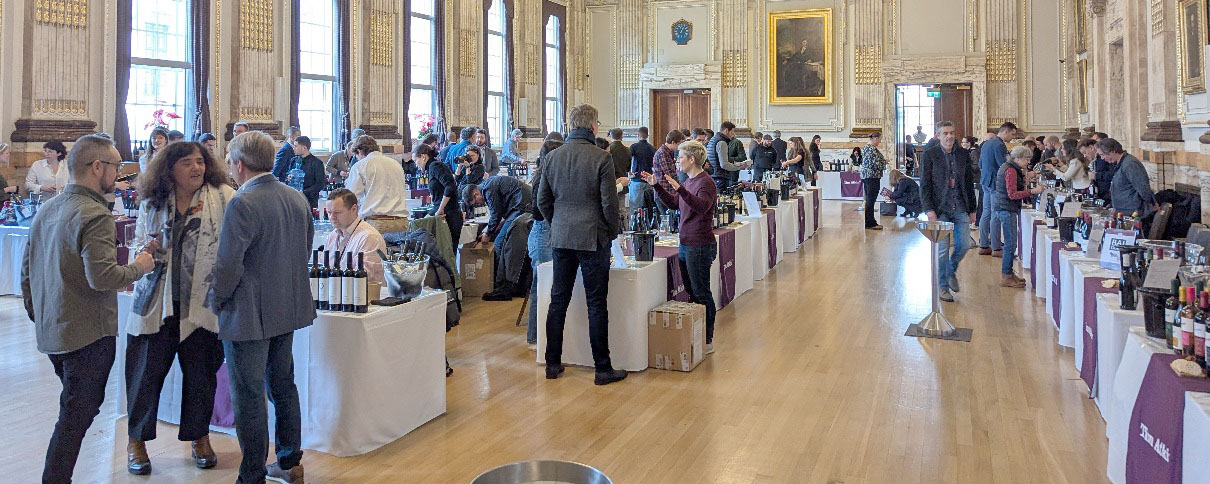
In March 2026, I went to Tim Atkin’s The Best of Rioja, a tasting showcasing more than 300 wines from 39 producers. It was particularly timely, coming just as Rioja had celebrated 100 years as Spain’s oldest DOC. Many of the wines were poured by the producers themselves, which made it possible to talk to them directly, giving real insight into the people and stories behind the wines.
The producers present were among those featured in Tim Atkin’s Rioja Report, where he classifies bodegas and cooperatives and awards scores to their wines. While the tasting provided recommended prices for most bottles, I have chosen to include online prices where available, as these seem a better reflection of what you are likely to pay.
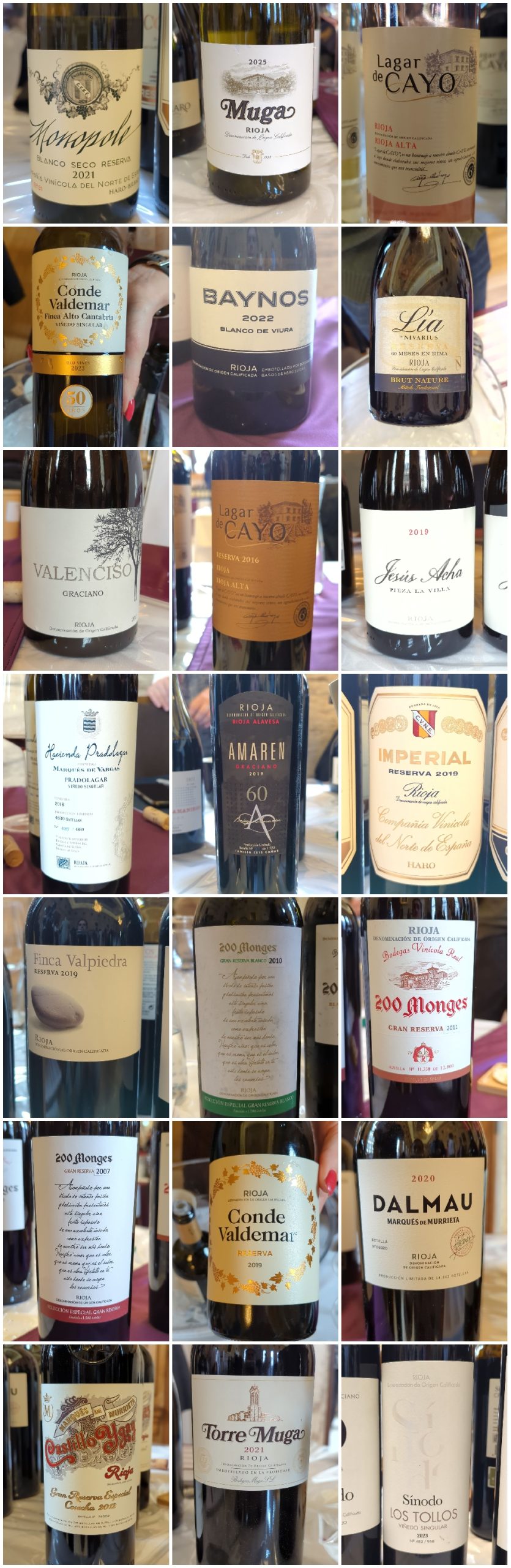
Monopole Rioja Reserva Blanco Seco 2021 13.5% £21
Made from 100% Viura and matured for about eight months, including time beneath a layer of flor yeast. It has aromas of pear, apple, white flowers, nuts and spice, then a dry, rich style on the taste with a saline edge and fresh acidity. Available from Hedonism and Farr Vintners.
Muga Blanco 2025 £14
A blend of Viura, Garnacha Blanca and Malvasia de Rioja, rested on its lees and aged in oak for three months. It is lovely and intense, with citrus and pear on both the aroma and the taste, while the texture is smooth and rounded. Listed by Waitrose Cellar and Majestic, although Majestic is currently offering the 2024 vintage.
Lagar de Cayo Clarete Rosado NV 13.5% £14
This rosé is made from Tempranillo and Garnacha. It has a very intense multi fruit character both on the aroma and the taste and there is real depth of flavour here for a rosé. Available from Wine at Home.
Conde Valdemar Finca Alto Cantabria 2023 13% £28
Produced from old-vine Viura and fermented in French oak. The wine combines subtle oak and vanilla spice with pear and citrus peel flavours, then finishes long and refined.
Baynos Blanco de Viura 2022 13% £65
Made from 100% Viura. Tropical and citrus notes sit alongside a deep smoky, creamy character, giving the wine plenty of richness as well as freshness. Available from City Wine Collection.
Nivarius Lia Reserva NV 12.5%
A traditional method sparkling wine made from 60% Viura, 20% Maturana Blanca and 20% Garnacha Blanca, with five years on the lees. A perpetual reserve is used to keep consistency across years, and it is bottled as brut nature with no added dosage sugar. Honey and bready notes lead into a dry style with fresh acidity, and it feels like a genuine Champagne challenger. Stockists include Beckford Bottle Shop and Great Wines Direct, although I could not find a price anywhere.
Valenciso Graciano Rioja 2021 13.5% £30
Made from 100% Graciano, a grape that accounts for less than 2% of plantings in Rioja. It is deeply aromatic with cherry notes, while the taste is very concentrated with black fruit at the core. One of my favourites of the tasting. Imported by Boutinot so you need to do a web search for the latest stockists.
Lagar de Cayo Reserva 2016 13.5% £23
This is 100% Tempranillo. It brings typical dried red fruits, leather, tobacco and sweet spice on the aroma, then rich matured red fruit and oak on the taste. The tannins have softened with age but are still present and it feels like great value. Available from Wine at Home.
Viñedos El Pacto Jesús Acha Pieza La Villa 2019 15.1%
A field blend of 62% Garnacha, 20% Mazuelo and 10% Tempranillo. The aroma gives red berries, ripe black fruit, spice, balsamic notes and a touch of liquorice. On the taste there is red fruit and olive tapenade, with a full-bodied, savoury style from the oak that feels different from the norm. It is said to be available from The Wine Society and C&D Wines, although I could not confirm the price.
Marqués de Vargas Pradolagar 2018 14.5% £125
A Viñedo Singular wine made from 75% Tempranillo and 25% Mazuelo. Dried red fruits, leather and tobacco come through on the aroma, followed by concentrated blackberries, liquorice and a long finish. It was one of my favourites of the tasting, and production is limited. UK representation is currently being sought.
Amaren Graciano 2019 14.5% £76
Produced from 100% Graciano grown on 60-year-old vines. It is highly aromatic and intense, with black fruits, woody notes and a floral lift, while the taste keeps that same black fruit depth. Medium to full bodied, with softer tannins. Imported by Alliance Wine so you need to do a web search for the latest stockists.
C.V.N.E. Imperial Reserva 2019 14% £34
A blend of 85% Tempranillo, 10% Graciano and 5% Mazuelo. It has intense dark fruit, tobacco, cocoa and subtle oak spice character, with a medium to full-bodied frame. I tasted two more expensive and two less expensive C.V.N.E. wines, and this felt like the best value for money. Available from Sainsbury’s, Co-op and Majestic.
Finca Valpiedra Reserva 2019 £26
Made from 90% Tempranillo, 6% Graciano and 4% Maturana. Intense blackcurrant, dark cherry fruit and cedar give it plenty of Rioja character, and the tannins sit at a medium level. It feels special for the price. Available from The Artisan Food Company and Wine Direct.
200 Monges Gran Reserva Selección Especial Blanco 2010 13% £275
A blend of 70% Viura, 20% Malvasia, 5% Garnacha Blanca and 5% other varieties. Floral, mineral, oaky and spicy aromas lead into a wine that is oaky, oily/creamy, with a long finish. Despite the age, it still tastes fresh. Said to be available from Wanderlust, although I could not find it.
200 Monges Gran Reserva 2011 14.5% £68
Made from 75% Tempranillo, 15% Graciano and 10% Garnacha. It has extreme red and black fruit with tobacco, coconut and vanilla on the aroma, and it was the most aromatic wine of the tasting. The tannins are still present despite the age, and the finish is long. I thought it was one of the best wines in the tasting. Available from Wanderlust.
200 Monges Gran Reserva Selección Especial Tinto 2007 14% £275
This wine is 95% Tempranillo and 5% Graciano. Blackberry, plum, blueberry, fine oak and tobacco come through on the aroma. It is less aromatic than the 2011 Gran Reserva but still powerful, with a full-bodied taste of ripe fruit, liquorice and balsamic notes, plus more oak than usual. The finish is long. Said to be available from Wanderlust, although I could not find it.
Conde Valdemar Reserva 2019 14% £17
A blend of Tempranillo 87%, Garnacha 6%, Graciano 15% and Maturana 3%. It has classic Rioja ripe fruit on both the aroma and the taste, and the very low tannins make it especially consumer friendly. I have included it here as the best value. Available from Berkmann Wine Cellars, Fine Wines Direct and Fairleys Wines.
Marqués de Murrieta Dalmau 2020 14.5% £134
Made from 82% Tempranillo, 12% Cabernet Sauvignon and 6% Graciano, sourced from the 60-year-old Canajas vineyard within the Ygay Estate. It has deep ripe black fruit with hints of black spice, balsamic and mineral aromas, alongside a slight leather note that comes from the Cabernet and makes it different in an excellent way. Concentrated and juicy, with integrated tannins, this is an excellent single-vineyard wine. Available from Hedonism Wines, Handford and The Champagne Company.
Castillo Ygay 2012 14% £180
A blend of 81% Tempranillo and 19% Mazuelo. The aroma brings dark cherries, ripe plums, tea leaves, cedar and herbal notes. On the taste it is concentrated and dark-fruited, with added caramel, toffee and a warming quality. Medium to full bodied, and widely available, although pricing varies considerably.
Torre Muga 2021 14.5% £65
Made from Tempranillo, Mazuelo and Graciano. This is intended to be more intense and slightly fuller bodied than traditional Rioja, with a fruitier profile because of the shorter ageing. See my notes from the previous Rioja tasting. Available from retailers such as The Wine Society, Waitrose and Majestic.
Sínodo Los Tollos Viñedo Singular NV 14% £40
A blend of 96% Tempranillo, 2% Mazuelo and 2% Malvasia de Rioja. Earthy and savoury in style, it also has violet notes and medium tannins. The finish turns savoury again, with a cranberry edge at the end. Available from The Wine Society.
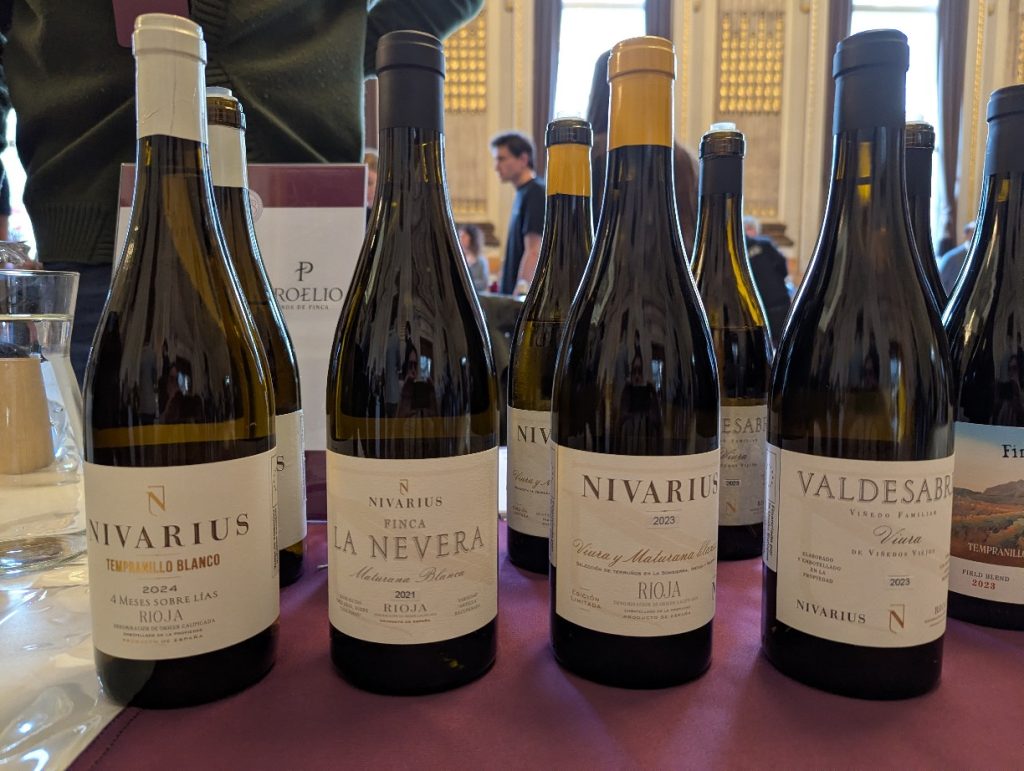
I also came across a superb range of whites from Nivarius, whose wines showed how well different grape varieties can be matched to different soil types, going beyond the familiar Rioja story of iron-rich clay and calcareous limestone.
Following on from last year, there is even more experimentation, diversification and innovation in Rioja beyond its traditional styles. Among my highlights are a sparkling Rioja that could rival Champagne, a glorious 100% Graciano from Valenciso, the terroir-driven Marqués de Vargas Pradolagar, and the Nivarius whites mentioned above.
A recurring theme among several producers I spoke to was the declining importance of the traditional Crianza, Reserva and Gran Reserva classifications, which are based largely on time spent in oak before release. One producer told me he had chosen not to put Reserva on the label because too many low-priced wines were now being released at that level.
It was also interesting to taste wines from the relatively new Rioja Viñedo Singular designation, which is intended to emphasise the distinctiveness of specific vineyard sites and highlight the terroir and unique character of individual plots, in something of a French way. However, one producer said they would not be using the classification, arguing that they had been making single-parcel wines for a long time and that the new designation added little for them. Others, such as Roda’s Agustín Santolaya, have also argued that a single-vineyard wine is not necessarily better.
The recent three-day symposium held as part of Rioja’s centenary celebrations suggests there may be a broader loosening of Rioja regulations in future, with more decision-making handed back to growers and winemakers. That could encourage greater diversity in grape varieties, winemaking methods and wine styles, in line with the current fashion for fresher, lighter and more elegant wines.
As a recent example, until fairly recently, Rioja white wines could be made from only three permitted grape varieties. That was later expanded to six, and three more have now been added, including Sauvignon Blanc and Chardonnay. At this tasting I did actually try a Viura and Sauvignon blend, which I liked, but found mentally challenging to ‘classify’.
Tim Atkin’s Rioja Report is available to purchase and provides a comprehensive guide to Spain’s most famous wine region. It includes a classification of bodegas and cooperatives, along with scores for the wines.