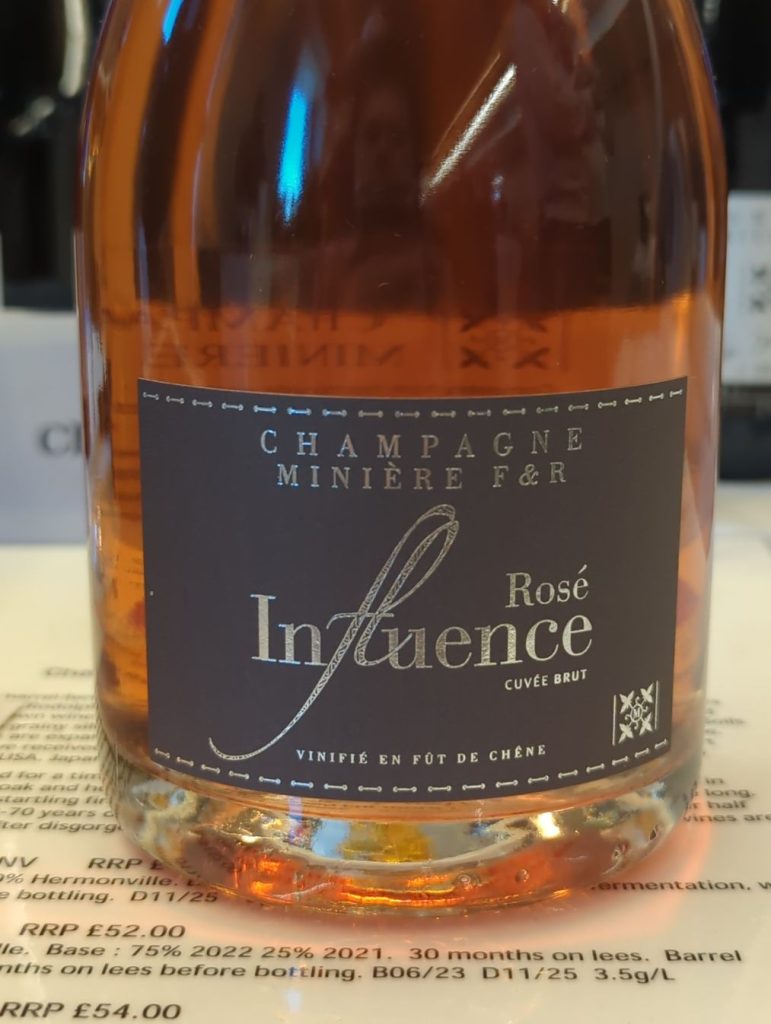
Grower champagne is the term for a bottle whose producer is legally identified in Champagne as an RM, or Récoltant-Manipulant. According to Comité Champagne, an RM is a grower who makes and markets own-label Champagne from grapes sourced exclusively from that grower’s own vineyards. That is different from an NM, or Négociant-Manipulant, which is an individual or company that may buy grapes, musts or wines in order to make Champagne under its own label. In other words, “grower champagne” is not a separate appellation from Champagne itself, it is a producer category within the wider AOC Champagne system.
Comité Champagne says there are about 280,000 plots, 16,200 registered growers, 130 cooperatives and 370 Champagne houses. Official sources do not give a current public count for how many growers are specifically RM grower-producers.
Until the mid 20th century, almost all growers produced grapes that were then sold to the houses, which made and marketed the wine. Grower champagne therefore sits inside a long-standing regional structure in which vineyard ownership and brand power have more-often been separated.
Not every grower in Champagne bottles grower champagne. Comité Champagne states that some growers sell their grapes to houses, while others belong to cooperative cellars and do not produce Champagne themselves. On labels, the small-print professional registration is the key:
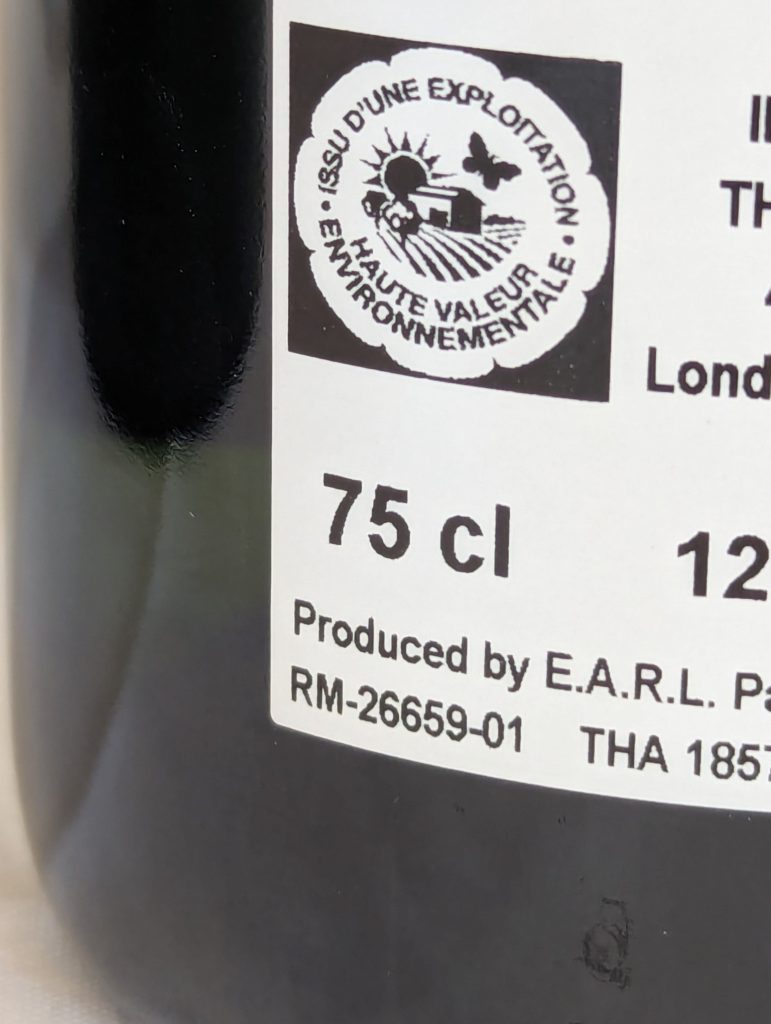
- RM identifies a grower-producer
- RC identifies a Récoltant-Coopérateur, meaning a cooperative member selling co-op-produced Champagne under the grower’s own label
- CM identifies a cooperative producer
- NM identifies a merchant-producer
- ND and MA identify other commercial categories
The RM code is not a quality guarantee. It does not guarantee quality or terroir expression. There are strong and weak growers just as there are strong and weak houses. In practice, the letters on the label tell you about producer status and grape sourcing, but they do not, on their own, tell you whether the wine is better or more artisanal.
Having hunted down grower Champagne at tastings, I have also found that not all of them put RM on the back label. Some put NM instead when there is ambiguity due to them being both RM and NM under different circumstances.
Grower Champagne often shows more vintage variation. Non-grower non-vintage Champagne usually relies on blending wines from different villages and bolstering the current base wine with reserve wines is central to ironing out vintage variation. By contrast, RM Champagne is made from the grower’s own vineyards, and grower bottlings tend to change more readily from year to year because they give a more direct snapshot of season, rainfall, sunshine and harvest timing rather than aiming first at the fixed, highly blended profile associated with many larger houses. However, grower producer does not mean the wine necessarily avoids blending or reserve wines. A grower producer can make a wine that is highly site-conscious while still relying on classic Champagne blending techniques.
You might choose grower Champagne because it often feels more distinctive and more closely tied to a specific place. That sense of individuality is a big part of the appeal. The major houses are usually aiming for a recognisable house style year after year, which can be excellent, polished and reliable. Growers often go the other way, making wines that are more idiosyncratic, sometimes more expressive, and occasionally a bit less predictable. For some people, that makes them more interesting to drink.
The highest profile producers include Egly-Ouriet, Jacques Selosse, Pierre Péters, Chartogne-Taillet, Vilmart & Cie, Agrapart & Fils, Tarlant and Roses de Jeanne.