My previous accidental success pairing food and wine at Maki & Ramen got me thinking more seriously about Asian food and wine. Those who follow this site will know that I have a somewhat chequered history with food and wine pairing. Quite often, the wine that is supposed to work simply doesn’t, although every now and then there is a real hit. It can all feel a bit random, which is one of the reasons I generally prefer to drink and appreciate wine on its own.
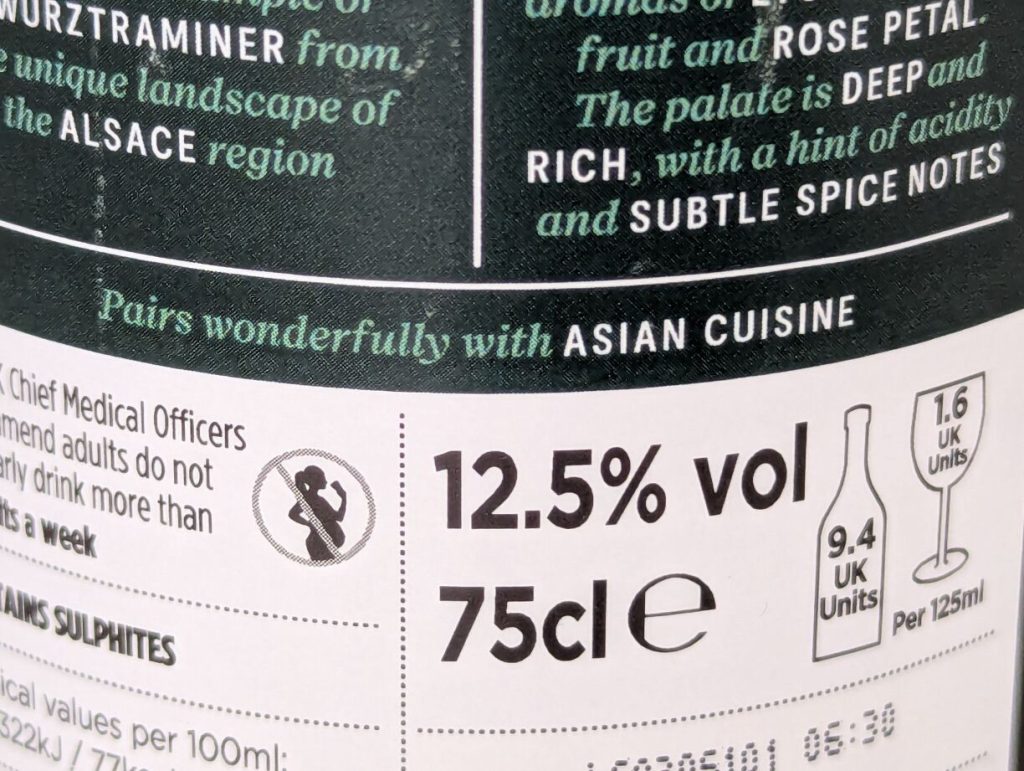
Then there is the wording you see on so many bottles: “great with Asian food”. But what exactly does that mean? Asian food covers a great range of cuisines, flavours, spices, textures and cooking styles. Surely one wine cannot be equally well suited to all of them? I decided it was worth investigating.
The idea was to compare a selection of wines across a range of different Asian dishes, testing some of the expected pairings while also looking for a few less obvious combinations that might surprise. The original line-up was 11 wines and 9 different types of dish. In reality, that became 10 wines after one of the bottles, a Rosé, turned out to be faulty.
I also enlisted some wine-interested family and friends to taste alongside me. Food and wine matching can be very subjective, and I would be the first to admit that I am not the world’s greatest food-and-wine-pairing aficionado, so I wanted the conclusions to be based on more than just my own taste.
The aim was not to find a single “perfect” wine for Asian food, but to see which combinations consistently worked and whether there were any unexpected matches.
The food covered a broad range of Asian flavours and styles, giving us plenty of different combinations to test the wines against. We had vegetable, prawn and avocado sushi, tempura prawns, chicken gyoza, prawn gyoza with ginger and wasabi, vegetable gyoza, sweet chilli salmon and prawn fishcakes, Thai green curry with sticky rice, crispy sweet and sour chicken with egg fried rice, crispy aromatic duck with Hoisin sauce, spring onions, cucumber and pancakes, spring rolls, and vegetable chow mein.
The wines:
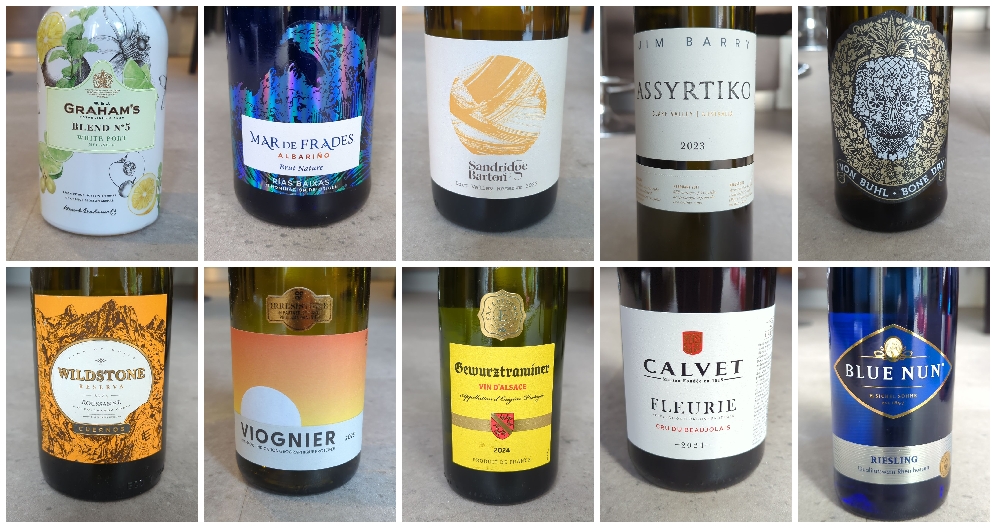
Graham’s Blend No.5 White Port NV, 19%
From the Douro in Portugal, this is made from Malvasia Fina and Moscatel Galego grapes and is the first White Port blended specifically for mixing. It is intended to be lighter, crisper and fresher than a traditional White Port. We served it with Fever-Tree Mediterranean Tonic Water at around one part Port to three parts tonic. I chose it to start because I thought its freshness would wake up the palate and work well with salty and crispy dishes. It also comes in a very attractive bottle that could easily be reused afterwards. Everyone enjoyed it with the tonic, while one person who particularly likes Port also enjoyed it neat. We found it medium-dry, with fresh citrus, a touch of orange blossom and something reminiscent of lemon meringue on the palate. The general consensus was that it was very smooth. It worked especially well with the Thai green curry, spring rolls and tempura prawns, while also cutting through the spice of the salmon and prawn fishcakes. Around £22 from Waitrose.
Mar de Frades Albariño Brut Nature NV, 12%
This sparkling wine is made from 100% Albariño and was the first of its kind in the region to be produced using the traditional method. It is blended across two or three vintages to maintain a consistent character. I had previously reviewed it on its own and found that it begins with a richness reminiscent of Champagne before giving way to fresh acidity and a clean saline finish. I chose it because I thought that saline quality should work particularly well with seafood. During the tasting we found it very lively, with lots of tiny bubbles, along with pineapple and apple on the palate. The taste moved from sharp to distinctly dry. It worked particularly well with the sushi, fishcakes and tempura prawns. Personally, I still prefer this wine on its own. Around £28.50 from Slurp and Vinum.
Sandridge Barton Dart Valley Reserve 2023, 10%
From Devon, this was one of the lower-alcohol wines in the line-up. Coincidentally, I had also picked it out at the Majestic press tasting the previous week, where I found it deeply aromatic, with a pronounced Riesling-like petrol character alongside tropical fruit, peach, pear, yellow apple and lemon. It also had a surprisingly long finish. Its relatively low alcohol level, combined with plenty of flavour and without excessive sweetness, made me think it should work particularly well with Asian food. In practice, there was no real consensus about its best match. Different people picked out the sushi, fishcakes, gyoza and tempura prawns, while others preferred it with the spring rolls or chow mein. Around £14 from Majestic as part of a Mix Six offer.
Jim Barry Clare Valley Assyrtiko 2023, 11.4%
An Australian Assyrtiko was something I was keen to include, partly because the grape is so strongly associated with Greece. I chose it because its naturally high acidity and steely character sounded like a convincing match for seafood. We found plenty of lemon, passionfruit and apple, together with a medium to full mouthfeel. It was dry but still distinctly fruity. A few people also noticed a slight fizzy zing or tingle on the tongue, although I did not experience that myself. I have tasted quite a few Assyrtikos and, tasted on its own, this seemed more extreme in character than many examples. With food, though, it proved impressively versatile. It went well with the sushi, prawns, fishcakes and gyoza, and was particularly successful with the crispy duck. In fact, it seemed to work with almost everything we put in front of it and even coped very well with the wasabi. Around £25.50 from Laithwaites.
Von Buhl Bone Dry Riesling 2024, 12%
From Germany, this dry Riesling comes from a producer whose wines were served at the opening of the Suez Canal. The bottle also has a glow-in-the-dark label, although despite trying during the tasting and later in a pitch-black room, I could not get it to glow. I chose it because I thought the combination of dryness and acidity would slice through fried food while also coping with ginger, soy and wasabi. We found peach on the nose followed by a zingy tangerine character on the palate. Opinion on the food pairings varied, with some thinking it was best with the tempura prawns and others preferring it with spring rolls or gyoza. Around £17 from Laithwaites.
Wildstone Roussanne 2024, 13.5%
From Luis Felipe Edwards in Chile, this is a blend of 85% Roussanne and 15% Marsanne. I had reviewed it previously and liked its combination of ripe peach, a touch of citrus and honeyed character. It has a rounded feel that can almost suggest a sweet wine, even though it is not actually sweet. I included it because I thought that weight and honeyed fruit would stand up well to richer dishes and spice. During the tasting we found stone fruit and a little citrus on the nose, with a distinct cantaloupe melon character on the palate. It worked well with the fishcakes, Thai green curry, crispy duck and chow mein. Interestingly, when paired with food, that initial impression of sweetness seemed to disappear. At around £9.75 from Waitrose, it was one of the less expensive wines in the tasting.
Co-op Irresistible Viognier 2025, 13%
This French Viognier was another wine I had already encountered, having picked it out at a Co-op press tasting. At the time I found intense apricot and oaky vanilla aromas, with those flavours carrying through onto the palate while the wine remained dry. It also had a lovely full mouthfeel with a slightly oily texture. I chose it because I expected that combination of apricot, richness and texture to work with ginger and spice. We found apricot, vanilla, marjoram and oaky notes. This was one of the more divisive wines. Some people felt there was not enough acidity to cut through the food and thought it was much better enjoyed on its own, while others had more success and thought it went particularly well with the sweet and sour chicken and Thai green curry. Around £8.65 from Co-op.
Exceptional Gewürztraminer 2024, 12.5%
I felt I had to include a Gewürztraminer because it is probably one of the most frequently suggested wine matches for Asian food. Actually finding one proved unexpectedly difficult, with Lidl, Sainsbury’s and Asda all out of stock. I eventually managed to pick this bottle up from a smaller Asda store at the last minute. We found it had the classic Gewürztraminer characteristics of lychee and fresh rose petals, together with a rich peachy, full-bodied texture that can feel slightly oily in the mouth. It is medium-dry, with a little sweetness and a long finish. It matched particularly well with the sweet and sour chicken, fishcakes and crispy duck. I paid £9.25 from Asda.
Calvet Fleurie Beaujolais 2024, 13%
From Beaujolais in France and made from Gamay, this was our main red wine experiment. I had previously reviewed an earlier vintage and found it silky and perfumed, with red fruit and a delicate texture followed by an impressive lift of fruity sweetness in the middle of the palate. Despite that impression of sweetness, it is actually a dry wine. I included it because I thought the low tannin and juicy fruit would be particularly well suited to duck, soy and Hoisin sauce. During the tasting, people picked out strawberry and Morello cherry. In practice, though, this proved to be one of the least successful wines with the food. If anything, it worked best with the gyoza and sushi. One of our more experienced wine drinkers absolutely loved the wine, but preferred it on its own. Around £14.75 from Ocado.
Blue Nun Riesling 2025, 9.5%
The Blue Nun name has recently been rejuvenated by Les Grands Chais de France following its 2024 acquisition of Franz Wilhelm Langguth Erben. Blue Nun dates back to 1921 and has reportedly sold more than one billion bottles worldwide. The updated branding retains the famous blue bottle while giving it a cleaner, more contemporary appearance. The technical sheet describes the positioning as having a “neo-mundane” character, which I take to mean an attempt to make the deliberately ordinary fashionable again. This version is very different from the Blue Nun many people will remember from the 1960s, 70s and 80s. The classic Blue Nun was a Liebfraumilch, traditionally based largely around Müller-Thurgau, while this new wine is Riesling. I chose it because I thought its sweetness and low alcohol might work well with sweeter dishes.
The blue bottle certainly attracted attention, although some of my tasters looked positively aghast when I first presented it. There was a floral character on the nose, but the main talking point was the sweetness. At 41.4g/l of residual sugar, it really is sweet. Some people found that simply too much. Others, including me, found that the sweetness worked rather well with the Hoisin sauce accompanying the duck and with the sweet and sour chicken. When I tasted it again on its own the following day, and after the tasting comments, my conclusion was that it almost makes more sense to think of it as a dessert wine. It costs around £7.50 from DrinkSupermarket and Ocado. There is also a different ‘Blue Nun Authentic White’ version available, which I have not tried and should not be confused with this Riesling.
I asked everyone to score each wine, and the results were interesting. Perhaps predictably, the Gewürztraminer came out joint top. Less predictably, it shared that position with the Graham’s Blend No.5 White Port! Very close behind were the Jim Barry Clare Valley Assyrtiko and the Von Buhl Bone Dry Riesling. The Assyrtiko was the biggest learning for me because of just how versatile it proved across such a wide range of dishes.
So, what kind of wines should you choose for different types of Asian food? Based on our tasting, here is a simpler guide to the styles that worked best with each dish:
| Food | Best wine matches |
|---|---|
| Sushi | Mar de Frades Albariño Brut Nature, Jim Barry Assyrtiko, Dart Valley Reserve |
| Tempura Prawns | Graham’s Blend No.5 White Port and tonic, Mar de Frades Albariño Brut Nature, Von Buhl Bone Dry Riesling |
| Chicken and Prawn Gyoza | Jim Barry Assyrtiko, Von Buhl Bone Dry Riesling, Dart Valley Reserve |
| Vegetable Gyoza | Jim Barry Assyrtiko, Von Buhl Bone Dry Riesling |
| Sweet Chilli Salmon and Prawn Fishcakes | Graham’s Blend No.5 White Port and tonic, Gewürztraminer, Wildstone Roussanne |
| Thai Green Curry | Graham’s Blend No.5 White Port and tonic, Wildstone Roussanne, Co-op Irresistible Viognier |
| Sweet and Sour Chicken | Gewürztraminer, Co-op Irresistible Viognier, Blue Nun Riesling |
| Crispy Aromatic Duck | Jim Barry Assyrtiko, Gewürztraminer, Wildstone Roussanne, Blue Nun Riesling |
| Spring Rolls | Graham’s Blend No.5 White Port and tonic, Von Buhl Bone Dry Riesling, Dart Valley Reserve |
| Vegetable Chow Mein | Wildstone Roussanne, Dart Valley Reserve |