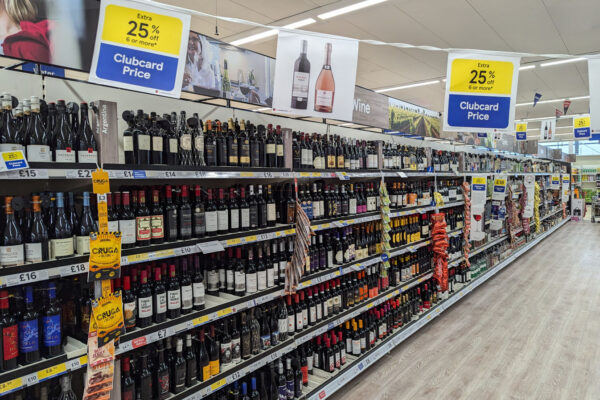
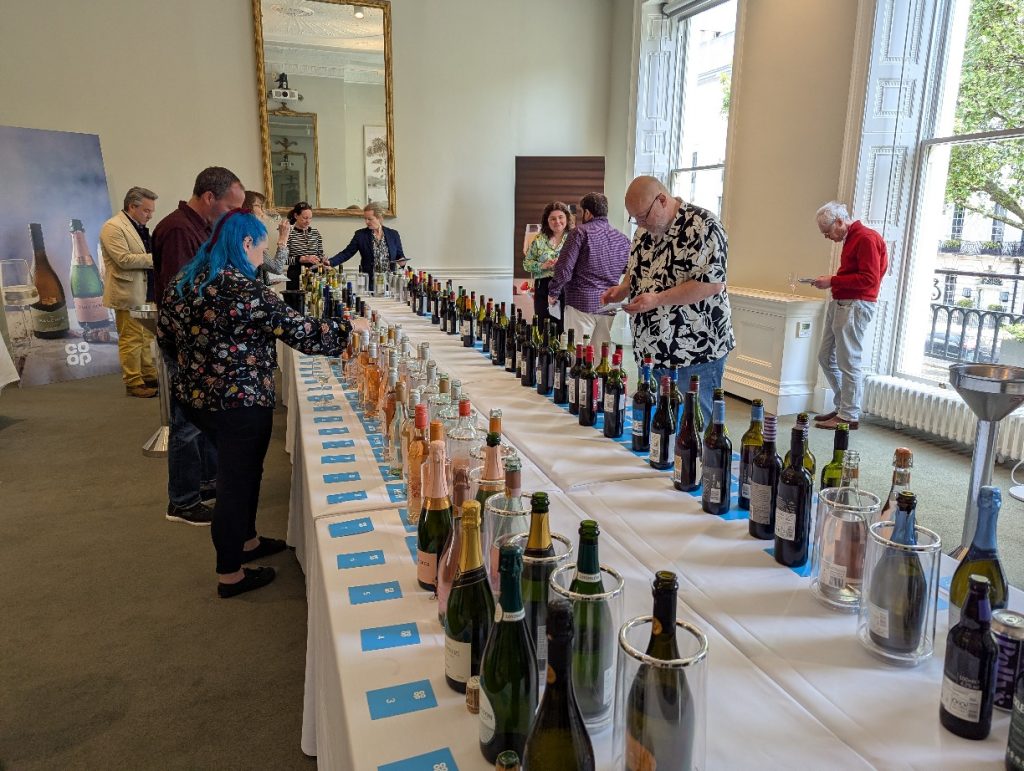
At the end of April, I was at Co-op’s Spring/Summer press tasting in London, where 74 wines were being shown.
Co-op has a new Head of Wines and Spirits and she shared a few interesting insights with me. Rosé has been big for a while, and it is expected to remain so, particularly among younger drinkers. That was reflected in the line-up, with 14 rosés available to taste. White wines are the next most popular category, followed by reds.
Reds, however, are going through something of a moment because of recent duty changes. Producers are increasingly looking at ways to reduce alcohol levels, and therefore duty, which means we can expect a few surprises and some shocks to existing styles of wine in the near future.
One of the most interesting points came from a Co-op survey, which showed that the majority of wine bought at Co-op is consumed within one to two hours of purchase. Customers also tend to buy a relatively small number of bottles, something I will come back to later when summing up. After all, Co-op is a convenience store rather than a supermarket. The large wine refrigerators in Co-op stores also help reinforce this behaviour, enabling shoppers to pick up a chilled white, rosé or sparkling to drink soon after buying it.
Here are the wines that impressed me the most:
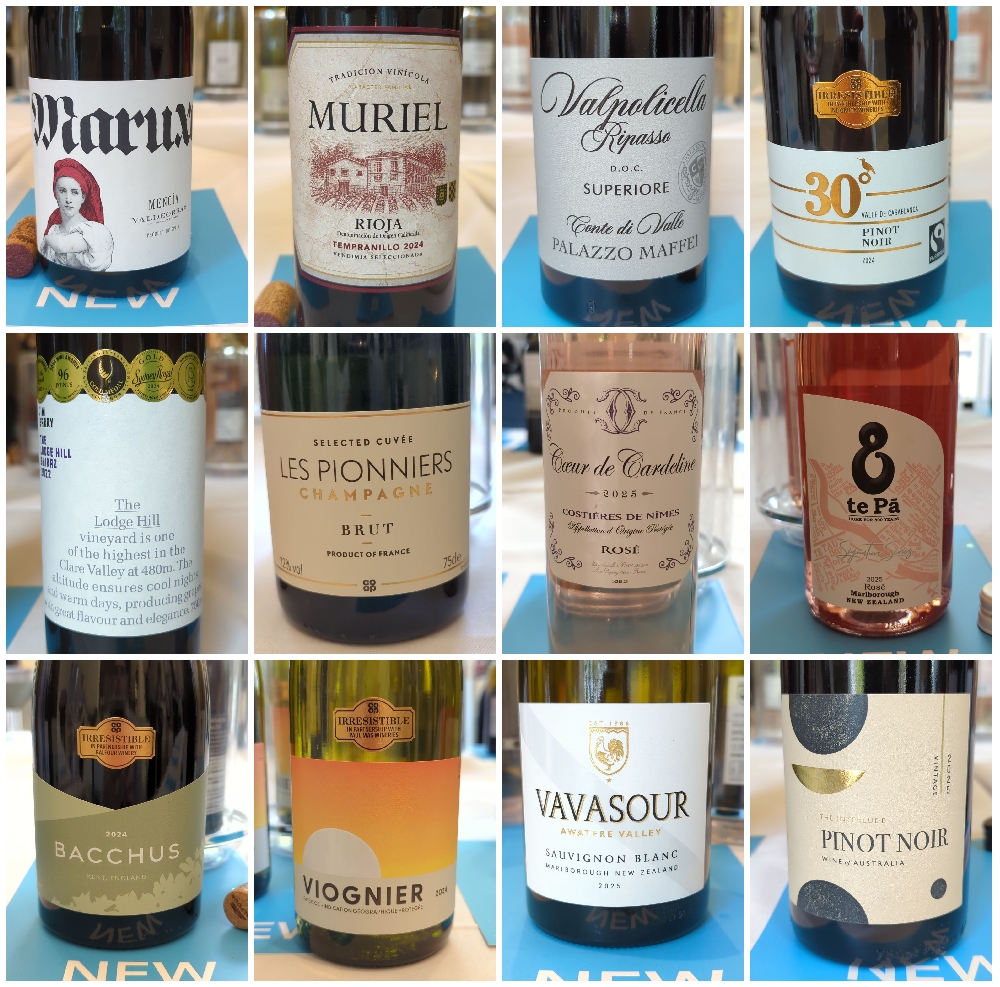
CVNE ‘Maruxa’ Mencía 2023 13% £12
Made by CVNE, best known for great Rioja, this is 100% Mencía and unoaked. Floral and violet notes lift the aroma, with raspberry alongside. The flavour is dry, fruity and red-fruited, threaded with subtle floral character. Low to medium tannins and a light liquorice edge add shape. It would be very good served cool on a hot summer’s day.
Muriel Tempranillo Vendimia Seleccionada Rioja 2023 14% £10.95
Medium ruby in colour, with red cherry and strawberry aromas. This is a dry, medium-bodied Rioja with balanced red fruit, low to medium tannins and no oak. It is not a traditional take on Rioja, instead feeling lighter, fruit-forward and easy to enjoy slightly chilled. Great value too.
Valpolicella Ripasso Superiore Palazzo Maffei 2021 14.5% £14
A blend of 60% Corvina, 30% Corvinone and 10% Rondinella, with a colour just beginning to brown slightly. Morello cherry, plum, chocolate, spice and a clear oaky character come through. The flavour is richer and velvety from refermentation on Amarone skins, with an off-dry sweetness, medium to full body and low to medium tannins. The finish is long, warm and spiced, with almost Amarone-like intensity.
Irresistible Casablanca Valley Pinot Noir 2024 13% £8.95
A new vintage of a previously reviewed wine, and it has even come down in price since last year. It still has a ripe cherry scent, with something slightly earthy and almost mushroom-like. Red fruit is balanced by a savoury streak that adds real interest. Although the label says light-bodied, it feels as though it is starting to lean towards medium.
Jim Barry The Lodge Hill Shiraz 2022 14% £12
Aged for 12 months in French oak, this Shiraz is deep purple in colour. Blackberry, plum, graphite and pepper come through clearly. The flavour is dry and concentrated, led by dark fruit, with low to medium tannins and a medium to full body. The finish is long.
Les Pionniers Champagne Brut NV 12% £24
A blend of Pinot Noir, Pinot Meunier and Chardonnay, and also a previously reviewed favourite. It has a toasty, buttery aroma, followed by a harmonious mix of brioche, apple and citrus flavours. Refreshing acidity keeps everything balanced. Perhaps there is a little less brioche than previously, but it is still great.
Coeur de Cardeline Rosé 2025 12.5% £8.75
A blend of 60% Grenache, 25% Syrah and 15% Cinsault, with a very pale salmon colour. Strawberry, redcurrant, pink grapefruit and white flower aromas give it a lovely lift. The flavour is dry, delicate and full of red fruit and citrus, with medium body and good mouthfeel. The finish is crisp, fruit-led and refreshing. This was my best value rosé of the tasting, with lovely fruit, one of the lowest sugar levels and, unlike others, much less reliance on sweetness for taste. The label is unassuming and the price is great.
Te Pā Signature Series Rosé 2025 12% £10.25
From New Zealand, made with 95% Pinot Noir, 3% Riesling and 2% Merlot. It looks darker than normal in the bottle for a rosé, though not in the glass. The aroma is very strong, with strawberry, raspberry and slight tropical notes. It is slightly sweet, off-dry, with bright red fruits, a tropical touch, medium body and a clean, zesty finish. A different style, especially good for those who want more flavour in rosé and a little extra sweetness.
Irresistible Bacchus 2024 12% £13.50
From Balfour Winery in Kent, England, this is pale lemon in colour. Elderflower, gooseberry, hedgerow herbs and lime give it a very English freshness. The flavour is dry, aromatic and zesty, with high acidity and a crisp, herbal, clean finish. Think of it as England’s answer to a New Zealand-style Sauvignon Blanc.
Irresistible Viognier 2025 13% £8.65
Yellow in colour, with intense apricot and oaky vanilla aromas. The flavour follows through with apricot and oak, while remaining dry. It has a lovely, full mouthfeel, with a slightly oily texture.
Vavasour Sauvignon Blanc 2025 12.5% £12
From Awatere Valley in New Zealand, this is the new vintage of a wine that has been a favourite many times before. Pale lemon in colour, it bursts with gooseberry, passionfruit, red capsicum, cut grass and citrus. The taste is dry, highly aromatic and crisp, combining citrus and tropical fruit with light to medium body and high acidity. The finish is zesty and pungent.
The Interlude Pinot Noir 2025 11% £8.50
From South Eastern Australia, this unoaked Pinot Noir was a bottle I returned to at the end of the tasting. Pale to medium red in colour, with red cherry and forest floor aromas. It is dry, light to medium-bodied and elegant, with red fruit, savoury complexity and low to medium tannins. The finish is very savoury, making it a great match for savoury food.
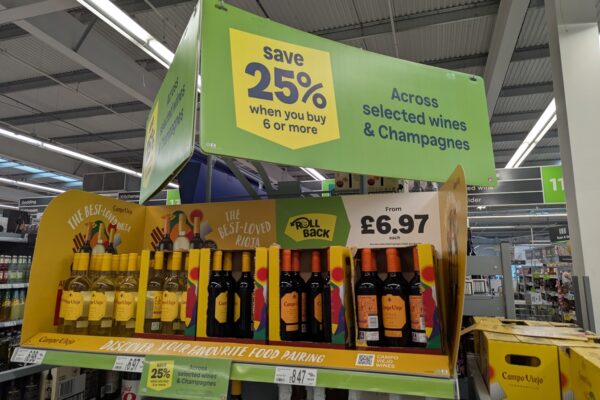
One thing I noticed was the general affordability of most of the wines, especially for a convenience store. This comes at a time when most supermarkets have increased their wine prices by £1 to £2. Something to consider when comparing Co-op with those retailers is that Co-op does not need to factor in the cost of regular “25% off when you buy six or more bottles” promotions. Co-op does not run these offers because its customers are not generally buying that number of bottles. These promotions were at one time used by other supermarkets to clear wine at the end of a season, but they now seem to appear around almost every UK public holiday. As a result, the discount has to be built into the headline price, which makes other retailers’ wines more expensive the rest of the time.
Another thing I had not seen before at previous tastings was the decision to put the residual sugar levels at the back of the tasting booklet. The idea was to encourage us to taste the wines without knowing this information in advance. There is some sense in that. I have tasting colleagues who will not even try a wine if they see it has a high level of residual sugar. In some ways, though, this goes against what many mass-market drinkers actually enjoy. Sweetness can make a wine more approachable and pleasurable for many people. Yet in the wine world, this is often not what is considered a ‘proper’ wine, unless it is clearly positioned as a sweet wine, such as a dessert wine.
Co-op’s strength lies in understanding its convenience-led customers and offering great, well-priced wines that are ready to enjoy without fuss.