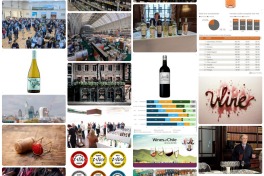

In early November 2026, I was in London for The Best of Portugal Tasting, the official launch of Tim Atkin MW’s first-ever Portugal Special Report, written by Beth Willard. Beth spent three weeks travelling around Portugal, visiting producers and tasting hundreds of wines from across the country. The resulting report features 672 wines from 91 producers, with an impressive 302 wines scoring 93 points or higher. The producers featured are among Portugal’s finest, so it is perhaps unsurprising that the scores are so high.
Like the previous, February, Wines of Portugal Grand Trade & Press Tasting, this event was sponsored by Wines of Portugal. However, there was a noticeable difference in emphasis. While the Grand Tasting showcased the breadth and diversity of Portuguese wines across a range of price points, this event focused firmly on the premium end of the market. From what I have heard ‘on the grapevine’, this reflects a broader ambition by Wines of Portugal to position Portuguese wines increasingly as premium products.
The tasting brought together 70 producers from nine Portuguese wine regions, showcasing around 250 wines, all of which had scored at least 93 points in the report. In many cases, the wines were being poured by the owners or winemakers themselves, providing an excellent opportunity to hear the stories behind them.
Some of the wines, which I have indicated below, are not yet available in the UK and could represent interesting opportunities for importers looking to expand their Portuguese portfolios.
Wines that particularly caught my attention, with prices included where available:
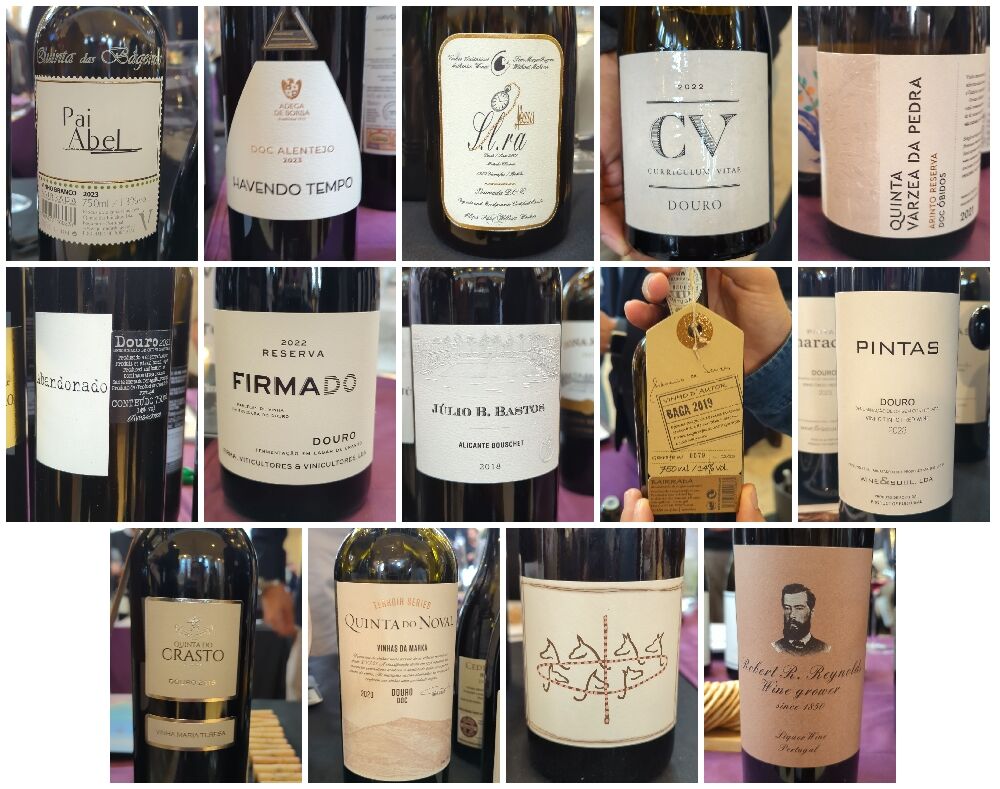
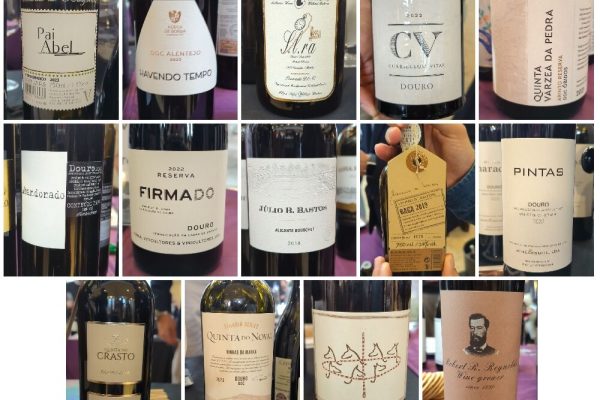
Vinho Branco Pai Abel 2023 13.5%
An unfiltered still white wine from Quinta das Bágeiras in Bairrada DOC, made from 50% Fernão Pires (Maria Gomes) and 50% Bical. Aromas of herbs and ginger have a slightly musky character. Citrus fruit, warming spice and ginger follow, with a delicate touch of oak. The wine has great body, balanced by refreshing acidity that carries through to a long, lingering finish. Tim Atkin: 94/100. UK importer: Festa.
Havendo Tempo Branco 2023 13.0%
Produced by Adega de Borba in Alentejo DOC, this still white blends 40% Roupeiro, 40% Rabo de Ovelha and 20% Arinto (Pedernã). Half the wine spends time in barrel, bringing a gentle oak influence without overwhelming the fruit. Aromas of lemon, pineapple, beeswax and toasted almonds lead into creamy tropical fruit flavours. It has a lovely rounded mouthfeel, while vibrant citrus acidity provides freshness and balance. Tim Atkin: 95/100. UK importer: Graft Wine Co., although further UK distribution is being sought.
Nossa S.L.RA Since 2001 12.0%
A traditional-method, multi-vintage sparkling white from Filipa Pato & William Wouters in Bairrada DOC, bringing together Arinto (Pedernã), Baga, Cercial, Bical and Maria Gomes. Inviting aromas of baked apple, toasted brioche and roasted almonds are complemented by savoury notes. Very dry, with no added sugar, it combines crisp apple flavours with an intriguing musky character. A distinctive sparkling wine with plenty of complexity. Tim Atkin: 96/100. UK importer: Clark Foyster Wines.
Curriculum Vitae Douro Branco 2022 13.6%
From Van Zellers & Co in Douro DOC, this still white is produced from an old-vine field blend of 20 traditional Douro grape varieties. There is a subtle oak influence on the aroma, followed by fresh citrus and stone fruit flavours. Delicate oak and mineral notes add complexity without taking away from the fruit. Fresh acidity runs from the first sip right through to the impressively long finish. An elegant, beautifully balanced wine. Tim Atkin: 98/100. UK importers: Rouge & Co, London Ltd and Tanners Wines.
Arinto Reserva 2021 13.5%
A still white from Quinta Várzea da Pedra in Lisboa DOC, made entirely from Arinto (Pedernã). Aromas of vanilla, ripe apricot and lemon zest offer an appealing combination of fruit and gentle oak. The wine is rounded and slightly creamy in character, with citrus flavours, a delicate mineral edge and a subtle touch of oak. Despite its richness, the freshness keeps everything lively and balanced. Tim Atkin: 97/100. UK importer: Indigo Wines.
Abandonado 2021 14.0% £108
A powerful red from Alves de Sousa in Douro DOC, produced from a formerly abandoned vineyard containing more than 25 indigenous grape varieties, including Tinta Amarela, Touriga Franca, Sousão and Touriga Nacional. Complex aromas of black fruit, eucalyptus, liquorice, balsamic and tar create a wonderfully intense first impression. Dry and full-bodied, with rich black cherry, blackberry, dark chocolate and liquorice flavours. Smoky, earthy notes add further depth, leading to a long, concentrated finish. Tim Atkin: 97/100. UK importer: Top Selection.
Firmado Tinto 2022 13.5% £21.40
Produced by Firma in Douro DOC, this red comes from a blend of old vines. Expressive aromas of red and black fruits mingle with delicate floral notes and ripe cherries. The wine is rounded and fruit-driven, with juicy cherry flavours and low to medium tannins that give it a smooth, approachable character. There is an attractive softness to the wine while retaining plenty of fruit intensity. Tim Atkin: 95/100. Currently seeking UK distribution.
Bastos Alicante Bouschet 2018 14.5%
From Dona Maria, Júlio Bastos, in Alentejo DOC, this red is made from 100% Alicante Bouschet. The dry weather in 2018 helped produce grapes of impressive concentration and intensity. Rich aromas of blackberries, dark plums, black cherries and chocolate are joined by liquorice and balsamic notes. Ripe black fruits dominate the flavours, alongside dark chocolate and liquorice. Smooth and full-bodied, with acidity providing excellent balance. This was my favourite wine of the tasting and one of the few fuller-bodied reds I came across. I enjoyed it so much that they gave me a bottle, which I will be savouring and reviewing properly in the near future. The 2020 vintage is also available and offers a much fresher style, although it is also an excellent wine in its own right. Tim Atkin: 94/100. Currently seeking UK distribution.
Vinho d’Autor Baga 2019 14.5%
An impressive red from Vinhos Sidónio de Sousa in Bairrada DOC, made entirely from Baga and only produced in exceptional years. Concentrated dark cherry aromas introduce a dry, full-bodied wine packed with blackberry and ripe plum flavours. Savoury, earthy notes sit alongside subtle hints of chocolate, tobacco and wood. The rounded tannins provide structure without overpowering the rich fruit. Tim Atkin: 93/100. Currently seeking UK distribution.
Pintas 2023 14.5% £95.00
Produced by Wine & Soul in Douro DOC, Pintas is a red made from a large field blend of more than 40 indigenous grape varieties. Concentrated aromas of dark cherry and cassis are complemented by caramel and floral notes. Rich dark berry flavours follow, with silky, medium-level tannins giving the wine a beautifully smooth texture. Herbs and mineral notes add complexity, while the concentrated dark fruit continues through a wonderfully long finish. Tim Atkin: 98/100. UK importer: Corney & Barrow.
Vinha Maria Teresa 2019 14.5% £230
A red from Quinta do Crasto in Douro DOC, produced from an old-vine field blend. Elegant aromas of black cherry, violets and herbs introduce a wine of impressive concentration. Rich, intense dark berry flavours fill the mouth, combining depth with a beautifully generous character. The fruit remains wonderfully persistent, carrying through to an exceptionally long, dark-fruited finish. Tim Atkin: 98/100. UK importer: Enotria.
Terroir Series Vinhas da Marka 2020 15.0%
From Quinta do Noval in Douro DOC, this red combines more than 30 indigenous grape varieties grown on old vines. Intense black fruit aromas are layered with coffee, tobacco and delicate floral notes. Concentrated black cherry and blueberry flavours deliver richness and depth, while the smooth texture makes the wine particularly appealing. A long, lingering finish completes this powerful yet refined red. Tim Atkin: 97/100. UK importer: Gonzalez Byass.
Quinta da Pellada Carrocel 2021 13.2%
A distinctive red from Quinta da Pellada in the Dão region, made from 100% Touriga Nacional. A particular clone of the grape is used, producing a lighter and more delicate style than might be expected. Exceptionally aromatic, with expressive floral notes, cherries and fresh raspberries. Dry and elegant, the wine brings beautifully pure cherry flavours together with delicate violets. Its graceful character makes this a particularly attractive interpretation of Touriga Nacional. Tim Atkin: 94/100. UK importer: Indigo Wines.
Robert Reynolds 2019 19.0% £55.00
A rich, fortified red from Reynolds Wine Growers in Alentejo IG/IGP, made entirely from Alicante Bouschet. The wine is named in honour of Robert Reynolds, who introduced the Alicante Bouschet grape to Portugal. Deep aromas of black cherry and blackberries mingle with caramel and woody notes. Full-bodied and sweet, with concentrated black fruit flavours, luscious caramel and dark chocolate. A generous, indulgent wine with plenty of richness and intensity. Tim Atkin: 96/100. Currently seeking UK distribution.
Coming away from the tasting, several things struck me about the wines I had tried. The first was just how many were field blends, made from a mixture of grape varieties grown and harvested together in the same vineyard. Some contained an extraordinary number of varieties, occasionally running into double figures. This is one of the fascinating aspects of Portuguese wine, particularly when compared with countries where single-varietal wines are more common.
Another observation was just how dry many of the sparkling wines were. Most of those I tasted were made using the traditional method, as in Champagne, but often with zero dosage, resulting in a particularly crisp, bone-dry style comparable to Champagne Brut Nature.
I was also struck by the relative lack of big, full-bodied wines. There seemed to be more emphasis on freshness, balance and elegance than I might previously have expected. That said, this may simply have reflected the particular wines I chose to taste rather than a broader trend.
Finally, I was reminded how much I enjoy single-varietal Alicante Bouschet. This was something I had first picked up on at the Wines of Portugal tasting in 2024, and several wines at this event reinforced that impression. Although widely used in blends, Alicante Bouschet can also produce some very appealing wines in its own right.
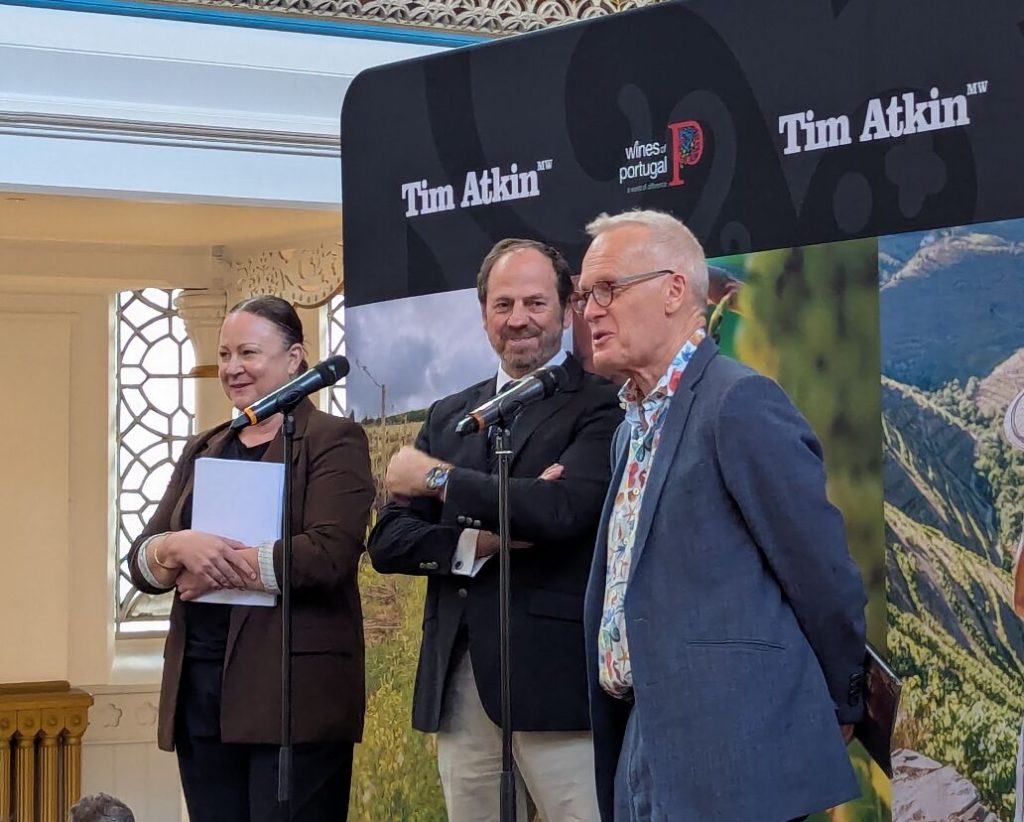
During the event, Tim Atkin made the point that while it is natural to focus attention on the highest-scoring wines and most established producers, it is equally important to recognise and encourage the people helping to shape the future of Portuguese wine.
With this in mind, Tim and Beth had selected a number of individuals and organisations for special recognition, with awards presented during the event.
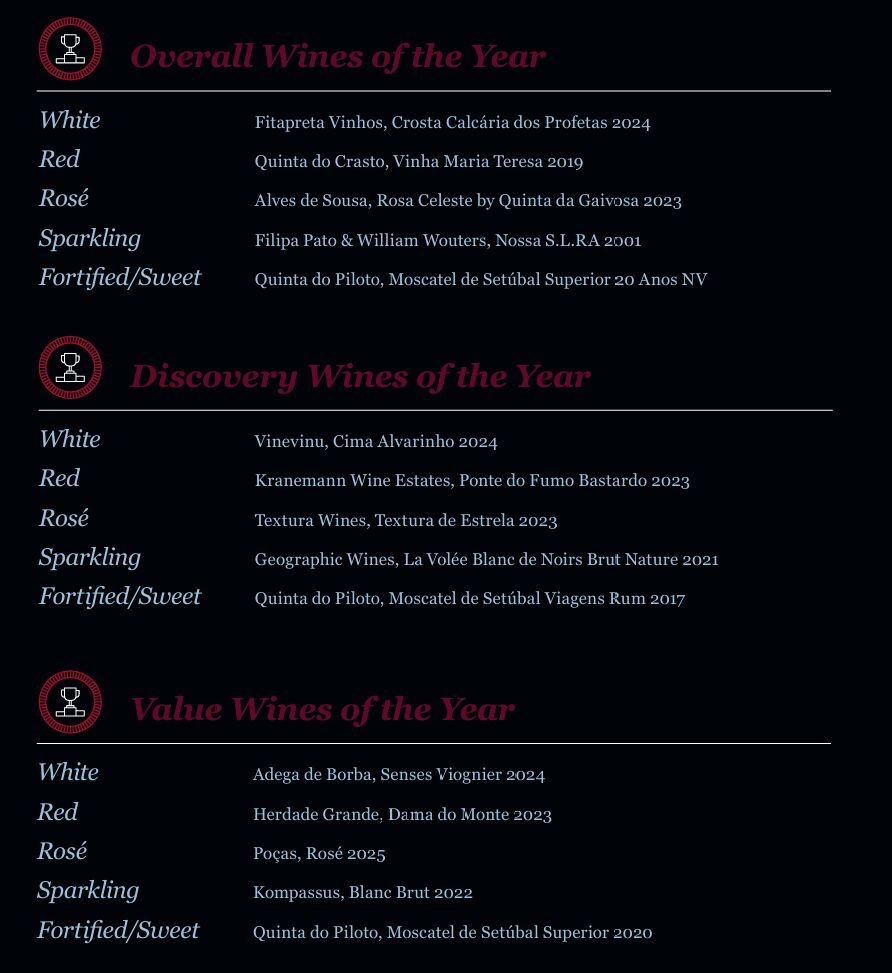
The Legend of the Year award went to Luís Duarte of Luís Duarte Vinhos / Herdade dos Grous, while António Maçanita of Fitapreta Vinhos was named Winemaker of the Year.
Luís Pedro of Niepoort Vinhos received the Young Winemaker of the Year award, and Filipa Pato of Filipa Pato & William Wouters was recognised as Grower of the Year.
Adega de Borba was named Cooperative of the Year, while Quinta do Paral / The Wine Hotel received the Wine Tourism Award.
These awards were a useful reminder that Portugal’s wine story is about more than individual bottles and scores. It is also about the people, vineyards, traditions and innovation behind them.
Tim Atkin’s Portugal Special Report is available on his website.