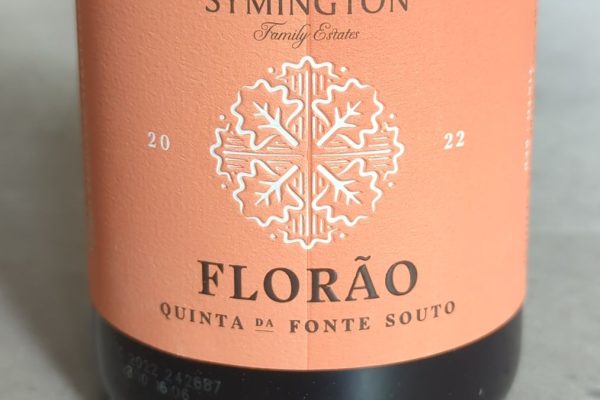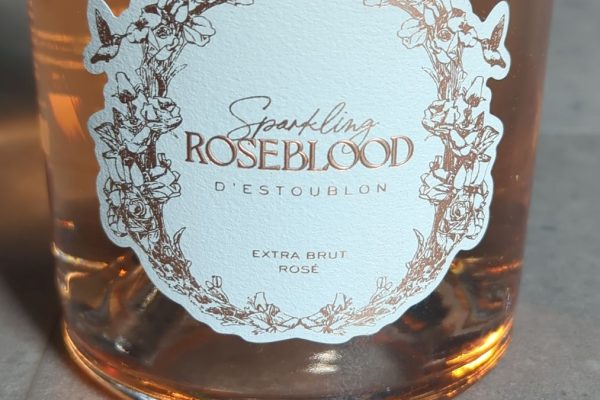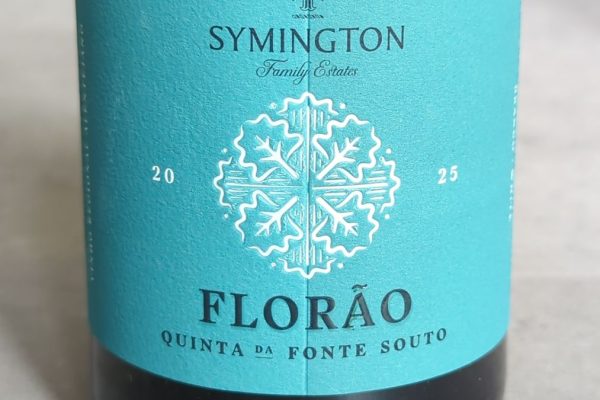
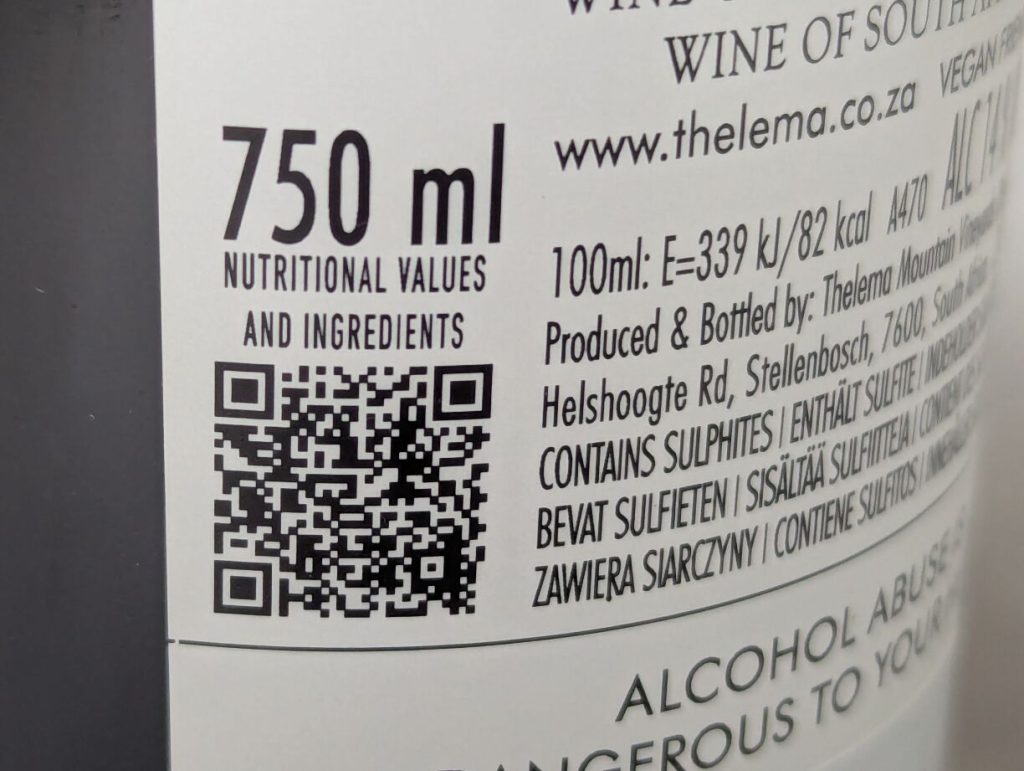
A growing number of wine bottles in British shops have a QR code that provides ingredients and nutritional information when scanned with a smartphone. It sounds like a welcome advance in transparency. But why do some bottles have one and others not? Does the resulting ingredients list really tell you what has gone into the wine?
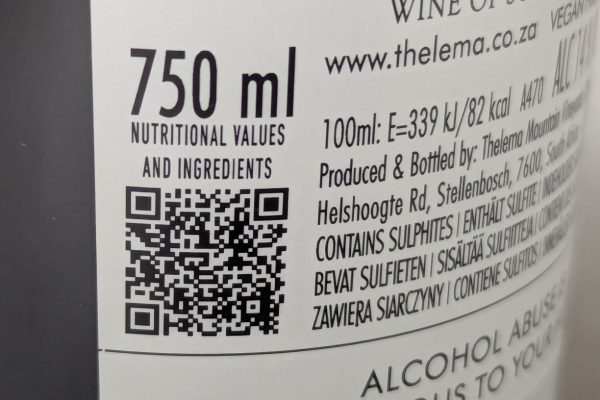
First, there are two different codes. The familiar striped barcode identifies a product for retailers and their tills. The square QR code usually links to an electronic label containing ingredients and nutritional information. When both appear on the back label, they are sometimes put so close together it’s difficult to scan the right one!
The reason QR codes have become common is legislation introduced by the European Union on 8 December 2023. Wines covered by the newer rules must provide an ingredients list and nutrition declaration, either printed on the bottle or accessible electronically. Wines produced before that date can generally continue to be sold without the new information until stocks are exhausted. The European Commission says the requirements cover wines from the 2024 harvest onwards.
The crucial thing for British shoppers is that these EU rules do not apply to wine sold in England, Scotland and Wales. Great Britain still exempts alcoholic drinks above 1.2% ABV from mandatory nutrition declarations and full ingredients lists. Declaring relevant allergens remains compulsory. Northern Ireland generally follows the corresponding EU rules and British wineries supplying the EU market must meet its requirements.
That explains why the bottles are inconsistent. Producers often prepare labels for several markets, so a wine imported into Britain may carry a QR code originally intended for EU customers. British producers may also use codes voluntarily, or because they export. Indeed, a 2026 EU amendment expressly exempted wine intended solely for export outside the EU from its ingredients and nutrition requirements.
What must actually appear on the bottle? For a typical wine subject to EU rules, the physical label still carries essentials such as the wine’s origin, alcoholic strength, volume, bottler or producer details and any applicable protected-origin designation. Lot identification is also required, mainly for recall purposes. Sparkling wines have additional particulars, including sugar-content information. Above all, declaring ingredients electronically does not mean everything important can disappear behind a QR code.
Now an example of something seemingly trivial that became contentious. You might expect the familiar information symbol (ⓘ) to be sufficient next to a QR code. However, the European Commission’s 2023 guidance said that a generic symbol was insufficient and that an ingredient QR code needed an explanatory heading containing the word ‘ingredients’. Different national interpretations then created problems for exporters trying to use one label across Europe. Interestingly, Regulation (EU) 2026/471 now empowers the Commission to introduce a common symbol in future, potentially resolving the issue.
Another complication is that a wine’s digital description may need to survive for decades. Unlike a QR code on a short-lived promotional leaflet, a wine’s information must remain accessible for the life of the wine. For wines designed to age, this creates a particularly interesting problem. A bottle might remain drinkable long after the technology provider hosting its ingredients has ceased trading.
Back now to the bottle. The energy value must remain on the physical label when the full nutrition declaration is electronic. It is expressed in kilojoules and kilocalories per 100ml, sometimes following the letter “E”. A line might read “E: 310 kJ / 74 kcal per 100ml”. But this physical energy-value requirement comes from EU wine rules and is not a general requirement for wine sold solely in Great Britain. Allergens, notably sulphites where they exceed the declaration threshold and any relevant milk or egg residues, must also be declared on the bottle.
What appears online, behind the QR code? The list often starts with grapes, possibly followed by concentrated grape must, sugar or additives used in winemaking. Depending on the wine, these might include preservatives such as sulphur dioxide, acidity regulators and stabilisers. The nutrition declaration typically gives energy, carbohydrates and sugars, alongside other specified nutrients, sometimes recorded as negligible. Additives may be identified by their names or permitted E-numbers. The details should reflect the wine concerned, not a generic catalogue of substances the winery might use.
However, the term “ingredients” has a narrower legal meaning than many drinkers might expect. A wine can contain naturally produced alcohol, glycerol and numerous aroma compounds without each being separately itemised. Yeasts used to ferment the grapes and some fining or filtration agents can be classified as processing aids rather than ingredients. Oak barrels or oak chips used to influence flavour do not necessarily appear on the list. Nor does the ingredients declaration amount to a laboratory report on every possible trace residue, including agricultural residues such as pesticides. Where allergenic residues are present at levels triggering disclosure, different rules apply.
A short ingredients list does not prove that the wine was made without intervention and a longer one does not establish that it is inferior or unsafe. The label describes substances falling within particular regulatory categories, not every cellar practice or every chemical present in the finished drink. If you are expecting the complete story of how a wine was made, you will be disappointed.
Producers, meanwhile, face a genuine administrative challenge. Wine is not made to an identical recipe every year. Harvest conditions, blending decisions, additions of sulphur, acidity adjustments and stabilisation methods can change from vintage to vintage or even between batches. Accurate declarations therefore require detailed production records, checking additives and allergens, establishing nutritional values, supplying suitable translations and linking each QR code to the correct wine.
Electronic labels are easier to revise than printed ones, but they bring another problem. A newer batch’s details must not overwrite the record for older bottles already sold. Information has to remain accurate and accessible, despite changes of websites, suppliers or ownership. EU rules also restrict marketing content and consumer tracking on mandatory electronic labels. For small producers, maintaining reliable information across multiple wines and vintages is substantial work, not just a matter of uploading or updating a page.
There is merit in making allergens, additives, sugar and calories easier to find. Yet the present system remains inconsistent. In Great Britain much of this information is not even mandatory, which helps explain the patchwork of labels on shop shelves. Unless codes are easy to use and the accompanying QR code information gives customers full, meaningful insight, long into the future, the exercise risks looking less like true transparency and more like regulatory rubber-stamping.