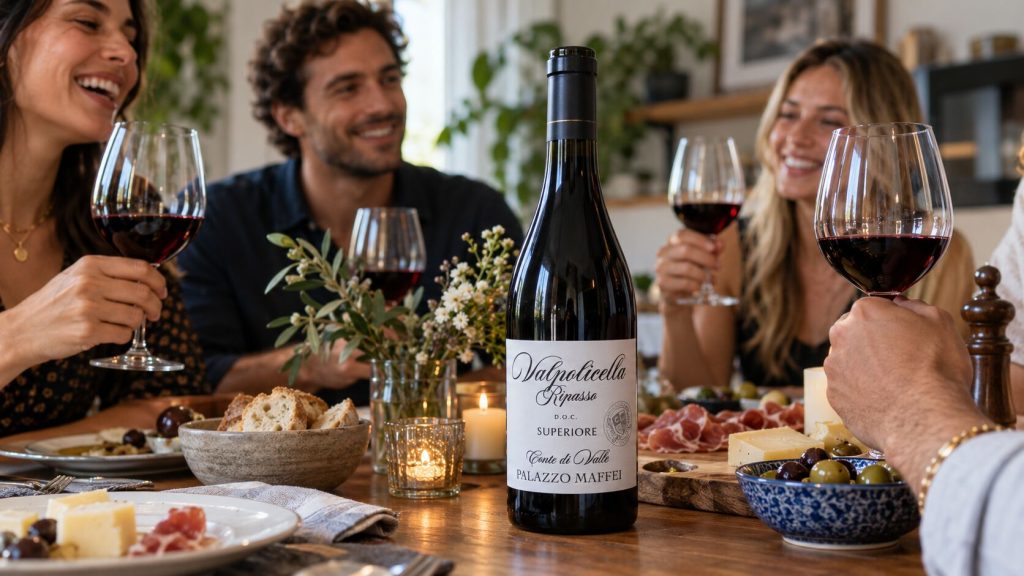
Based on a survey of 900 US alcohol consumers aged 21–65 and analysis of online media, new research suggests Millennials and Gen Z are especially open to wine when it is presented as simple, flexible and relatable rather than something that requires expertise.
Younger consumers are also experimenting with wine in less traditional ways, including serving it over ice, mixing it into other drinks and consuming it in more casual settings. The report argues that brands should embrace this versatility and give consumers more “permission” to enjoy wine however and whenever it suits them.
A major issue is visibility: wine appears less frequently online than other alcoholic drinks. The industry therefore has an opportunity to show up more often on the channels consumers already use for inspiration and discovery.
The study also finds that consumers generally do not see wine as intimidating or elitist, but many lack confidence when choosing what to buy. Straightforward recommendations, tastings, food pairings and practical guidance may therefore work better than complex wine education.
Different generations require different content. Gen Z responds to humorous, relatable and human content, Millennials prefer personalised and exploratory material, while Gen X and older consumers value practical advice on selecting and pairing wines. For Gen Z in particular, transparency around ingredients, nutrition, sourcing and production is also increasingly important because of their focus on health and wellness.
Overall, the message is that wine does not need to be reinvented. The growth opportunity is to make it more visible, casual, flexible and easy to choose, while tailoring communication to the different ways each generation discovers and enjoys it.