The Global Orange Wine Masters 2026 suggests that orange wine is becoming a more technically accomplished and refined category. Judges found no obvious technical faults, including unwanted oxidation, which has historically affected some skin-contact wines. The main weakness was excessive astringency. Several wines extracted so much phenolic material from the grape skins that tannin and bitterness overwhelmed the fruit.
The best wines achieved the same sort of balance expected of fine red or white wine, combining fruit, acidity, texture, tannin and, where relevant, oak without any one component dominating.
Gérard Bertrand was the standout producer. They won three Gold medals and, for the third consecutive year, the competition’s Grand Master title. The £100+ Villa Soleilla 2024, made from Viognier, Roussanne and Vermentino at Château l’Hospitalet in La Clape, was judged the competition’s top wine.
In total, there were 27 unique medal-winning wines: one Grand Master, one Master, six Golds, 14 Silvers and five Bronzes.
| Award | Producer | Wine | Vintage | Region / Country | Price |
|---|---|---|---|---|---|
| Grand Master | Gérard Bertrand | Villa Soleilla | 2024 | Languedoc-Roussillon, France | £100+ |
| Master | The Drift Estate | Marmalade Invader | 2024 | Western Cape, South Africa | £30–£50 |
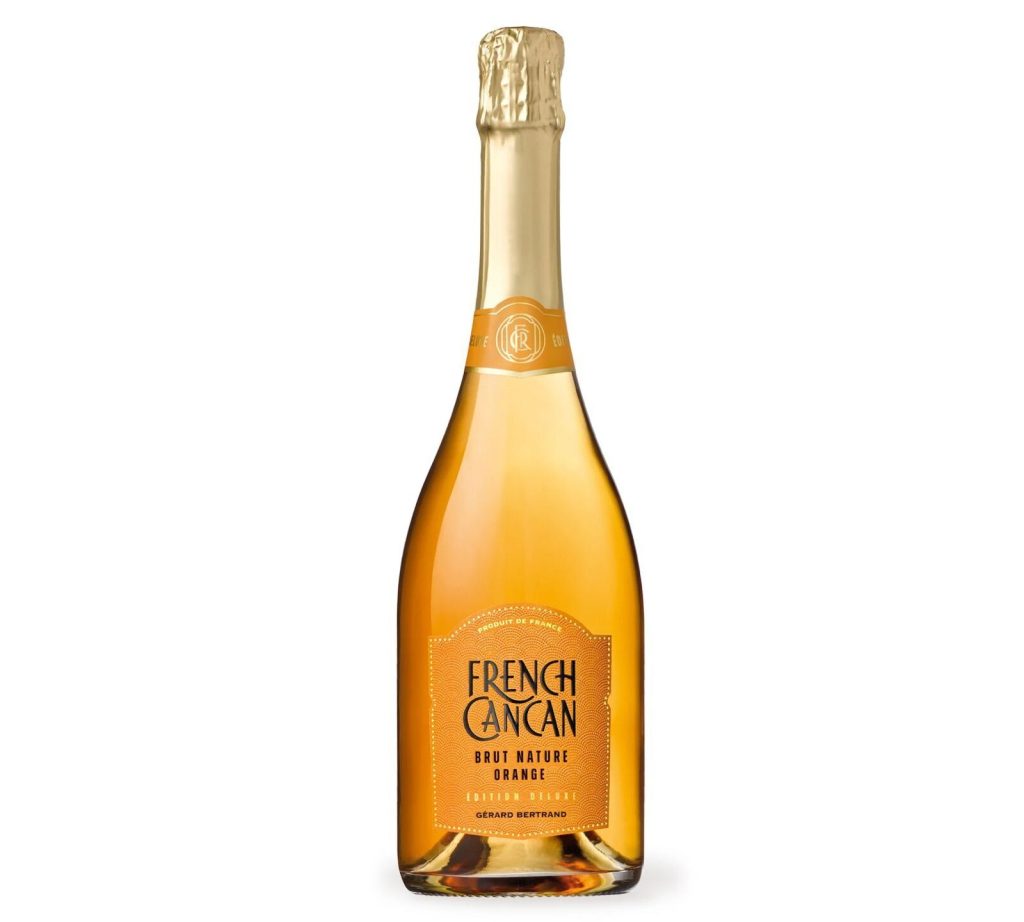
| Gold | Gérard Bertrand | French Cancan Orange | NV | Languedoc-Roussillon, France | £20–£30 |
| Gold | Gérard Bertrand | Naturae Orange | 2025 | Languedoc-Roussillon, France | Under £10 |
| Gold | Gérard Bertrand | Orange Gold | 2024 | Languedoc-Roussillon, France | £10–£15 |
| Gold | Schiefer.pur | Welschriesling Weisser Schiefer ‘M’ | 2015 | Weinland, Austria | £20–£30 |
| Gold | Attis Bodegas y Viñedos | Sitta Doliola | 2019 | Galicia, Spain | £30–£50 |
| Gold | Susana Balbo Wines | Limited Edition Blanco de Raíz Skin Contact | 2023 | Valle de Uco, Argentina | £70–£100 |
| Silver | Gérard Bertrand | Genora | 2024 | Languedoc-Roussillon, France | £10–£15 |
| Silver | Hammeken Cellars | Nanit Orange Wine | 2025 | Castilla-La Mancha, Spain | £10–£15 |
| Silver | Long Wines | Melea Orange Organic | NV | Spain | £10–£15 |
| Silver | Winzer Krems | Grüner Veltliner Orange | 2024 | Österreich, Austria | £10–£15 |
| Silver | Azienda Agricola Cortese | Cortese Orange-utan Bianco Terre Siciliane IGP | 2025 | Sicily, Italy | £15–£20 |
| Silver | Attis Bodegas y Viñedos | Sitta Maceración | 2025 | Galicia, Spain | £20–£30 |
| Silver | Le Anfore di Elena Casadei | Trebbiano, Toscana IGT | 2022 | Tuscany, Italy | £30–£50 |
| Silver | Le Anfore di Elena Casadei | Ansonaco, Toscana IGT | 2025 | Tuscany, Italy | £30–£50 |
| Silver | Le Anfore di Elena Casadei | Migiu, Isola dei Nuraghi IGT | 2024 | Sardinia, Italy | £30–£50 |
| Silver | Siegel Wines | Naranjo Viognier | 2024 | Colchagua, Chile | £10–£15 |
| Silver | Bodega Valdecuevas | Valdecuevas Orange | 2024 | Valladolid, Spain | £15–£20 |
| Silver | Habersack | Gewürztraminer Rohdiamant | 2024 | Österreich, Austria | £15–£20 |
| Silver | Ancre Hill | Orange Wine | 2023 | Wales, UK | £20–£30 |
| Silver | B58 Winery | Beaulieu Orange | 2024 | Hampshire, UK | £20–£30 |
| Bronze | Gérard Bertrand | Art de Vivre Orange | 2024 | Languedoc-Roussillon, France | £10–£15 |
| Bronze | Viña Luis Felipe Edwards | Macerao Moscatel | 2025 | Itata Valley, Chile | £10–£15 |
| Bronze | Kirinoka Vineyards & Winery | Morine Ogosso Pale Orange Three Amigas | 2025 | Nagano, Japan | £15–£20 |
| Bronze | Maturana Winery | Naranjo Maturana | 2025 | O’Higgins, Chile | £20–£30 |
| Bronze | Jordan | Chardonnay Crushed | 2023 | Weinland, Austria | £20–£30 |
The strongest value propositions on the results alone appear to be Gérard Bertrand’s Naturae Orange 2025, which achieved Gold at under £10, and Orange Gold 2024, which achieved Gold in the £10–£15 bracket. At the premium end, Villa Soleilla 2024 was the outright competition winner, while Marmalade Invader 2024 was the only other wine to achieve the higher Master-level distinction.
The results also show how international the category has become. Medal-winning wines came from France, Austria, Spain, Italy, Chile, Japan, the UK, South Africa and Argentina, with both Wales and Hampshire producing Silver-medal orange wines.