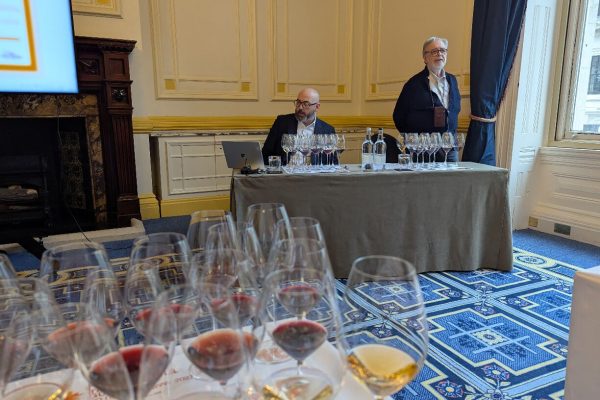
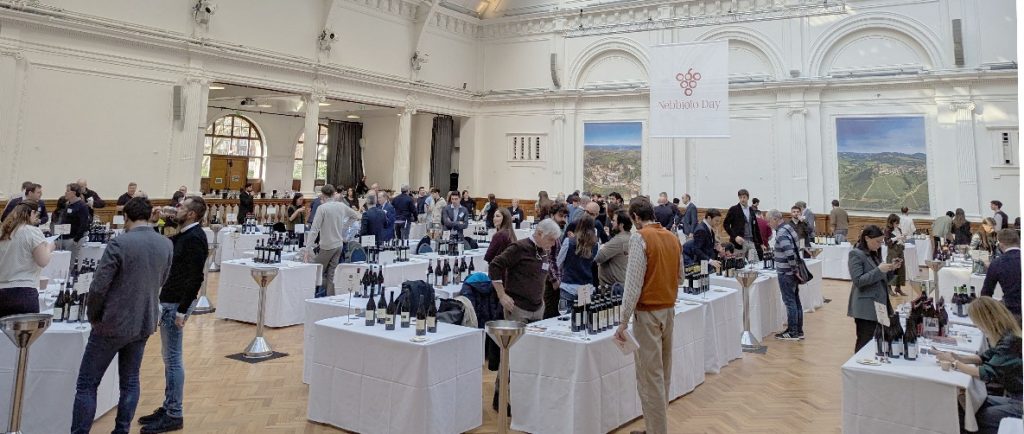
In early March 2026 I was at Nebbiolo Day in London, a showcase of 91 Italian producers with hundreds of wines, all made using the Nebbiolo grape.
Nebbiolo is a northern Italian story, with the main wine areas being Alto Piemonte, Valtellina, Roero, Barbaresco and Barolo. It’s a grape with real detail and variation, including four different Nebbiolo clones, and it’s said that new Nebbiolo vines need around 10 years to really show their true complexity.
I’m not especially interested in ageing wine, or even spending much time trying to predict how a wine will age, so I went looking for Nebbiolo that felt ready to drink now. With Nebbiolo, that usually means thinking about structure. This is a grape known for powerful tannins, and when those tannins are front and centre a young wine can feel strict and demanding. The easiest ways around that are to look towards cooler-climate areas, to look for more mature bottles or to focus on producers whose styles tend to be less aggressively extracted.
Here are the wines I found. Pricing is shown in € or £ or even $ depending on where I found it online.
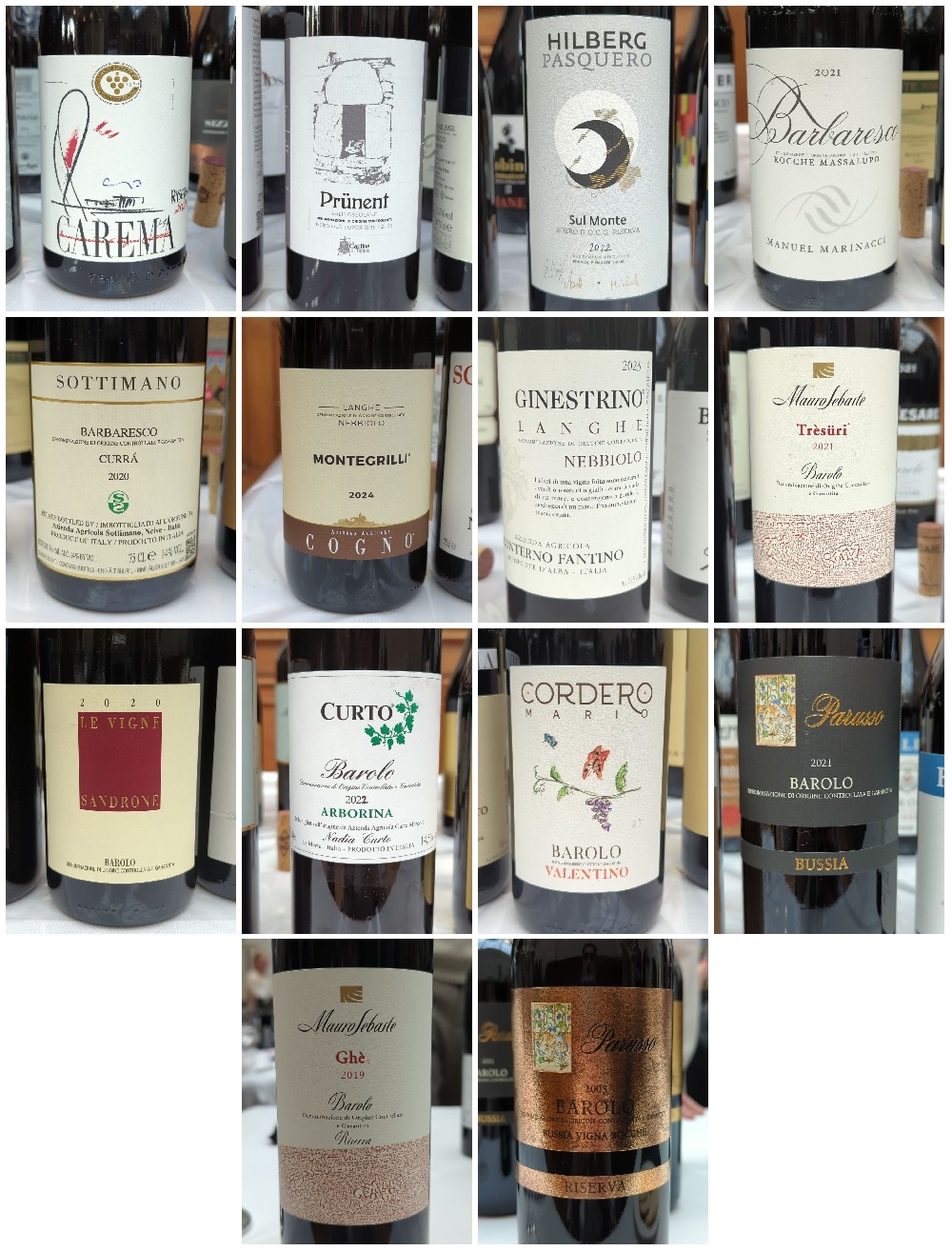
Produttori Nebbiolo di Carema Riserva 2021 13.5% £40
Pale garnet in colour with some browning at the rim. Sour cherry, dried herbs and rose lift from the glass. It’s a delicate Nebbiolo, dry and medium-bodied, with taut high acidity and medium, fine tannins. The finish is slightly mineral. Imported by Astrum Wine Cellars.
Cantina di Tappia Nebbiolo Superiore Prünent 2023 13.5% €22
Light in colour and scented with violets. The taste is juicy and fresh, with a juniper edge that keeps it interesting. Tannins are low, so it stays easy and nimble. Looking for UK representation.
Hilberg-Pasquero Sul Monte Riserva 2022 14.5% €25
Browning in colour, with a savoury, spicy aroma that feels warming. Redcurrants come through on the palate, giving snap and lift. Medium tannins provide shape without taking over. Looking for UK representation.
Manuel Marinacci Rocche Massalupo Barbaresco 2021 14.5% £52
Light and bright in the glass. The aroma is intense with red cherry, rose and violet, plus liquorice and a subtle tar note. Elegant in style, it has fragrant red fruit taste, with overall low tannins that keep it graceful. Looking for UK representation.
Sottimano Barbaresco 2020 14% £70
Light with a touch of browning. Savoury red cherry and floral tones lead, followed by violet and liquorice. The wine feels elegant and fragrant, with fine, medium tannins giving it a little more grip through the finish. Imported by Lea & Sandeman.
Elvio Cogno Montegrilli Langhe Nebbiolo 2024 13.5% £26
Light, with a beautiful orange-brown tint. The aroma is floral and fruity, softened by a gentle savoury note. Raspberry, red berries and redcurrant define the taste, and low tannins keep it supple and easy to drink. Imported by Flint Wines.
Conterno Fantino Ginestrino Langhe Nebbiolo 2023 14.5% £33
Ripe, intense fruit flavours come first, then a little sweet spice appears at the end. Medium tannins add structure and a sense of seriousness. The finish is oaky, lingering after the fruit fades. Imported by Passione Vino.
Mauro Sebaste Tresuri Barolo 2021 15% £48
Pale garnet in colour. The aroma is intense with tar and roses, sour cherry, anise and dried herbs. Dry, medium-bodied and firm in feel, it delivers concentrated red fruit with savoury complexity. Tannins sit low to medium, so it’s powerful without being offensive. Looking for UK representation.
Sandrone Le Vigne Barolo 2020 14.5% £65
Pale garnet in the glass. The classic cigar, tar, sour cherry, anise and dried herbs make for a deep, layered aroma. The taste is intense and firm, combining red fruit with savoury detail and oak complexity. Low to medium tannins keep the structure refined. Imported by Pol Roger UK.
Nadia Curto Arborina Barolo 2022 14.5% £40
Pale garnet in colour. The aroma is intense, again mixing tar and roses with sour cherry, anise and dried herbs. It’s a dry, medium-bodied Barolo with firm red fruit and a savoury, detailed character. Tannins are low to medium, giving control rather than heaviness. Imported by Robert Rolls and The Wine Society.
Mario Cordero Valentino Barolo 2022 14.5% €89
Pale garnet in colour. Tar and roses sit alongside dried herbs, anise and sour cherry, with oak in the background. Intense, firm red fruit drives the taste, and the savoury complexity builds as it opens. Medium tannins and a much fuller mouthfeel give it extra presence. Looking for UK representation.
Parusso Bussia Barolo 2021 14.5% £45
Pale garnet. The aroma is intense, again with the classic tar and roses, anise, sour cherry and dried herbs. It tastes firm and concentrated, with red fruit depth and slight savoury complexity. There’s an extreme sense of aroma and mouthfeel, supported by medium, integrated tannins. Imported by Petersham Cellar.
Ghe’ Riserva Barolo 2019 15% $120
Pale garnet in colour. Very deep sour cherry, anise and dried herbs define the aroma. The taste matches that depth, with firm red fruit and savoury complexity. Very small production, and it feels like a rare bottle because of it. Looking for UK representation.
Bussia Vigna Rocche Riserva Barolo 2003 POA
The aroma is distinctly older, with mature dried cherry and fig, along with leather, tobacco character already in the glass. Despite the age, the taste stays surprisingly young and slightly tannic, giving it real energy. It comes from a bad growing year that turned out well, which makes it particularly interesting. Very limited availability. Represented by Petersham Cellar.
I noticed large variations among wines from the same denomination, which makes sense because Nebbiolo is one of the most sensitive grape varieties, really capable of transmitting its origin into the glass.
I tasted some older Nebbiolo from 2015 and 2016, showing more dried cherry and fig, along with leather, tobacco, and other evolved notes, but with less body. Personally, I didn’t find that profile as appealing, but that’s just a matter of my taste. I was also surprised at how much tannin some of the wines still had at that age. They may simply need more time to fully integrate.
I’d never tasted so many Nebbiolo side-by-side before. It helped me calibrate my sense of typicity, while also reinforcing that there can be considerable variance even within the same denomination. In the end, I felt I achieved my goal, finding wines that were elegant and balanced, not overly tannic, and really enjoyable to drink right now.