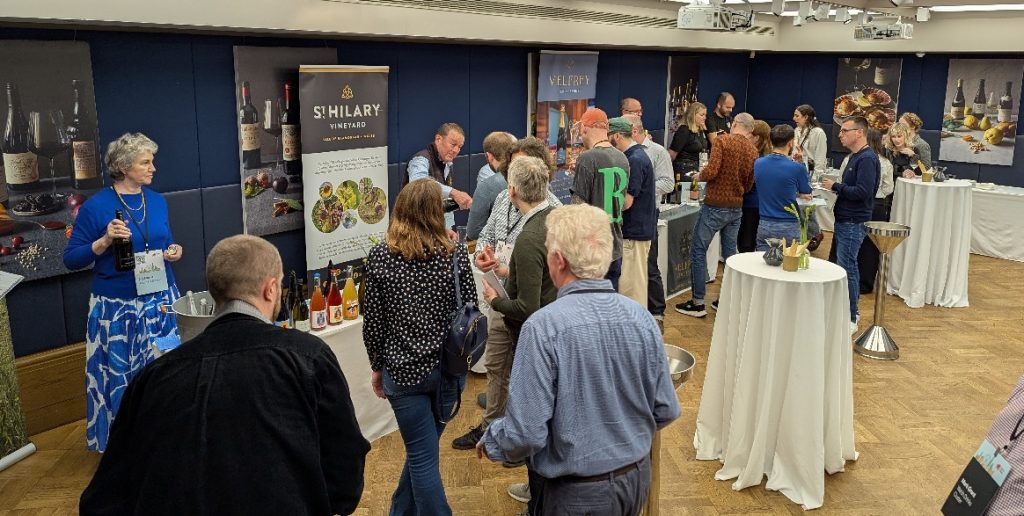
In early March ’26 I went to a Welsh Wine Showcase in London. It was a small, focused tasting with 7 producers showing 28 wines, with a few Welsh cheeses alongside. Despite the modest line-up, I came away with a higher-than-usual proportion of wines to be highlighted:
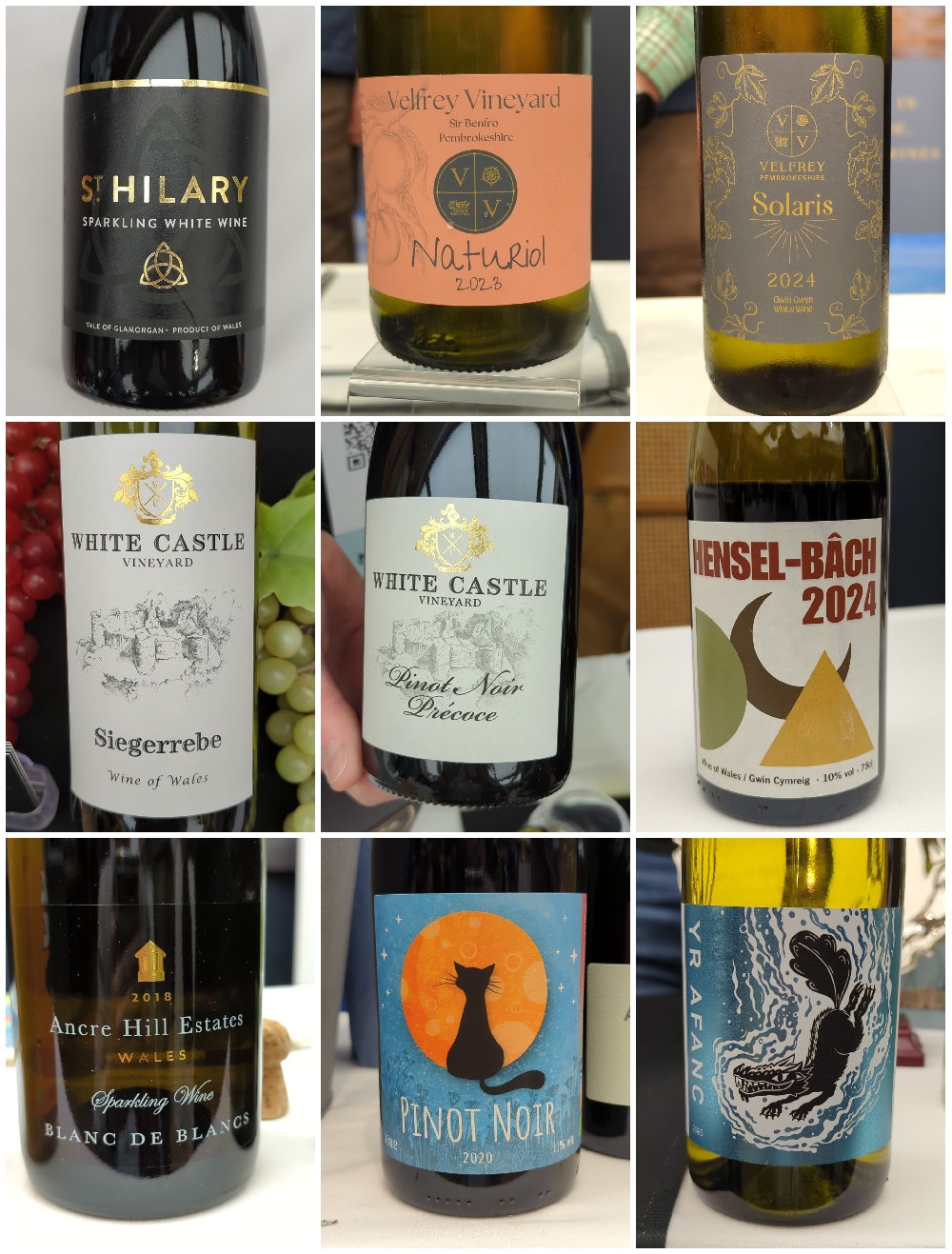
St Hilary Sparkling White Wine 2023 11.5% £37.50
From Cowbridge, this is a traditional method blend of Chardonnay, Pinot Noir and Pinot Meunier. It comes from a low intervention, natural winemaker, with a natural ferment and no filtering or fining. It feels very Champagne-like, with a generous autolytic pastry character despite only 12 months on lees. This is their first year making sparkling wine, with plans to eventually reach 4,000 to 5,000 bottles per year.
Velfrey Naturiol 2023 8.5% £25
Made in Pembrokeshire at Velfrey Vineyard made from Seyval Blanc and produced as a PGI white wine. It is low intervention, vegan and naturally fermented with no added yeast. It is lively with lemon, a hint of nutmeg and good length. It is a great example of a natural wine with no faults and is actually the only naturally fermented Welsh PGI (Protected Geographical Indication) white wine.
Velfrey Solaris 2024 11% £25
Solaris from Velfrey Vineyard, made by an award winning producer again focused on low intervention winemaking and precision viticulture. The aromatics are lovely and confident, in a South African Sauvignon Blanc sort of way. You get citrus, white peach, elderflower and a tropical edge, then a dry finish with fresh acidity.
White Castle Siegerrebe 2025 11% £26
From Monmouthshire, and intensely aromatic, almost Gewurztraminer-like in its impact. Grapefruit and pineapple lead, followed by exotic spices. It should be excellent with spicy food, where the perfume and flavour can really sing.
White Castle Pinot Noir Précoce 2023 11.5% £37
A savoury, earthy expression with a lovely aromatic lift, bringing mushroom and woodland notes. Blueberry and blackberry come through alongside clove, with slight tannins and a dry end. There is also a ‘reserve’ oaked version that is equally as great.
Hensel-Bâch 2024 10% £19
From Llanbethery in the Vale of Glamorgan, made with Rondo and Cabernet Cortis grapes. It is low intervention, unfiltered and made with no added SO2, with very low volumes produced. The wine is slightly browning with a green character, yet it carries extreme black fruit. For the finish, earthy pepper sits alongside a subtle caramel nuance.
Ancre Hill Blanc de Blanc 2018 10% £37.15
From Monmouth, a traditional method Chardonnay sparkling wine made biodynamically, organically and vegan. Minimal intervention is key, with no fining or filtering and an extreme five years of lees ageing. It is very Champagne like, with zero dosage, so no sugar added, leaving it dry yet fresh and packed with extreme autolytic character. It is surprising they can get away with zero dosage, as in Champagne this is usually only possible in the southernmost vineyards where grapes ripen more. In terms of intensity, it compares with some of the best Champagnes I have had.
Ancre Hill Pinot Noir 2020 11% £23.25
Biodynamic, organic and vegan, with a low intervention approach and two years of oak barrel ageing. The aromatics are striking and the wine is intense, combining extreme fruit, savouriness and a clear oak influence. It finishes dry, representing another intense release from Ancre Hill which is probably their overall USP.
The Dell Vineyard Yr Afanc 2025 12% £24
A blend of Solaris, Reichensteiner, Schonberger and Phoenix. Very aromatic with pear, peach and tropical notes. It is dry, with great length that keeps the flavours rolling.
Cool-climate Wales, well away from the warmer South East UK, might, like me, prompt a bit of scepticism about whether truly great wine is possible. But with the careful choice of varieties and smart winemaking, there were genuinely some excellent wines. If anything, the tasting flipped my expectations on their head.
A lot of Welsh wine producers lean towards natural and low-intervention. I guess this is because Wales is still a small, relatively young wine region, so most vineyards are run as hands-on, artisanal projects rather than big-volume operations. This also gives producers licence to experiment and build a distinct identity and low-intervention winemaking seems to have become one clear way to do that without trying to copy more established regions.
The small-scale is reflected in the pricing. This is properly artisan wine, made in very limited quantities. Seen in that light, and given the quality, the pricing actually feels more than fair.