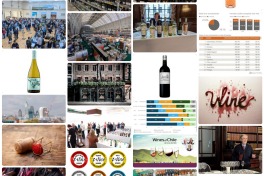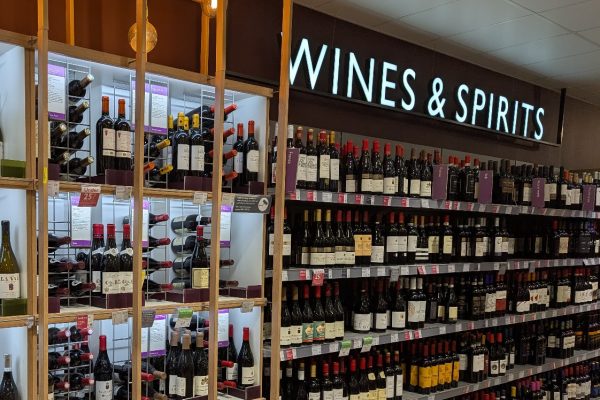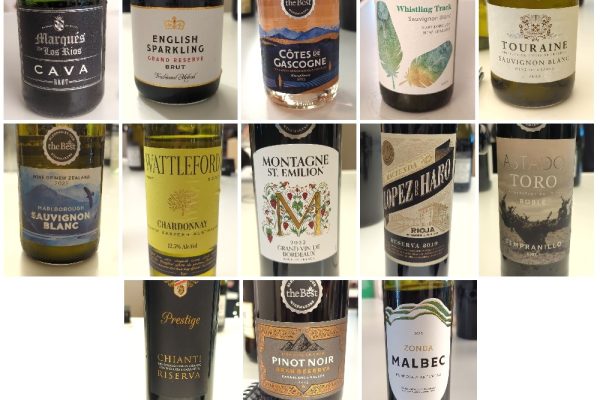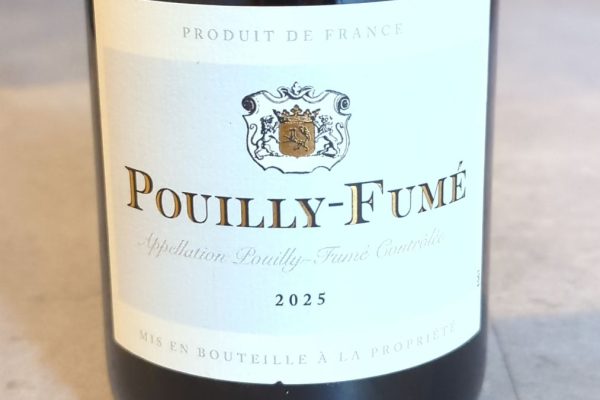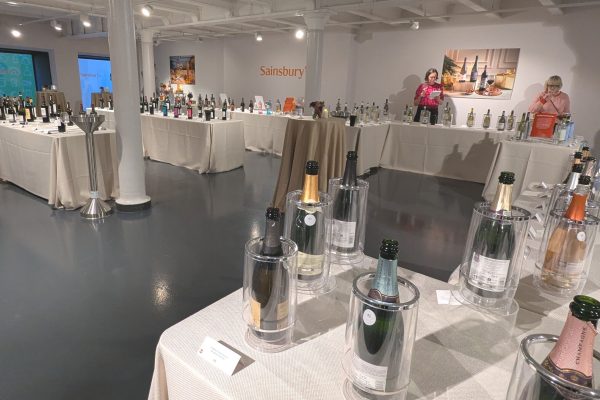
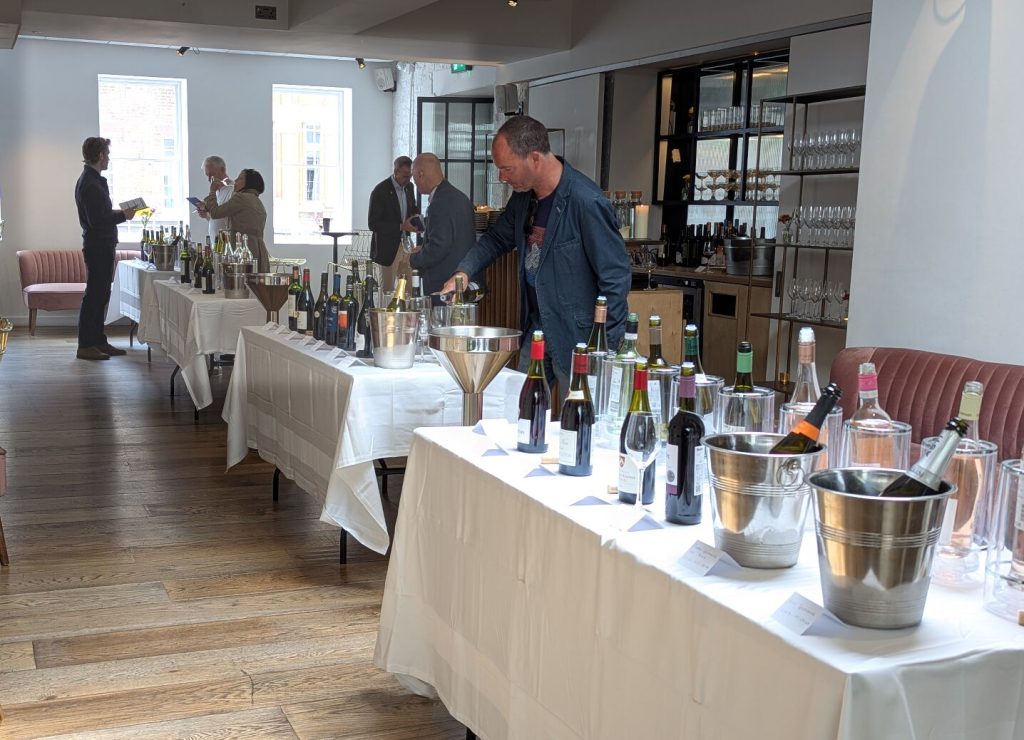
In June 2026, I attended Lidl’s Summer Press Tasting in London, where 54 wines were showcased from the retailer’s current June selection, forthcoming July and August releases, and a number of bottles from Lidl’s core range, which are available year-round.
Lidl’s Wine Tours currently run for around one to two months, giving shoppers a limited window in which to buy these bottles before they disappear from the shelves. The most popular wines often sell out quickly, which is very much part of Lidl’s approach: keeping the range dynamic, encouraging customers to return regularly, and creating a sense of discovery.
This constant rotation not only keeps things fresh for shoppers keen to try something new, but also helps Lidl identify which styles and regions resonate most strongly with its customers. In some cases, the most popular wines even make the jump into the permanent core range.
From August, the wine tours will move from a monthly to a quarterly format, meaning that the August Wine Tour will in effect become the Autumn Tour.
These were the wines that caught my attention:
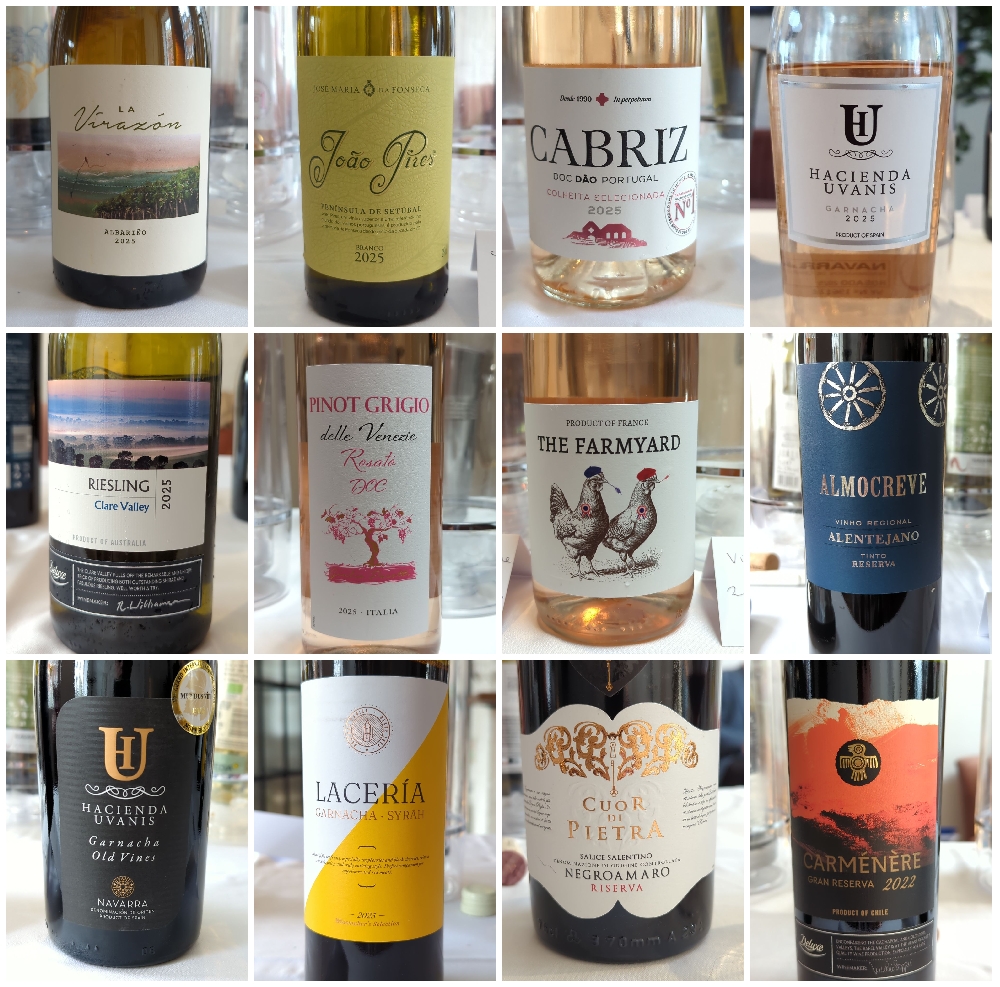
La Virazon Albariño 2025 14% £8.99
An interesting Albariño because it comes from Uruguay, from a historic Montevideo winery with Italian roots. Pale lemon in colour, with lemon and peach aromas. It is dry to off dry, medium bodied and round, with citrus and stone fruit flavours. It is not as acidic/fresh as Spanish Albariño. This one actually used to be sold by Majestic. It is in the current June Wine Tour.
João Pires 2025 12% £8.99
Produced in Portugal’s Península de Setúbal using the Moscatel de Setúbal grape variety. It has aromas of orange peel, apricot, lychee and tangerine. Off dry and nicely round, with citrusy flavours and white peach. It is in the current June Wine Tour.
Cabriz Dão Rosé 2025 12.5% £8.49
A Portuguese rosé made from Touriga Nacional and Alfrocheiro grapes. Pale to medium pink in colour, with aromas of strawberry, watermelon and floral hints. Dry and medium bodied, with ripe fruit balanced by medium acidity and freshness. The finish is fruity and refreshing. It is in the current June Wine Tour.
Hacienda Uvanis Garnacha Rosado 2025 12.5% £6.99
From Navarra in Spain, this is a vivid pink Rosé with tutti frutti, strawberry, raspberry and watermelon aromas. It is dry, light to medium bodied and full of juicy red fruit. The style is refreshing, fruity and bright. It will be in the July Tour from the end of June.
Deluxe Riesling Clare Valley 2025 11.5% £7.99
Made by Chambers Creek Wines in Australia. Pale lemon in colour, with intense lime, lemon, blossom and a slight kerosene note. It is dry, precise and lime-citrus driven, with a long, limey finish. It will be in the Autumn Wine Tour at the end of July.
Pinot Grigio Rosé 2025 11.5% £4.89
An Italian Pinot Grigio that is bulk bottled in Germany, with no clear provenance/producer. It has a raspberry aroma and a lighter strawberry taste. Dry and very easy to drink, with excellent smooth mouthfeel for the price. Unbelievable value and part of the core range.
The Farmyard Rosé 2025 12.5% £6.29
Clearly a “Chicken Wine” dupe, from Saint-Jean d’Ardières, an area that used to be Rhône but is now Beaujolais. Pale salmon in colour, with aromas of redcurrant, strawberry, citrus zest and herbs. It is slightly sweet, off dry, with red fruit, citrus and high acidity giving a very fresh feel. The finish is clean, light and refreshing. It is as nice as the Chicken Wine, although about the same price once other supermarkets’ mix 6 and 25% off deals are factored in. Part of the core range.
Alentejano Almocreve 2023 13.5% £7.49
From Portugal, made by Adega Cooperativa de Borba using Aragonez, Trincadeira and Castelão grapes. Very slightly browning in colour, with aromas of blackberry, violet and dark chocolate. Dry and full bodied, with blackcurrant, herbs, low tannins and a long, dark-fruited, finish. I particularly liked this wine, and looking back I also liked it at the previous Lidl tasting, although that was the previous 2022 vintage. Part of the current June Tour, and it will also be in the Autumn Tour from the end of July.
Hacienda Uvanis Garnacha Old Vines 2024 14% £8.49
From Navarra in Spain. The colour is quite light, lighter than the depth suggested by the taste and aroma. It has blackberry, kirsch, liquorice and smoke aromas, followed by concentrated raspberry and cherry flavours. Dry, low to medium bodied, with low to medium tannins. This was a past wine I liked a lot, and this vintage is even better. I’ll be buying some, even though I really don’t need to buy any wine at the moment. Part of the current June Tour and it will also be in the Autumn Tour from the end of July.
Cuor di Pietra Collezione Salice Salentino Negroamaro Riserva 2021 13.5% £7.49
From Puglia in Italy. It has smoky dark fruit aromas. Full bodied, round and oaky, with medium tannins. It is softer and rounder than usual Negroamaro, perhaps due to the Riserva ageing. Part of the Autumn Tour from the end of July.
Deluxe Carménère Gran Reserva 2022 14% £7.99
From Luis Felipe Edwards in Chile’s Rapel Valley. Aromas of black plum, blackberry, green peppercorn and gentle spice. Dry and medium to full bodied, with intense ripe dark fruit, savoury herb and pepper notes, plus a soft texture. Medium tannins lead into a smooth, gentle finish. Part of the Autumn Tour from the end of July.
There were many more picks this time than I usually find at Lidl. At first, I thought the new Tour prices seemed a touch higher than usual, but that was balanced out by a handful of rosés that were among the best-value bottles I have seen this season.
One thing to keep in mind is that availability does not always follow the published schedule. Last year, some wines appeared in store earlier than expected and did not always align neatly with the planned Wine Tours. Lidl’s decision to move from monthly to quarterly Wine Tours from August should help reduce some of that confusion. Prices are also provisional at this stage and may change. It is also worth checking vintages carefully, as the bottles that appear on shelves are not always the same vintages as those I try at the tastings.