Only hours after I mentioned Open Wine Map, World Winery Map popped up, another ambitious wine mapping project, but a more commercial proposition, with a different focus and different goals.
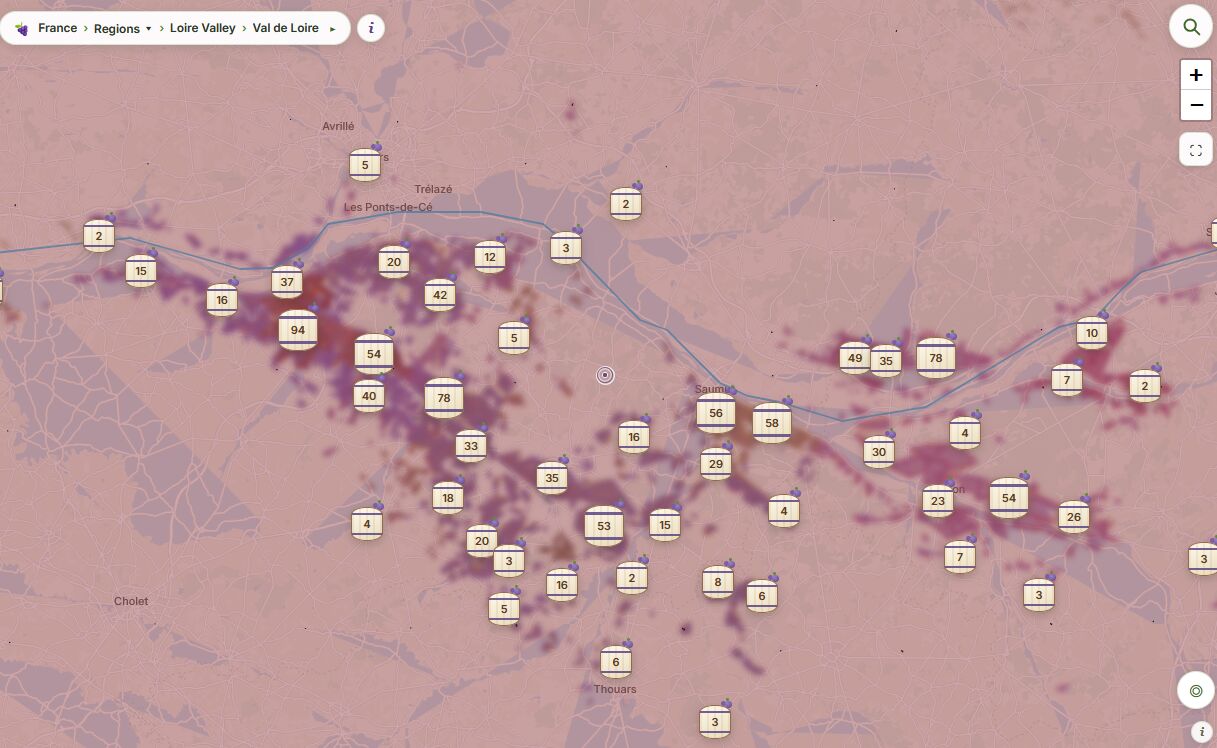
Developed by M.G. SOLUTIONS d.o.o., a Croatian business consulting and services company, World Winery Map currently covers 4,303,693 vineyard parcels and more than 100,000 wineries across 90 countries. It brings together official wine region boundaries, winery and vineyard locations, satellite-derived topographical measurements and climate indices.
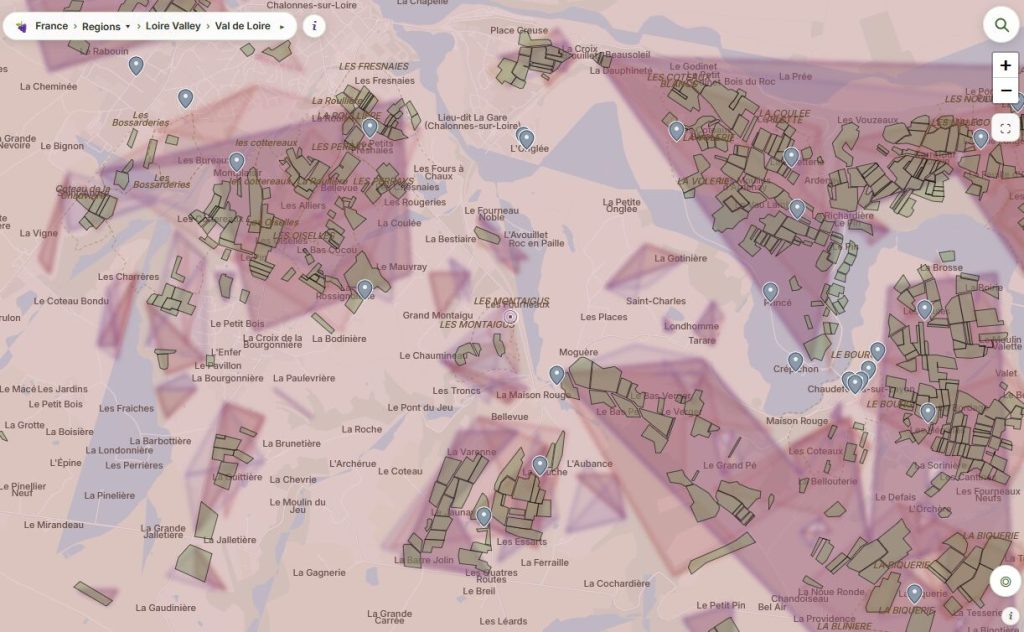
Its business model combines free access with paid visibility and richer listings. The free “Claimed & Verified” tier lets producers take ownership of their listing, correct their location, connect vineyards to their winery and add basic visitor information. It also includes a verified pin, a logo and photograph, opening hours, grape varieties and the ability to flag vineyard parcels for sale, alongside a map embed and tasting-room QR code.
The paid subscription adds a more prominent gold pin and a fuller shop window, longer descriptions, clickable contact and social links, larger galleries, video, awards and featured wines with shop links. There is also a journal feature, a vineyard terroir report and space for more detailed parcel information. Taken together, these features move the site beyond mapping into marketing, visitor discovery and sales support.
Keeping all of that useful and current is another matter. Opening hours change. So do wines, photographs, awards and vineyard details, and maintaining them takes time and money from both the platform and participating producers. A comprehensive map is an impressive starting point. An accurate directory requires continuing updates.
Then comes the chicken-and-egg problem. Why pay without evidence of relevant traffic and enquiries? Yet attracting those visitors depends, at least partly, on producers contributing more detailed information. Introductory pricing that rises as the platform demonstrates its audience or value might help bridge the gap, provided producers can understand and anticipate what they will be charged.
The more interesting possibilities may emerge once a substantial number of vineyards have been claimed. Connecting parcels with their producers could support wine tourism and regional discovery, but also vineyard sales and more detailed terroir comparisons.
The vineyard parcel count is impressive. How many producers participate, and how much they contribute, may ultimately matter more.