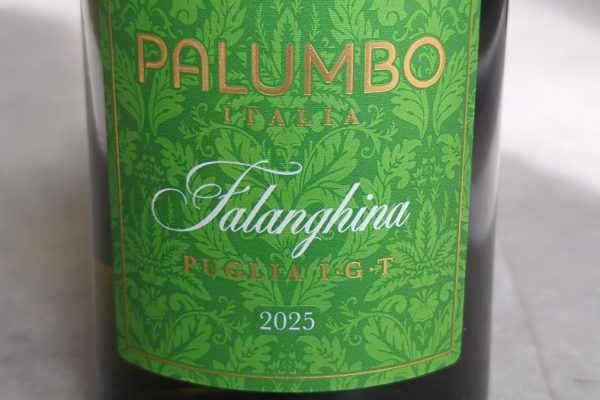
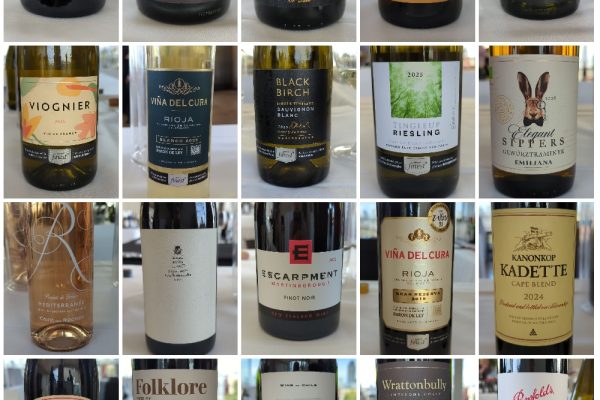
The International Wine & Spirit Competition (IWSC) has announced its 2026 Wine Trophy winners, recognising 45 outstanding wines from across the world. The trophies represent one of the competition’s highest distinctions, awarded following a second round of judging in which expert judges re-tasted the year’s gold medal-winning wines.
Australia
Producer
Winning wine
Region
House of Cards
Ace High Chardonnay 2025
Margaret River
Xanadu Wines
Reserve Chardonnay 2024
Margaret River
Lenton Brae
Cabernet Sauvignon 2024
Margaret River
Nocturne
Single Vineyard Cabernet Sauvignon 2024
Margaret River
Stella Bella Wines
Suckfizzle Cabernet Sauvignon 2024
Margaret River
Willespie Estate
Wilyabrup Reserve Semillon 2025
Margaret River
Soumah
Hexham Vineyard Chardonnay 2025
Yarra Valley
Dandelion Vineyards
Lioness of McLaren Vale Shiraz 2024
McLaren Vale
France
Producer
Winning wine
Region
Rare Champagne
Brut 2012
Champagne
Champagne Castelnau
Brut 2006
Champagne
Domaine de La Croix
Irrésistible Cru Classé Rosé 2025
Provence
Château d’Esclans
Les Clans 2024
Provence
Artesans
Les Secrets Rosé 2025
Provence
La Chablisienne
Les Preuses 2023
Chablis Grand Cru, Burgundy
Italy
Producer
Winning wine
Region
Monte Rossa
Cabochon Fuoriserie N. 026 Brut NV
Franciacorta, Lombardy
Nani Rizzi
Extra Brut 2025
Valdobbiadene, Veneto
Sui Nui Spumanti
Rive di Rolle Extra Brut 2025
Conegliano Valdobbiadene, Veneto
Cantine La Contea
Gocce di Lava 2020
Etna, Sicily
Fattoria La Vialla
Riserva 2018
Vin Santo del Chianti, Tuscany
Georgia
Producer
Winning wine
Region
Tsinandali Old Cellar / Mildiani Family Winery
33rd Anniversary 2017
Mukuzani, Kakheti
Tsinandali Old Cellar / Mildiani Family Winery
Saperavi Qvevri 2020
Kakheti
Avandi
Kisi Qvevri 2024
Kakheti
Wine Art
Ethno Khikhvi-Mtsvane 2022
Manavi, Kakheti
Giuaani
Special 2024
Manavi, Kakheti
Austria
Producer
Winning wine
Region
Skoff Original – Walter Skoff
Royal Sauvignon Blanc 2023
Südsteiermark
Weingut Johann Schneeberger
Kittenberg Sauvignon Blanc 2024
Südsteiermark
Weingut Eder Wachau
Süssenberg Grüner Veltliner 2023
Wachau
In Vino Weix Weixelbaum
Ried Heiligenstein Riesling 2022
Kamptal
Portugal
Producer
Winning wine
Region
D’Oliveiras
Malvazia 1991
Madeira
D’Oliveiras
Sercial 1990
Madeira
D’Oliveiras
Colheita Verdelho 2005
Madeira
Kopke
Colheita 1987
Port
New Zealand
Producer
Winning wine
Region
te Pa Family Vineyards
The Reserve Collection Seaside Sauvignon Blanc 2024
Australian wine exports to China have collapsed from around $1.2 billion to less than $10 million. More
Wine’s aroma is not determined solely by which flavour compounds it contains. More
Low-to-moderate wine consumption is associated with lower mortality. More
Moderate water stress can be part of what creates flavour and terroir expression. More
Wine appears less frequently online than other alcoholic drinks. More
Independent retailers had 9% fewer customers in March 2026 than two years earlier. More
Average spend per bottle in independents has risen by 23% since 2019, compared with 21% in supermarkets. More.
Nearly a third (32%) of UK consumers say they have already used AI for alcoholic drinks advice. More
Among socially active wine buyers, 37% have bought a wine recommended online. More
In 2026, 72% of consumers now think wine knowledge is essential to appreciation, up 20 percentage points on 2025. More
Rías Baixas wines reached more than 107 countries in 2025 and exports represented 31 per cent of the denomination’s total sales. More
Light Strike Can Cause Wine Degradation in Just One Day. More
People actively adjust their wine choices depending on who might see them. More
In the UK, 73% of Alcohol is Bought From Retail Rather Than Hospitality. More
UK wine production reached 124,377 hectolitres that year, meaning the UK accounted for roughly 0.05 per cent of world output. More
For Crémant, grapes must be harvested by hand and the wines must undergo at least nine months’ ageing before release. More
In 2024, the UK was the second-largest export market for Champagne globally, after the United States. More
Local UK bottling of wine represents about 40% of imported wine. More
Around 1% of people, typically severe asthmatics, have a sulphite sensitivity. More
A large 80% of Australian wine arrives in the UK in bulk. More
Only about 0.02% of Australia’s landmass is dedicated to vineyards. More
In 2024, New Zealand produced only 1% of the World’s wine. More
In 2024, the US imported 37% of World production of Pinot Grigio and the UK was is in second place at 27%. More
In 2024, the UK was South Africa’s largest export market, with 40% of total exports. More
In 2024, the United Kingdom imported 22.3 million bottles of Champagne, a decline of 12.7% compared to the previous year. More
Larger Champagne producers source grapes from as many as 80 different vineyards throughout Champagne. More
Champagne houses and growers collectively produce around 300 million bottles annually. More
In 2025, the Champagne region was home to about 2,124 Champagne houses and approximately 19,000 growers. More
Provence is one of the leaders in the conversion to organic viticulture, with 61% of vineyards certified. More
8% of the South Africa’s grape production is Fairtrade-certified. More
Up to 80% of wine aroma compounds come from grape skins. More
Glycerol is the third-largest component of most dry wines after water and alcohol which is why they so often feel ‘smooth’ or ‘silky’ in the mouth. More
Humans are more than 400 times more sensitive to bitter than sweet. More
Humans can detect the earthy molecule geosmin at about 100 parts per trillion and camels are so sensitive to it they can locate damp ground from roughly 50 miles away. More
During the phylloxera crisis of the nineteenth century, 90% of Europe’s vineyards were destroyed. More
In 2025, for La Vieille Ferme, also known as “The Chicken Wine”, sales surged by 49.4% to £110.8 million. More
In 2025, in the UK, Yellow Tail held the top position with sales, marking a 9.8% increase over the previous year. More
In 2024, the UK was the second-largest wine importer in volume and value. More
In 2024, the UK was the fifth-largest wine-consuming country globally. More
In 2025, global wine consumption continued its downward trend, estimated at 214.2 million hectolitres, the lowest since 1961. More
In 2025, online alcohol sales had a 20% increase in value over five years. More
In 2025, the number of UK vineyards rose to 1,104 and wineries to 238, with land under vine expanding to 4,841 hectares, a 510% increase since 2005. More
Moët Hennessy alone commands nearly 46.66% of the Champagne market, with the top three producers together holding about 61%, and the top five controlling over 72%. More
In 2024, the Champagne market was worth roughly €3.92 billion. More
In the marketing year 2023/24, white wine accounted for roughly 55% of Spain’s output, whereas red and rosé together made up about 45%. More
In the UK, 92% of wine is consumed within 48hrs of purchase. More
The majority of wines, 95%, use commercial rather than wild yeast. More
Between 0.5 and 10 litres of water, per litre of wine, are needed for cleaning during winemaking. More
Machine harvesting can achieve up to 100 tons of fruit per day vs 1 ton for a human. More
In Germany, 2025 was the smallest wine vintage since 2010. More
The majority of vineyards, 90% in 2019, are farmed with heavy chemical interventions. Only 6% are organic. More
90% of low and coastal areas in south Europe and California will no longer be able to produce good wine by the end of the century. More